
















































Mineral Wool vs. Fiberglass Cost: Best Insulation Material?
This blog post compares mineral wool and fiberglass insulation, focusing on their costs, properties, and suitability for different applications. It helps professionals in the industry make informed decisions based on budget, environment, and material benefits.
Rockwool vs. Fiberglass: Which Insulation Material is Better?
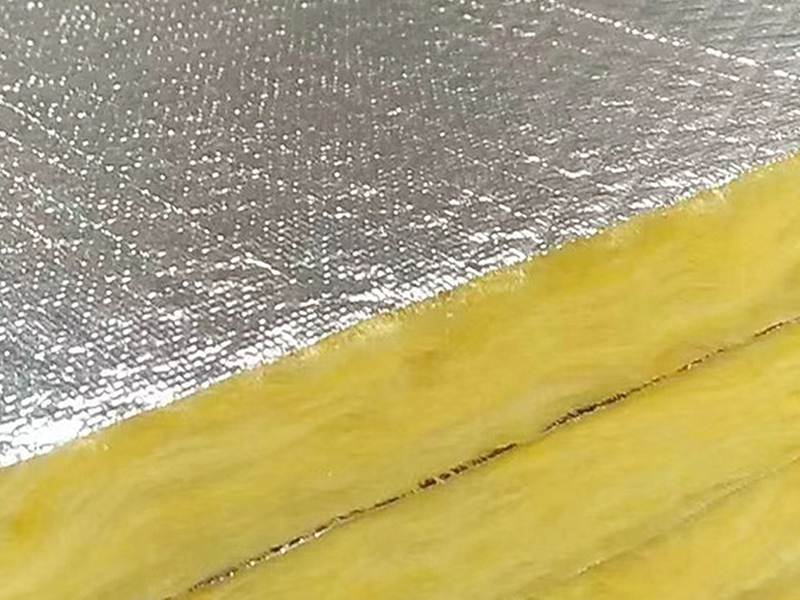
What is Mineral Wool?
What is Fiberglass?
Mineral Wool vs Fiberglass Cost Comparison
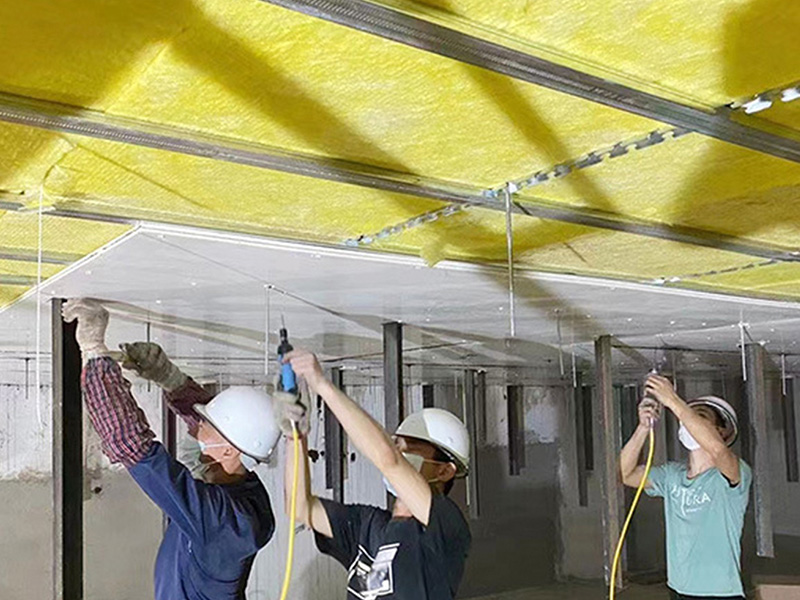
- Material Costs: Fiberglass typically boasts a lower upfront cost compared to mineral wool. For large-scale projects with budget constraints, this can be a critical deciding factor.
- Installation and Maintenance: The installation process for fiberglass is generally easier and less time-consuming than mineral wool, which may require specialized handling due to its density and weight. However, mineral wool's durability means potentially lower maintenance costs in the long run.
- Energy Efficiency: Both thermal insulators offer significant energy-saving benefits. Mineral wool’s dense composition can lead to better insulation capabilities, reducing heating and cooling costs. While fiberglass is effective, it might require additional thickness to match mineral wool’s performance.
- Environmental Impact: Mineral wool is more environmentally friendly as it is often produced from recycled materials. However, newer fiberglass products have improved, offering greener options that rival mineral wool in eco-friendliness.
How to Choose Insulation Materials for Different Applications?
- High-Temperature Environments: Mineral wool is the superior choice due to its fire-resistant properties.
- General Residential Use: Fiberglass is often chosen for its cost-effectiveness and ease of installation.
- Soundproofing Needs: Mineral wool’s density provides better soundproofing, making it ideal for acoustic-sensitive projects.
- Moisture-Prone Areas: Mineral wool offers superior water resistance, making it more reliable in wet conditions.
Conclusion
FAQs

Does sound insulation foam Actually Work in 2026? Ultimate guide About Blocking vs. Absorbing Noise
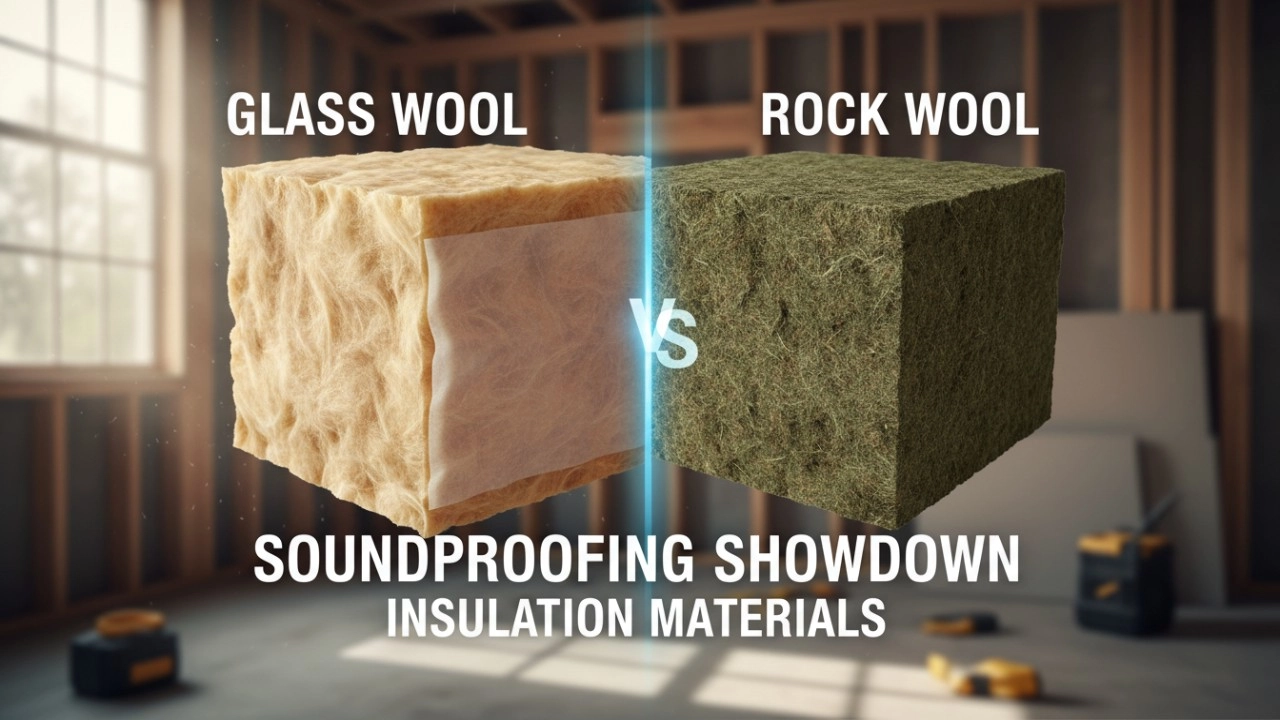
Fiberglass vs. Rockwool: Which Soundproofing Insulation Material Wins for Acoustic Control?
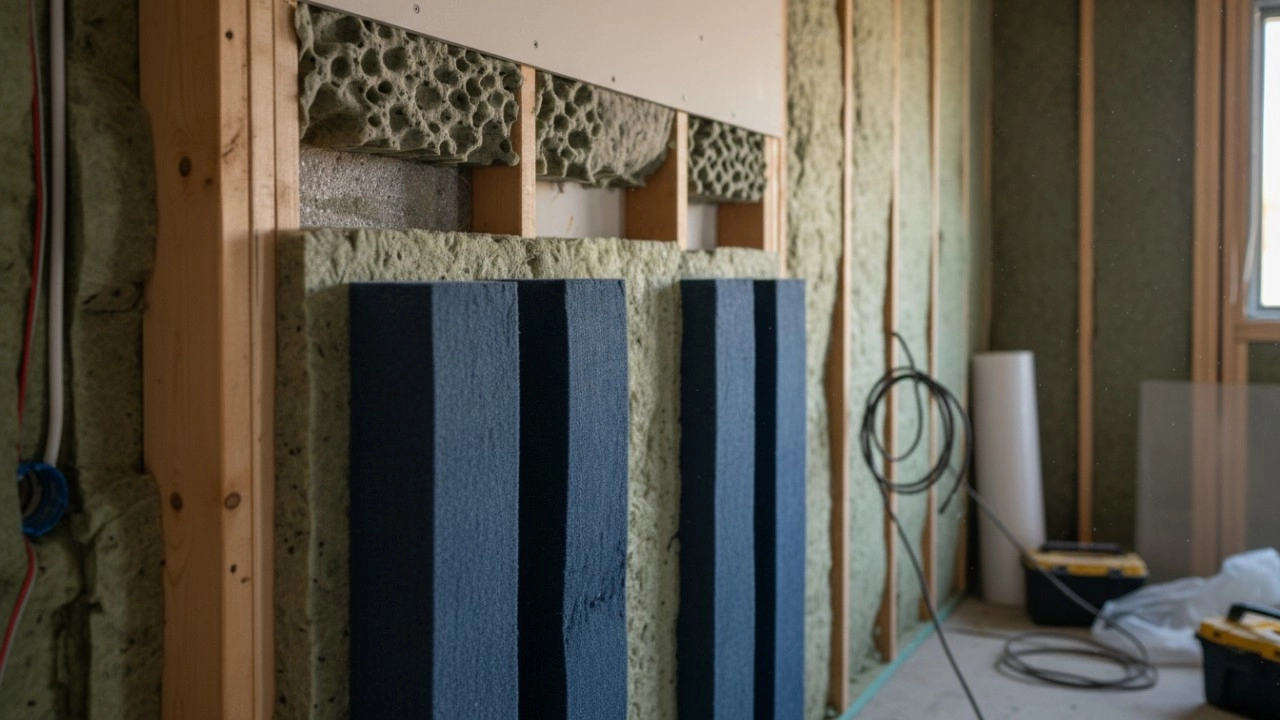
Sound Insulation Foam vs. Acoustic Panels: Which One Actually Stops Noise? (2026 Guide)
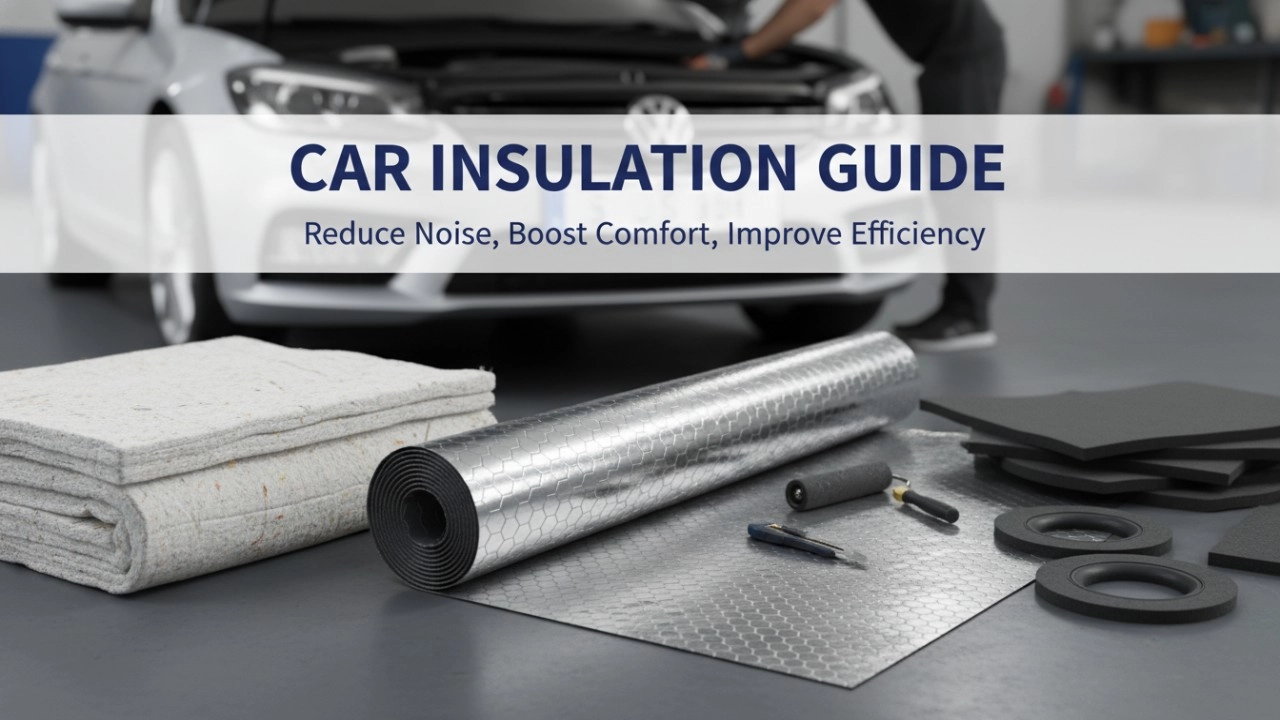
7 Dangerous Mistakes to Avoid When Selecting insulating materials for Your Car (2026 Guide)
service
What types of rubber foam insulation products do you offer?
We offer a wide range of rubber foam insulation products, including custom shapes and sizes, thermal and acoustic insulation solutions, and options with specialized coatings such as flame retardancy and water resistance. Our products are suitable for applications in HVAC, automotive, construction, and more.
Are your rubber foam products environmentally friendly?
Yes, our insulation products are designed with sustainability in mind. They help reduce energy consumption by minimizing heat loss and gain, and they are made from durable materials that have a long life cycle, reducing the need for frequent replacement.
FAQ
Can your insulation products be customized?
Yes, we offer customized solutions for insulation material wholesale to meet the specifications of your project, including custom specifications, sizes, foils and adhesives, colors, etc.
What types of rubber foam insulation do you offer?
We offer a wide range of rubber foam insulation with different thicknesses and specifications. Thermal insulation material manufacturer FUNAS sleeves and sheets are suitable for different application scenarios.
You might also like

Wholesale Rock Wool Mineral Wool Board Panel Sheet
High-performance rock wool board for superior thermal and acoustic insulation. A reliable choice for building projects.
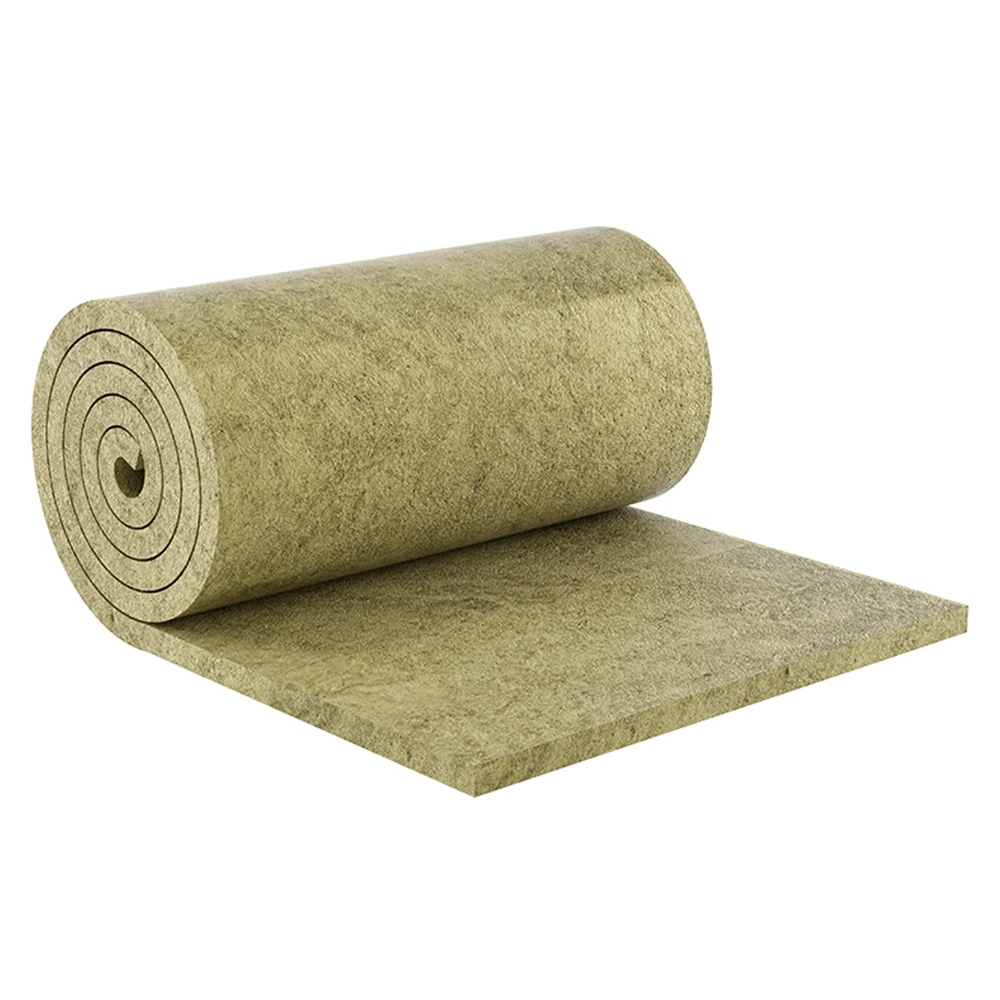
Wholesale Rock Wool Mineral Wool Roll Blanket
Durable rock wool roll with outstanding fire resistance and insulation properties. Ideal for industrial and construction applications.
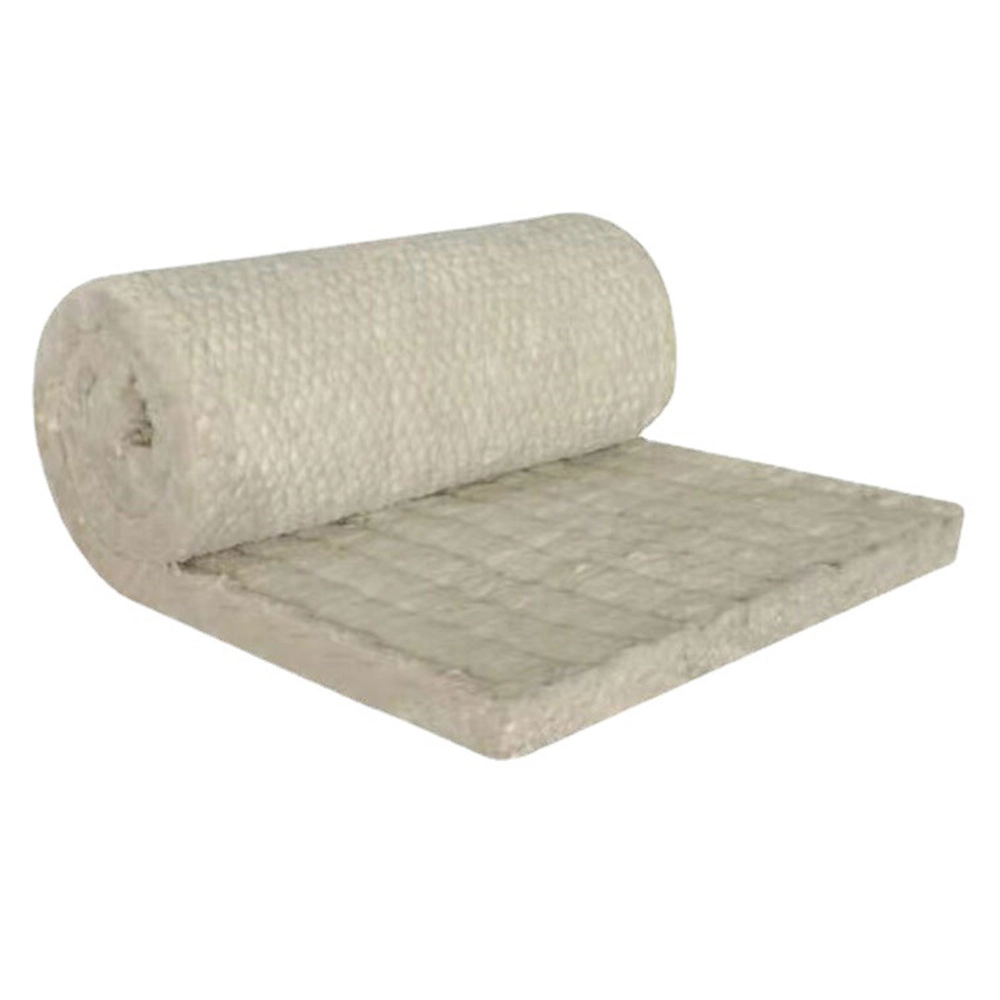
Wholesale Perfect Fire Resistant Performance High Strength Acoustic Mineral Wool Insulation Rock Wool Roll Panel Plain Slab
Rock wool, that is, a kind of exterior insulation material. When the market share of 90% of the organic thermal insulation materials in the stagnant wait-and-see, as a fire rating of A- class exterior insulation inorganic material rock wool has ushered in an unprecedented market opportunity.

Wholesale Perfect Fire Resistant Performance High Strength Acoustic Mineral Wool Insulation Rock Wool Board Panel Plain Slab
Rock wool board, that is, a kind of exterior insulation material. When the market share of 90% of the organic thermal insulation materials in the stagnant wait-and-see, as a fire rating of A-class exterior insulation inorganic material rock wool, has ushered in an unprecedented market opportunity.
Leave a message
Have any questions or concerns about our products? Please leave us a message here and our team will get back to you promptly.
Your queries, ideas, and collaboration opportunities are just a click away. Let’s start a conversation.
