
What are the benefits of nitrile rubber insulation? | Insights by FUNAS
Explore the advantages of nitrile rubber insulation, including thermal efficiency, moisture resistance, fire safety, and durability. Learn about its applications in HVAC, refrigeration, and plumbing systems, and discover why FUNAS is your trusted partner in thermal insulation solutions.
- Understanding Nitrile Rubber Insulation
- 1. What Are the Thermal Efficiency Benefits of Nitrile Rubber Insulation?
- 2. How Does Nitrile Rubber Insulation Prevent Condensation?
- 3. What Are the Fire Safety Features of Nitrile Rubber Insulation?
- 4. What Is the Durability of Nitrile Rubber Insulation?
- 5. In Which Applications Is Nitrile Rubber Insulation Commonly Used?
- 6. What Are the Temperature Range Capabilities of Nitrile Rubber Insulation?
- 7. How Does Nitrile Rubber Insulation Contribute to Energy Efficiency?
- 8. What Are the Acoustic Insulation Properties of Nitrile Rubber?
- Conclusion: Why Choose FUNAS for Your Thermal Insulation Needs?
Understanding Nitrile Rubber Insulation
Nitrile rubber insulation, also known as nitrile butadiene rubber (NBR), is a synthetic elastomeric material renowned for its exceptional thermal and acoustic properties. It is widely used in various industries to enhance energy efficiency, prevent condensation, and ensure safety. This article delves into the key benefits of nitrile rubber insulation and its diverse applications.
1. What Are the Thermal Efficiency Benefits of Nitrile Rubber Insulation?
Nitrile rubber insulation boasts low thermal conductivity, effectively reducing heat loss in HVAC, refrigeration, and plumbing systems. Its closed-cell structure minimizes energy consumption and maintains system efficiency. For instance, at a mean temperature of 20°C, nitrile rubber insulation exhibits a thermal conductivity of 0.036 W/m·K, ensuring optimal thermal performance.
2. How Does Nitrile Rubber Insulation Prevent Condensation?
The material's high water vapor diffusion resistance factor, exceeding 7,000, significantly reduces the risk of condensation on insulated surfaces. This property is crucial in preventing corrosion and maintaining the structural integrity of pipes and ducts.
3. What Are the Fire Safety Features of Nitrile Rubber Insulation?
Nitrile rubber insulation is designed to be self-extinguishing and complies with various fire safety standards. It is available in varying degrees of fire safety grades as per building regulations and BS codes, ensuring safety in diverse applications.
4. What Is the Durability of Nitrile Rubber Insulation?
Nitrile rubber insulation exhibits excellent resistance to oils, fuels, and other chemicals, making it suitable for harsh environments. Its resilience ensures long-term performance, even under mechanical stress and temperature fluctuations.
5. In Which Applications Is Nitrile Rubber Insulation Commonly Used?
Nitrile rubber insulation is versatile and utilized in various applications, including:
- HVAC piping insulation
- Split and window air conditioning systems
- Plumbing and wastewater drainage pipes
- Solar piping insulation
- Cold storage facilities
- Cleanroom environments
Its adaptability makes it a preferred choice across multiple industries.
6. What Are the Temperature Range Capabilities of Nitrile Rubber Insulation?
Nitrile rubber insulation operates effectively within a wide temperature range, from -50°C to +110°C. This broad range allows it to prevent condensation in chilled water lines and reduce heat loss in high-temperature pipelines, maintaining flexibility and structural integrity over time.
7. How Does Nitrile Rubber Insulation Contribute to Energy Efficiency?
By minimizing heat loss and preventing condensation, nitrile rubber insulation enhances energy efficiency in systems. Its low thermal conductivity ensures that energy consumption is kept to a minimum, contributing to cost savings and environmental sustainability.
8. What Are the Acoustic Insulation Properties of Nitrile Rubber?
Nitrile rubber insulation offers excellent acoustic properties, effectively reducing noise transmission. Its closed-cell structure absorbs sound and decouples vibration, making it ideal for applications where noise control is essential.
Conclusion: Why Choose FUNAS for Your Thermal Insulation Needs?
FUNAS stands out as a leading provider of high-quality thermal insulation solutions, including nitrile rubber insulation. Our products are engineered to meet the highest industry standards, ensuring optimal performance, durability, and safety. With a commitment to innovation and customer satisfaction, FUNAS is your trusted partner in achieving energy efficiency and comfort in your projects.
For more information on our products and services, visit our website or contact our customer support team.
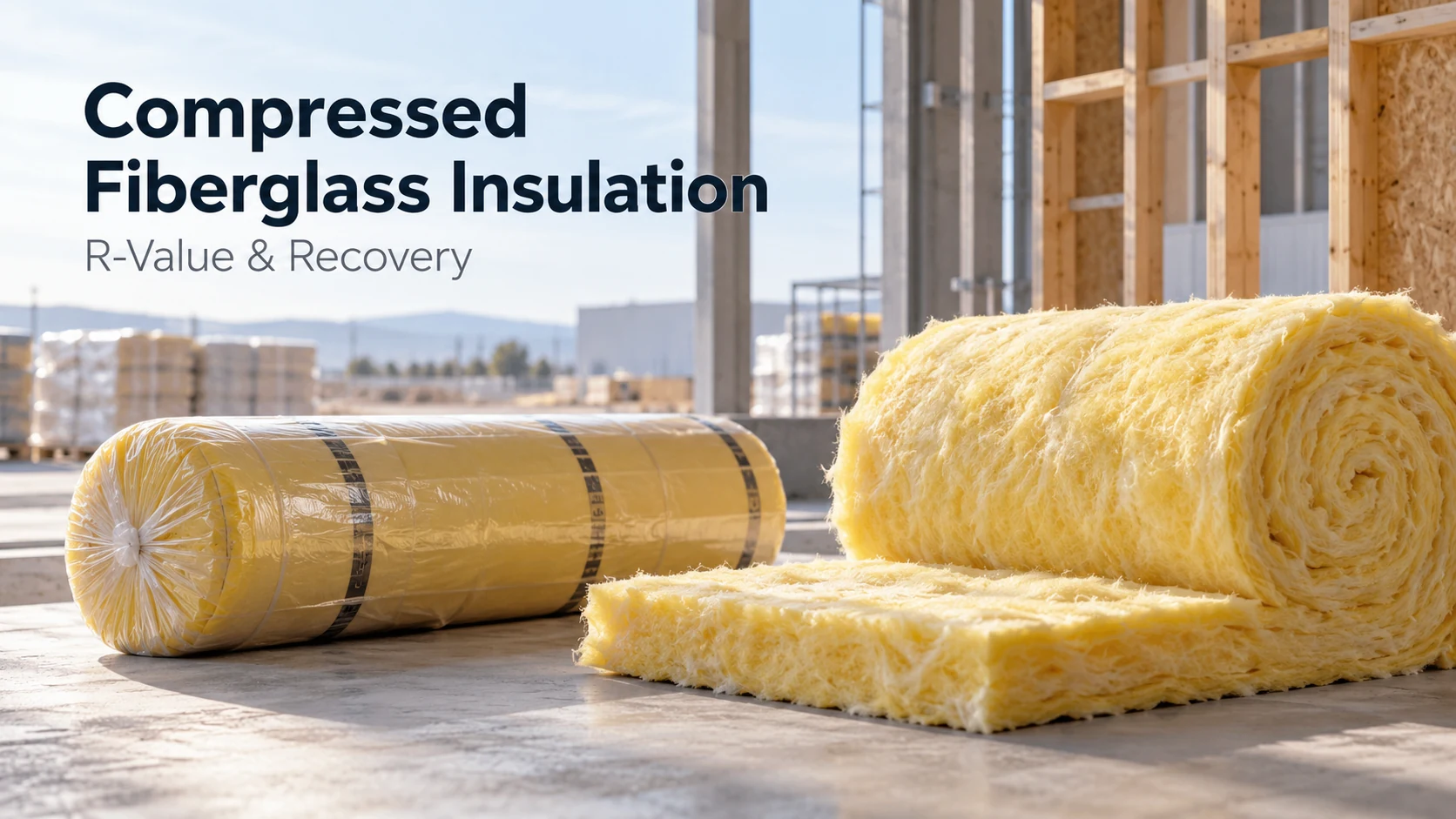
What Happens When Fiberglass (Glass Wool) Insulation Is Compressed?
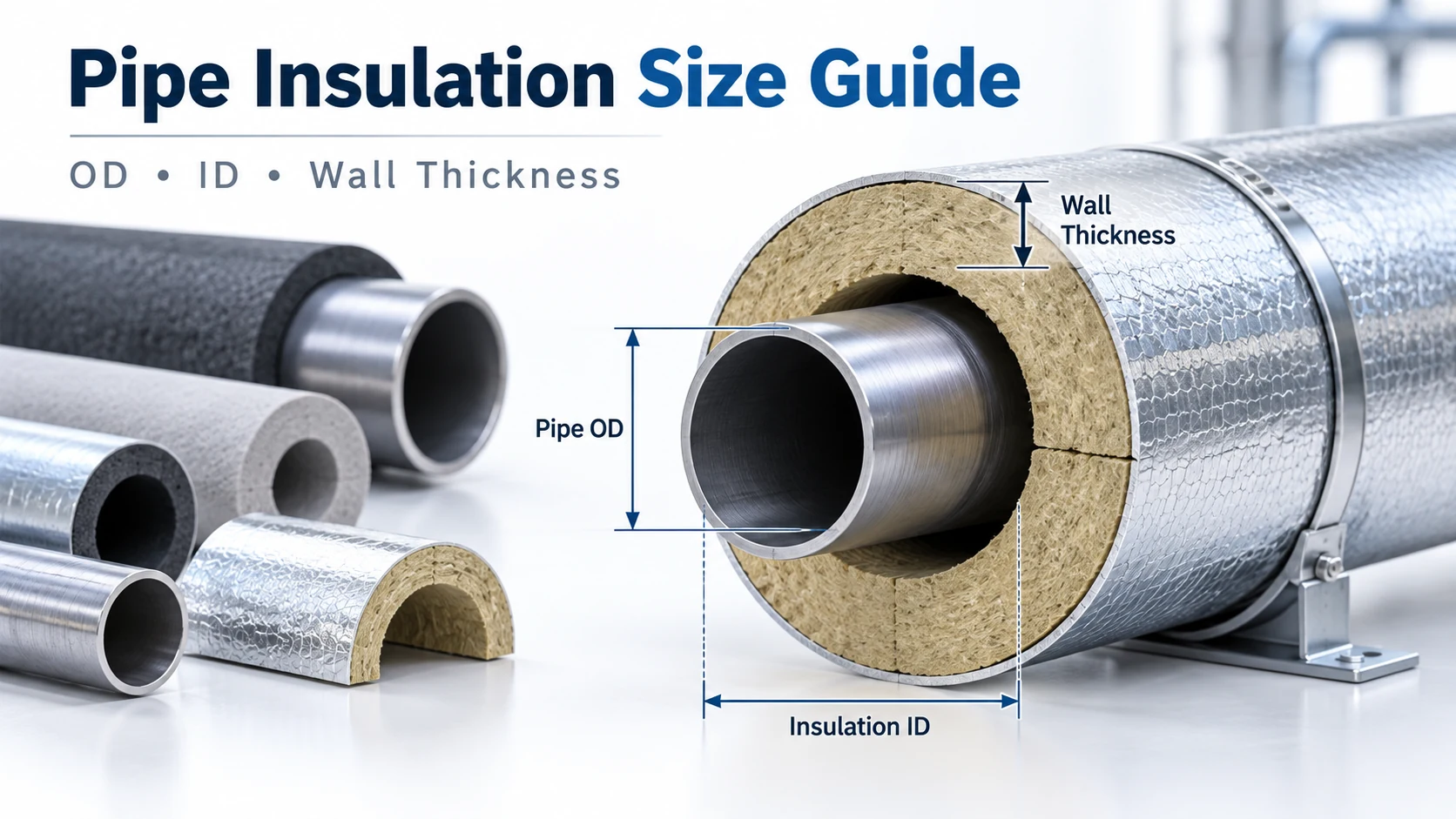
Pipe Insulation Size Guide: How to Match Pipe OD, Insulation ID and Wall Thickness
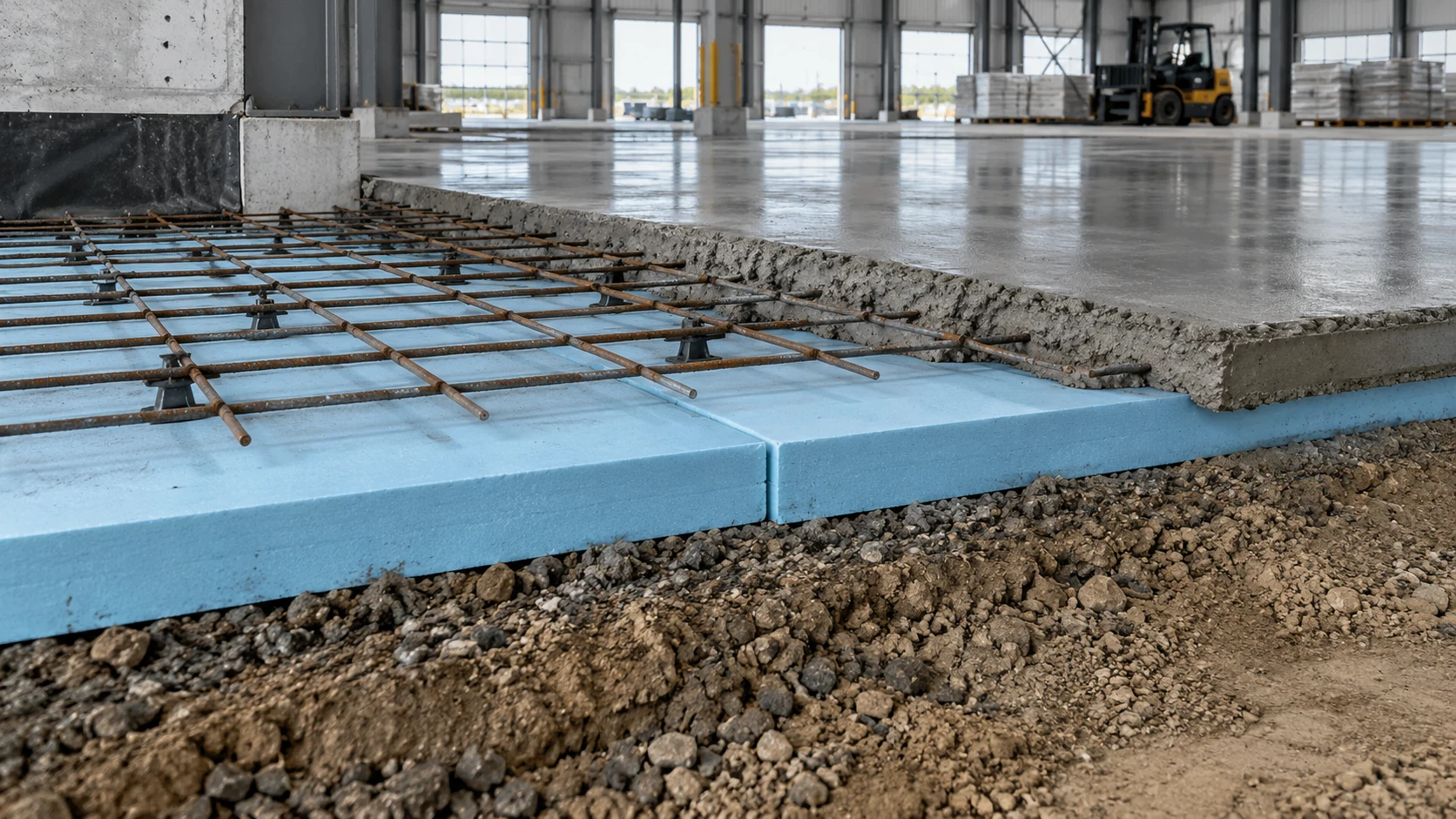
What XPS Compressive Strength Do I Need Under a Concrete Slab?
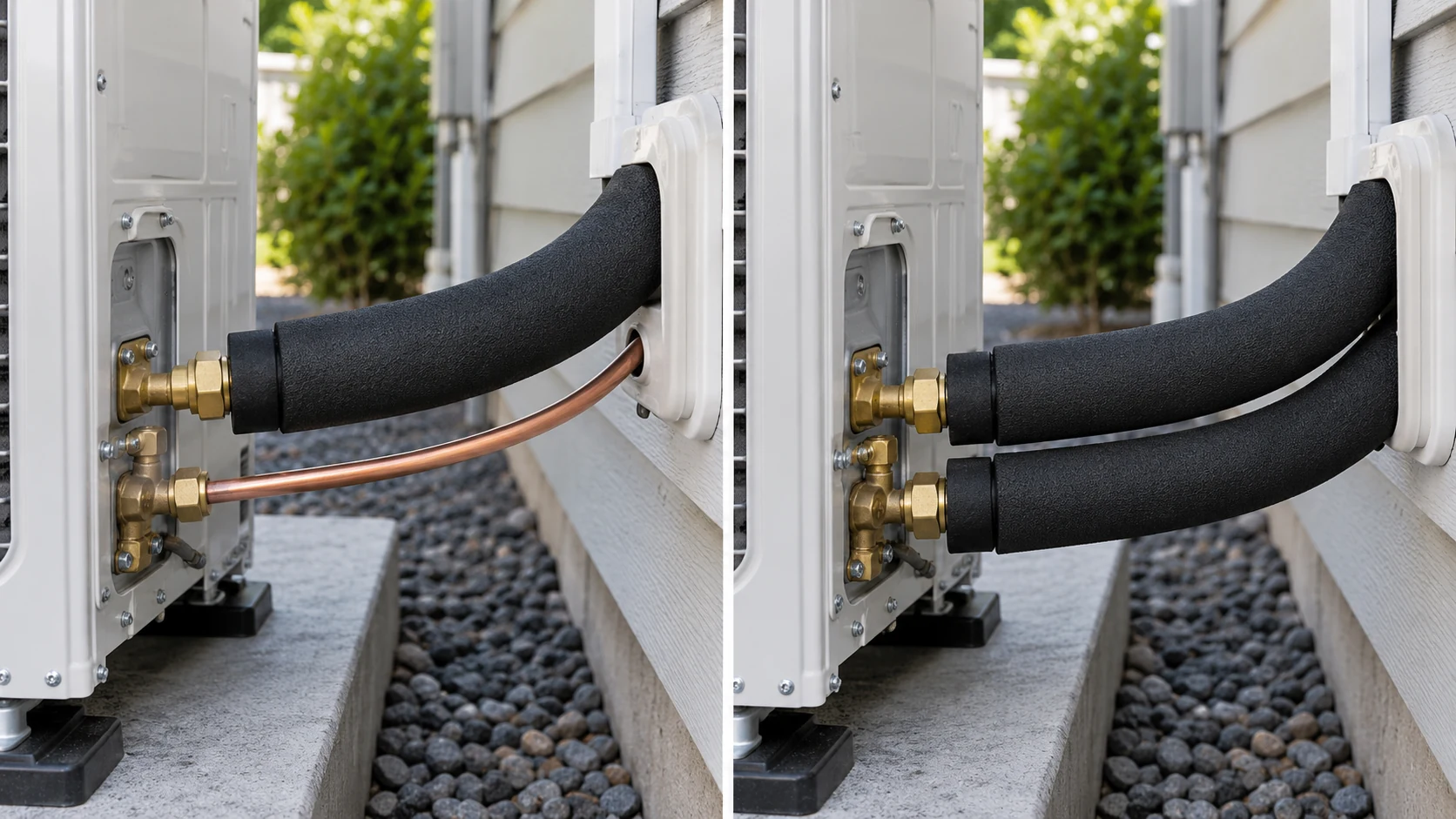
Do Both Refrigerant Lines Need Insulation?
FAQ
How do I choose the right insulation material for my project?
The right material depends on the application area, working temperature, fire rating requirements, thickness, density, moisture resistance, and acoustic or thermal performance needs. You can share your project use, size requirements, and installation environment, and our team will recommend suitable options.
What information should I provide to get a quotation?
To prepare an accurate quotation, please provide the product type, size, thickness, density or specification, quantity, application, destination port or country, and any special requirements such as fire rating, facing material, adhesive backing, or packaging.
What insulation products do you supply?
We supply rubber foam insulation, glass wool insulation, rock wool insulation, XPS insulation boards, acoustic foam products, and thermal insulation adhesive. These products are commonly used in HVAC systems, construction projects, industrial equipment, and acoustic applications.
service
Can you support OEM or private label orders?
Yes. We can support OEM and private label requirements such as customized packaging, labels, product specifications, and brand presentation for distributors, contractors, and project buyers.
Leave a message
Have any questions or concerns about our products? Please leave us a message here and our team will get back to you promptly.
Your queries, ideas, and collaboration opportunities are just a click away. Let’s start a conversation.


FUNAS Insulation Material
funasinsulation