
Can nitrile rubber insulation be used in extreme temperatures? | Insights by FUNAS
Explore the properties, applications, and considerations of nitrile rubber insulation in extreme temperatures, and discover how FUNAS can meet your thermal insulation needs.
Nitrile rubber insulation, also known as NBR insulation, is a closed-cell elastomeric foam widely used in thermal insulation applications. Its unique properties make it suitable for a range of temperatures, but understanding its limitations is crucial for optimal performance.
What is Nitrile Rubber Insulation?
Nitrile rubber insulation is a flexible material made from nitrile butadiene rubber, offering excellent thermal insulation properties. Its closed-cell structure provides resistance to moisture and vapor, making it ideal for applications where condensation control is essential. Additionally, it exhibits good resistance to oils, fuels, and certain chemicals, enhancing its durability in various environments.
Temperature Range of Nitrile Rubber Insulation
Nitrile rubber insulation typically operates effectively within a temperature range of -40°C to 105°C. This range allows it to prevent condensation on chilled water or refrigerant lines in sub-zero environments and reduce heat loss in high-temperature pipelines. However, exposure to temperatures beyond this range may compromise its structural integrity and thermal performance.
Thermal Conductivity and Energy Efficiency
One of the key advantages of nitrile rubber insulation is its low thermal conductivity, which ensures superior insulation with minimal material thickness. For instance, at -20°C, its thermal conductivity is ≤ 0.030 W/m·K, at 0°C, ≤ 0.032 W/m·K, and at 40°C, ≤ 0.037 W/m·K. This consistent thermal resistance helps lower system energy consumption, extend equipment life, and meet increasing demands for building energy efficiency certifications such as LEED and BREEAM.
Moisture Resistance and Fire Safety
Nitrile rubber insulation performs exceptionally well in high-humidity or moisture-prone environments, thanks to its high water vapor diffusion resistance factor (μ ≥ 10,000). This characteristic prevents condensation, inhibits mold growth, and protects the insulation layer from degradation. In terms of fire safety, nitrile rubber insulation complies with global fire safety standards, offering strong resistance to flame and smoke generation. For example, it has a combustion classification of Class B1 (B-s2, d0, t1) and a smoke toxicity level of ZA3 (Safe Level).
Applications Across Industries
Nitrile rubber insulation is versatile and used in various industries, including HVAC systems, refrigeration pipelines, and industrial fluid transport. Its ability to maintain flexibility and structural integrity over time, even under thermal cycling, makes it suitable for both hot and cold systems. Additionally, its resistance to oils, fuels, and certain chemicals enhances its durability in various environments.
Limitations and Considerations
While nitrile rubber insulation offers numerous benefits, it has limitations. Its temperature resistance typically ranges from -40°C to 100°C, making it unsuitable for extreme temperature environments beyond this range. For applications requiring higher temperature resistance, materials like silicone or fluorosilicone may be more appropriate.
Conclusion
Nitrile rubber insulation is a reliable and efficient material for thermal insulation in a wide range of applications. Understanding its properties, including temperature limitations, thermal conductivity, moisture resistance, and fire safety, is essential for selecting the appropriate insulation material for specific needs. For applications requiring insulation in extreme temperatures, consulting with insulation experts or considering alternative materials may be necessary.
Why Choose FUNAS for Your Thermal Insulation Needs?
FUNAS offers a comprehensive range of thermal insulation materials designed to meet diverse industry requirements. Our products are engineered for high performance, energy efficiency, and durability. With a commitment to quality and customer satisfaction, FUNAS provides tailored insulation solutions to ensure optimal thermal management in your applications.
By understanding the properties and limitations of nitrile rubber insulation, you can make informed decisions to enhance the efficiency and longevity of your systems.
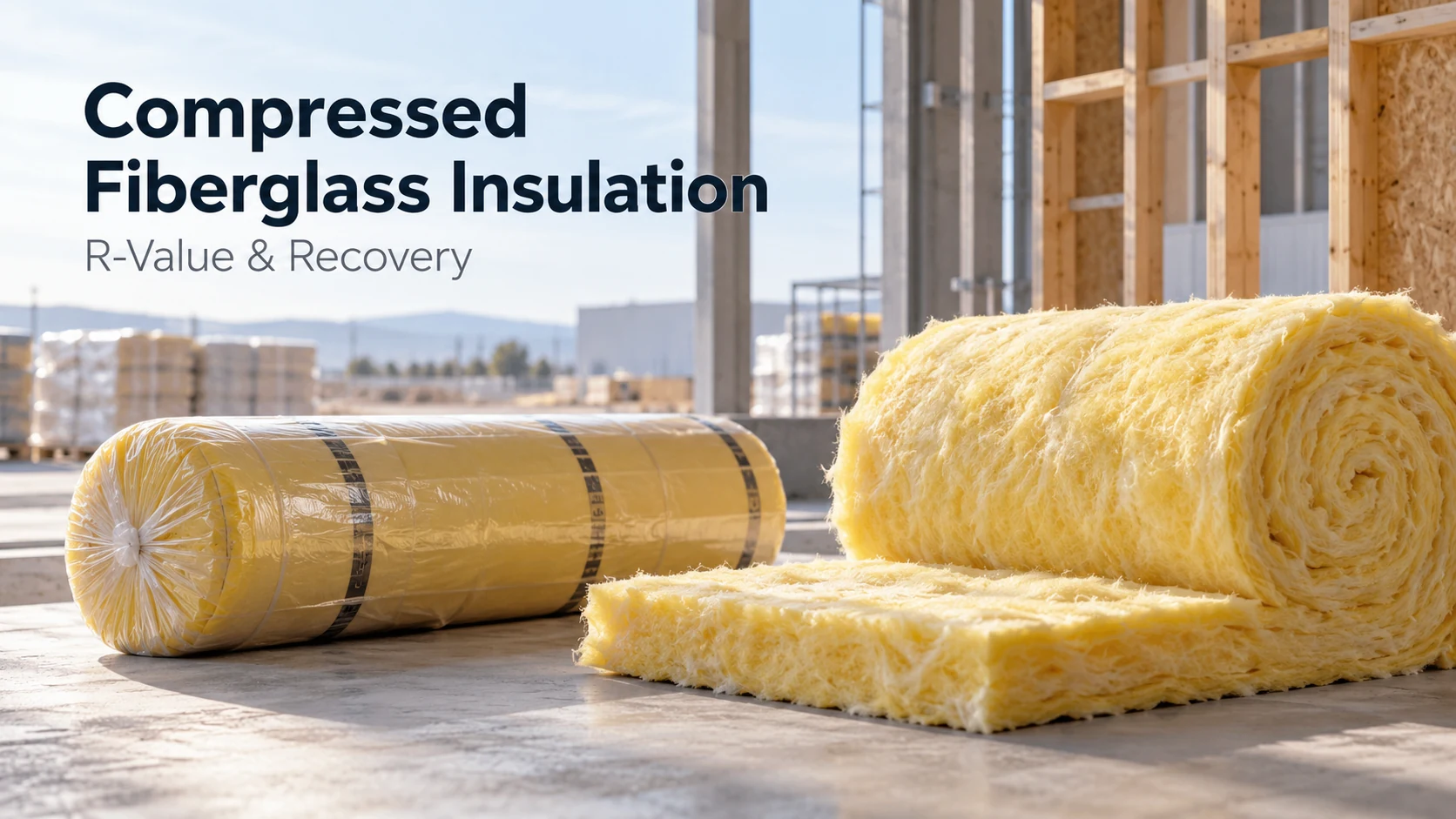
What Happens When Fiberglass (Glass Wool) Insulation Is Compressed?
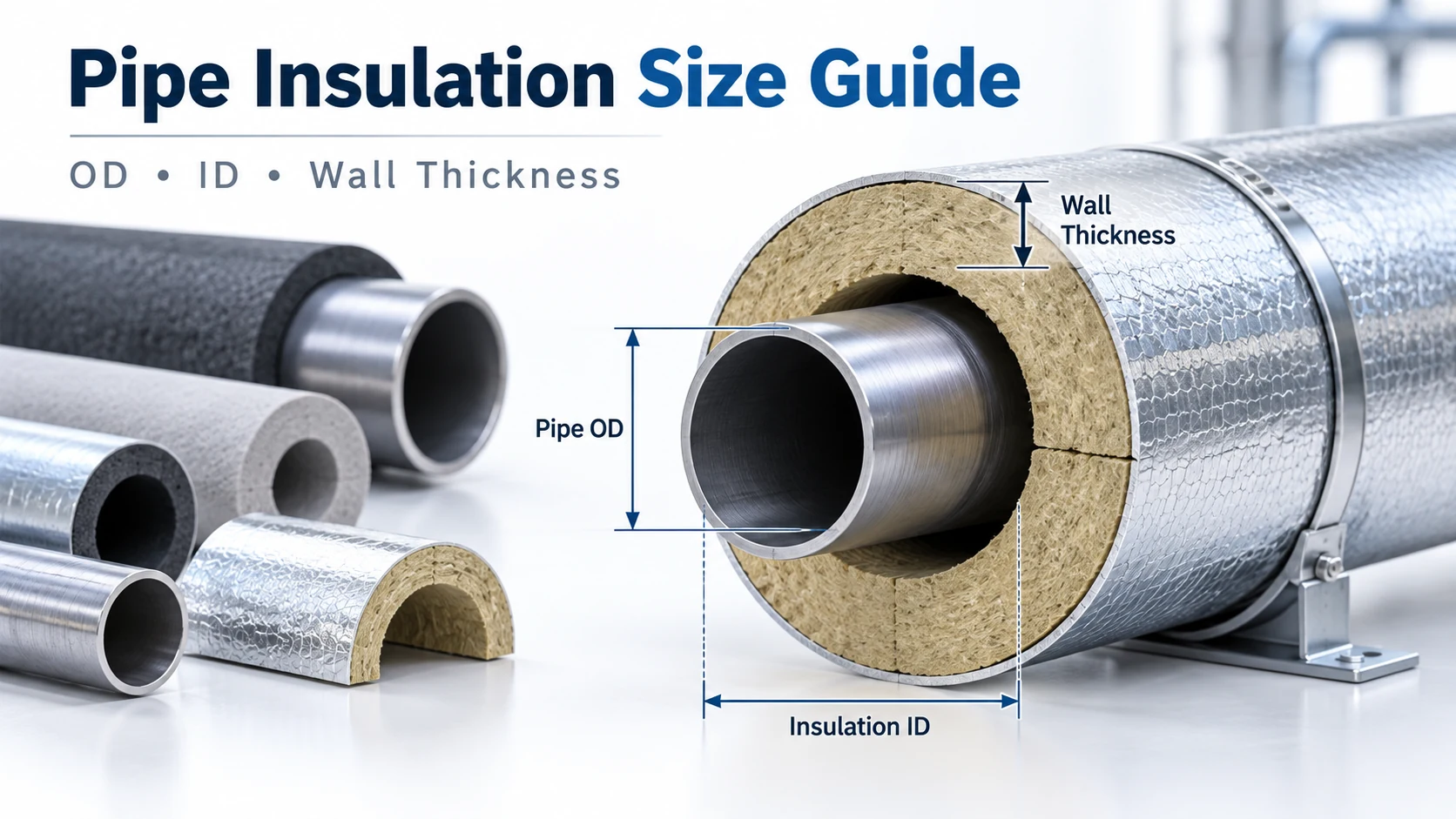
Pipe Insulation Size Guide: How to Match Pipe OD, Insulation ID and Wall Thickness
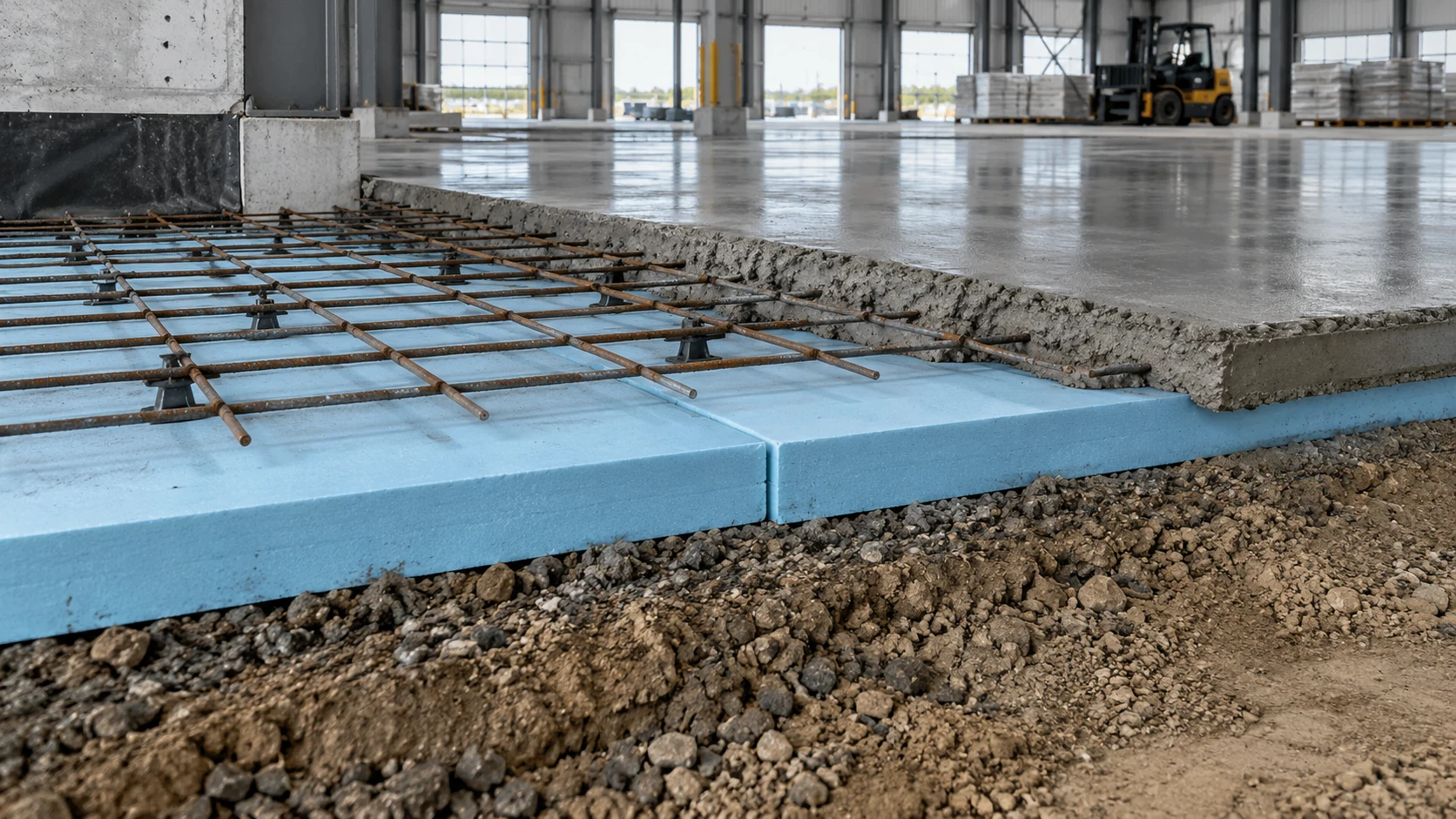
What XPS Compressive Strength Do I Need Under a Concrete Slab?
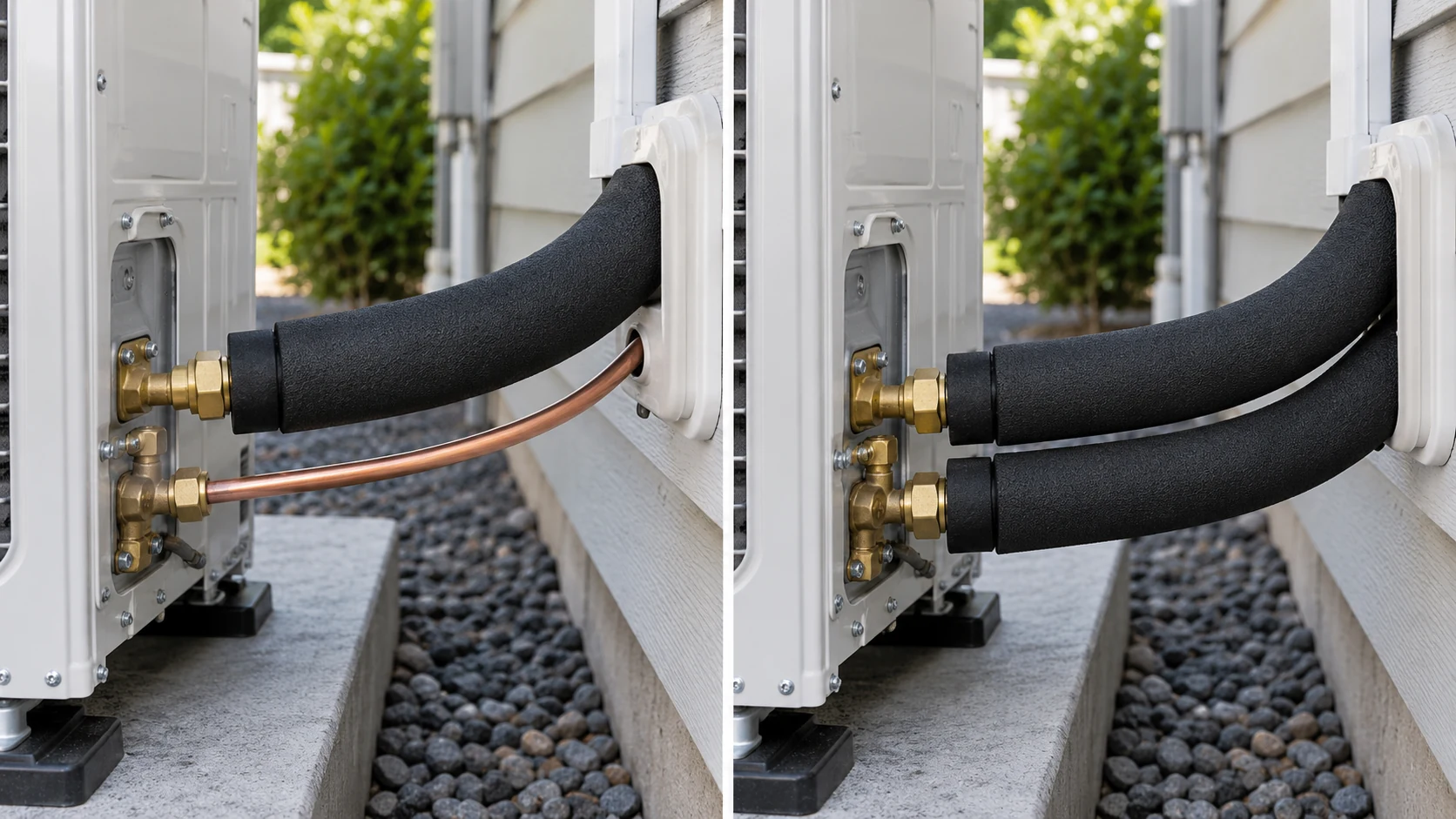
Do Both Refrigerant Lines Need Insulation?
service
What is your usual production and delivery time?
Delivery time depends on the product type, order quantity, customization requirements, and shipping destination. Standard products are usually faster to arrange, while customized or large-volume orders may require longer production time.
How do you pack insulation products for export?
Products are packed according to material type and shipping requirements. Common options include plastic bags, cartons, woven bags, pallets, or customized export packaging to help protect the goods during transportation.
Can you arrange international shipping?
Yes. We can help arrange international shipping by sea, air, or express depending on the order volume and delivery needs. We can also work with your appointed freight forwarder if required.
FAQ
What insulation products do you supply?
We supply rubber foam insulation, glass wool insulation, rock wool insulation, XPS insulation boards, acoustic foam products, and thermal insulation adhesive. These products are commonly used in HVAC systems, construction projects, industrial equipment, and acoustic applications.
Leave a message
Have any questions or concerns about our products? Please leave us a message here and our team will get back to you promptly.
Your queries, ideas, and collaboration opportunities are just a click away. Let’s start a conversation.


FUNAS Insulation Material
funasinsulation