






































Rock Wool vs Mineral Wool: Key Differences and Uses Explained

Saturday, 01/25/2025

Discover the essential differences between rock wool and mineral wool in our latest article by FUNAS. Understand their unique properties, applications, and advantages. Explore why choosing the right insulation matters for your projects. Dive into the world of rock wool vs mineral wool today and make informed decisions with expert insights.

Introduction

When choosing insulation materials for your construction or renovation project, two common options are often debated: rock wool and mineral wool. At the same time, the materials described above are different in their characteristics and are more appropriate for different uses. So, in this blog post, we’ll discuss rock wool vs. mineral wool, their composition, benefits, usage, and why one is preferable for your project.

What Is Rock Wool?

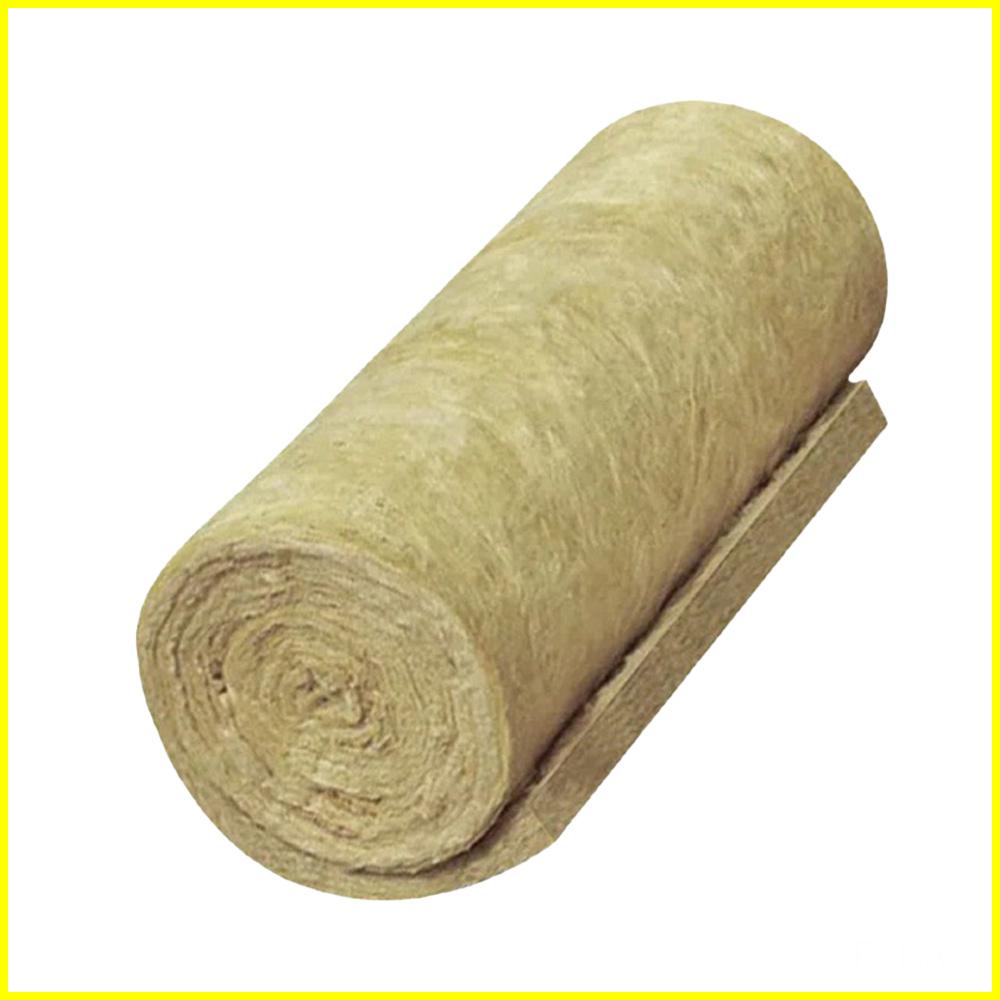
wholesale rock wool roll
Rock wool or stone wool is produced from natural basalt rocks and limestone. The fabrication of this rock is done by heating it to very high temperatures and then spinning it into very fine fibers to give a very compact material. It is mainly applied for thermal and acoustical insulation in residential, commercial, and industrial buildings.
 
Key Benefits of Rock Wool
Excellent Fire Resistance: Another advantage of rock wool is its high heat resistance; it can withstand temperatures up to 1000 °C. This makes it common fire protection in the buildings It is also used to protect structures from fire since it is easily molded.
Sound Insulation: Because of this characteristic, rock wool is also widely used in soundproofing applications since it has a high sound attenuation coefficient because of its compact structure.
Applications of Rock Wool
Commercial Buildings: Rock wool is widely used in commercial buildings for thermal insulation and fire protection.
Industrial Applications: It is suitable for use in the insulation of hot areas such as boilers, HVAC ducts, and industrial equipment.

What Is Mineral Wool?

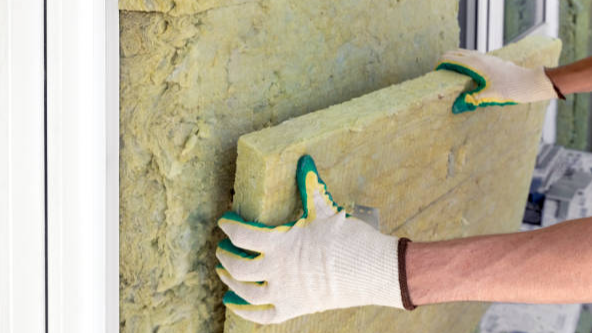
Best insulation mineral wool being installed.
Mineral wool is the general term for rock wool and slag wool. While slag wool is produced from waste products of the iron and steel industries, rock wool is obtained from natural rocks. They are alike in their properties but they are produced from different materials.
 
Key Benefits of Mineral Wool
Good Thermal Insulation: Mineral wool is very good in terms of thermal insulation, which helps to keep the heat inside during the cold season and outside during the hot season.
Moisture Resistance: In contrast to some other types of insulation, mineral wool does not absorb moisture, which can cause mold and mildew formation that is detrimental to the insulation as well as the structure of the building.
Applications of Mineral Wool
Residential Homes: Mineral wool is also used in homes for insulation of attics, walls, and basements.
Commercial Construction: Like rock wool, mineral wool is also applied to commercial buildings for regulation of temperature and sound.

Rock Wool vs Mineral Wool: Key Differences

Composition and Sourcing
The only key difference between rock wool and mineral wool is the raw material used in making the wool. Rock wool is derived from basalt and limestone, and mineral wool also includes slag wool, which is the waste product of steel manufacturing.
Insulation Properties
Although both materials have a good thermal and sound-insulating property, rock wool has slightly better performance in high temperature conditions since it has higher values of thermal and fire resistance. Mineral wool, however, may be slightly better in moisture resistance because of its material makeup.
Cost and Availability
The cost may be a decisive factor when comparing these materials. Mineral wool is considered cheaper and more accessible than rock wool, particularly for residential uses, while rock wool is costlier due to its better fire rating.
 

Which Is Better for Your Project?

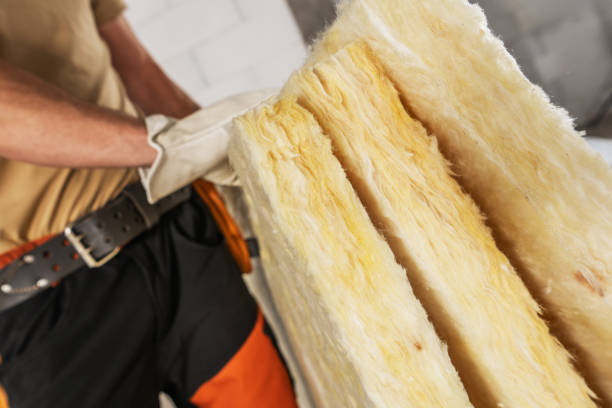
Worker holding insulation material against heat.
Choosing between rock wool and mineral wool ultimately depends on your specific needs and budget. Here are some considerations to help you decide:
 
For High Temperature Use
If you are insulating areas that are subjected to high temperatures or are prone to fire, such as industrial use or commercial buildings, then rock wool will probably be better for you because of its improved fire rating.
For Residential Insulation
If you are in the market for insulation for a standard usage in a home, mineral wool may be cheaper. It also provides good thermal insulation and soundproofing characteristics, which makes it suitable for use in homes.
For Soundproofing
Both materials are good for sound insulation, but due to its higher density, rock wool can give slightly improved sound insulation in areas where it is needed.

Conclusion

Rock wool and mineral wool are two types of insulation materials that are actually very similar; however, you have to choose the one that fits your project the most. Rock wool performs well at high temperatures and in cases of fire risks, while mineral wool is cheaper for normal housing insulation and management of moisture. In any case, both materials are exceptional insulators of heat and sound, which can be useful for many construction applications.
If you require superior-performing insulation solutions, FUNAS Insulation can be recommended as a thermal insulator supplier that offers efficient insulation products that can meet residential and industrial needs. For more on this and to get started with the next project, visit wholesale insulation material.

FAQs About Rock Wool and Mineral Wool

What are the main differences between rock wool and mineral wool?
Rock wool is made from natural basalt rock, while mineral wool can include both rock wool and slag wool, a by-product of steel production. The two materials offer similar benefits but differ slightly in composition and performance.
Can mineral wool be used for fire protection?
Yes, mineral wool has good fire-resistant properties but is typically not as fire-resistant as rock wool, which can withstand higher temperatures.
Is rock wool environmentally friendly?
Yes, rock wool is made from natural, abundant materials like basalt and limestone, making it a more eco-friendly option compared to other insulation materials.
Which is more cost-effective: rock wool or mineral wool?
Mineral wool tends to be more cost-effective than rock wool, especially for residential applications, though rock wool may be preferred for high-performance needs like fire protection.
Tags
rockwool fireproof insulation wholsale in Atlanta
rockwool fireproof insulation wholsale in San Jose
rockwool fireproof insulation wholsale in Houston
best vehicle sound deadening
automotive sound deadening mat
rockwool fireproof insulation wholsale in Las Vegas
Recommended for you
2026 Rubber Sheets Guide - FUNAS

Does sound insulation foam Actually Work in 2026? Ultimate guide About Blocking vs. Absorbing Noise
Does sound insulation foam Actually Work in 2026? Ultimate guide About Blocking vs. Absorbing Noise
69a28e98098b7 - FUNAS

Fiberglass vs. Rockwool: Which Soundproofing Insulation Material Wins for Acoustic Control?
Fiberglass vs. Rockwool: Which Soundproofing Insulation Material Wins for Acoustic Control?
699ebb3ad98f9 - FUNAS

Sound Insulation Foam vs. Acoustic Panels: Which One Actually Stops Noise? (2026 Guide)

Sound Insulation Foam vs. Acoustic Panels: Which One Actually Stops Noise? (2026 Guide)
7 Dangerous Mistakes to Avoid When Selecting insulating materials for Your Car (2026 Guide) - FUNAS

7 Dangerous Mistakes to Avoid When Selecting insulating materials for Your Car (2026 Guide)

7 Dangerous Mistakes to Avoid When Selecting insulating materials for Your Car (2026 Guide)
Prdoucts Categories
FAQ
FAQ
How do I choose the right insulation for my project?

Our team can help you choose the best material for heat insulation based on your specific needs, such as thermal resistance, acoustic properties, and environmental conditions.

service
What types of rubber foam insulation products do you offer?

We offer a wide range of rubber foam insulation products, including custom shapes and sizes, thermal and acoustic insulation solutions, and options with specialized coatings such as flame retardancy and water resistance. Our products are suitable for applications in HVAC, automotive, construction, and more.

Can I request custom dimensions or properties for my insulation needs?

Yes, we specialize in custom solutions. Whether you need specific dimensions, thicknesses, densities, or additional coatings, we can work with you to manufacture insulation products tailored to your exact requirements of good materials for heat insulation.

Are your rubber foam products environmentally friendly?

Yes, our insulation products are designed with sustainability in mind. They help reduce energy consumption by minimizing heat loss and gain, and they are made from durable materials that have a long life cycle, reducing the need for frequent replacement.

You might also like

Anggu adhesive - FUNAS

Wholesale Perfect Fire Resistant Performance High Strength Acoustic Mineral Wool Insulation Rock Wool Board Panel Plain Slab

Rock wool board, that is, a kind of exterior insulation material. When the market share of 90% of the organic thermal insulation materials in the stagnant wait-and-see, as a fire rating of A-class exterior insulation inorganic material rock wool, has ushered in an unprecedented market opportunity.
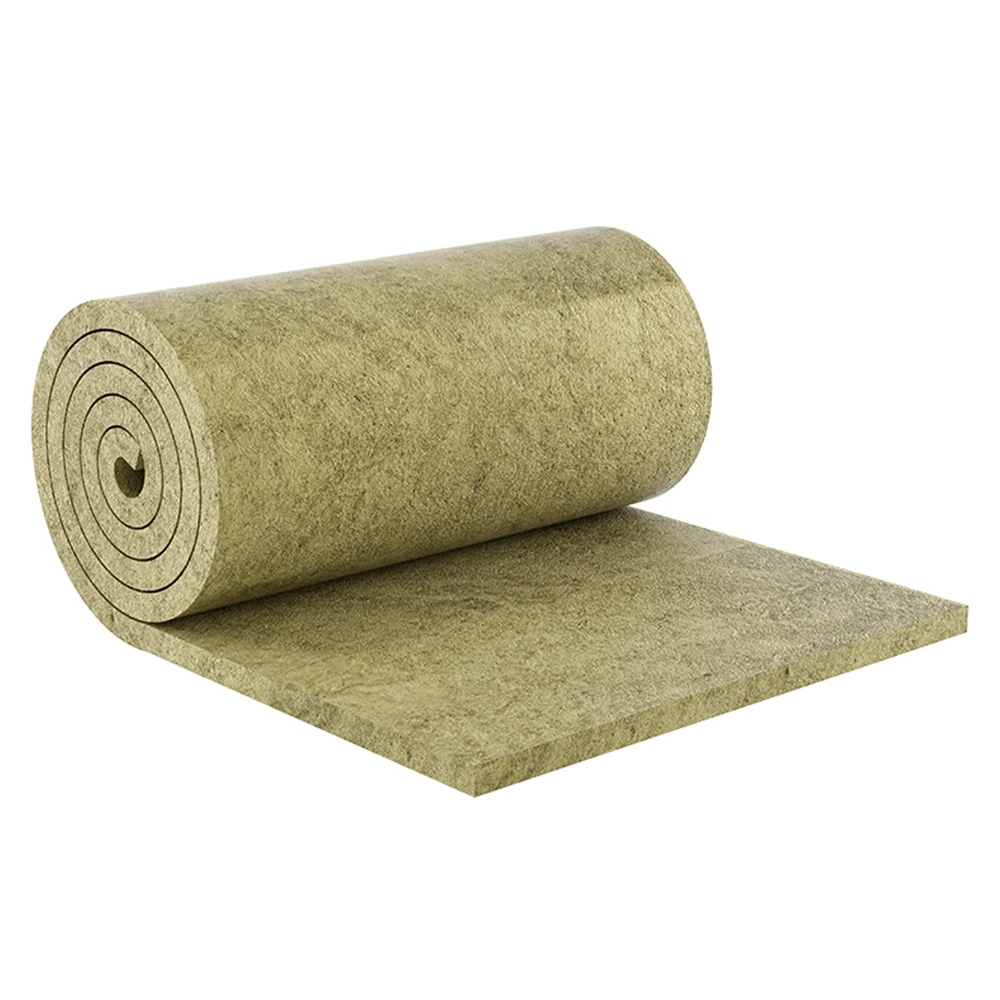
Wholesale Perfect Fire Resistant Performance High Strength Acoustic Mineral Wool Insulation Rock Wool Board Panel Plain Slab
rock wool board suppliers - FUNAS

Wholesale Rock Wool Mineral Wool Roll Blanket

Durable rock wool roll with outstanding fire resistance and insulation properties. Ideal for industrial and construction applications.
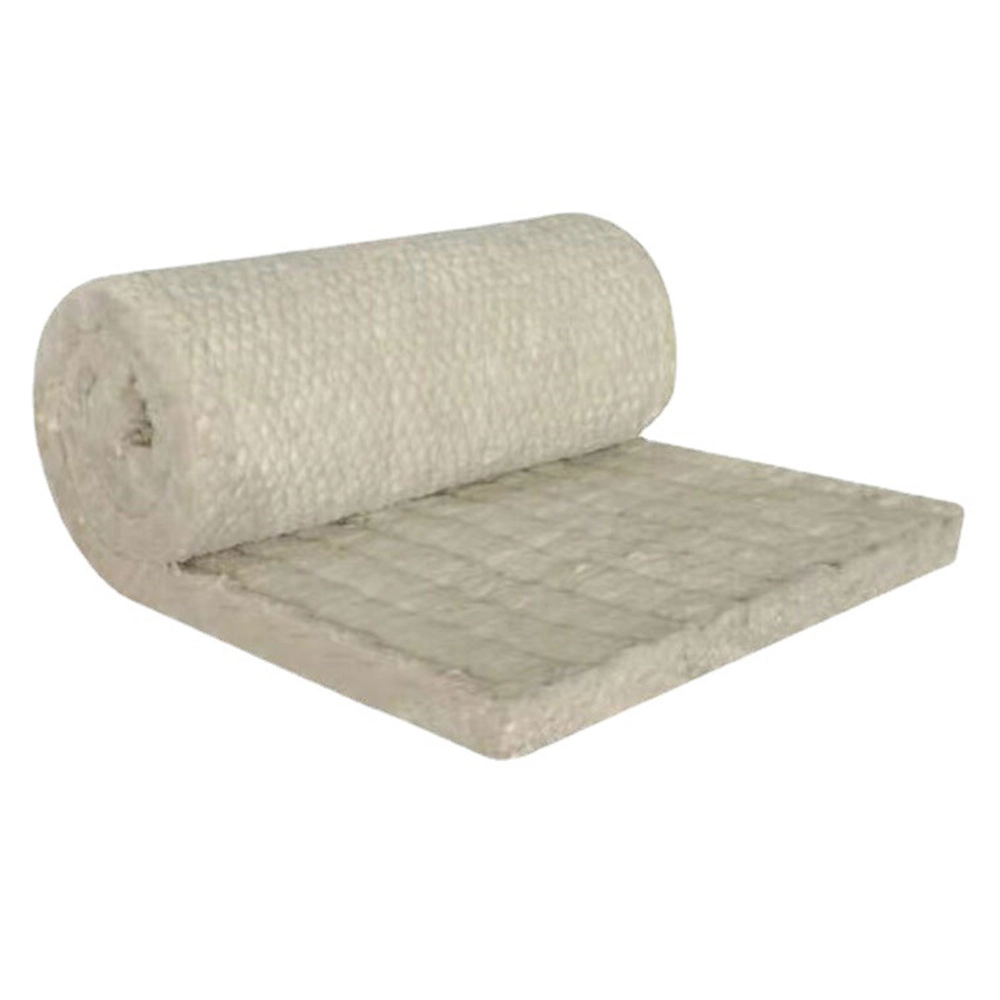
Wholesale Rock Wool Mineral Wool Roll Blanket
rock wool comfort board - FUNAS

Wholesale Perfect Fire Resistant Performance High Strength Acoustic Mineral Wool Insulation Rock Wool Roll Panel Plain Slab

Rock wool, that is, a kind of exterior insulation material. When the market share of 90% of the organic thermal insulation materials in the stagnant wait-and-see, as a fire rating of A- class exterior insulation inorganic material rock wool has ushered in an unprecedented market opportunity.

Wholesale Perfect Fire Resistant Performance High Strength Acoustic Mineral Wool Insulation Rock Wool Roll Panel Plain Slab
rock wool vs fiberglass - FUNAS

Wholesale Rock Wool Mineral Wool Board Panel Sheet

High-performance rock wool board for superior thermal and acoustic insulation. A reliable choice for building projects.

Wholesale Rock Wool Mineral Wool Board Panel Sheet
Thursday, 12/18/2025
How long does rubber foam insulation last?
Explore the properties, applications, and benefits of rubber foam insulation to make informed procurement decisions in the thermal insulation industry. Learn about its thermal conductivity, types, and advantages over traditional materials.
How long does rubber foam insulation last?
Wednesday, 12/17/2025
What affects rubber foam's thermal conductivity?
Explore the factors influencing rubber foam's thermal conductivity, its benefits, and how to select the right material for thermal insulation applications.
What affects rubber foam's thermal conductivity?
Tuesday, 12/16/2025
Is rubber foam suitable for HVAC duct insulation?
Explore the benefits, considerations, and applications of rubber foam insulation in HVAC ductwork, providing essential knowledge for professionals in the thermal insulation materials industry.
Is rubber foam suitable for HVAC duct insulation?
Monday, 12/15/2025
Why choose rubber foam over fiberglass insulation?
Explore the key differences between rubber foam and fiberglass insulation, including thermal performance, moisture resistance, cost, and installation considerations, to make informed decisions in thermal insulation procurement.
Why choose rubber foam over fiberglass insulation?

Leave a message

Have any questions or concerns about our products? Please leave us a message here and our team will get back to you promptly.

Your queries, ideas, and collaboration opportunities are just a click away. Let’s start a conversation.

Name must not exceed 100 characters.
Invalid email format or length exceeds 100 characters. Please re-enter.
Please enter a valid phone number!
Company Name must not exceed 150 characters.
Content must not exceed 3000 characters.
Contact customer service

How can we help?

Hi,

If you are interested in our products / thermal insulation solutions or have any doubts, please be sure to let us know so that we can help you better.

Name must not exceed 100 characters.
Invalid email format or length exceeds 100 characters. Please re-enter.
Please enter a valid phone number!
Company Name must not exceed 150 characters.
Content must not exceed 3000 characters.
×

Get a Free Quote

Hi,

If you are interested in our products / thermal insulation solutions or have any doubts, please be sure to let us know so that we can help you better.

Name must not exceed 100 characters.
Invalid email format or length exceeds 100 characters. Please re-enter.
Please enter a valid phone number!
Company Name must not exceed 150 characters.
Content must not exceed 3000 characters.
×

Send my request

Hi,

If you are interested in our products / thermal insulation solutions or have any doubts, please be sure to let us know so that we can help you better.

Name must not exceed 100 characters.
Invalid email format or length exceeds 100 characters. Please re-enter.
Please enter a valid phone number!
Company Name must not exceed 150 characters.
Content must not exceed 3000 characters.
×
English
English
Spanish
Spanish
Portuguese
Portuguese
Russian
Russian
French
French
Japanese
Japanese
German
German
Italian
Italian
Dutch
Dutch
Thai
Thai
Polish
Polish
Korean
Korean
Swedish
Swedish
hu
hu
Malay
Malay
Bengali
Bengali
Danish
Danish
Finnish
Finnish
Tagalog
Tagalog
Irish
Irish
Arabic
Arabic
Norwegian
Norwegian
Urdu
Urdu
Czech
Czech
Greek
Greek
Ukrainian
Ukrainian
Persian
Persian
Nepali
Nepali
Burmese
Burmese
Bulgarian
Bulgarian
Lao
Lao
Latin
Latin
Kazakh
Kazakh
Basque
Basque
Azerbaijani
Azerbaijani
Slovak
Slovak
Macedonian
Macedonian
Lithuanian
Lithuanian
Estonian
Estonian
Romanian
Romanian
Slovenian
Slovenian
Marathi
Marathi
Serbian
Serbian
Belarusian
Belarusian
Vietnamese
Vietnamese
Kyrgyz
Kyrgyz
Mongolian
Mongolian
Tajik
Tajik
Uzbek
Uzbek
Hawaiian
Hawaiian
Current language: