
















































The Best Types of Pipe Insulation to Use: A Complete Guide
Discover the best types of pipe insulation to use with FUNAS. Our complete guide explores top insulation materials, benefits, and applications to help you enhance energy efficiency and protect your pipes. Find expert tips for choosing the right pipe insulation today.
- 1. Fiberglass Pipe Insulation
- 2. Foam Pipe Insulation (Polyethylene or Polyurethane)
- 3. Rubber Pipe Insulation
- 4. Mineral Wool or Rock Wool Insulation
- 5. Cotton or Fabric Pipe Insulation
- 6. Aerogel Pipe Insulation
- 7. Reflective or Radiant Barrier Insulation
- Key Considerations When Choosing Pipe Insulation:
- Conclusion
1. Fiberglass Pipe Insulation
-
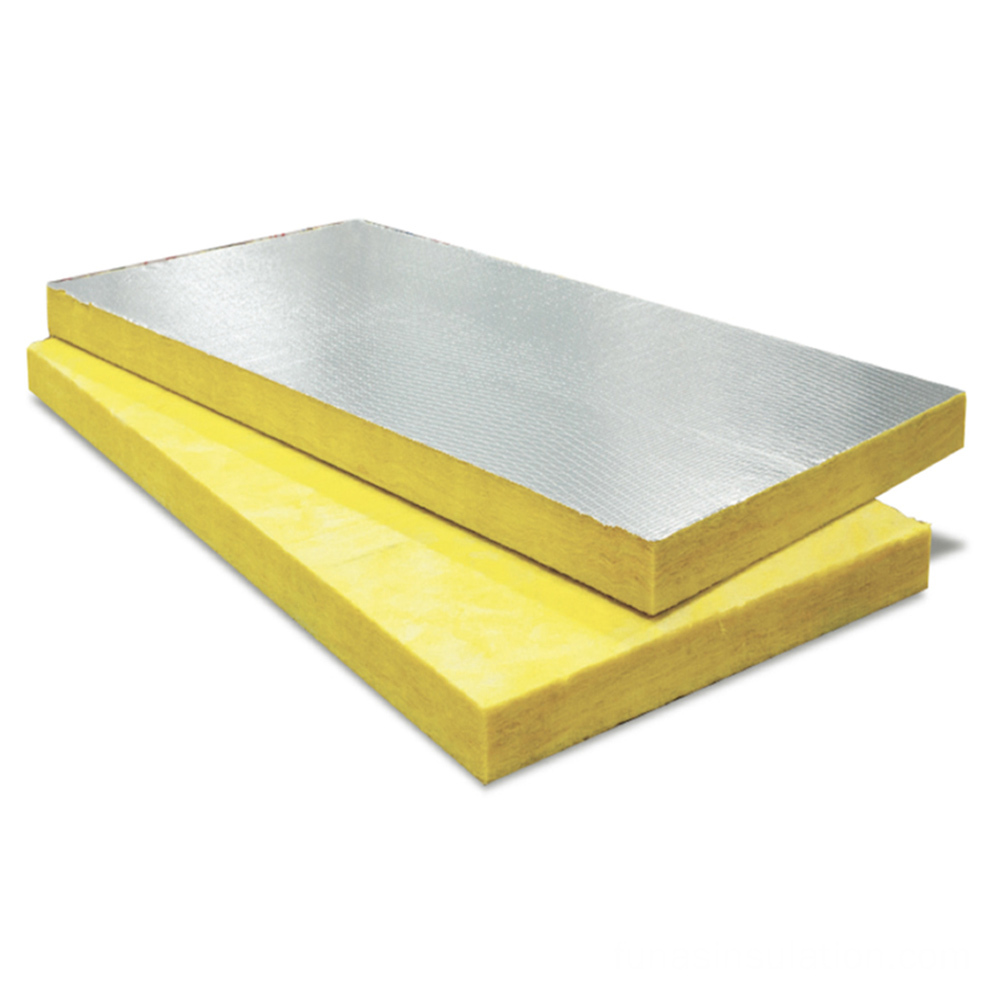
Material: Fiberglass insulation is one of the most common and affordable types. It consists of fine glass fibers that create a thermal barrier.
-
Advantages:
-
Offers good thermal resistance (R-value)
-
Resistant to fire and moisture
-
Comes in pre-formed pipe sections, making installation easier
-
-
Best For: Homes, commercial buildings, and industrial use where budget is a concern and moderate insulation is required.
2. Foam Pipe Insulation (Polyethylene or Polyurethane)
-
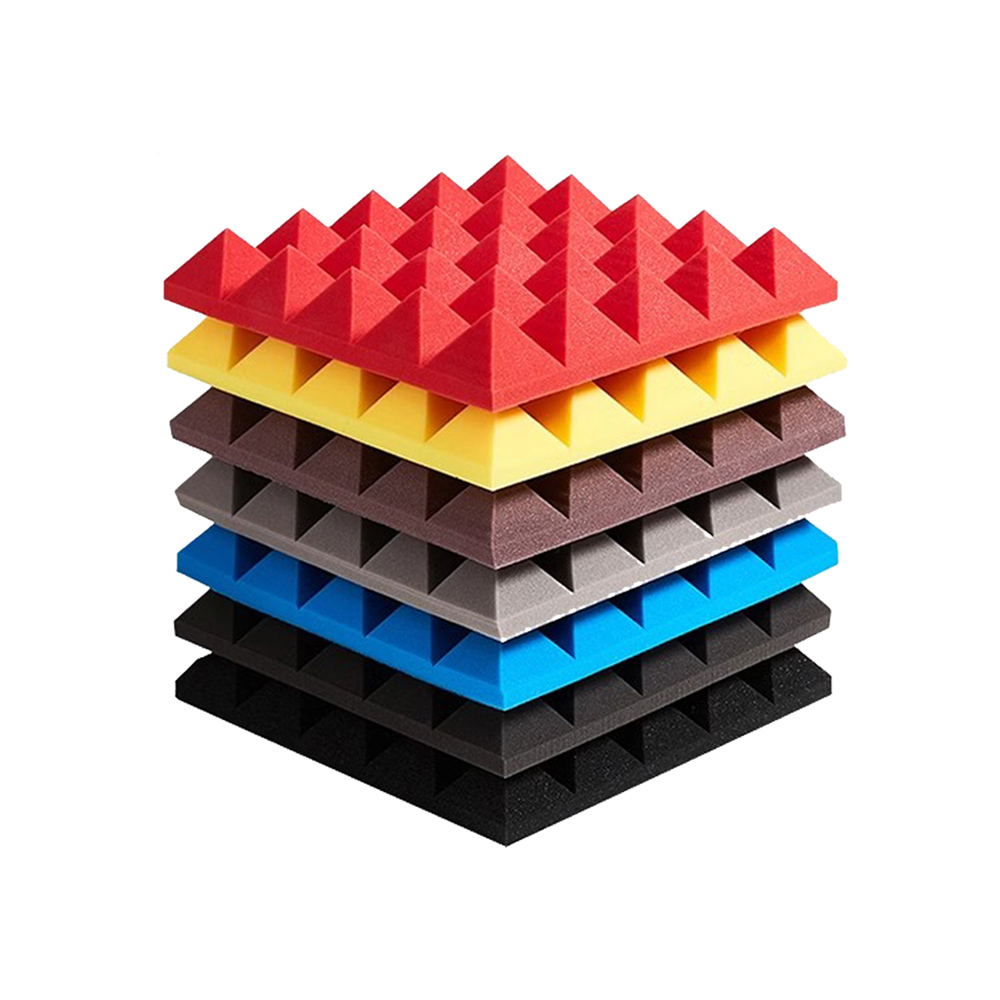
Material: Closed-cell foam such as polyethylene or polyurethane foam is an excellent choice for reducing heat loss and preventing condensation.
-
Advantages:
-
Excellent moisture resistance, making it ideal for high-humidity areas
-
High insulation value (R-value)
-
Flexible and easy to install
-
Resistant to mildew and mold growth
-
-
Best For: Homes, plumbing systems, and HVAC applications where energy efficiency and moisture protection are priorities.
3. Rubber Pipe Insulation
-
Material: Rubber insulation is often used in industrial and commercial applications, providing exceptional durability and resistance to extreme temperatures.
-
Advantages:
-
Flexible and easy to install
-
Withstands high temperatures better than most foam insulations
-
Water-resistant and durable
-
Provides both thermal insulation and noise reduction
-
-
Best For: Commercial HVAC systems, industrial pipelines, or pipes that are exposed to high heat and pressure.
4. Mineral Wool or Rock Wool Insulation

-
Material: Mineral wool or rock wool is made from natural minerals and is often used in areas where fire protection is critical.
-
Advantages:
-
Excellent fire-resistant properties (up to 1,200°F)
-
Provides soundproofing benefits
-
Moisture resistant
-
Good thermal resistance
-
-
Best For: Commercial buildings, fireproofed spaces, or areas where soundproofing is important (e.g., apartments, offices).
5. Cotton or Fabric Pipe Insulation
-
Material: Made from recycled cotton or other natural fibers, this type of insulation is an eco-friendly option for those concerned about sustainability.
-
Advantages:
-
Environmentally friendly, made from recycled or natural materials
-
Can be a good option for insulated pipes that need an aesthetic touch
-
Typically used for low-temperature applications
-
-
Best For: Residential buildings with mild climates or as a decorative insulation option in visible areas.
6. Aerogel Pipe Insulation
-
Material: Aerogel insulation is a newer material that offers outstanding thermal resistance while being incredibly thin and lightweight.
-
Advantages:
-
Extremely high R-value despite being very thin
-
Highly moisture resistant
-
Offers excellent insulation even in space-constrained areas
-
-
Best For: High-tech applications, space-limited environments, or industrial settings requiring maximum insulation with minimal space.
7. Reflective or Radiant Barrier Insulation
-
Material: Reflective or radiant barrier insulation typically consists of a layer of aluminum foil backed by foam or cardboard, designed to reflect heat away.
-
Advantages:
-
Great for reflecting radiant heat away from pipes
-
Effective in hot climates for preventing heat gain
-
Lightweight and easy to install
-
-
Best For: Homes or buildings in hot climates, especially for hot water pipes, to reduce energy use in cooling systems.
Key Considerations When Choosing Pipe Insulation:
Conclusion

Does sound insulation foam Actually Work in 2026? Ultimate guide About Blocking vs. Absorbing Noise
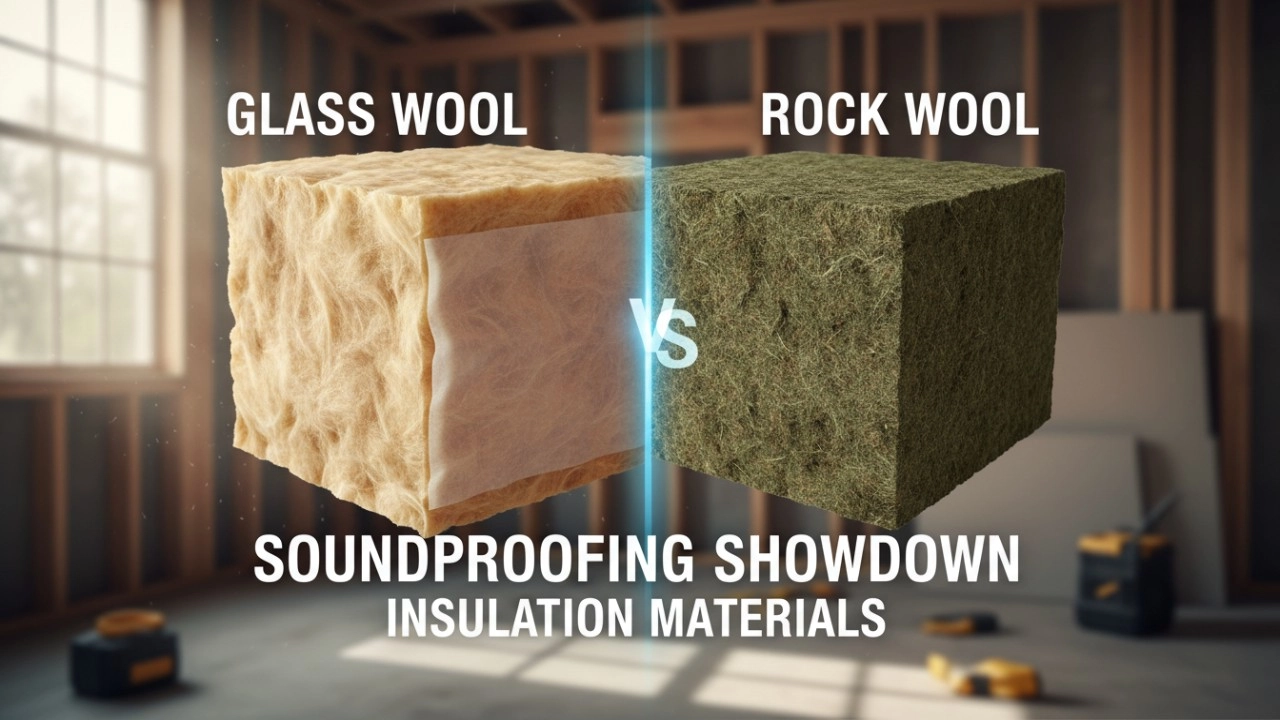
Fiberglass vs. Rockwool: Which Soundproofing Insulation Material Wins for Acoustic Control?
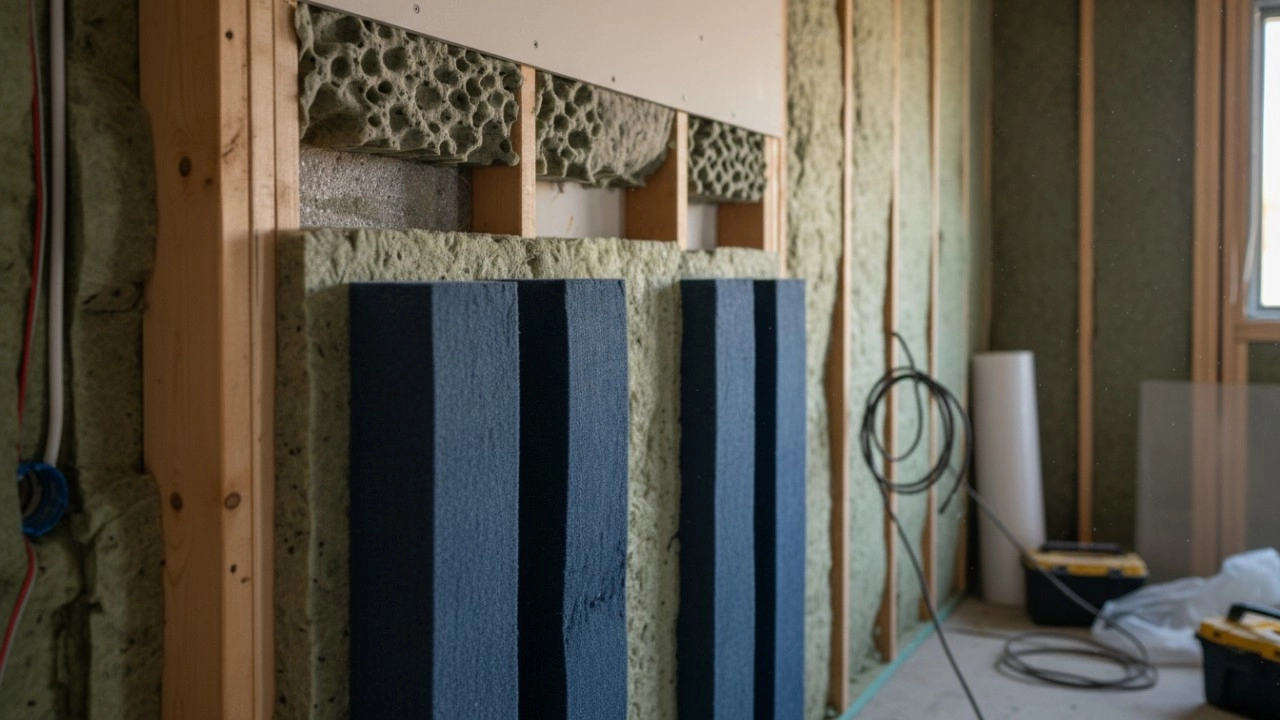
Sound Insulation Foam vs. Acoustic Panels: Which One Actually Stops Noise? (2026 Guide)
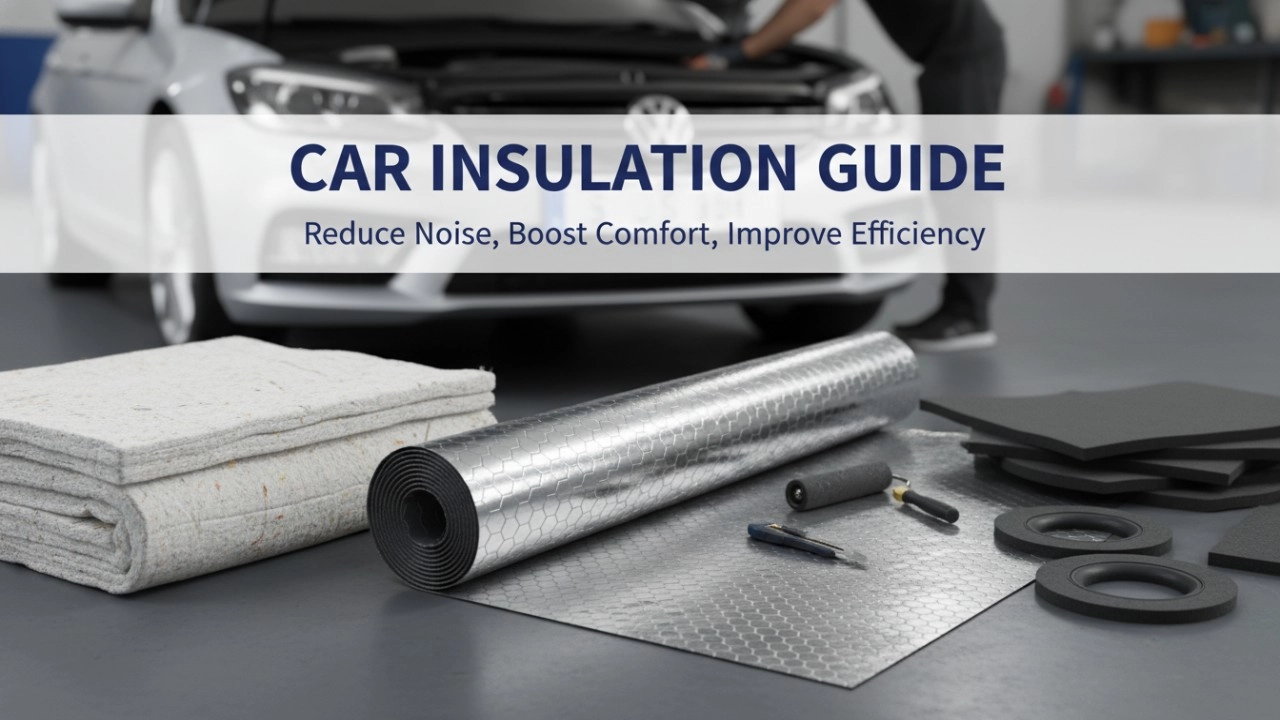
7 Dangerous Mistakes to Avoid When Selecting insulating materials for Your Car (2026 Guide)
FAQ
What is the typical delivery time for custom orders?
Our daily production capacity is 800 cubic meters. Delivery time varies depending on the complexity of the insulation material wholesale order, but we can deliver large quantities of customized products within 4-6 weeks after the approval date, and small quantities can be delivered within 15 days.
Can your insulation products be customized?
Yes, we offer customized solutions for insulation material wholesale to meet the specifications of your project, including custom specifications, sizes, foils and adhesives, colors, etc.
What types of rubber foam insulation do you offer?
We offer a wide range of rubber foam insulation with different thicknesses and specifications. Thermal insulation material manufacturer FUNAS sleeves and sheets are suitable for different application scenarios.
service
What types of rubber foam insulation products do you offer?
We offer a wide range of rubber foam insulation products, including custom shapes and sizes, thermal and acoustic insulation solutions, and options with specialized coatings such as flame retardancy and water resistance. Our products are suitable for applications in HVAC, automotive, construction, and more.
You might also like
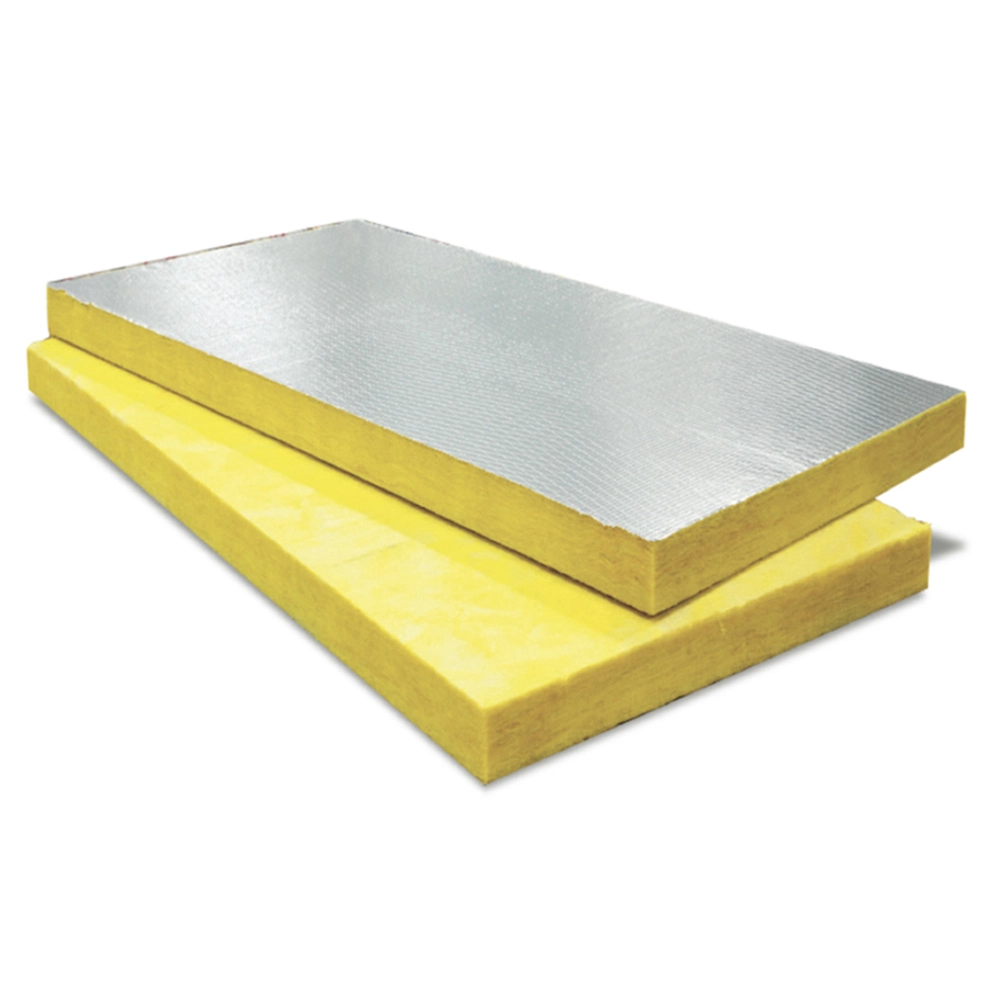
Wholesale Roof And Wall Thermal Heat Insulation 50mm Thickness Aluminum Foil Fiberglass Insulation Panel Board Glass Wool Price
Glass wool is the molten glass fiber, the formation of cotton-like material, chemical composition belongs to the glass category, is a kind of inorganic fiber. With good molding, small volume density, thermal conductivity both, thermal insulation, sound absorption performance is good, corrosion resistance, chemical stability and so on.
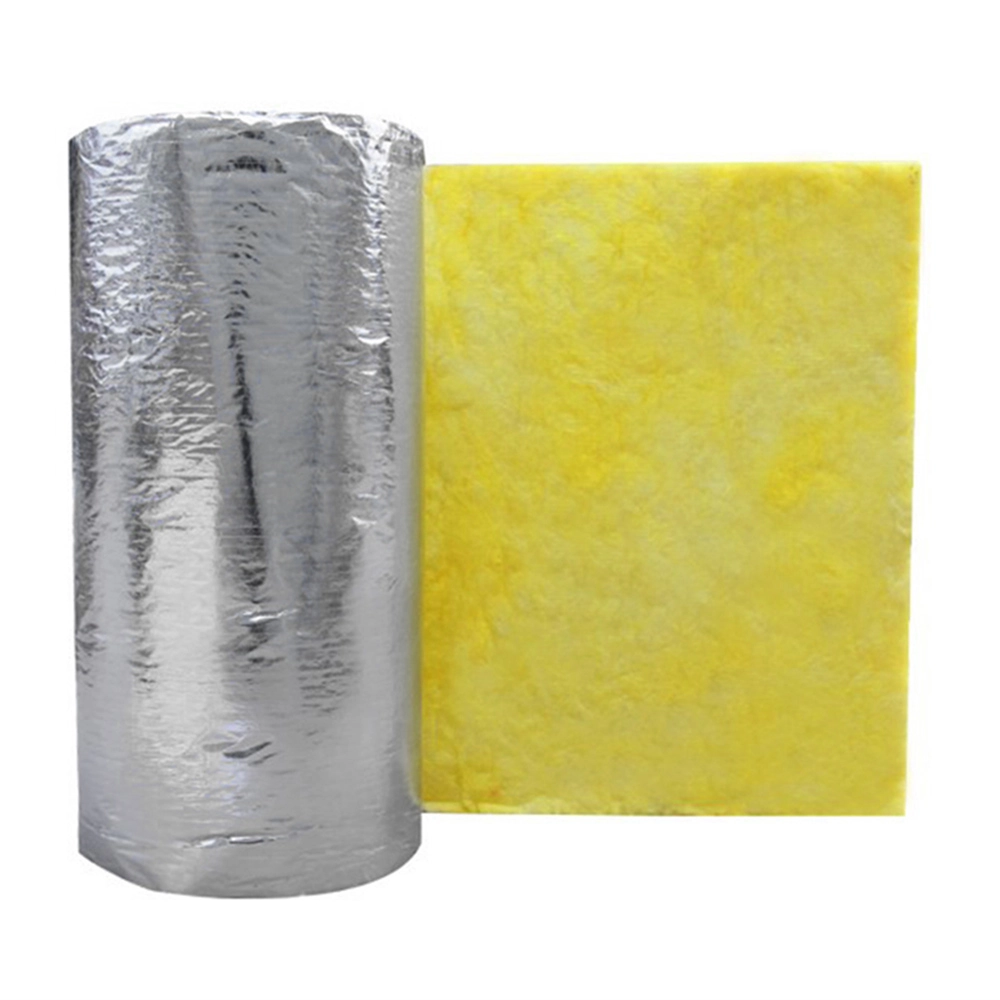
Wholesale Roof And Wall Thermal Heat Insulation 50mm Thickness Aluminum Foil Fiberglass Insulation Roll Glass Wool
Glass wool is the molten glass fiber, the formation of cotton-like material, chemical composition belongs to the glass category, is a kind of inorganic fiber. With good molding, small volume density, thermal conductivity both, thermal insulation, sound absorption performance is good, corrosion resistance, chemical stability and so on.
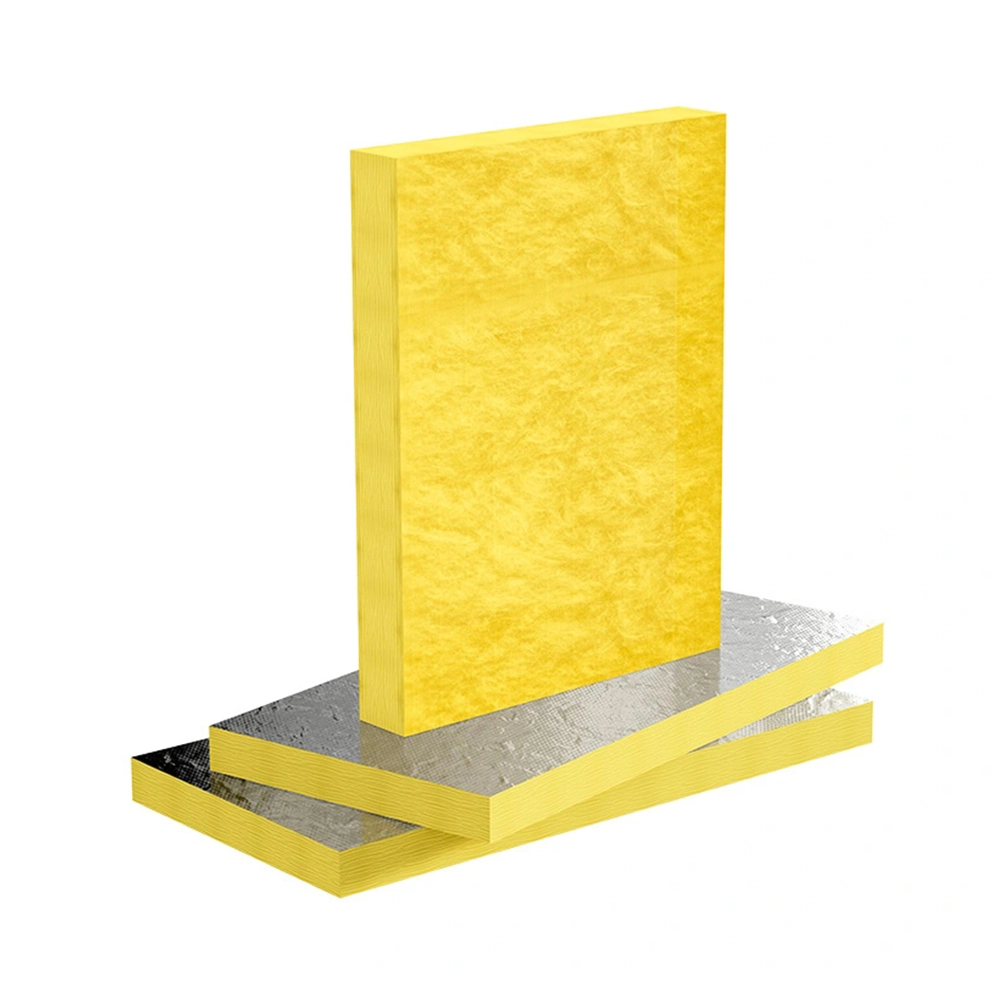
Wholesale Glass Wool Board Panel Sheet with or without aluminum foil
Premium glass wool board with excellent thermal insulation and sound absorption. Suitable for different construction needs.
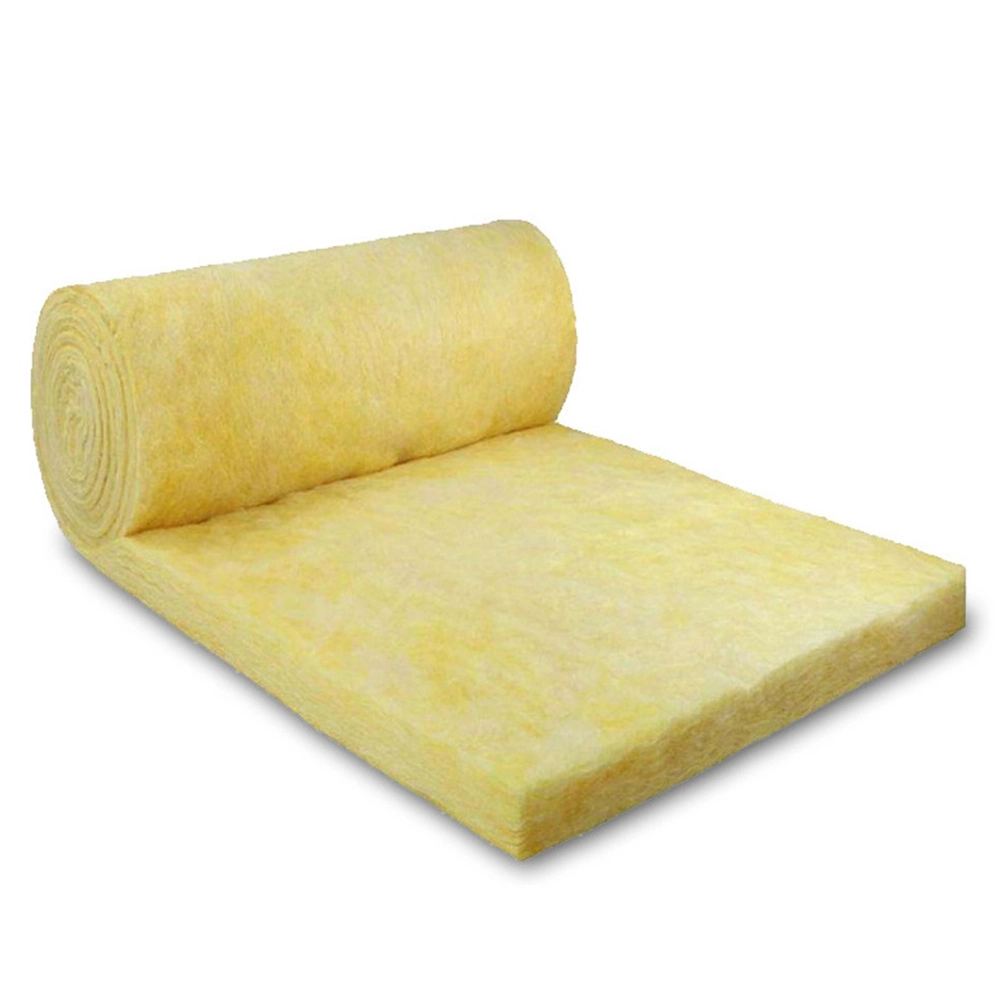
Wholesale Glass Wool Roll Blanket with or without aluminum foil
Convenient glass wool roll for easy installation. Provides effective insulation and noise reduction.
Leave a message
Have any questions or concerns about our products? Please leave us a message here and our team will get back to you promptly.
Your queries, ideas, and collaboration opportunities are just a click away. Let’s start a conversation.
