
Which insulation material is best for pipe protection? | Insights by FUNAS
Explore the top pipe insulation materials, their benefits, and considerations to make an informed decision for your thermal insulation needs.
Comprehensive Guide to Pipe Insulation Materials: Choosing the Best for Your Needs
When it comes to protecting your pipes from temperature fluctuations, selecting the appropriate insulation material is crucial. This guide delves into the top five pipe insulation materials, their advantages, and considerations to help you make an informed decision.
1. Fiberglass Insulation
Overview:
Fiberglass insulation is renowned for its high heat resistance, making it ideal for both hot and cold water pipes. It's particularly effective in maintaining the temperature of hot water in copper pipes.
Advantages:
- High Thermal Resistance: Excellent for hot water pipes.
- Fire Resistance: Adds an extra layer of safety.
- Versatility: Suitable for various pipe types.
Considerations:
- Cost: Higher than some alternatives, approximately $1.50 per linear foot.
- Installation: Requires protective gear to prevent skin irritation.
- Moisture Sensitivity: Can lose effectiveness if exposed to moisture.
2. Rubber Insulation
Overview:
Rubber insulation offers flexibility and durability, making it suitable for both hot and cold pipes. It's compatible with copper, PVC, and iron pipes.
Advantages:
- Flexibility: Easily adapts to various pipe shapes.
- Moisture Resistance: Prevents mold and condensation.
- Fire-Rated: Provides added safety.
Considerations:
- Cost: Slightly higher, around $1 per linear foot.
- Installation: May require professional assistance.
3. Mineral Wool Insulation
Overview:
Mineral wool, or rock wool, is made from natural rock fibers and is known for its fire-resistant properties. It's suitable for both hot and cold pipes and can withstand temperatures over 650°F.
Advantages:
- Fire Resistance: Withstands high temperatures.
- Sound Dampening: Reduces noise transmission.
- Sustainability: Often made from recycled materials.
Considerations:
- Health Risks: Fine fibers can be hazardous if inhaled.
- Cost: Higher than some alternatives.
4. Polyethylene Foam Insulation
Overview:
Polyethylene foam is a lightweight and cost-effective insulation material, commonly used to prevent freezing in domestic water supply pipes.
Advantages:
- Affordability: Budget-friendly option.
- Ease of Installation: Lightweight and easy to handle.
- Water Resistance: Prevents water damage and pipe corrosion.
Considerations:
- Temperature Limitations: Less effective for high-temperature applications.
- Durability: May not last as long as other materials.
5. Spray Foam Insulation
Overview:
Spray foam insulation is applied as a liquid and expands to form an airtight seal, making it ideal for irregularly shaped pipes and hard-to-reach areas.
Advantages:
- Seamless Application: Fills gaps and voids effectively.
- Air and Moisture Barrier: Prevents condensation and heat loss.
- Versatility: Suitable for various pipe configurations.
Considerations:
- Professional Installation: Typically requires expert application.
- Cost: Higher initial investment.
Conclusion:
Selecting the right pipe insulation material depends on factors such as pipe type, location, temperature requirements, and budget. Assessing these factors will guide you to the most suitable choice for your needs.
About FUNAS:
FUNAS is a leading provider of high-quality thermal insulation materials, offering a range of products designed to meet diverse application requirements. With a commitment to innovation and customer satisfaction, FUNAS ensures optimal performance and energy efficiency in all its insulation solutions.
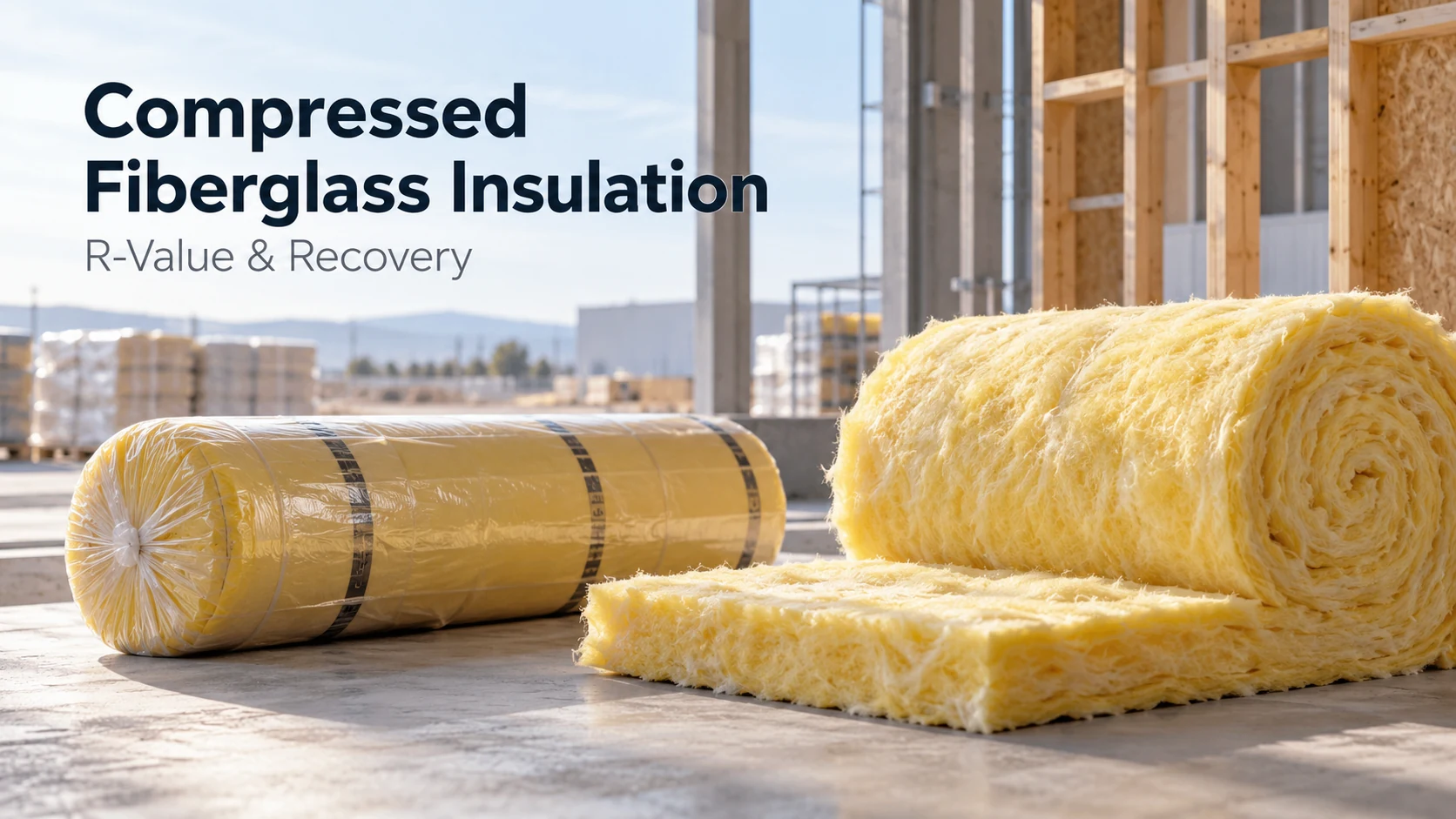
What Happens When Fiberglass (Glass Wool) Insulation Is Compressed?
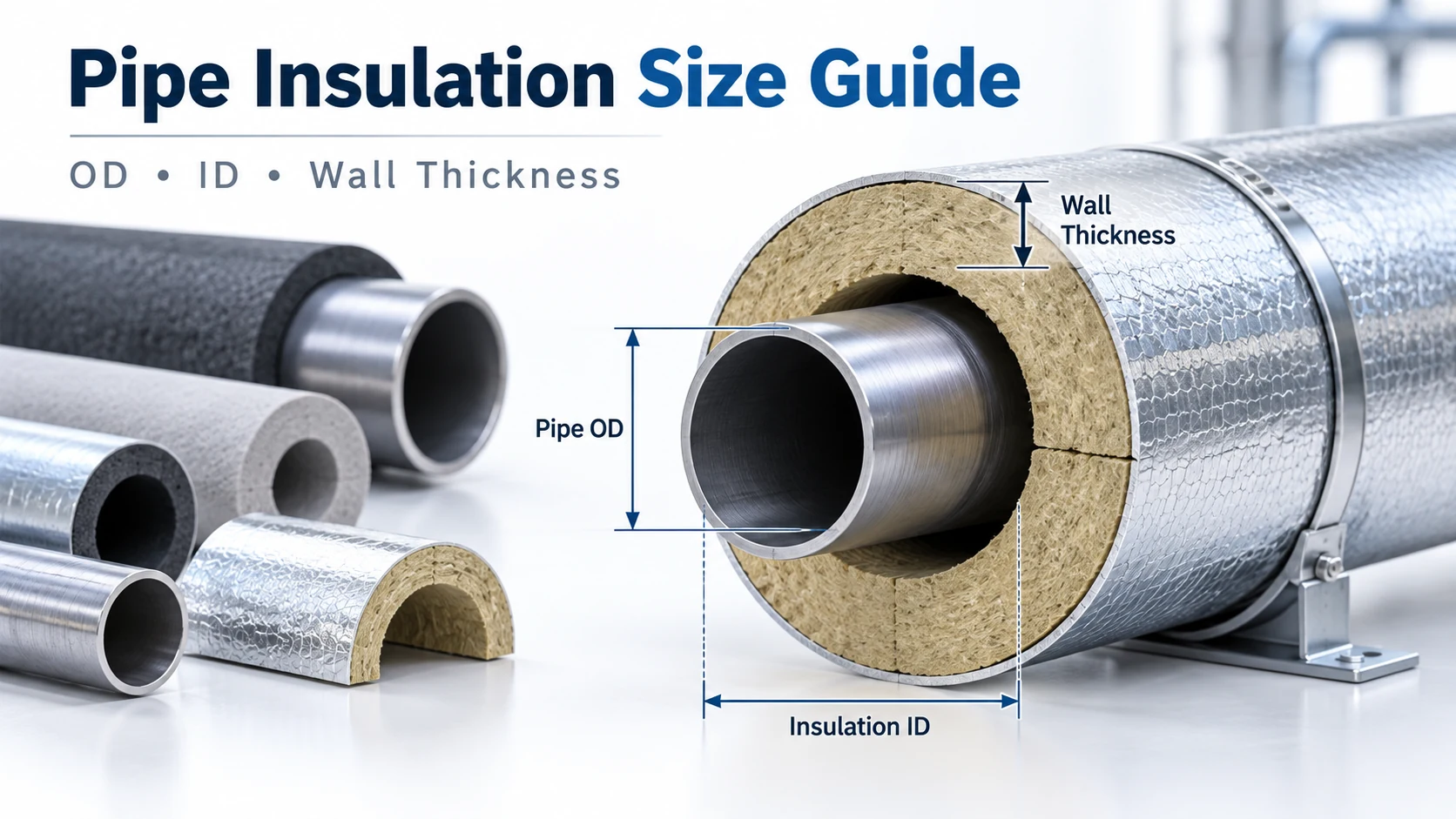
Pipe Insulation Size Guide: How to Match Pipe OD, Insulation ID and Wall Thickness
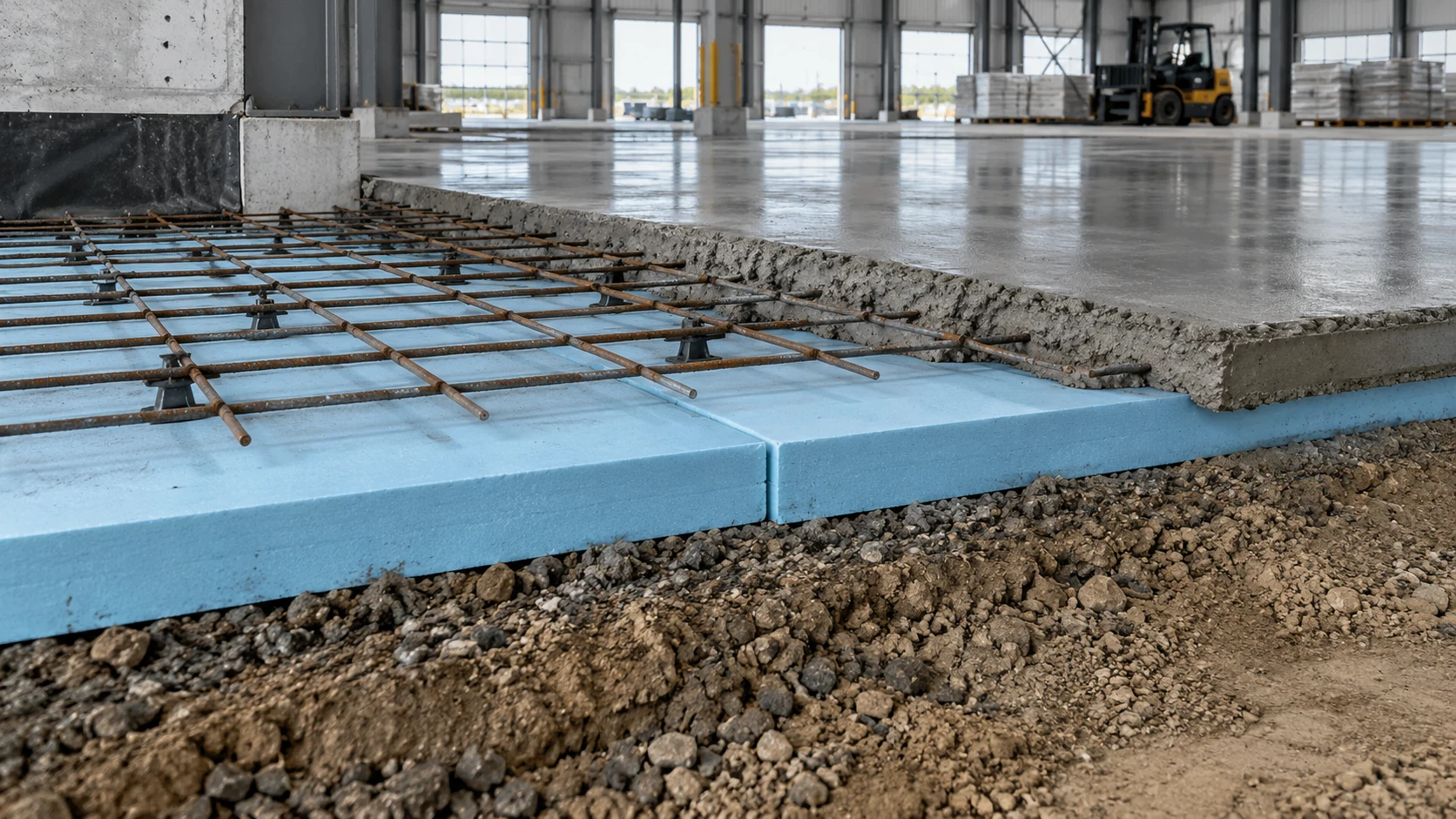
What XPS Compressive Strength Do I Need Under a Concrete Slab?
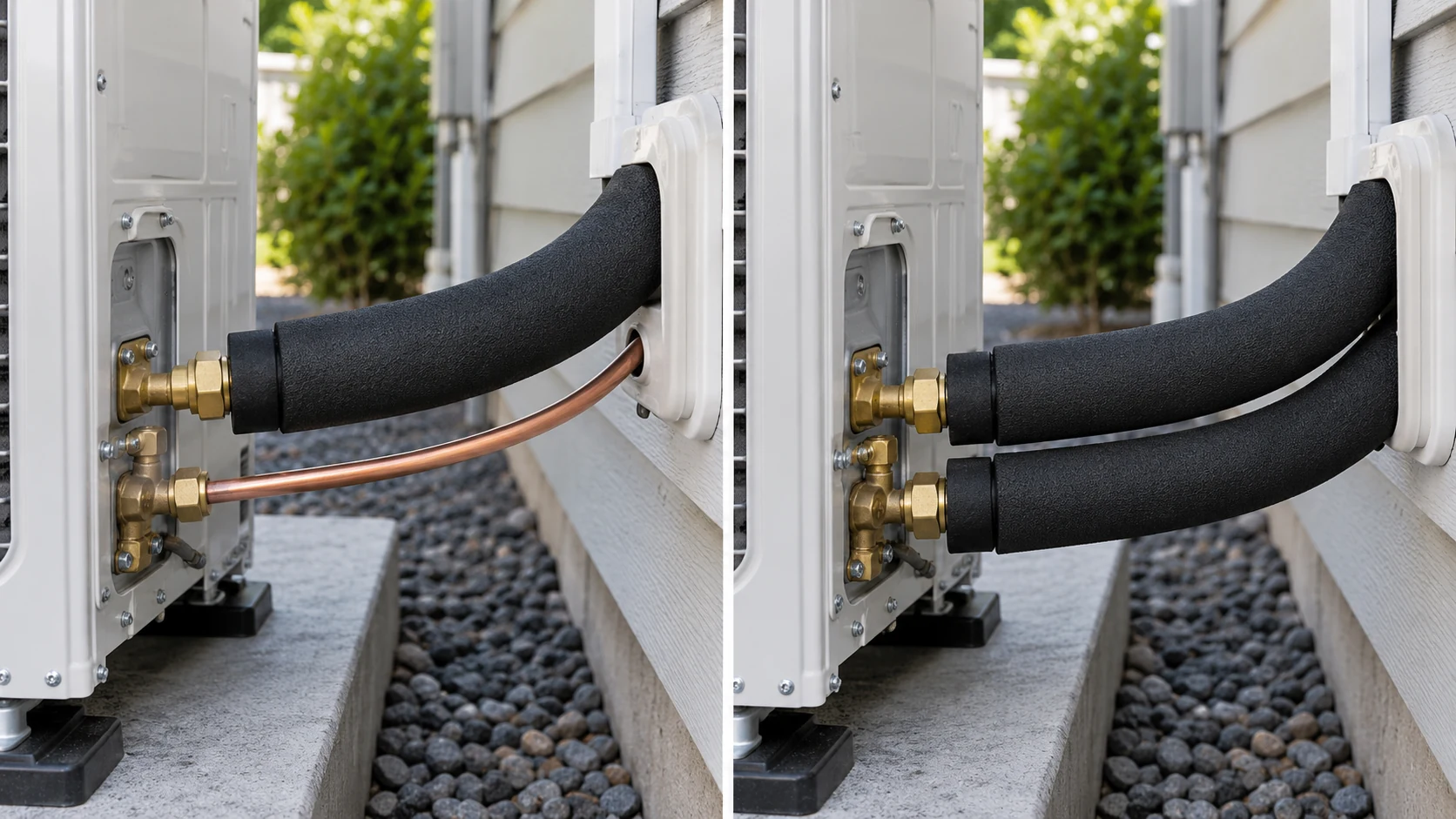
Do Both Refrigerant Lines Need Insulation?
FAQ
How do I choose the right insulation material for my project?
The right material depends on the application area, working temperature, fire rating requirements, thickness, density, moisture resistance, and acoustic or thermal performance needs. You can share your project use, size requirements, and installation environment, and our team will recommend suitable options.
service
How do you pack insulation products for export?
Products are packed according to material type and shipping requirements. Common options include plastic bags, cartons, woven bags, pallets, or customized export packaging to help protect the goods during transportation.
Can you support OEM or private label orders?
Yes. We can support OEM and private label requirements such as customized packaging, labels, product specifications, and brand presentation for distributors, contractors, and project buyers.
Can you arrange international shipping?
Yes. We can help arrange international shipping by sea, air, or express depending on the order volume and delivery needs. We can also work with your appointed freight forwarder if required.
Leave a message
Have any questions or concerns about our products? Please leave us a message here and our team will get back to you promptly.
Your queries, ideas, and collaboration opportunities are just a click away. Let’s start a conversation.


FUNAS Insulation Material
funasinsulation