


















































is pipe insulation closed cell foam | Insights by FUNAS
Explore the benefits, applications, and considerations of closed-cell foam pipe insulation in this detailed guide, and discover how FUNAS can enhance your thermal insulation needs.
- Understanding Closed-Cell Foam Pipe Insulation: A Comprehensive Guide
- 1. What Is Closed-Cell Foam Pipe Insulation?
- 2. What Are the Key Benefits of Using Closed-Cell Foam for Pipe Insulation?
- 3. How Does Closed-Cell Foam Compare to Other Insulation Materials?
- 4. What Are the Applications of Closed-Cell Foam Pipe Insulation?
- 5. How Should Closed-Cell Foam Pipe Insulation Be Installed?
- Conclusion: Why Choose FUNAS for Your Thermal Insulation Needs?
Understanding Closed-Cell Foam Pipe Insulation: A Comprehensive Guide
Closed-cell foam pipe insulation is a widely used material in the thermal insulation industry, known for its excellent thermal resistance and moisture control properties. This guide addresses common questions and provides essential insights for professionals considering this insulation type for their projects.
1. What Is Closed-Cell Foam Pipe Insulation?
Closed-cell foam pipe insulation consists of foam materials with cells that are completely enclosed, preventing the passage of air and moisture. This structure offers superior thermal resistance and moisture control compared to open-cell foam. Common materials used include polyethylene (PE), polyisocyanurate (PIR), and polystyrene (XPS).
2. What Are the Key Benefits of Using Closed-Cell Foam for Pipe Insulation?
Exceptional Thermal Insulation: The closed-cell structure effectively traps air, creating a barrier against heat transfer, which reduces energy loss and maintains desired temperatures in piping systems.
Moisture Resistance: Closed-cell foam is highly resistant to moisture absorption, making it ideal for areas prone to condensation or water exposure, thereby preventing corrosion and damage to pipes.
Durability: This insulation type is strong and durable, withstanding harsh environmental conditions and mechanical stress, and can endure extreme temperatures, UV rays, and chemicals.
Noise Reduction: The dense structure helps absorb and dampen sound, reducing noise transmission through pipes.
Low Maintenance: Closed-cell foam requires minimal maintenance, being resistant to mold, mildew, and pests, ensuring long-term performance.
3. How Does Closed-Cell Foam Compare to Other Insulation Materials?
When compared to other insulation materials:
Thermal Conductivity: Closed-cell foam typically has a thermal conductivity (k-value) ranging from 0.033 to 0.036 W/m·K, offering a high R-value per inch of thickness.
Moisture Resistance: Unlike open-cell foam, closed-cell foam provides superior moisture resistance, reducing the risk of mold growth and corrosion.
Cost: While closed-cell foam may have a higher initial cost compared to open-cell foam, its enhanced performance and durability often justify the investment.
4. What Are the Applications of Closed-Cell Foam Pipe Insulation?
Closed-cell foam pipe insulation is suitable for various applications, including:
Residential and Commercial Buildings: Insulating hot and cold water pipes, heating systems, and refrigeration lines.
Industrial Facilities: Protecting pipes in manufacturing plants, warehouses, and industrial machinery.
Outdoor Applications: Insulating pipes exposed to extreme weather conditions, such as in outdoor piping systems or underground installations.
5. How Should Closed-Cell Foam Pipe Insulation Be Installed?
Proper installation is crucial for optimal performance:
Prepare the Pipe: Clean the pipe surface and remove any dirt or debris.
Cut the Insulation: Measure and cut the insulation to the desired length, using a sharp knife or insulation cutter.
Apply Adhesive: Apply a thin layer of adhesive to the pipe surface.
Install the Insulation: Slide the insulation over the pipe and press firmly to ensure a snug fit.
Seal the Joints: Use insulation tape or mastic to seal the joints between sections of insulation.
Conclusion: Why Choose FUNAS for Your Thermal Insulation Needs?
FUNAS offers high-quality closed-cell foam pipe insulation solutions that provide exceptional thermal resistance, moisture control, and durability. Our products are designed to meet the diverse needs of residential, commercial, and industrial applications, ensuring energy efficiency and long-term performance. Choose FUNAS for reliable and effective thermal insulation solutions tailored to your specific requirements.

Does sound insulation foam Actually Work in 2026? Ultimate guide About Blocking vs. Absorbing Noise
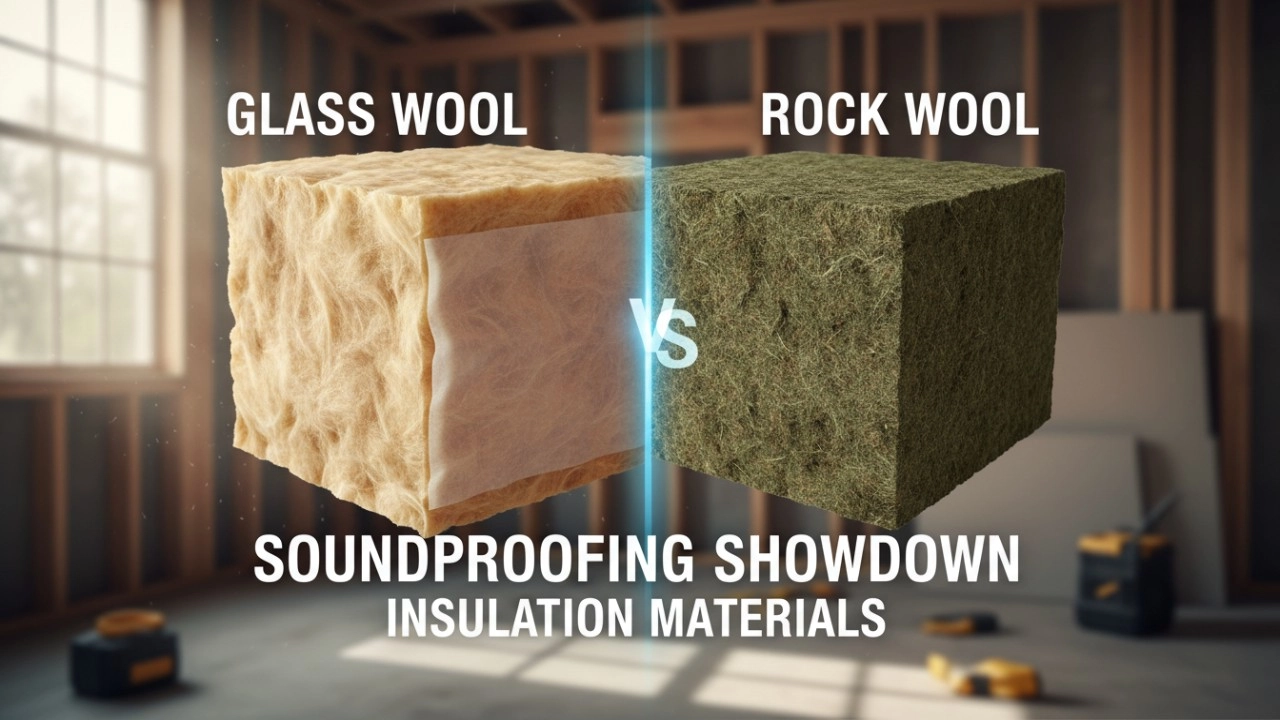
Fiberglass vs. Rockwool: Which Soundproofing Insulation Material Wins for Acoustic Control?
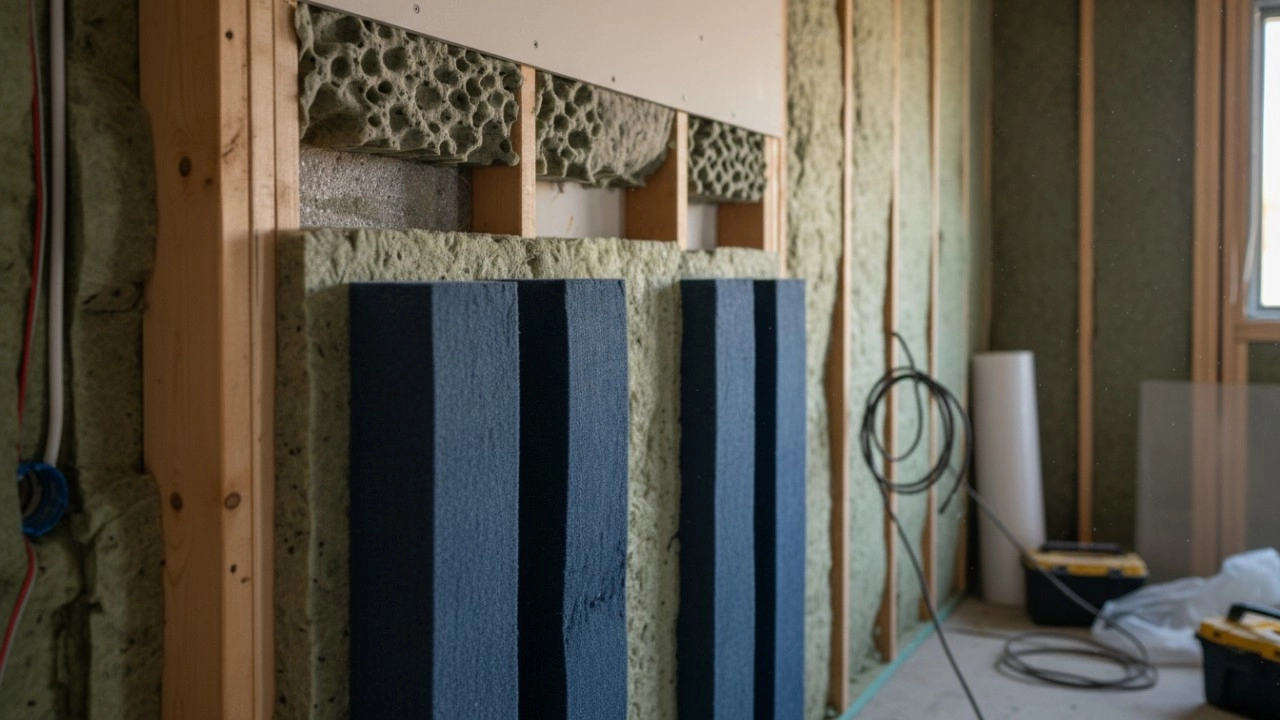
Sound Insulation Foam vs. Acoustic Panels: Which One Actually Stops Noise? (2026 Guide)

7 Dangerous Mistakes to Avoid When Selecting insulating materials for Your Car (2026 Guide)
FAQ
What types of rubber foam insulation do you offer?
We offer a wide range of rubber foam insulation with different thicknesses and specifications. Thermal insulation material manufacturer FUNAS sleeves and sheets are suitable for different application scenarios.
Can your insulation products be customized?
Yes, we offer customized solutions for insulation material wholesale to meet the specifications of your project, including custom specifications, sizes, foils and adhesives, colors, etc.
How to start a consultation?
You can contact us through our website, phone, or email. We will arrange a professional staff to discuss your needs about best thermal insulator and how we can help you.
service
What types of rubber foam insulation products do you offer?
We offer a wide range of rubber foam insulation products, including custom shapes and sizes, thermal and acoustic insulation solutions, and options with specialized coatings such as flame retardancy and water resistance. Our products are suitable for applications in HVAC, automotive, construction, and more.
You might also like
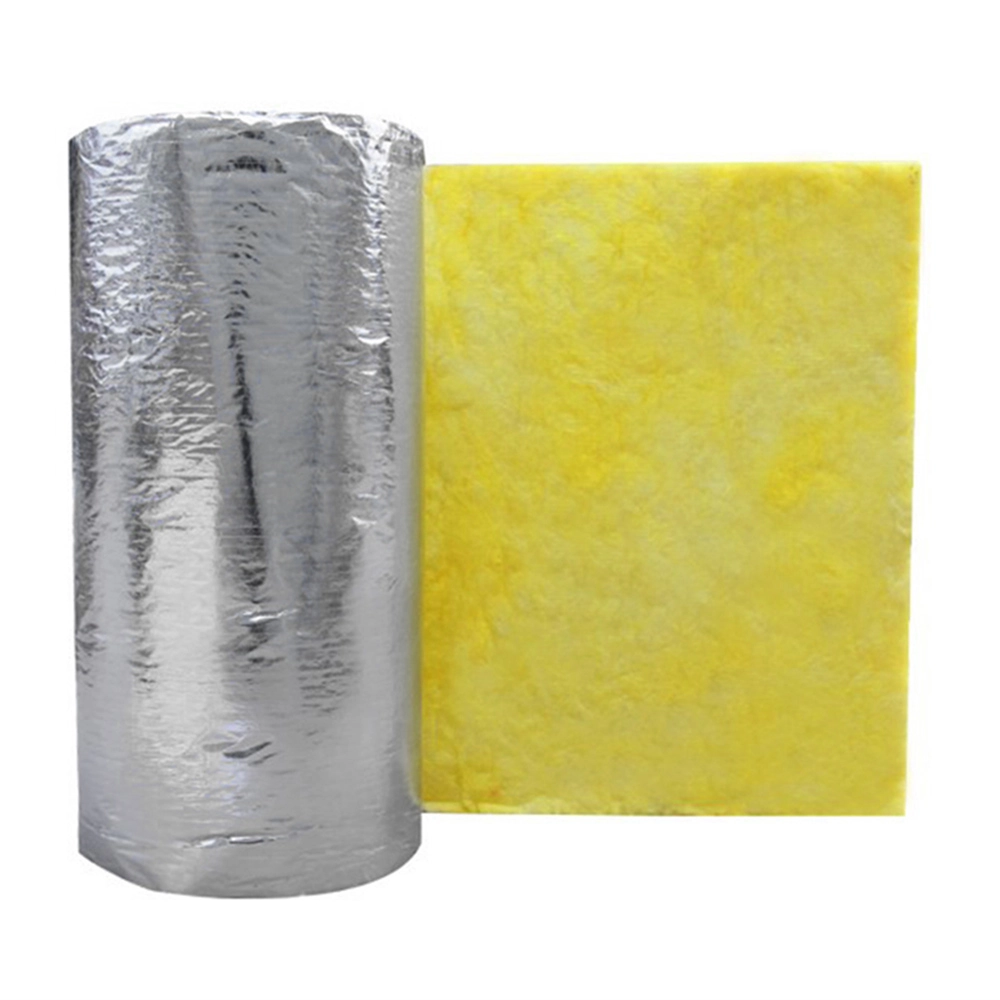
Wholesale Roof And Wall Thermal Heat Insulation 50mm Thickness Aluminum Foil Fiberglass Insulation Roll Glass Wool
Glass wool is the molten glass fiber, the formation of cotton-like material, chemical composition belongs to the glass category, is a kind of inorganic fiber. With good molding, small volume density, thermal conductivity both, thermal insulation, sound absorption performance is good, corrosion resistance, chemical stability and so on.
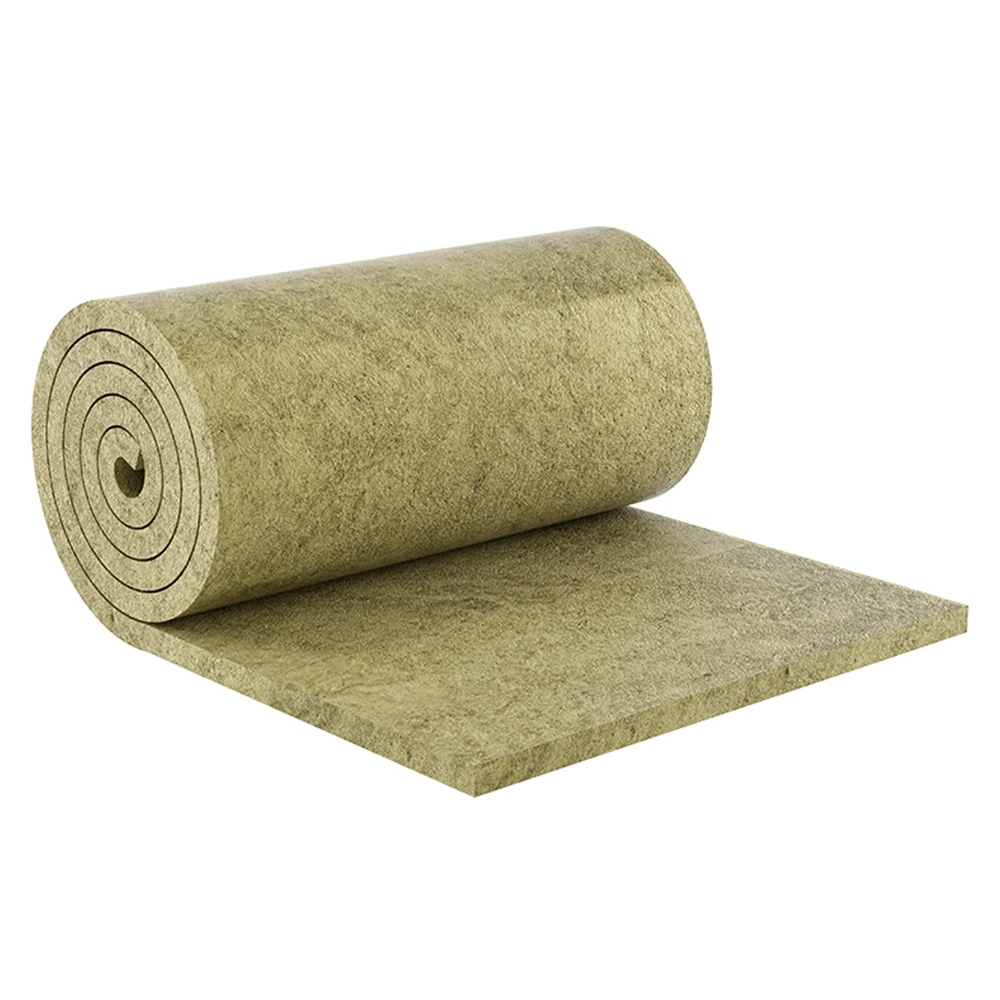
Wholesale Rock Wool Mineral Wool Roll Blanket
Durable rock wool roll with outstanding fire resistance and insulation properties. Ideal for industrial and construction applications.
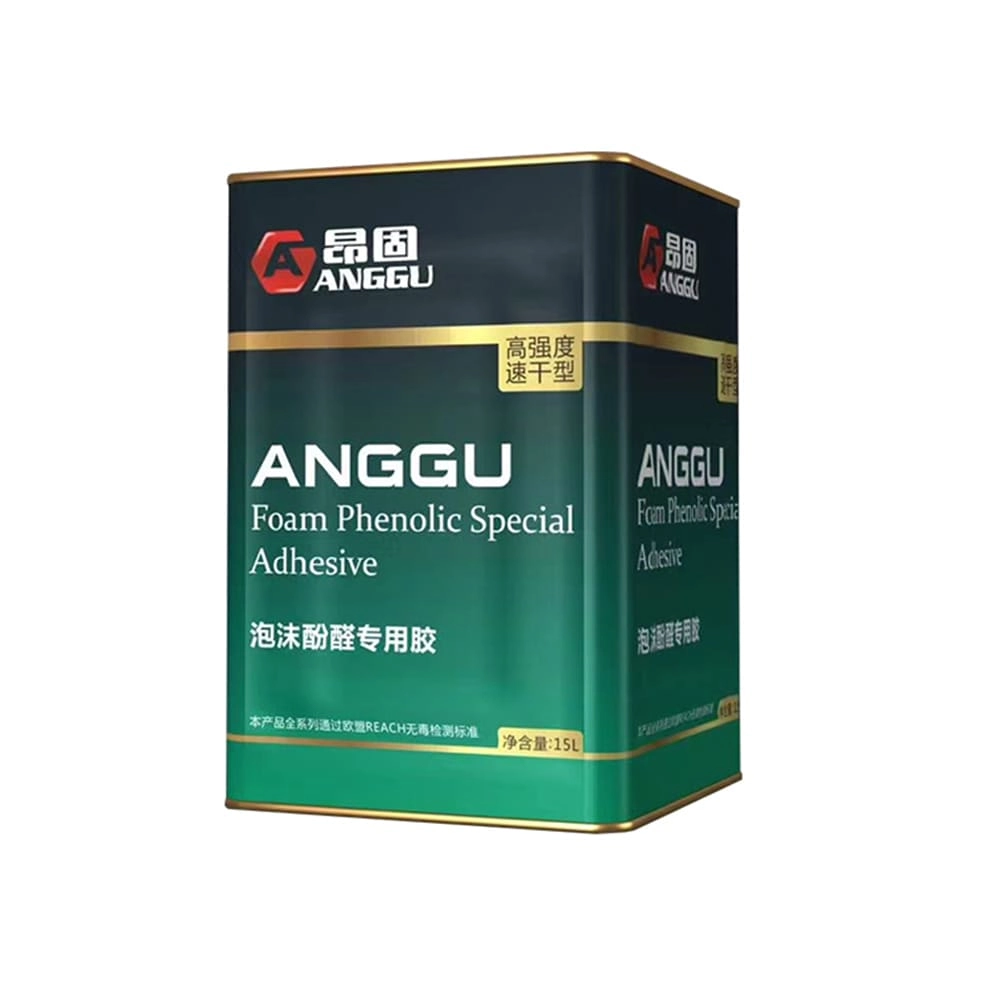
Foam Phenolic Adhesive
This product has passed the national GB33372-2020 standard and GB18583-2008 standard. (The product is a yellow liquid.)
Anggu foam phenolic glue is a kind of glue with corrosion resistance, low odor, high strength and excellent brushing property. Can be sprayed for construction with fast surface drying speed, long bonding time, no chalking and convenient operation.
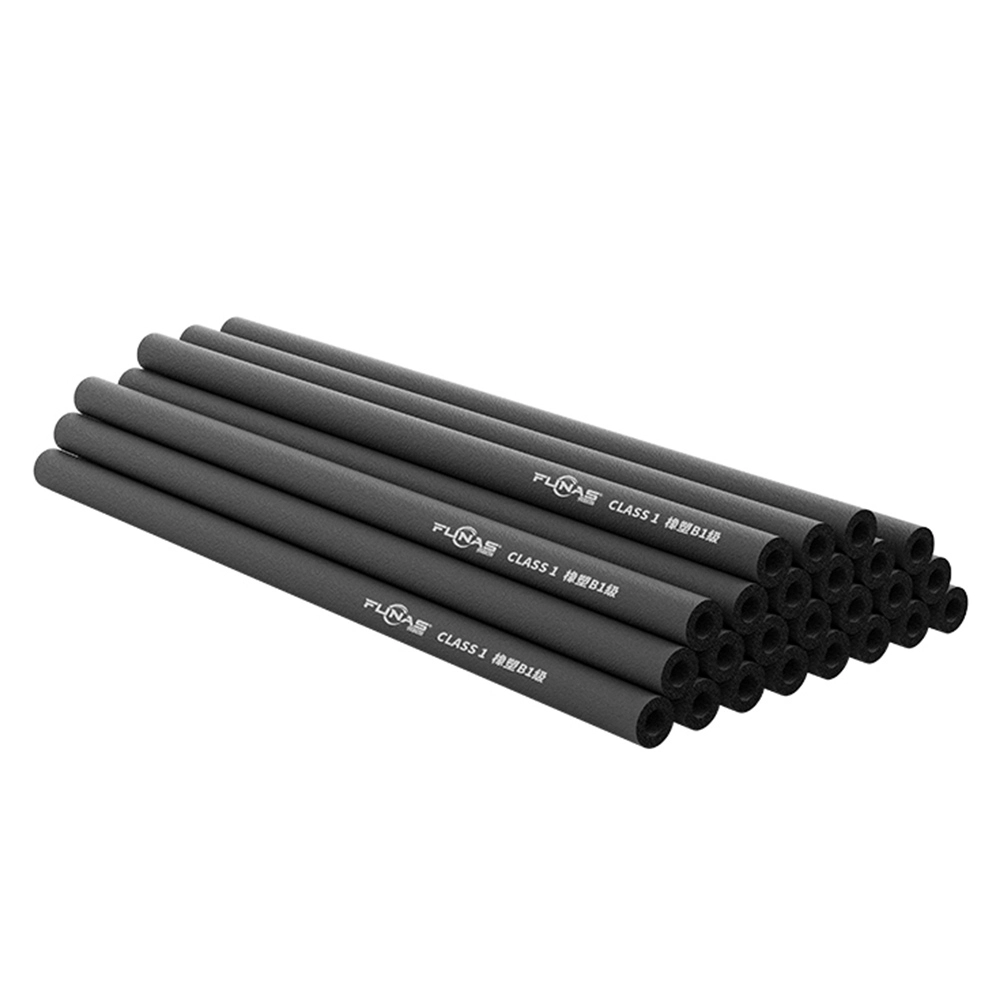
Black Rubber-plastic Tube Rubber foam pipe wholesale
Leave a message
Have any questions or concerns about our products? Please leave us a message here and our team will get back to you promptly.
Your queries, ideas, and collaboration opportunities are just a click away. Let’s start a conversation.
