
how long does insulation last in walls | Insights by FUNAS
Explore the factors influencing the longevity of wall insulation materials, including common types, their expected lifespans, and maintenance tips to ensure optimal performance.
- Understanding the Lifespan of Wall Insulation: A Comprehensive Guide
- 1. What Are the Common Types of Wall Insulation?
- 2. How Long Does Each Type of Insulation Last?
- 3. What Factors Affect the Longevity of Wall Insulation?
- 4. How Can I Extend the Lifespan of My Wall Insulation?
- 5. When Should I Consider Replacing My Wall Insulation?
- Conclusion: Why Choose FUNAS for Your Insulation Needs?
Understanding the Lifespan of Wall Insulation: A Comprehensive Guide
When considering the installation or replacement of wall insulation, it's essential to understand how long different materials last and the factors that influence their durability. This knowledge ensures your home remains energy-efficient and comfortable for years to come.
1. What Are the Common Types of Wall Insulation?
Several insulation materials are commonly used in wall applications:
Fiberglass Insulation: Made from fine glass fibers, available in batt or loose-fill forms. Known for affordability and ease of installation.
Cellulose Insulation: Composed of recycled paper products, treated for fire and pest resistance. Offers good air sealing properties.
Polyurethane Foam Insulation: Available as spray foam, providing high R-values and excellent air sealing capabilities.
2. How Long Does Each Type of Insulation Last?
The lifespan of insulation materials varies:
Fiberglass Insulation: Typically lasts 80 to 100 years. However, exposure to moisture can reduce its effectiveness within 15 to 20 years, necessitating maintenance or replacement.
Cellulose Insulation: Generally lasts 20 to 30 years. Proper installation and moisture control are crucial to maintain its effectiveness.
Polyurethane Foam Insulation: Can last over 80 years with proper maintenance. Its durability makes it a long-term solution for energy efficiency.
3. What Factors Affect the Longevity of Wall Insulation?
Several factors can influence the lifespan of wall insulation:
Moisture Exposure: Water can degrade insulation materials, leading to mold growth and reduced effectiveness. Ensuring proper installation and addressing leaks promptly are essential.
Pest Infestations: Rodents and insects can damage insulation, compromising its insulating properties. Regular inspections and pest control measures can mitigate this risk.
Settling and Compaction: Over time, some insulation materials may settle or compress, reducing their R-value. Proper installation and periodic checks can help identify and address these issues.
Temperature Fluctuations: Extreme temperature changes can cause materials to expand and contract, potentially leading to degradation. Choosing materials suitable for your climate can help maintain insulation integrity.
4. How Can I Extend the Lifespan of My Wall Insulation?
To maximize the longevity of your wall insulation:
Regular Inspections: Periodically check for signs of moisture, pest damage, or settling.
Proper Installation: Ensure insulation is installed correctly to prevent gaps and compression.
Address Issues Promptly: If you notice problems like leaks or pest activity, address them immediately to prevent further damage.
Choose Quality Materials: Investing in high-quality insulation materials can lead to longer-lasting performance.
5. When Should I Consider Replacing My Wall Insulation?
Consider replacing your wall insulation if:
Visible Damage: Signs of moisture damage, mold, or pest infestations are present.
Reduced Energy Efficiency: Increased energy bills without other explanations may indicate degraded insulation.
Settling or Compression: Noticeable gaps or reduced thickness in the insulation material.
Age: If the insulation is nearing the end of its expected lifespan and showing signs of wear.
Conclusion: Why Choose FUNAS for Your Insulation Needs?
When selecting insulation materials, consider the following advantages of FUNAS:
High-Quality Materials: FUNAS offers top-tier insulation products known for their durability and performance.
Expert Installation: Professional installation ensures optimal effectiveness and longevity of your insulation.
Comprehensive Support: From selection to maintenance, FUNAS provides end-to-end support for your insulation needs.
By choosing FUNAS, you invest in quality, efficiency, and long-term comfort for your home.
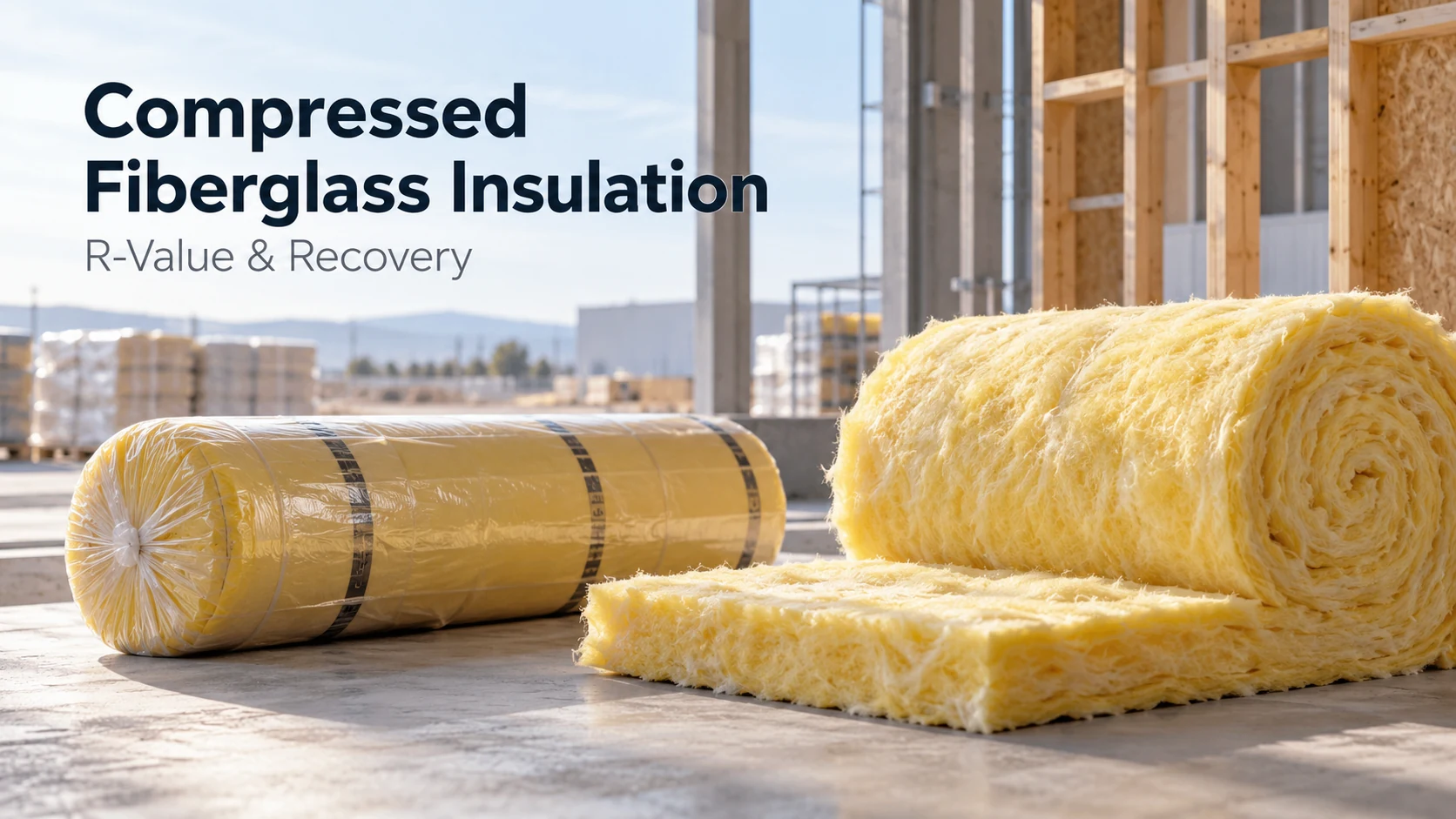
What Happens When Fiberglass (Glass Wool) Insulation Is Compressed?
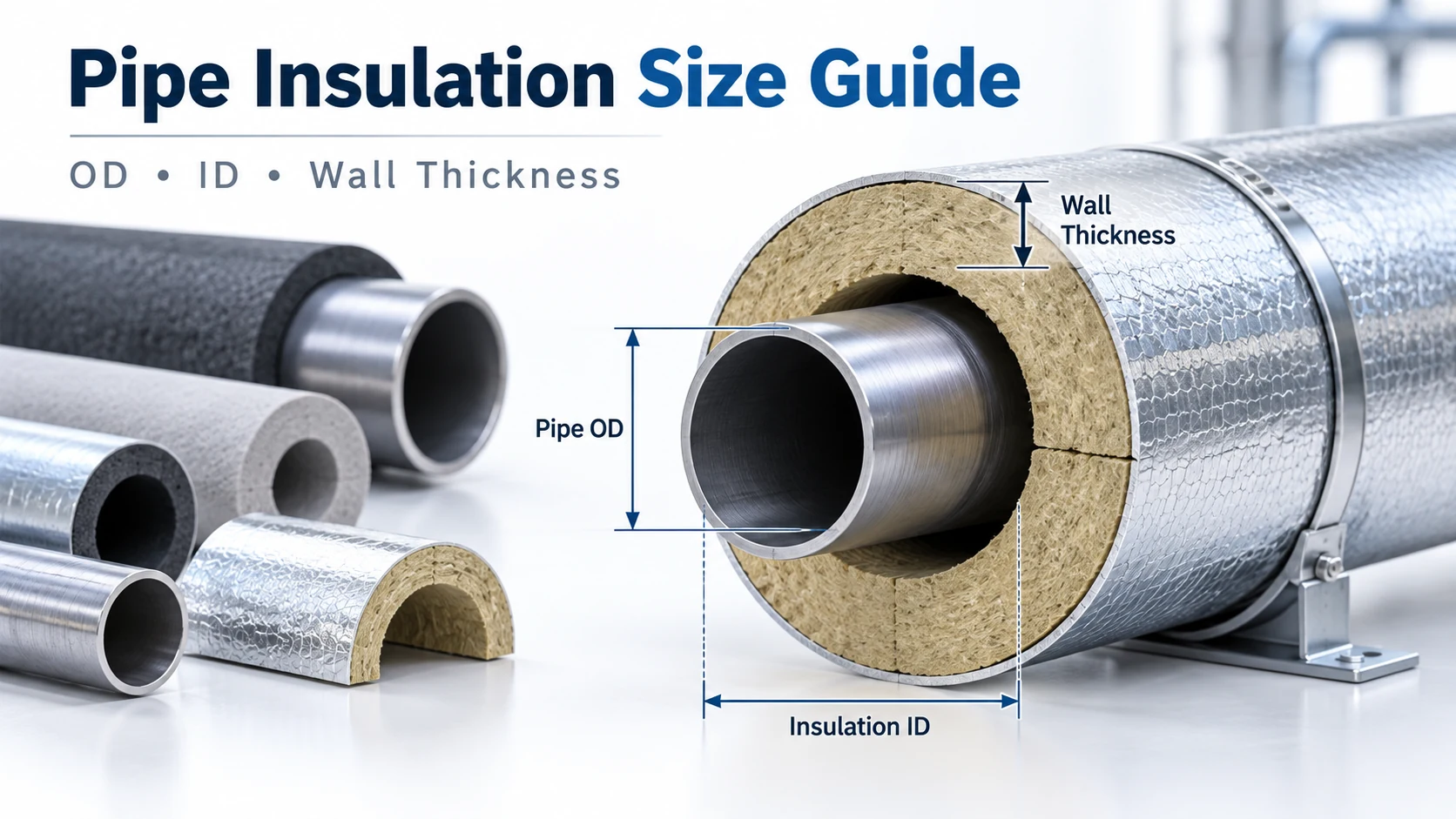
Pipe Insulation Size Guide: How to Match Pipe OD, Insulation ID and Wall Thickness
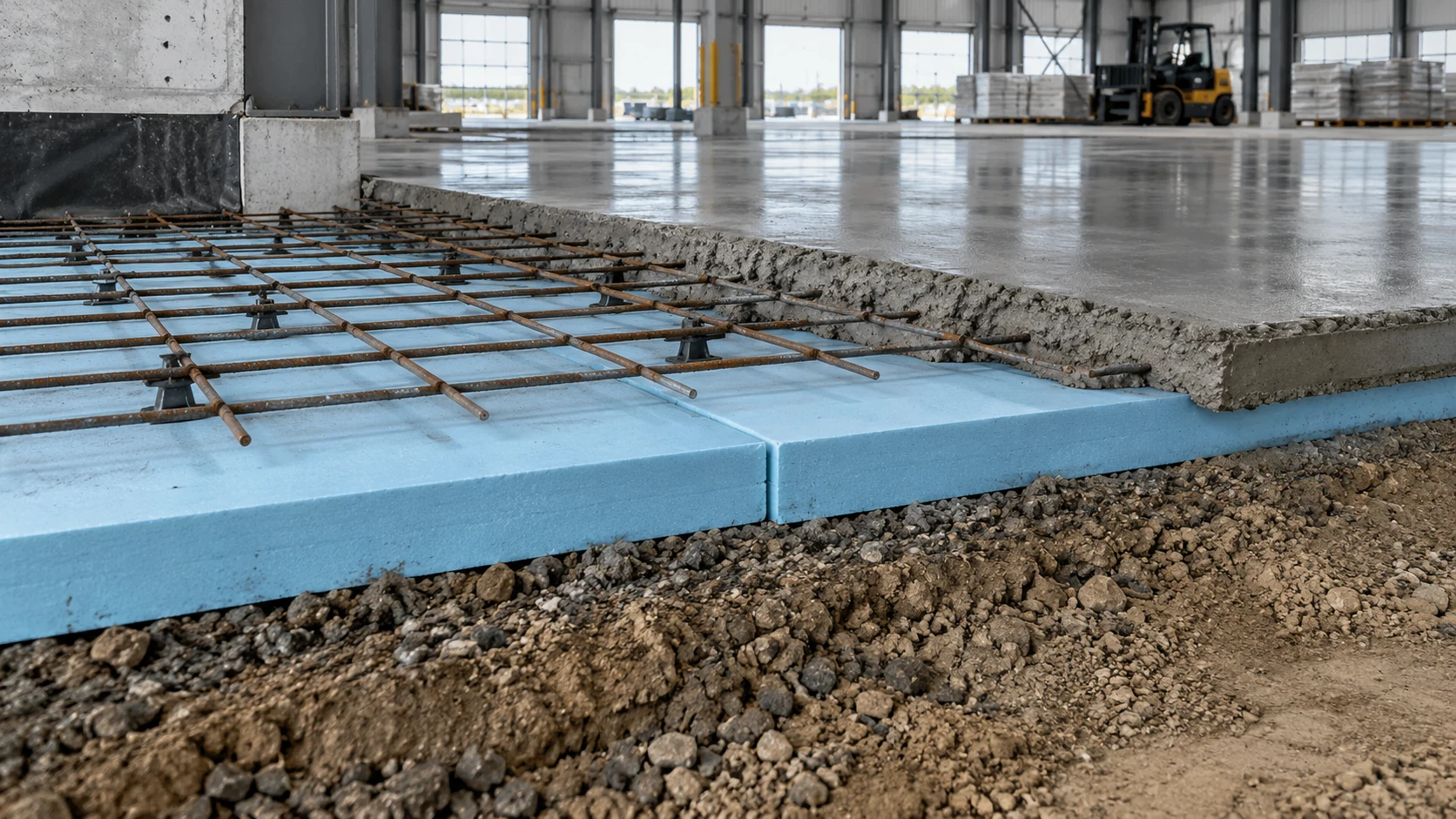
What XPS Compressive Strength Do I Need Under a Concrete Slab?
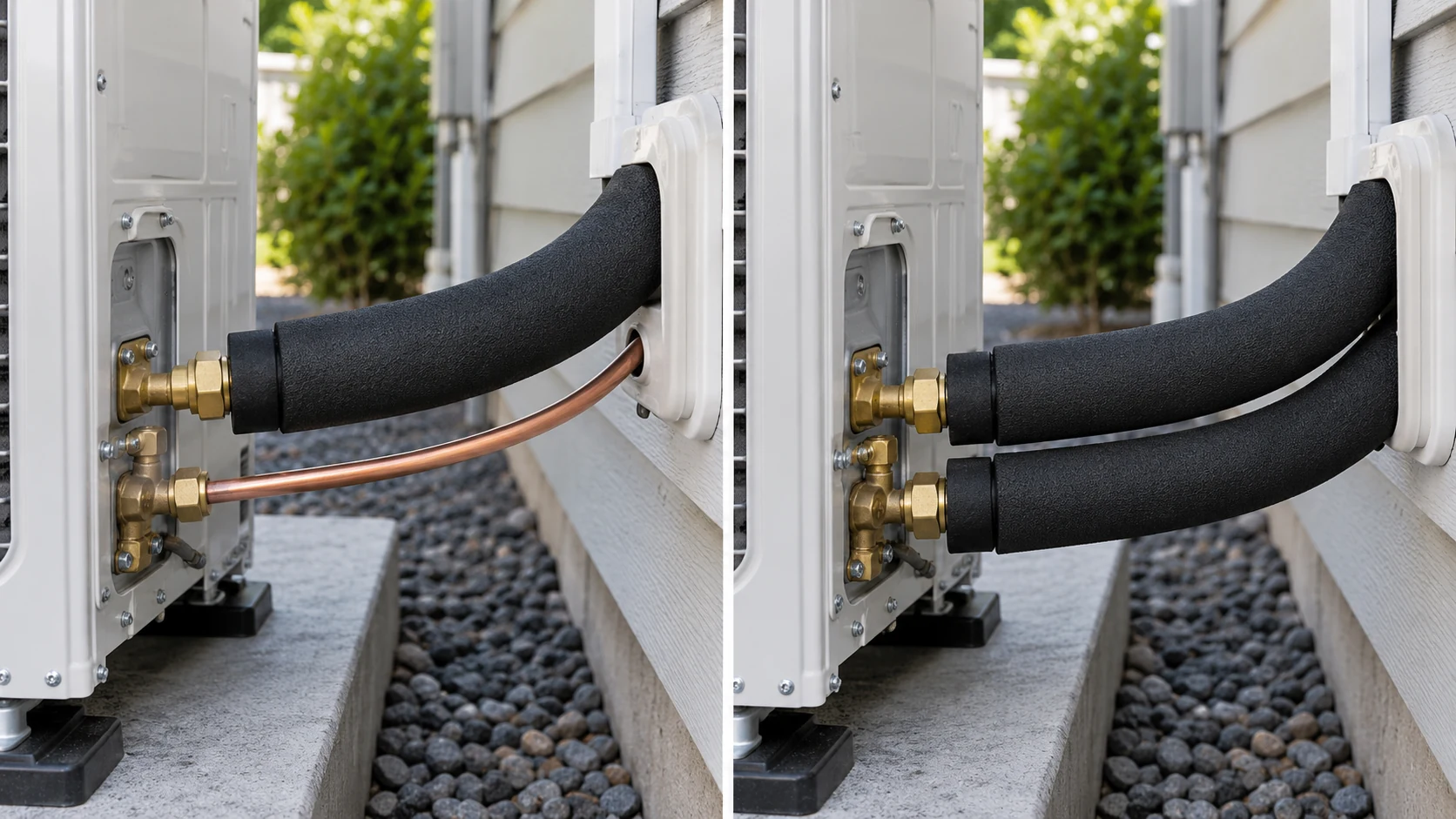
Do Both Refrigerant Lines Need Insulation?
FAQ
Can you provide customized insulation products?
Yes. We can support customized sizes, thicknesses, densities, aluminum foil facing, adhesive backing, colors, packaging, and other project requirements depending on the product type and order quantity.
What insulation products do you supply?
We supply rubber foam insulation, glass wool insulation, rock wool insulation, XPS insulation boards, acoustic foam products, and thermal insulation adhesive. These products are commonly used in HVAC systems, construction projects, industrial equipment, and acoustic applications.
service
What is your usual production and delivery time?
Delivery time depends on the product type, order quantity, customization requirements, and shipping destination. Standard products are usually faster to arrange, while customized or large-volume orders may require longer production time.
Can you arrange international shipping?
Yes. We can help arrange international shipping by sea, air, or express depending on the order volume and delivery needs. We can also work with your appointed freight forwarder if required.
Leave a message
Have any questions or concerns about our products? Please leave us a message here and our team will get back to you promptly.
Your queries, ideas, and collaboration opportunities are just a click away. Let’s start a conversation.


FUNAS Insulation Material
funasinsulation