
What are insulating pipes called? | FUNAS Guide
Discover what insulating pipes are called, types of pipe insulation materials, their benefits, and application tips for thermal insulation industry professionals.
What Are Insulating Pipes Called?
Insulating pipes are generally referred to as insulated pipes or pipe insulation systems. In the thermal insulation materials industry, these pipes are often wrapped or coated with specific insulating materials to reduce heat loss, prevent condensation, and improve energy efficiency. The insulation material applied to these pipes can vary based on temperature requirements and environmental exposure.
What Are the Common Materials Used for Pipe Insulation?
The most popular pipe insulation materials include elastomeric foam, fiberglass, mineral wool, polyurethane foam, and polyethylene. Each has unique thermal properties and suitability depending on the application. For example, elastomeric foam offers flexibility and moisture resistance, while fiberglass is preferred for high-temperature applications.
How Does Pipe Insulation Improve Energy Efficiency?
Pipe insulation reduces heat transfer between the pipe and the surrounding environment, which helps maintain the desired temperature of the fluids transported. This decreases energy consumption required for heating or cooling systems, leading to cost savings and reduced environmental impact.
What Are the Typical Applications of Insulated Pipes?
Insulated pipes are widely used in HVAC systems, plumbing, refrigeration, industrial process piping, and district heating. Proper insulation prevents heat loss, protects pipes from freezing, and controls condensation in these applications.
How Is Pipe Insulation Installed?
Installation depends on the type of insulation material; it often involves cutting insulation sleeves or sheets to fit pipe dimensions, securing them with adhesives or mechanical fasteners, and sealing joints to prevent thermal bridging. In some cases, pre-insulated pipes with factory-applied insulation are used for easier installation.
What Standards and Guidelines Govern Pipe Insulation?
Pipe insulation in many industries must comply with standards such as ASTM C547 (mineral fiber pipe insulation), ASTM C1136 (elastomeric cellular rubber), and local building codes. Adhering to these ensures insulation performance, safety, and durability.
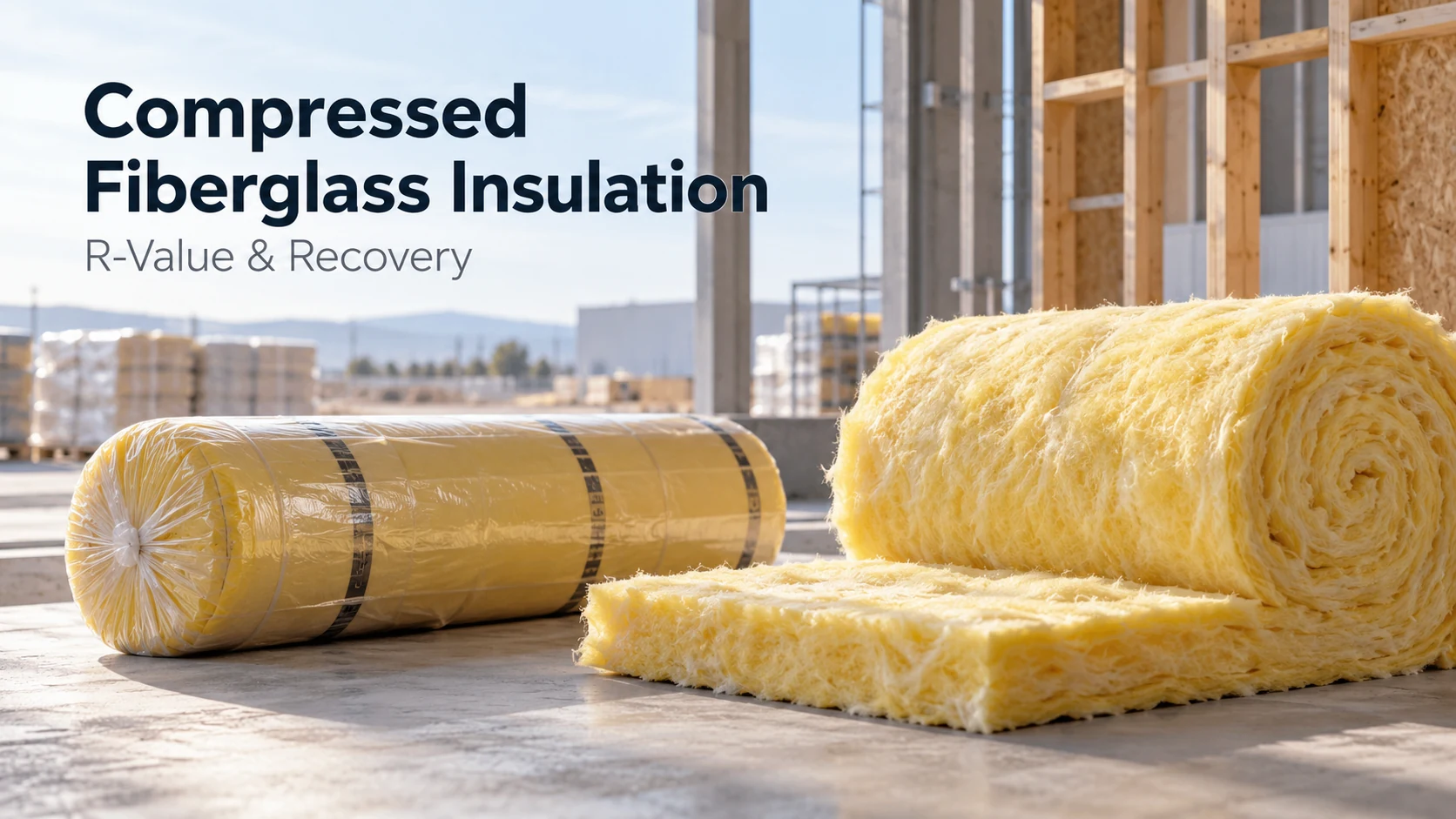
What Happens When Fiberglass (Glass Wool) Insulation Is Compressed?
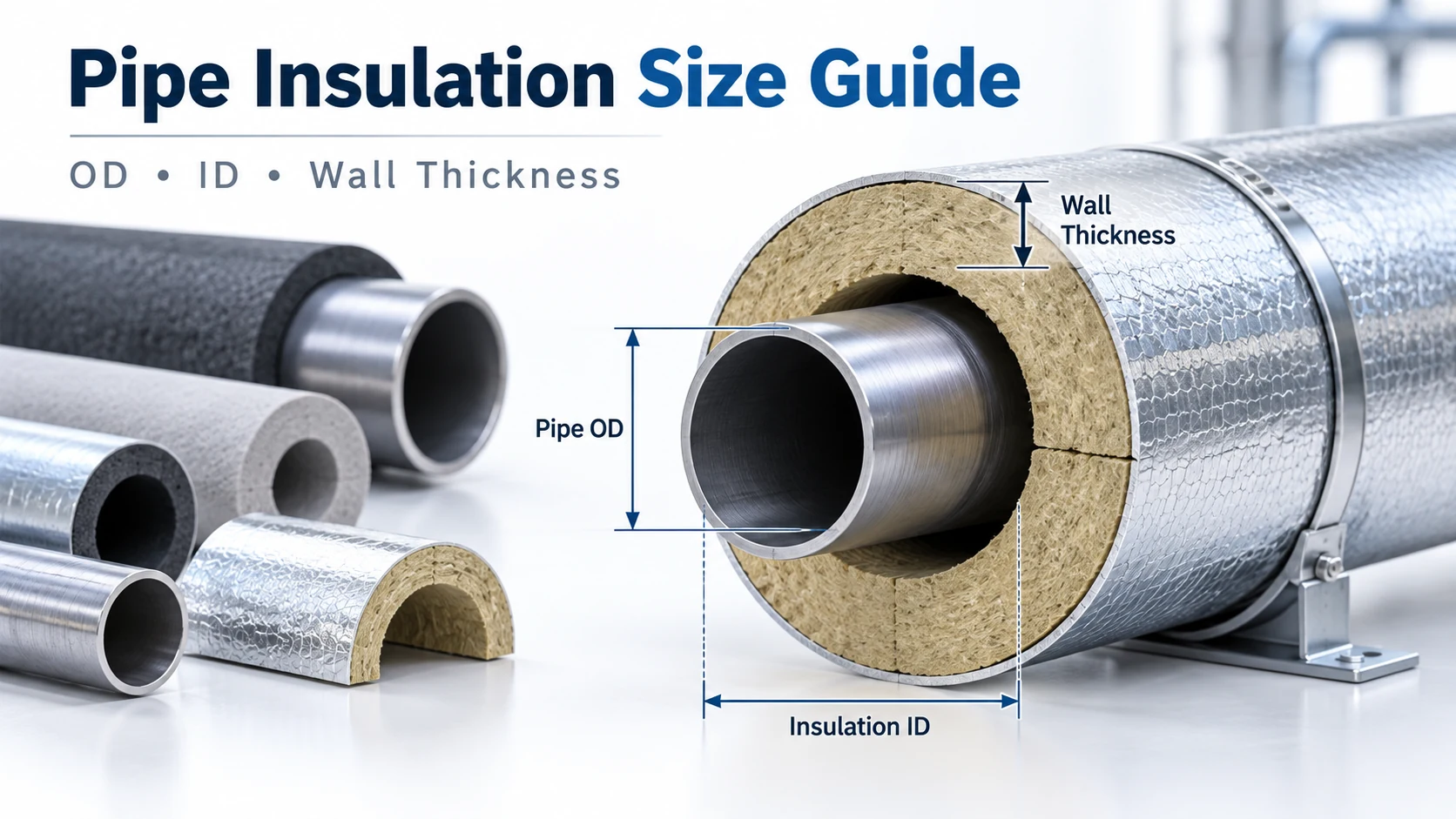
Pipe Insulation Size Guide: How to Match Pipe OD, Insulation ID and Wall Thickness
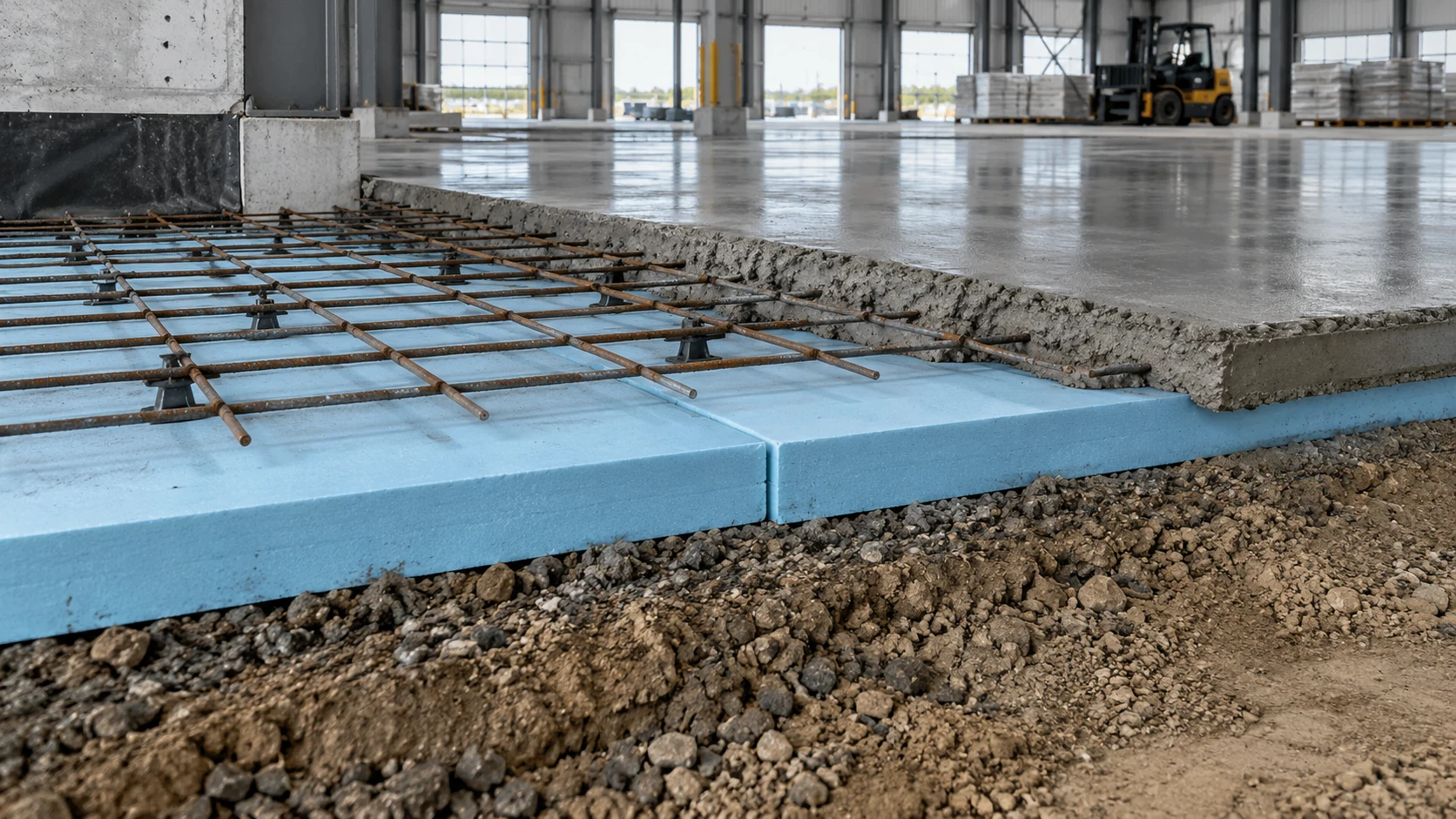
What XPS Compressive Strength Do I Need Under a Concrete Slab?
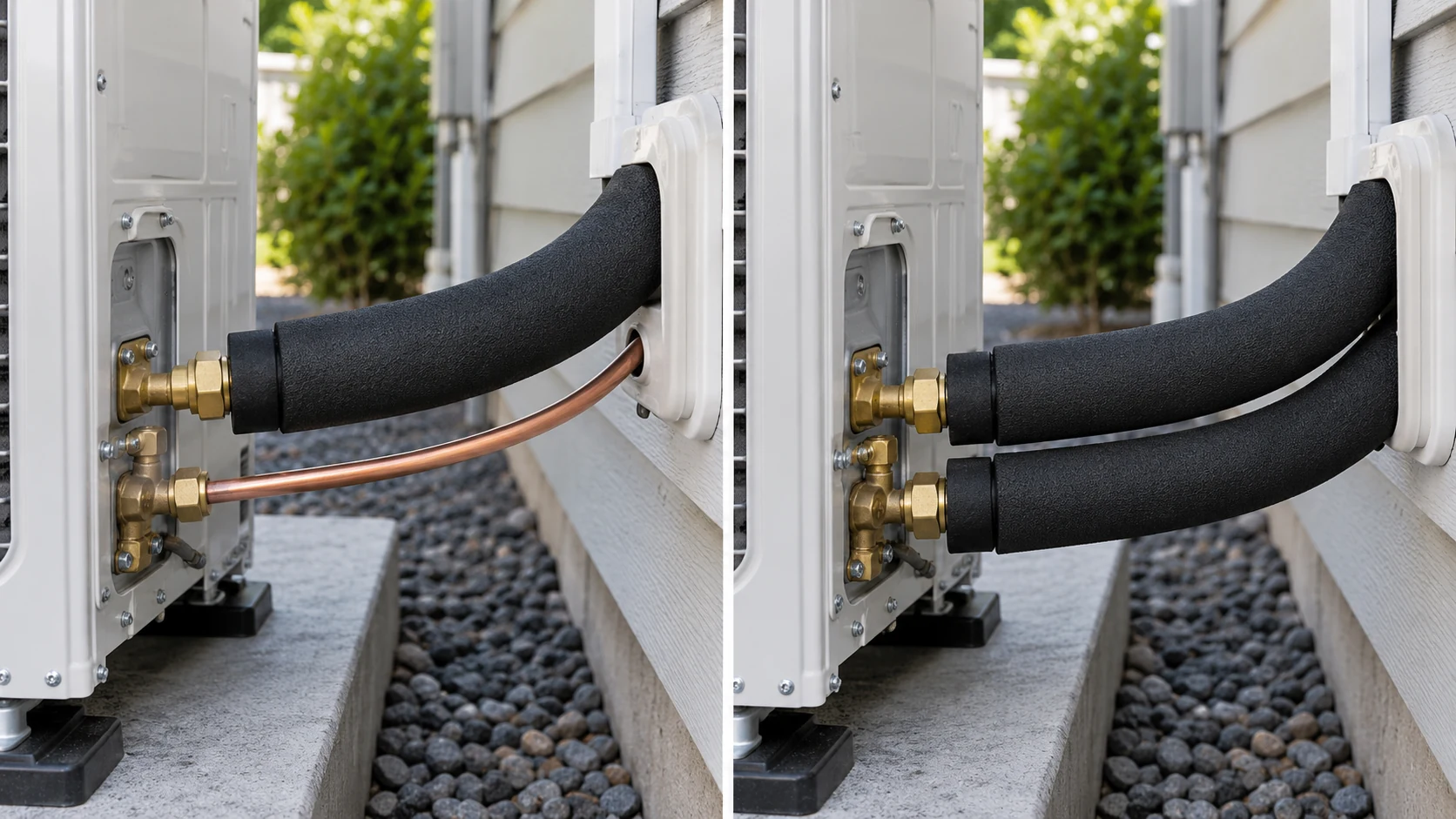
Do Both Refrigerant Lines Need Insulation?
service
Can you arrange international shipping?
Yes. We can help arrange international shipping by sea, air, or express depending on the order volume and delivery needs. We can also work with your appointed freight forwarder if required.
What is your usual production and delivery time?
Delivery time depends on the product type, order quantity, customization requirements, and shipping destination. Standard products are usually faster to arrange, while customized or large-volume orders may require longer production time.
FAQ
What information should I provide to get a quotation?
To prepare an accurate quotation, please provide the product type, size, thickness, density or specification, quantity, application, destination port or country, and any special requirements such as fire rating, facing material, adhesive backing, or packaging.
Do you provide samples before bulk orders?
Yes, samples can be provided for quality checking before bulk purchase. Sample availability, size, and delivery cost may vary depending on the product and destination.
Leave a message
Have any questions or concerns about our products? Please leave us a message here and our team will get back to you promptly.
Your queries, ideas, and collaboration opportunities are just a click away. Let’s start a conversation.


FUNAS Insulation Material
funasinsulation