What is Foam Rubber: Benefits, Production, and Environmental Impact

Friday, 12/6/2024

Discover the world of foam rubber with Funas. Learn about its unique benefits, efficient production processes, and environmental impact. Our detailed article answers the question, "What is foam rubber?" and delves into its versatile applications across various industries. Explore sustainable practices in foam rubber production and how Funas leads the way in eco-friendly innovations.

What is Foam Rubber?

Best insulation for water pipes offers superior freeze protection and thermal insulation, ensuring pipes function properly in any climate.
 
In the realm of materials widely used across diverse industries, foam rubber stands out for its versatility and extensive applications. But precisely, what is foam rubber? It is a type of polymer material made from liquid rubber mixed with air to form a foamy, spongy texture. This unique composition allows foam rubber to be both lightweight and durable, making it a preferred choice for numerous applications. As professionals in this field, understanding foam rubber's full potential is essential to maximizing its usage effectively.
Not sure about natural vs synthetic rubber? Click to find out the key differences!


Advantages and Features of Foam Rubber

As the best sound-dancing foam, foam rubber boasts a myriad of advantages that make it indispensable in various sectors:
  1. Flexibility and Elasticity: One of the most remarkable features of foam rubber is its ability to stretch and return to its original shape. This elasticity makes it an ideal material for cushioning and shock absorption.
  2. Insulation Properties: Insulating rubber matting provides excellent thermal and acoustic insulation. Its design effectively traps air, reducing heat and sound transfer, which is invaluable in the construction and automotive industries.
  3. Lightweight and Durable: Despite its robust nature, foam rubber is incredibly light, contributing to ease of handling and reduced transportation costs.
  4. Water and Chemical Resistance: Foam rubber resists moisture and many chemicals, ensuring longevity in harsh conditions or environments.
  5.  

How is Foam Rubber Made?

Best sound deadening foam provides excellent noise isolation, effectively reducing environmental noise and enhancing comfort.
 
The production of foam rubber involves several stages. Manufacturers begin with liquid latex, a natural or synthetic rubber. This latex is mixed with various blowing agents that introduce air into the mixture. The compound is then heated, causing expansion through air bubble formation. Once the desired foam consistency is achieved, the product is cured and solidified. This process can be tailored to produce foam rubber with varying densities and specifications, depending on its intended application.


Foam Rubber vs. Sponge Rubber

Although often used interchangeably, foam rubber and sponge rubber have distinct differences:
  • Manufacturing Process: Foam rubber is created by introducing air to liquid rubber, while sponge rubber involves vulcanizing rubber compounds with blowing agents that release gases during heating.
  • Structure: Foam rubber tends to have a more open-cell structure, making it softer and more breathable. In contrast, sponge rubber typically has a closed-cell structure, offering better impermeability to gas and water.
  • Application: These structural differences result in each type being suited for different applications; sound insulation rubber is often used in upholstery, while sponge rubber is more common in seals and gaskets.
  •  

Environmental Impact of Foam Rubber

The environmental implications of foam rubber are a growing concern. While it provides valuable functional benefits, we must also consider its lifecycle.
  • Manufacturing Impact: The production process can be energy-intensive, with potential chemical emissions.
  • Recyclability: One of the challenges with foam rubber is its limited recyclability, which can lead to waste accumulation if not properly managed.
  • Innovations and Alternatives: Companies are increasingly focusing on sustainable practices, developing biodegradable options, and enhancing recycling to mitigate environmental impacts.
  •  

Conclusion

Understanding foam rubber in-depth—from its advantages and manufacturing process to its environmental considerations—equips us to leverage its full potential responsibly. As professionals, it's vital to promote sustainable practices while utilizing this versatile material to fulfill various industrial needs.
Ready to explore the superior qualities of rubber and foam supplies in your projects? At foam rubber supplier FUNAS, we're committed to delivering innovative solutions tailored to your specific requirements. Contact us today to discover how our high-quality foam rubber products can enhance your operations.
Click Top 10 Global Foam Rubber Manufacturers in 2025 to find the best foam rubber manufacturer.


FAQs

What is foam rubber primarily used for?
Foam rubber is used for cushioning, insulation, sealing, and soundproofing in industries such as automotive, construction, and furniture.
 
Is foam rubber environmentally friendly?
While foam rubber offers functional benefits, there are concerns regarding its recyclability and production impact. However, efforts are underway to develop more sustainable options.
 
How does foam rubber differ from sponge rubber?
Foam rubber has an open-cell structure and is typically softer, while sponge rubber has a closed-cell structure, making it more water- and gas-resistant.
Recommended for you
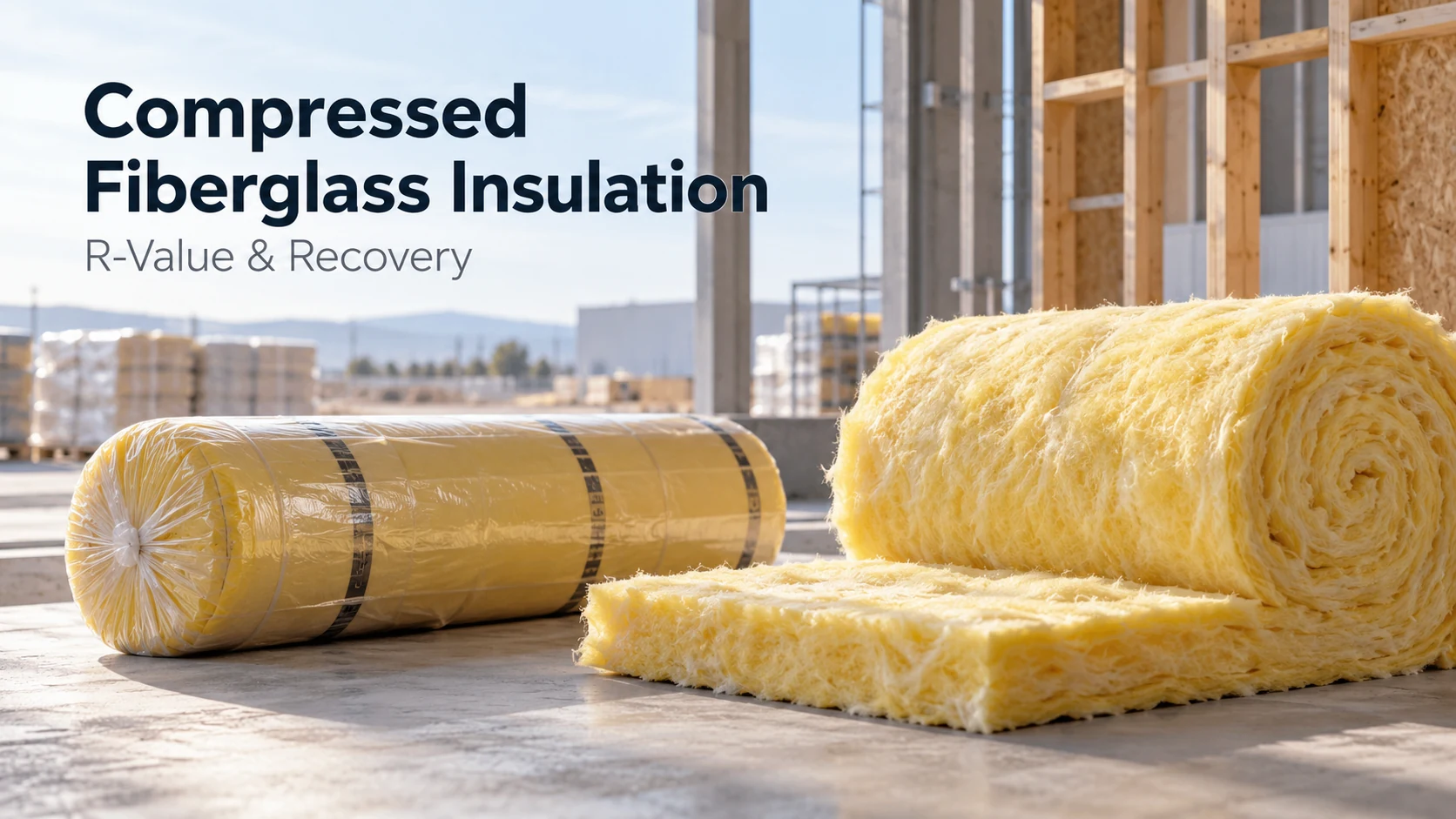
Compressed fiberglass insulation rolls showing packaging compression and recovery after unpacking - FUNAS

What Happens When Fiberglass (Glass Wool) Insulation Is Compressed?
What Happens When Fiberglass (Glass Wool) Insulation Is Compressed?
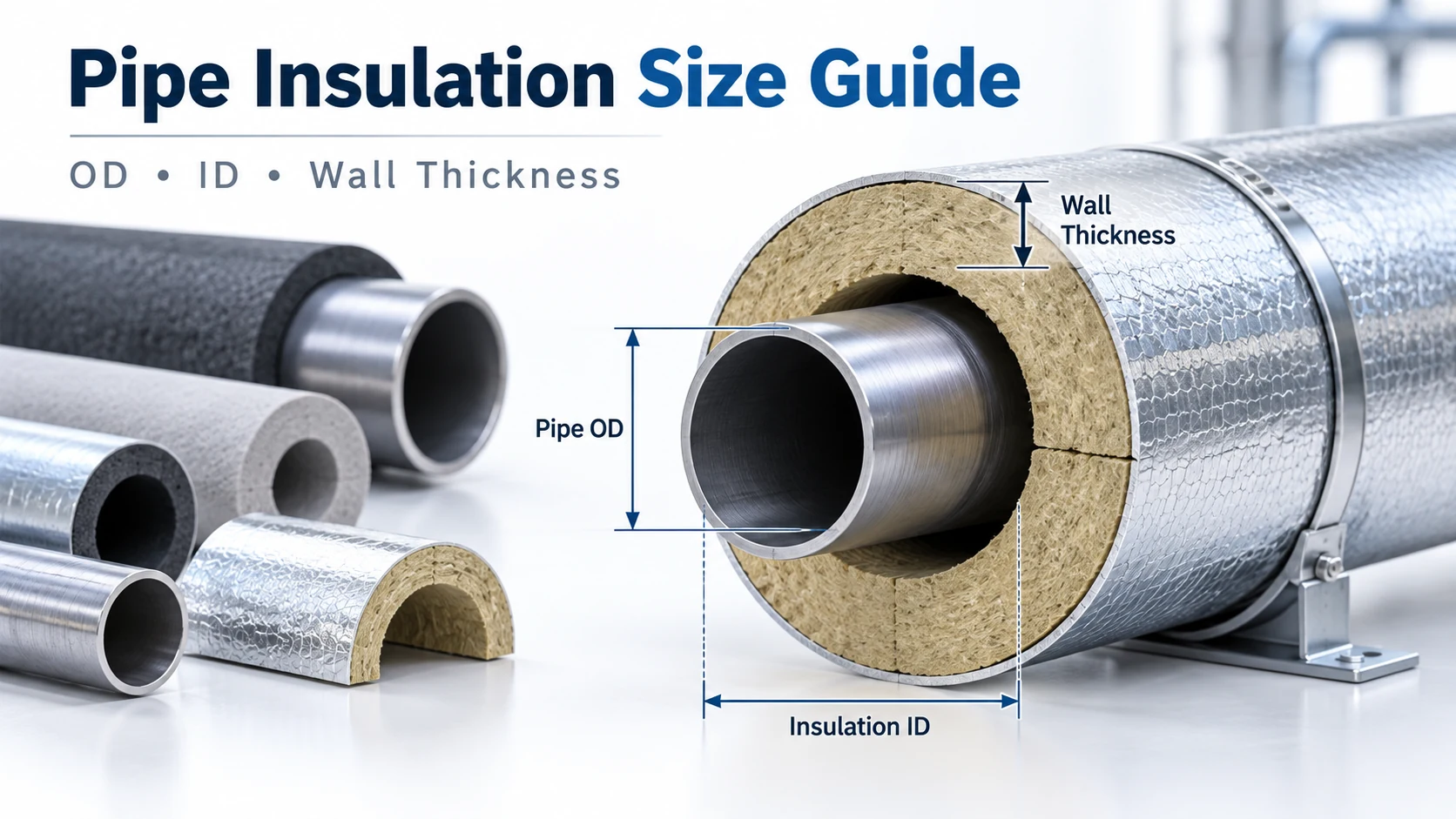
Pipe insulation size guide showing pipe OD, insulation ID and wall thickness - FUNAS

Pipe Insulation Size Guide: How to Match Pipe OD, Insulation ID and Wall Thickness
Pipe Insulation Size Guide: How to Match Pipe OD, Insulation ID and Wall Thickness
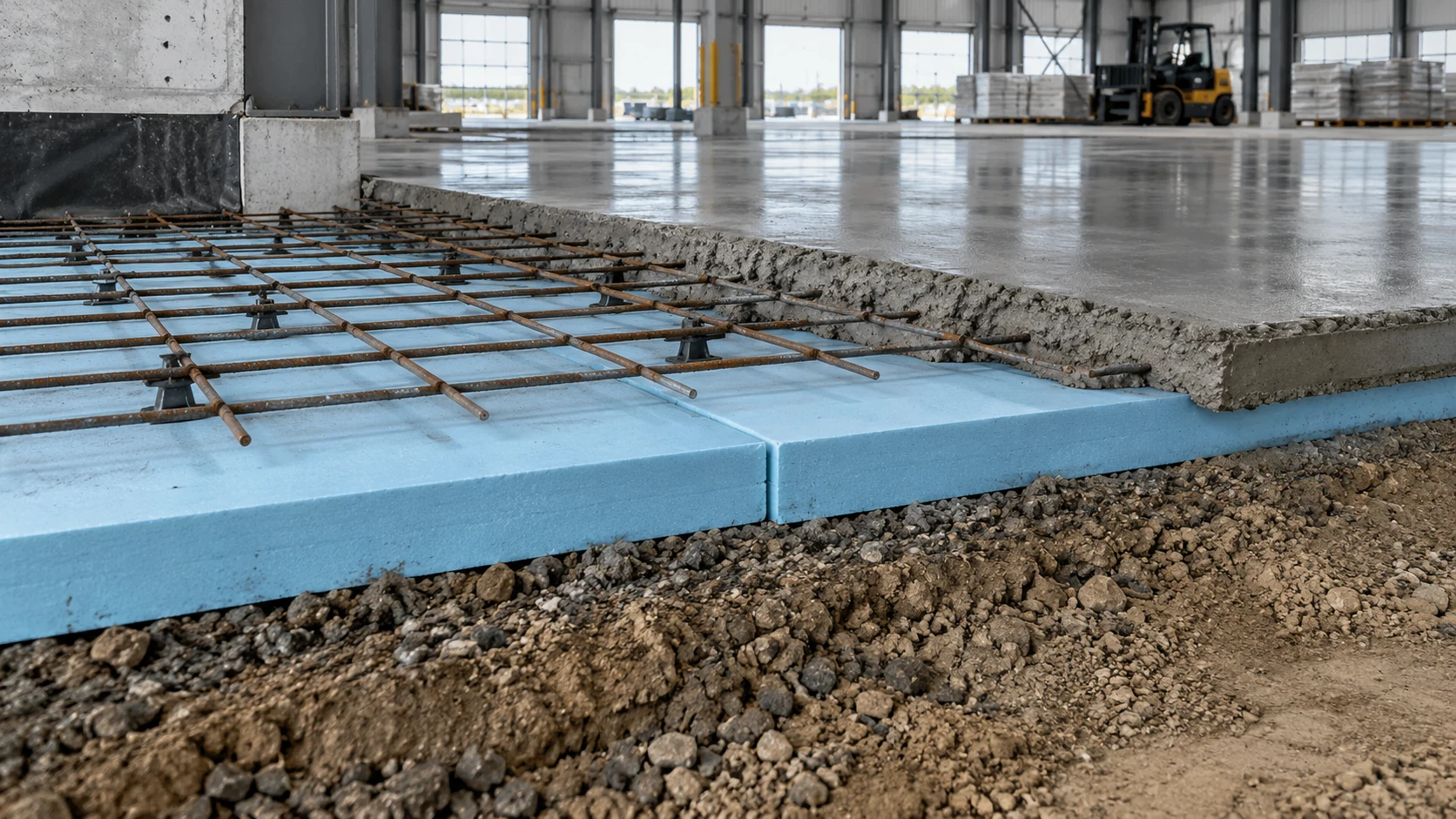
XPS insulation boards installed beneath a reinforced concrete slab in an industrial warehouse floor - FUNAS

What XPS Compressive Strength Do I Need Under a Concrete Slab?
What XPS Compressive Strength Do I Need Under a Concrete Slab?
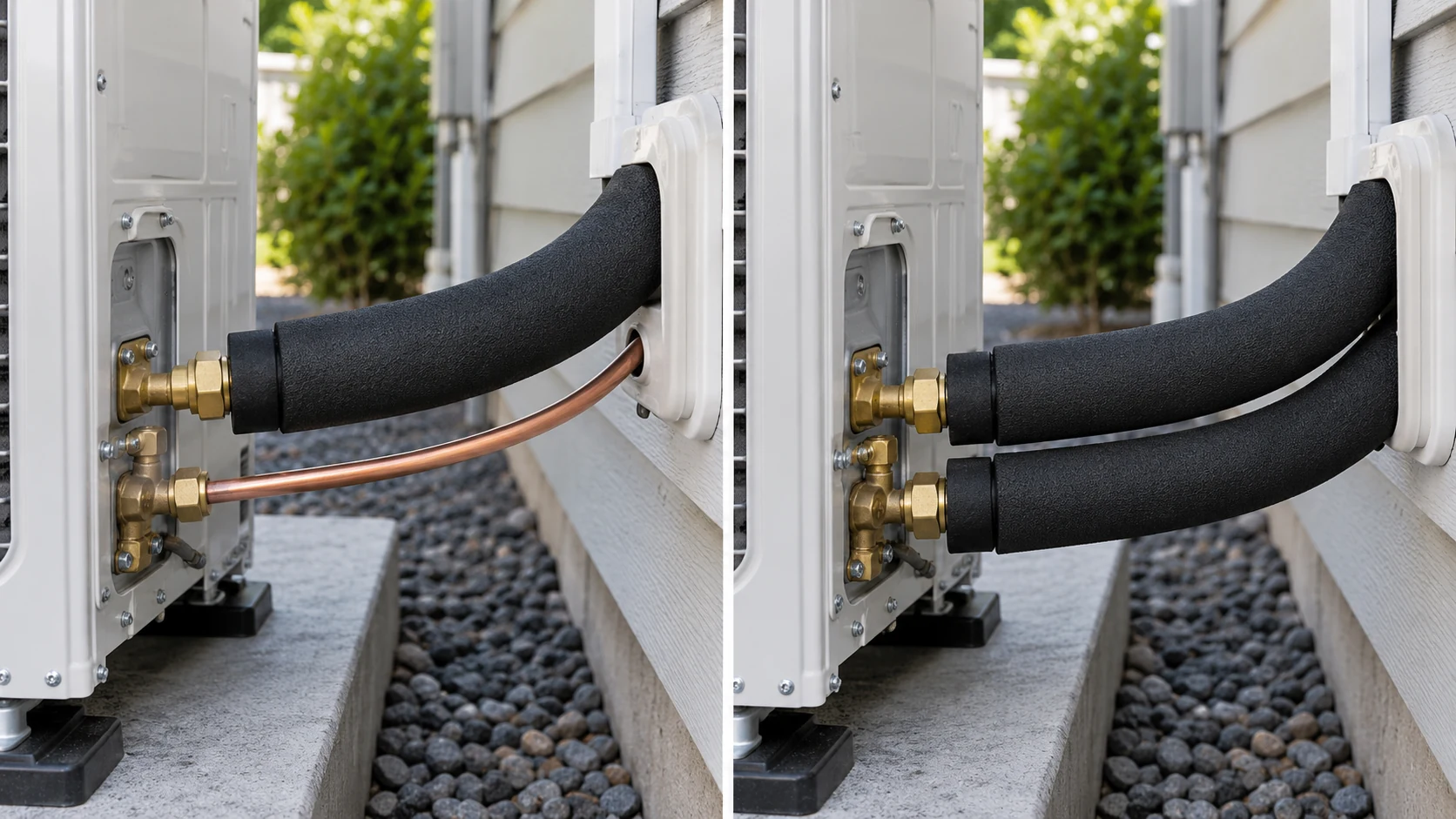
Comparison of refrigerant line insulation with one line insulated versus both lines insulated - FUNAS

Do Both Refrigerant Lines Need Insulation?

Do Both Refrigerant Lines Need Insulation?
Product Categories
FAQ
service
What certificates or test reports can you provide?

We can provide available certificates, test reports, and product documents according to the product type and project requirements. If your project requires a specific standard, please confirm with us before ordering.

FAQ
What insulation products do you supply?

We supply rubber foam insulation, glass wool insulation, rock wool insulation, XPS insulation boards, acoustic foam products, and thermal insulation adhesive. These products are commonly used in HVAC systems, construction projects, industrial equipment, and acoustic applications.

Do you provide samples before bulk orders?

Yes, samples can be provided for quality checking before bulk purchase. Sample availability, size, and delivery cost may vary depending on the product and destination.

What information should I provide to get a quotation?

To prepare an accurate quotation, please provide the product type, size, thickness, density or specification, quantity, application, destination port or country, and any special requirements such as fire rating, facing material, adhesive backing, or packaging.

Leave a message

Have any questions or concerns about our products? Please leave us a message here and our team will get back to you promptly.

Your queries, ideas, and collaboration opportunities are just a click away. Let’s start a conversation.

Name must not exceed 100 characters.
Your name
Invalid email format or length exceeds 100 characters. Please re-enter.
Your business email address
Please enter a valid phone number!
Your phone / WhatsApp number
Company Name must not exceed 150 characters.
Your company name
Content must not exceed 3000 characters.
Tell us the product, size, quantity, application or project details you need.
Contact customer service

How can we help?

Hi,

If you are interested in our products / thermal insulation solutions or have any doubts, please be sure to let us know so that we can help you better.

Name must not exceed 100 characters.
Your name
Invalid email format or length exceeds 100 characters. Please re-enter.
Your business email address
Please enter a valid phone number!
Your phone / WhatsApp number
Company Name must not exceed 150 characters.
Your company name
Content must not exceed 3000 characters.
Tell us the product, size, quantity, application or project details you need.
×

Get a Free Quote

Hi,

If you are interested in our products / thermal insulation solutions or have any doubts, please be sure to let us know so that we can help you better.

Name must not exceed 100 characters.
Your name
Invalid email format or length exceeds 100 characters. Please re-enter.
Your business email address
Please enter a valid phone number!
Your phone / WhatsApp number
Company Name must not exceed 150 characters.
Your company name
Content must not exceed 3000 characters.
Tell us the product, size, quantity, application or project details you need.
×

Send my request

Hi,

If you are interested in our products / thermal insulation solutions or have any doubts, please be sure to let us know so that we can help you better.

Name must not exceed 100 characters.
Your name
Invalid email format or length exceeds 100 characters. Please re-enter.
Your business email address
Please enter a valid phone number!
Your phone / WhatsApp number
Company Name must not exceed 150 characters.
Your company name
Content must not exceed 3000 characters.
Tell us the product, size, quantity, application or project details you need.
×
English
English
Spanish
Spanish
Portuguese
Portuguese
Russian
Russian
French
French
Japanese
Japanese
German
German
Italian
Italian
Dutch
Dutch
Thai
Thai
Polish
Polish
Korean
Korean
Swedish
Swedish
Hungarian
Hungarian
Malay
Malay
Bengali
Bengali
Danish
Danish
Finnish
Finnish
Filipino
Filipino
Irish
Irish
Arabic
Arabic
Norwegian
Norwegian
Urdu
Urdu
Czech
Czech
Greek
Greek
Ukrainian
Ukrainian
Persian
Persian
Nepali
Nepali
Myanmar (Burmese)
Myanmar (Burmese)
Bulgarian
Bulgarian
Lao
Lao
Latin
Latin
Kazakh
Kazakh
Basque
Basque
Azerbaijani
Azerbaijani
Slovak
Slovak
Macedonian
Macedonian
Lithuanian
Lithuanian
Estonian
Estonian
Romanian
Romanian
Slovenian
Slovenian
Marathi
Marathi
Serbian
Serbian
Belarusian
Belarusian
Vietnamese
Vietnamese
Kyrgyz
Kyrgyz
Mongolian
Mongolian
Tajik
Tajik
Uzbek
Uzbek
Hawaiian
Hawaiian
Current language: