


















































what size insulation for ac pipe | FUNAS Guide
Discover the optimal size insulation for AC pipes with expert answers on minimizing energy loss, preventing condensation, and industry standards. Learn from the thermal insulation material pros. FUNAS
- What Size Insulation for AC Pipe: Everything You Need to Know
- 1. What is the recommended insulation thickness for AC refrigerant lines?
- 2. How do pipe diameter and ambient temperature affect insulation size?
- 3. What insulation materials are suitable for AC pipes?
- 4. Why is vapor barrier important when insulating AC pipes?
- 5. How to properly install insulation on AC pipes?
What Size Insulation for AC Pipe: Everything You Need to Know
Proper insulation of air conditioning (AC) pipes is crucial for improving system efficiency, preventing condensation and energy loss, and ensuring longevity. Choosing the correct insulation size for AC pipes is a common question in the thermal insulation materials industry. Here are the top 5 frequently asked questions and professional answers based on industry standards and thermal performance data.
1. What is the recommended insulation thickness for AC refrigerant lines?
The recommended insulation thickness for AC refrigerant lines typically ranges from 3/8 inch (9.5 mm) to 1 inch (25 mm), depending on the pipe diameter and ambient conditions. According to ASHRAE (American Society of Heating, Refrigerating and Air-Conditioning Engineers), for copper pipes less than 1-1/8 inches (28 mm) in diameter, 3/8 inch thickness is generally recommended for typical residential applications. For larger pipes or commercial applications, a 3/4 inch to 1-inch thickness is advised to reduce thermal losses effectively.
2. How do pipe diameter and ambient temperature affect insulation size?
Larger diameter pipes require thicker insulation to prevent heat gain or loss effectively. As the ambient temperature rises, thicker insulation is often needed to reduce condensation risks, especially for chilled water or refrigerant lines. The 2017 ASHRAE Handbook indicates increasing insulation thickness with pipe diameter and varying with climate zones to maintain energy efficiency.
3. What insulation materials are suitable for AC pipes?
Commonly used insulation materials for AC pipes include elastomeric foam, fiberglass with vapor barrier, and polyethylene foam. Elastomeric foam insulation is favored due to its closed-cell structure, moisture resistance, and ease of installation. It typically comes in pre-formed tube shapes with thicknesses from 3/8 inch to 1 inch suitable for most AC pipes.
4. Why is vapor barrier important when insulating AC pipes?
A vapor barrier is critical for preventing moisture ingress, which causes condensation and corrosion on copper pipes. Elastomeric insulation often includes an integrated vapor barrier. If using fiberglass insulation, a separate vapor barrier jacket must be installed to comply with standards such as ASTM C1420 and prevent mold growth or water damage.
5. How to properly install insulation on AC pipes?
Proper installation includes selecting insulation with the correct inner diameter to snugly fit the pipe, using recommended thickness based on pipe size and application, sealing all joints and seams with suitable tapes, and ensuring continuous coverage without gaps. Following manufacturer guidelines and ASHRAE standards ensures optimal thermal performance and durability.
Choosing the right insulation size for AC pipes maximizes energy efficiency, prevents condensation, and protects equipment. Industry data and standards like those from ASHRAE and ASTM guide the selection and installation process. For expert-grade materials and advice, trust brands like FUNAS specializing in thermal insulation solutions.

Does sound insulation foam Actually Work in 2026? Ultimate guide About Blocking vs. Absorbing Noise
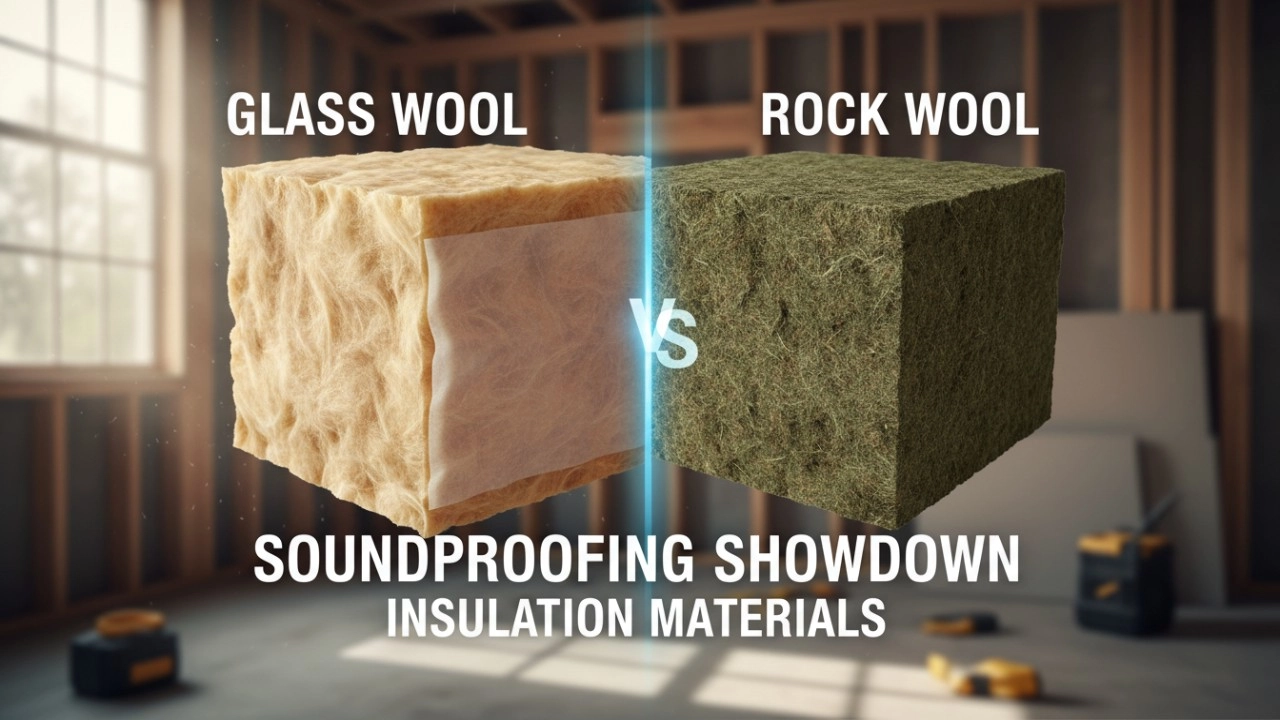
Fiberglass vs. Rockwool: Which Soundproofing Insulation Material Wins for Acoustic Control?
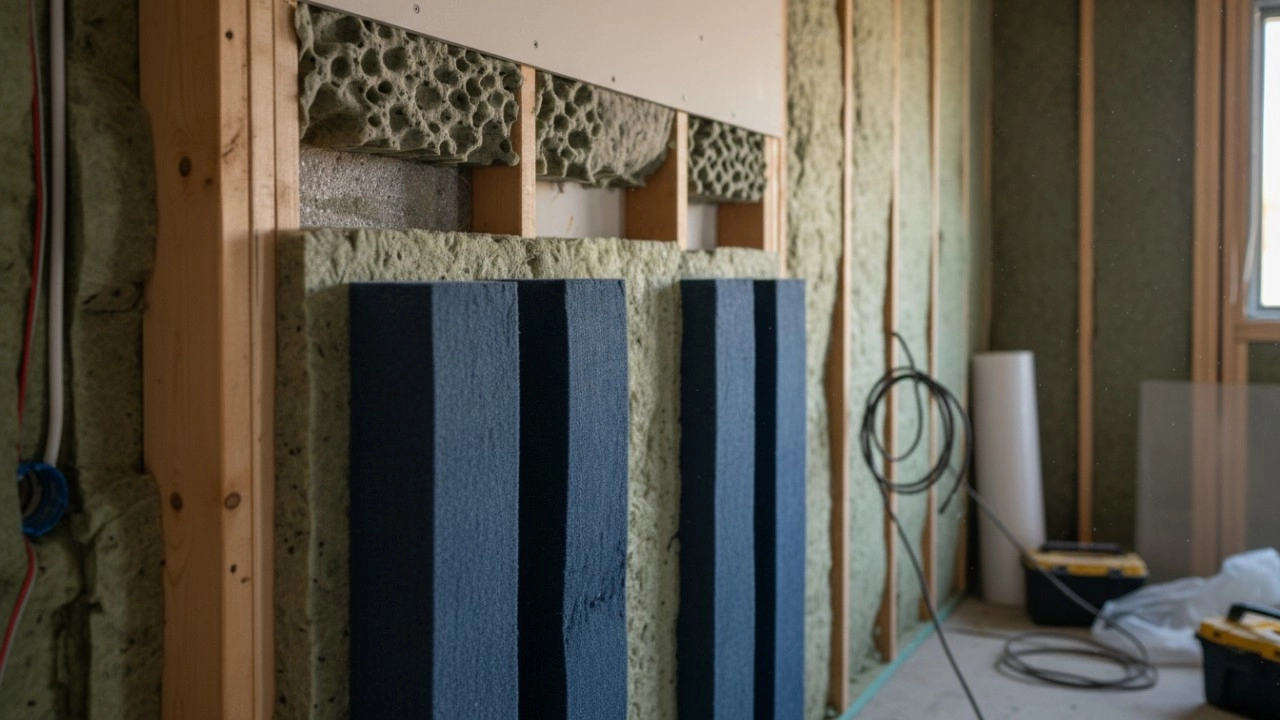
Sound Insulation Foam vs. Acoustic Panels: Which One Actually Stops Noise? (2026 Guide)
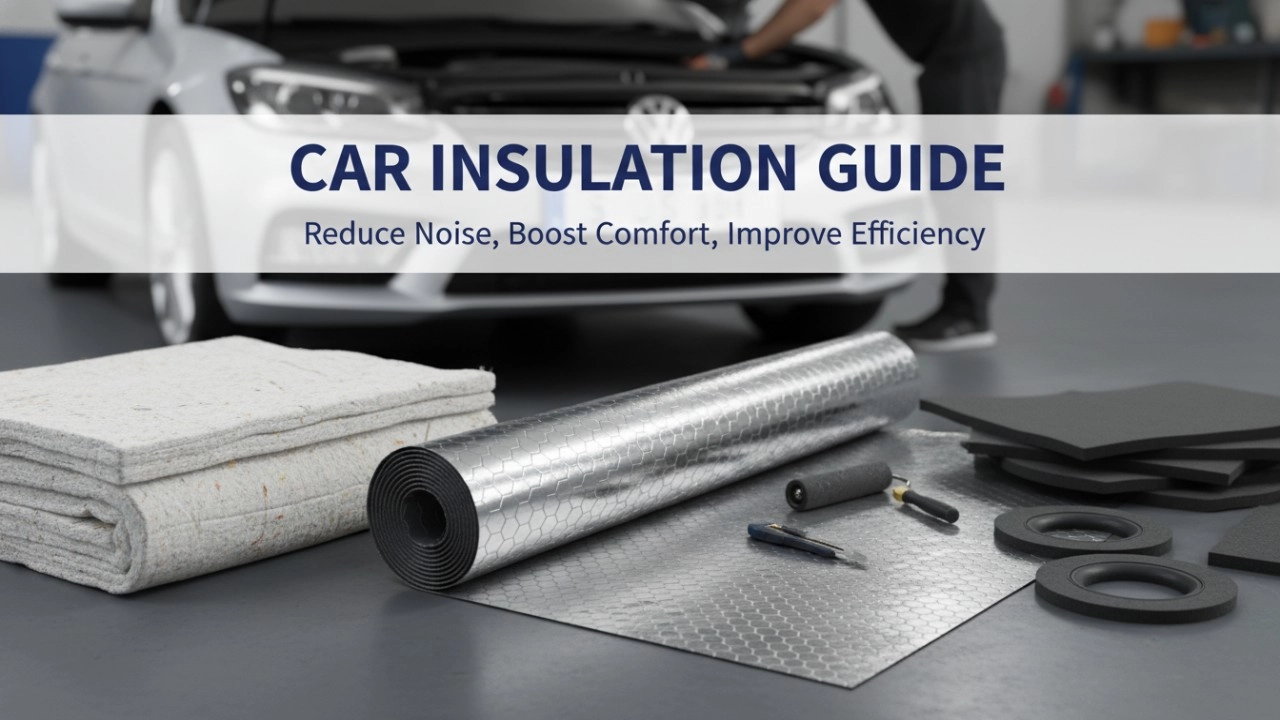
7 Dangerous Mistakes to Avoid When Selecting insulating materials for Your Car (2026 Guide)
FAQ
How to start a consultation?
You can contact us through our website, phone, or email. We will arrange a professional staff to discuss your needs about best thermal insulator and how we can help you.
How do I choose the right insulation for my project?
Our team can help you choose the best material for heat insulation based on your specific needs, such as thermal resistance, acoustic properties, and environmental conditions.
service
What is your shipping and delivery process like?
We offer reliable logistics services for insulation material wholesale, both domestically and internationally. Our team ensures secure packaging, timely shipping, and real-time tracking so that your order reaches you in perfect condition and on schedule.
How does your technical support work?
Our technical support team is available to guide you through every stage of your project—from product selection and design to installation. We provide expert consultation to ensure that you get the best insulation solution for your needs and can assist with troubleshooting if needed.
You might also like
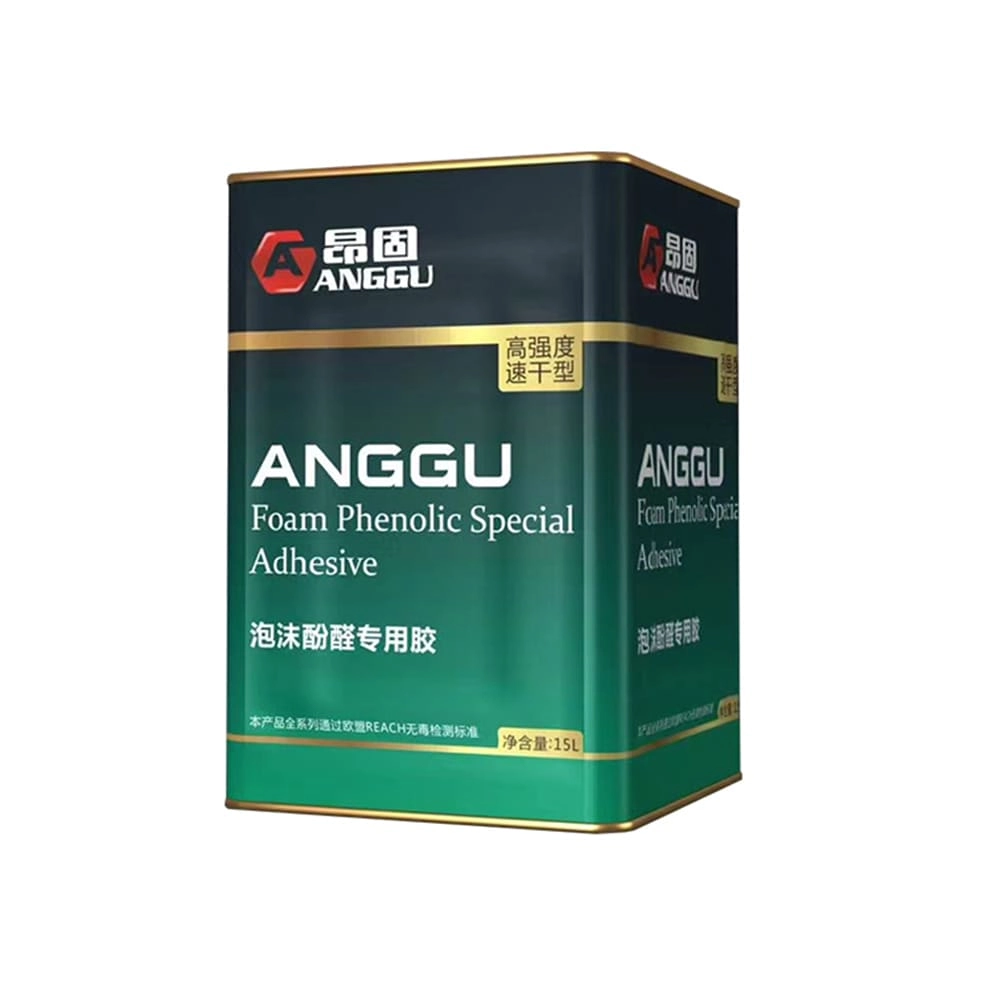
Foam Phenolic Adhesive
This product has passed the national GB33372-2020 standard and GB18583-2008 standard. (The product is a yellow liquid.)
Anggu foam phenolic glue is a kind of glue with corrosion resistance, low odor, high strength and excellent brushing property. Can be sprayed for construction with fast surface drying speed, long bonding time, no chalking and convenient operation.

Wholesale Rock Wool Mineral Wool Board Panel Sheet
High-performance rock wool board for superior thermal and acoustic insulation. A reliable choice for building projects.
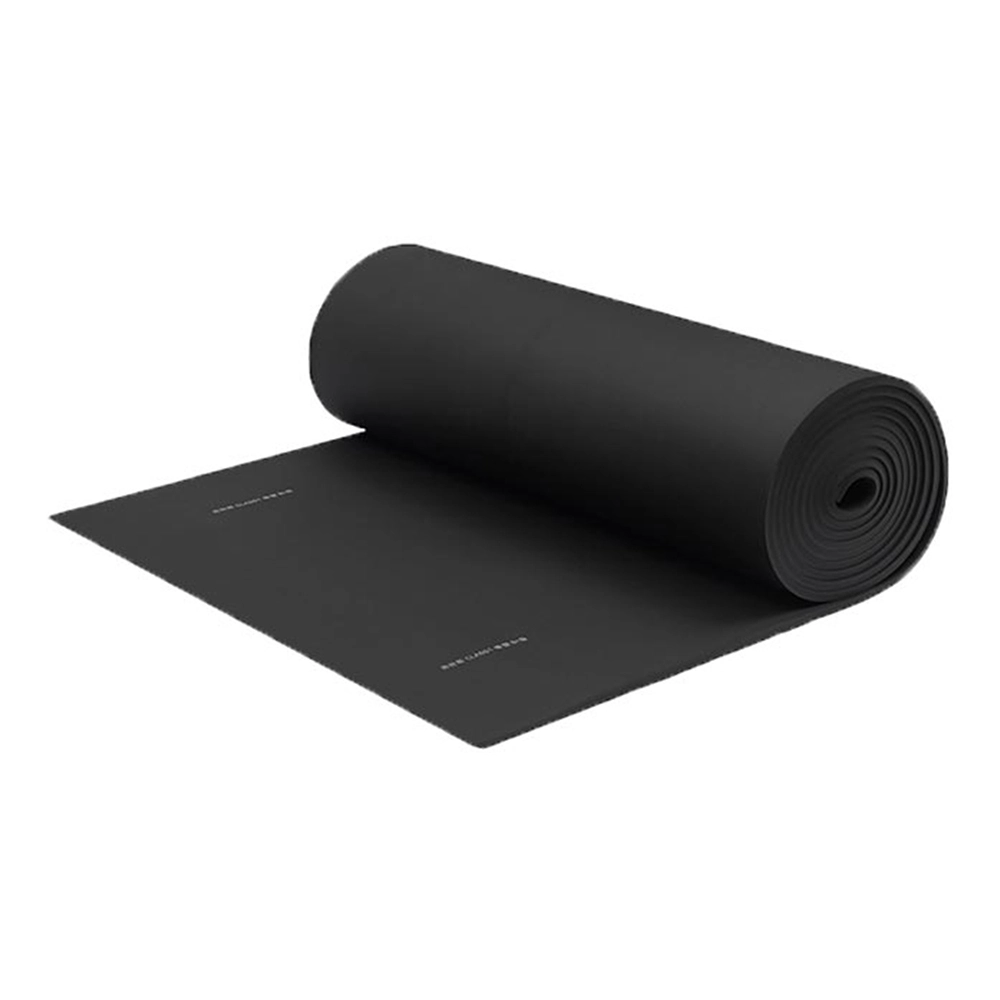
wholesale black nitrile rubber foam sheet rubber NBR foam sheet rubber foam insulation sheet for hvac system
NBR and PVC are the main raw materials, which are softthermal insulation and energy-saving materials foamedthrough special processes.
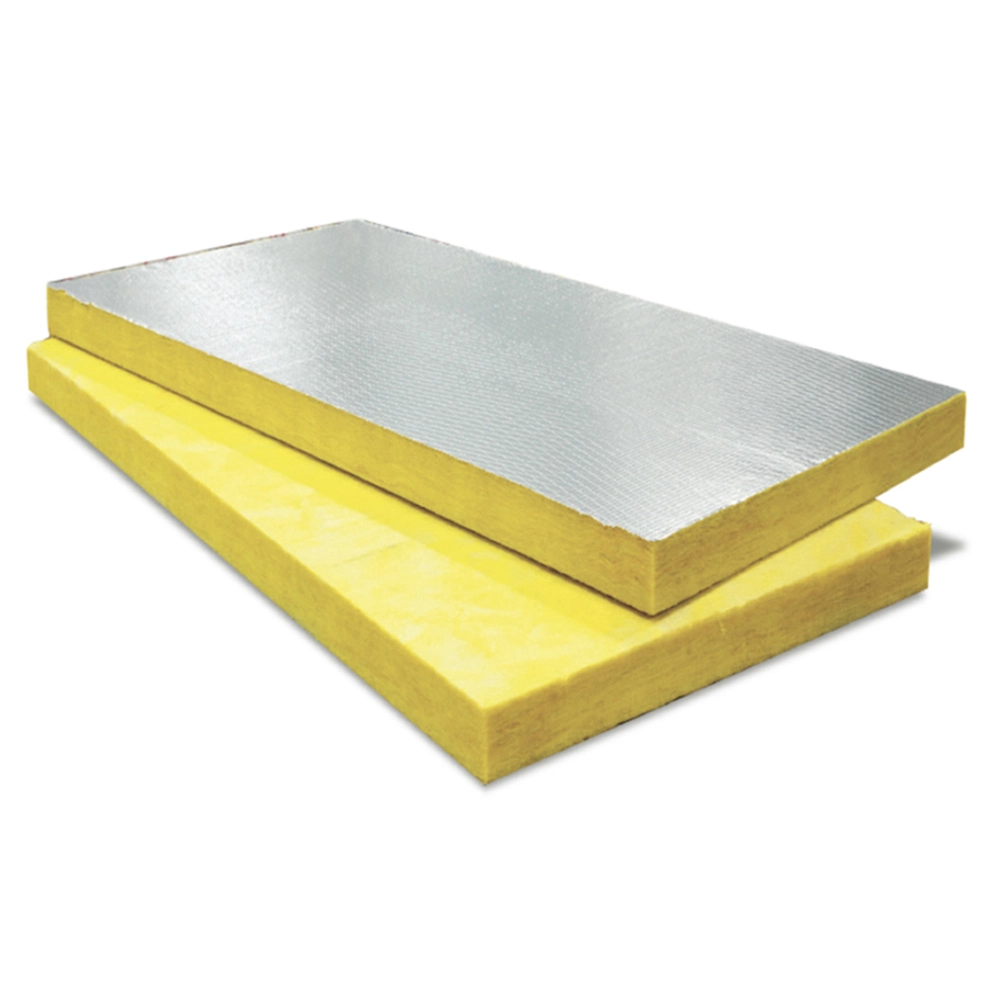
Wholesale Roof And Wall Thermal Heat Insulation 50mm Thickness Aluminum Foil Fiberglass Insulation Panel Board Glass Wool Price
Glass wool is the molten glass fiber, the formation of cotton-like material, chemical composition belongs to the glass category, is a kind of inorganic fiber. With good molding, small volume density, thermal conductivity both, thermal insulation, sound absorption performance is good, corrosion resistance, chemical stability and so on.
Leave a message
Have any questions or concerns about our products? Please leave us a message here and our team will get back to you promptly.
Your queries, ideas, and collaboration opportunities are just a click away. Let’s start a conversation.
