


















































2025 Price: Is Rockwool Cheaper than Fiberglass?
Discover the 2025 price comparison between Rockwool and fiberglass insulation with FUNAS. Dive into our in-depth analysis to find out: Is Rockwool cheaper than fiberglass? Explore cost-effectiveness, thermal efficiency, and long-term benefits to make an informed decision for your insulation needs. Stay ahead in energy efficiency and savings with our latest insights.
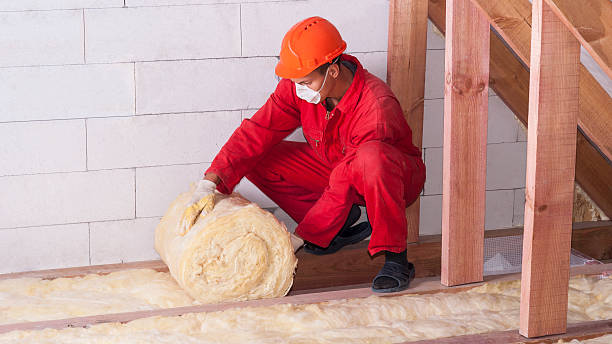
When comparing the prices of rockwool and fiberglass insulation, several factors come into play, including material costs, installation fees, and long-term energy savings. Here’s a breakdown of their price differences in 2025:
Material Cost
- Fiberglass Insulation: Generally, fiberglass is less expensive than Rockwool (also known as mineral wool) insulation. It is widely available and typically costs between $0.40 and $1.00 per square foot, depending on the type (batts, rolls, or loose-fill) and brand.
- Rockwool Insulation: Rockwool tends to be pricier, ranging from $1.00 to $2.00 per square foot. The higher cost is due to the manufacturing process and the materials involved, such as volcanic rock and basalt.
Performance and Efficiency:
While rockwool is more expensive, it is often considered a better performer in terms of fire resistance, soundproofing, and thermal insulation. It has superior durability and is water-resistant, which may justify the higher price in certain applications.
Installation Costs
- Fiberglass: fiberglass insulation is lighter and easier to handle, so installation costs tend to be lower.
- Rockwool: Rockwool is denser and heavier, which can result in slightly higher installation costs, as more labor may be needed to handle and install it.
Long-Term Savings
- Although Rockwool costs more initially, it offers better energy efficiency in terms of thermal and acoustic performance. This can lead to savings on heating and cooling bills over time, potentially offsetting the higher upfront costs.
- Fiberglass, being less dense, may not offer the same level of insulation as Rockwool in certain climates or applications, potentially leading to higher long-term energy costs.
Conclusion
Fiberglass is typically cheaper upfront, but rockwool might offer better value for specific needs due to its higher performance in terms of fire resistance, soundproofing, and durability. The choice between the two depends on your specific insulation needs, local climate, and budget.

Does sound insulation foam Actually Work in 2026? Ultimate guide About Blocking vs. Absorbing Noise
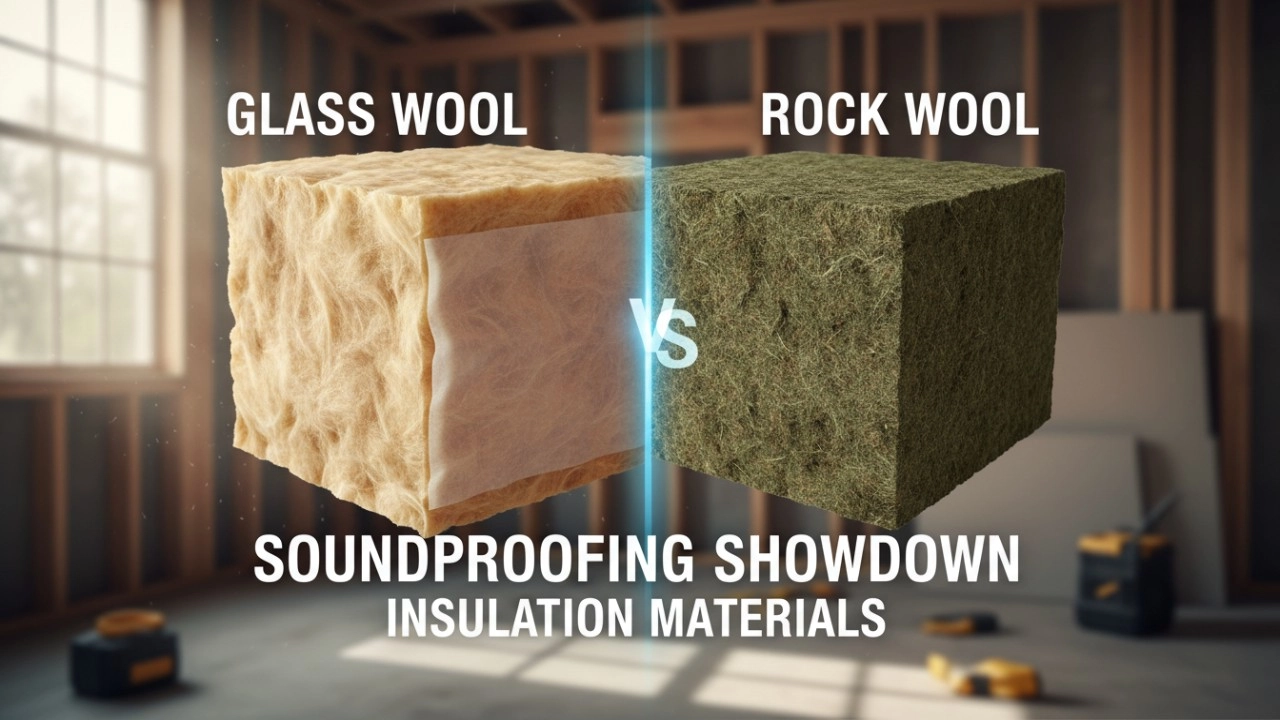
Fiberglass vs. Rockwool: Which Soundproofing Insulation Material Wins for Acoustic Control?
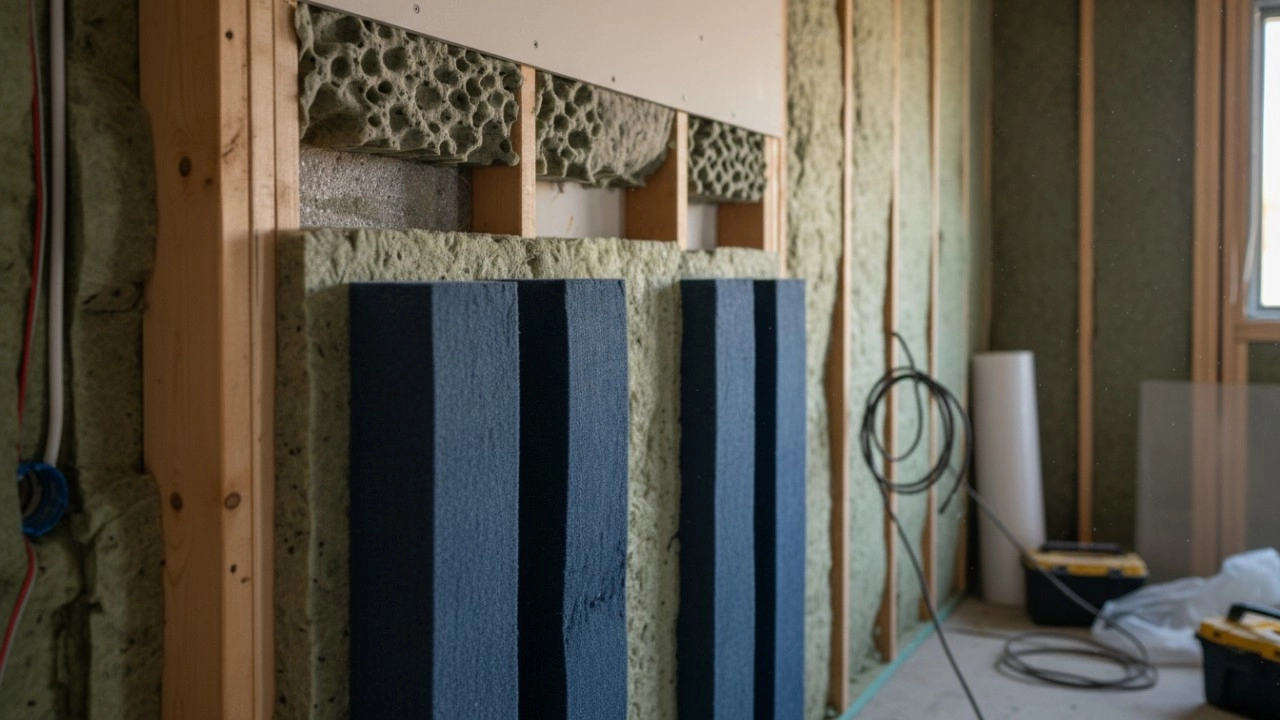
Sound Insulation Foam vs. Acoustic Panels: Which One Actually Stops Noise? (2026 Guide)

7 Dangerous Mistakes to Avoid When Selecting insulating materials for Your Car (2026 Guide)
FAQ
What is the typical delivery time for custom orders?
Our daily production capacity is 800 cubic meters. Delivery time varies depending on the complexity of the insulation material wholesale order, but we can deliver large quantities of customized products within 4-6 weeks after the approval date, and small quantities can be delivered within 15 days.
Can your insulation products be customized?
Yes, we offer customized solutions for insulation material wholesale to meet the specifications of your project, including custom specifications, sizes, foils and adhesives, colors, etc.
What types of rubber foam insulation do you offer?
We offer a wide range of rubber foam insulation with different thicknesses and specifications. Thermal insulation material manufacturer FUNAS sleeves and sheets are suitable for different application scenarios.
How do I choose the right insulation for my project?
Our team can help you choose the best material for heat insulation based on your specific needs, such as thermal resistance, acoustic properties, and environmental conditions.
You might also like

Wholesale Rock Wool Mineral Wool Board Panel Sheet
High-performance rock wool board for superior thermal and acoustic insulation. A reliable choice for building projects.

Wholesale Perfect Fire Resistant Performance High Strength Acoustic Mineral Wool Insulation Rock Wool Board Panel Plain Slab
Rock wool board, that is, a kind of exterior insulation material. When the market share of 90% of the organic thermal insulation materials in the stagnant wait-and-see, as a fire rating of A-class exterior insulation inorganic material rock wool, has ushered in an unprecedented market opportunity.
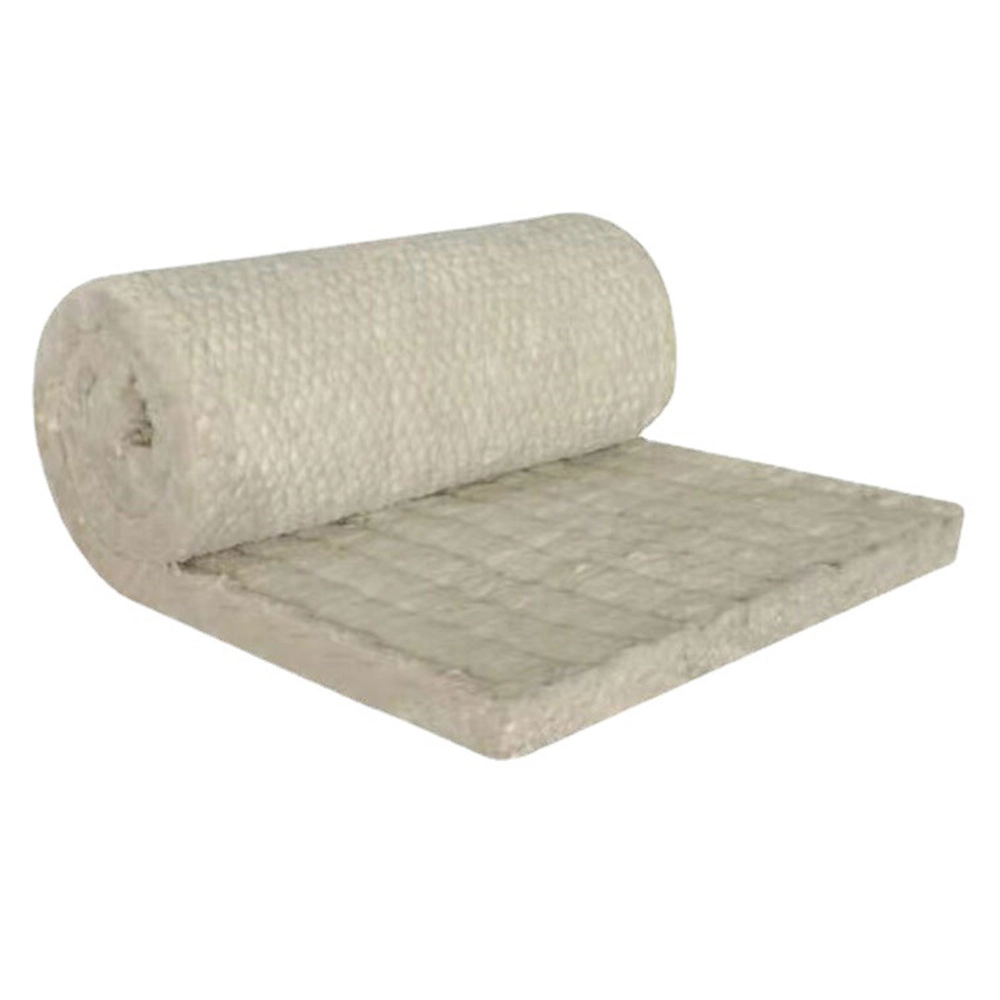
Wholesale Perfect Fire Resistant Performance High Strength Acoustic Mineral Wool Insulation Rock Wool Roll Panel Plain Slab
Rock wool, that is, a kind of exterior insulation material. When the market share of 90% of the organic thermal insulation materials in the stagnant wait-and-see, as a fire rating of A- class exterior insulation inorganic material rock wool has ushered in an unprecedented market opportunity.
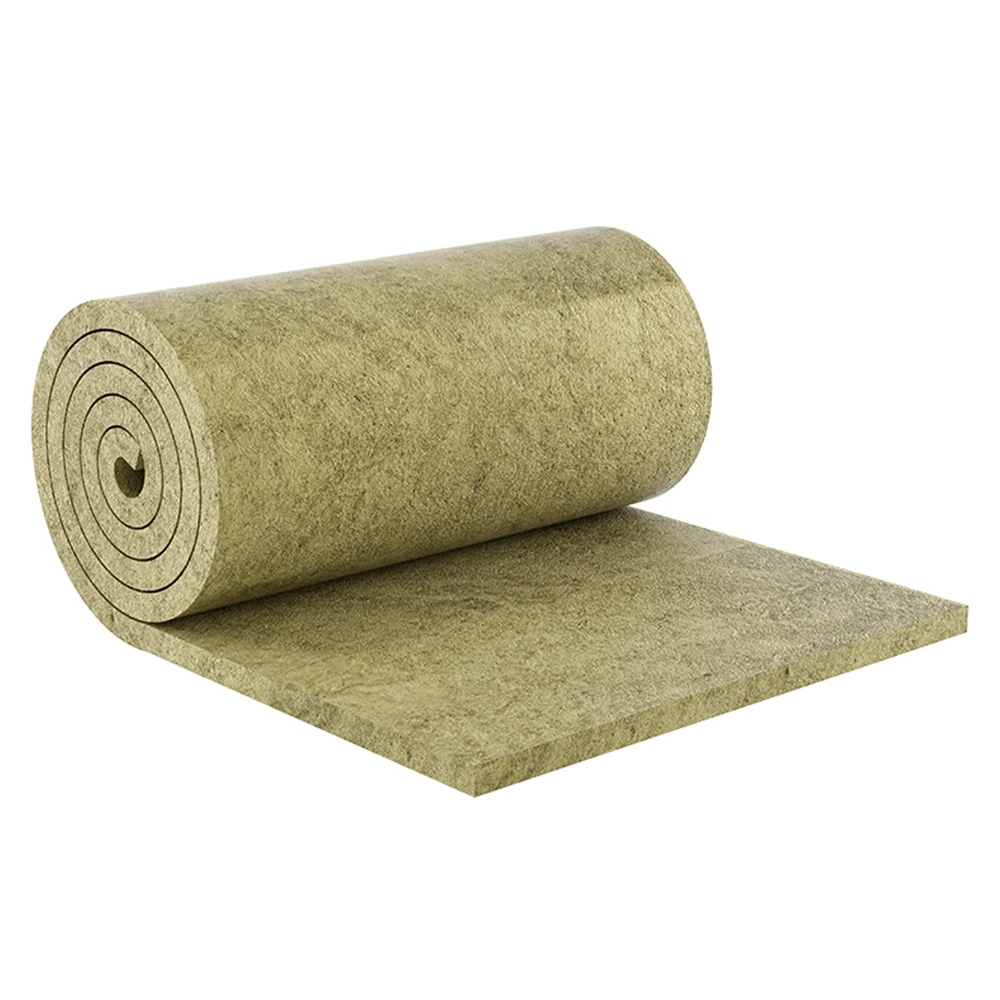
Wholesale Rock Wool Mineral Wool Roll Blanket
Durable rock wool roll with outstanding fire resistance and insulation properties. Ideal for industrial and construction applications.
Leave a message
Have any questions or concerns about our products? Please leave us a message here and our team will get back to you promptly.
Your queries, ideas, and collaboration opportunities are just a click away. Let’s start a conversation.
