


















































2025 List: What is the Best Insulation for Acoustics?
Discover the ultimate guide to the best acoustic insulation material with FUNAS. Our 2025 List reveals top insulation solutions designed to enhance soundproofing and reduce noise pollution in any environment. Explore advanced materials that deliver superior acoustic performance, ensuring peace and tranquility. Elevate your space with FUNAS, the leader in innovative insulation technology.
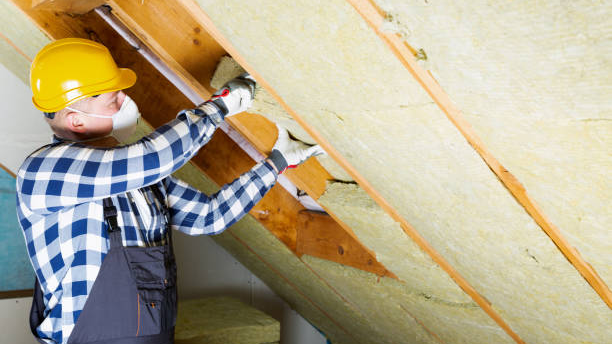
Here are the 5 best acoustic insulation materials in 2025, focusing on their ability to reduce sound transmission, improve soundproofing, and enhance acoustic performance:
Rockwool (Mineral Wool) Insulation
- Best for: Soundproofing, fire resistance, thermal insulation
- Description: Rockwool, also known as mineral wool, is one of the top choices for acoustic insulation in 2025. It provides excellent sound absorption, especially for high-frequency noise. Its dense and fibrous structure makes it highly effective at reducing both airborne and impact sounds. Rockwool also offers fire-resistant properties, which can add an extra layer of safety to your space.
- Pros: High sound absorption, fire-resistant, thermal insulator, mold-resistant.
- Cons: Can be more expensive compared to other options.
Fiberglass Insulation
- Best for: Cost-effective soundproofing, general noise reduction
- Description: Fiberglass insulation remains a popular choice for acoustic purposes due to its affordability and efficiency in reducing noise. It's particularly effective at soundproofing between walls and floors, making it a great option for both residential and commercial use. While it doesn't provide as high a sound absorption rate as Rockwool, it still delivers substantial noise control.
- Pros: Affordable, good noise reduction, widely available.
- Cons: Can irritate skin and eyes during installation; less effective at low frequencies.
Cellulose Insulation
- Best for: Green building, eco-friendly soundproofing
- Description: Made from recycled paper products, cellulose is an environmentally friendly acoustic insulation material. It is blown into cavities and attics, providing excellent sound absorption. Its dense structure helps block sound from traveling through walls and ceilings. It also reduces heat loss, contributing to energy efficiency.
- Pros: Eco-friendly, great for noise reduction, fire-resistant.
- Cons: Can settle over time, reducing its effectiveness.
Acoustic Foam Panels
- Best for: Studio and home theater acoustics
- Description: Acoustic foam panels are a popular choice for spaces that require sound absorption rather than blocking. They are ideal for reducing echo and reverberation in recording studios, home theaters, and music rooms. These panels come in various shapes and sizes and can be mounted on walls or ceilings for maximum impact.
- Pros: Lightweight, easy to install, effective for controlling echo and reverb.
- Cons: Not suitable for blocking sound from entering or leaving a room.
Cork Insulation
- Best for: Sustainable soundproofing
- Description: Cork is a natural, renewable material that is highly effective at soundproofing. It works well in reducing both airborne and impact noise. Cork insulation is often used in flooring underlays, ceilings, and walls to provide a quiet, comfortable environment. Its natural composition also makes it a sustainable choice for green building projects.
- Pros: Sustainable, excellent for impact noise, non-toxic.
- Cons: Can be more expensive than other options; not as effective for airborne sound as other materials.
Summary
For the best overall soundproofing, rockwool and fiberglass insulation are solid choices, with rockwool being better for high-end applications due to its superior sound absorption and fire resistance. If you're looking for an eco-friendly option, cellulose and cork are great alternatives. For specialized environments like studios or home theaters, acoustic foam panels provide targeted control over sound quality.
Each material has its pros and cons, so consider your specific needs, budget, and environmental priorities when choosing the right acoustic insulation for your space.

Does sound insulation foam Actually Work in 2026? Ultimate guide About Blocking vs. Absorbing Noise
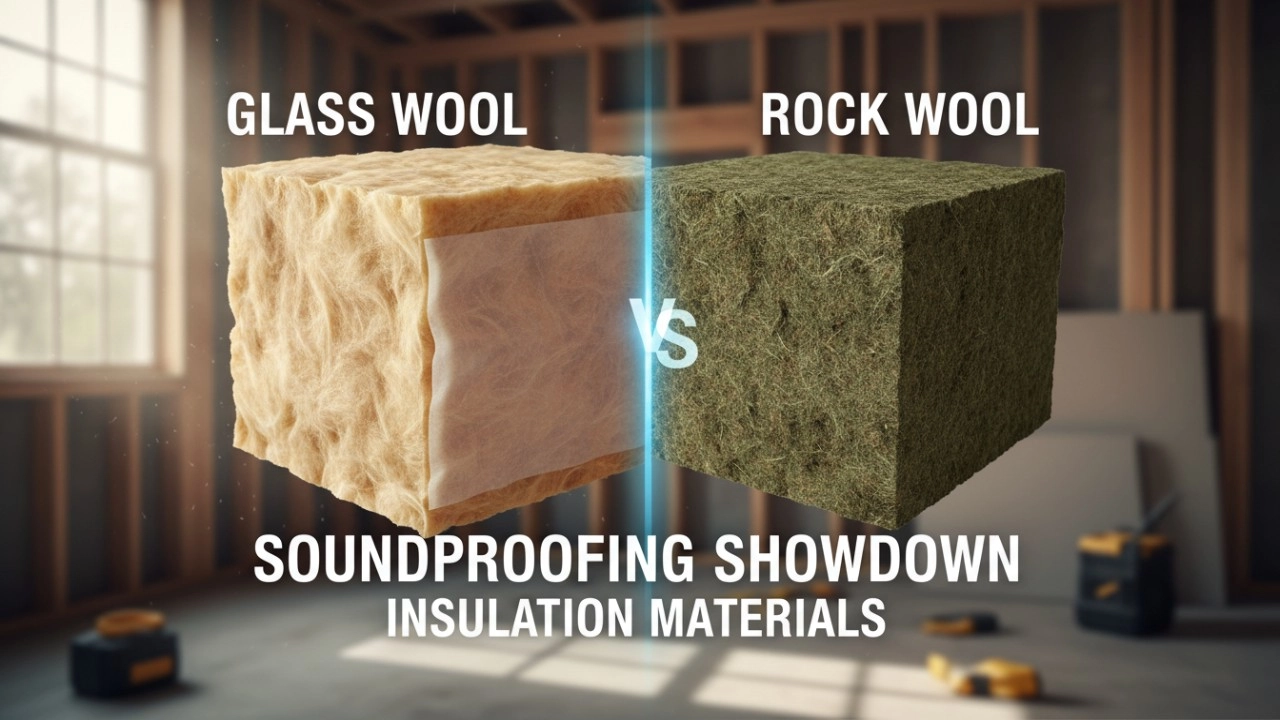
Fiberglass vs. Rockwool: Which Soundproofing Insulation Material Wins for Acoustic Control?
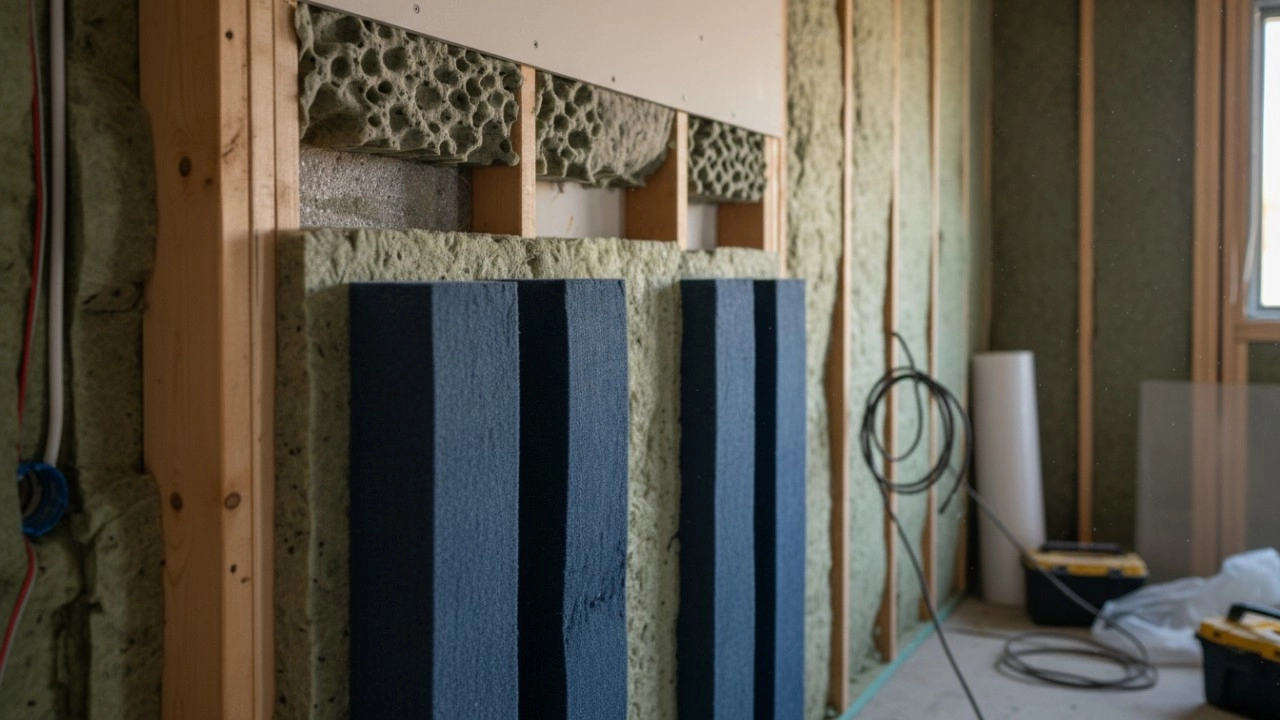
Sound Insulation Foam vs. Acoustic Panels: Which One Actually Stops Noise? (2026 Guide)
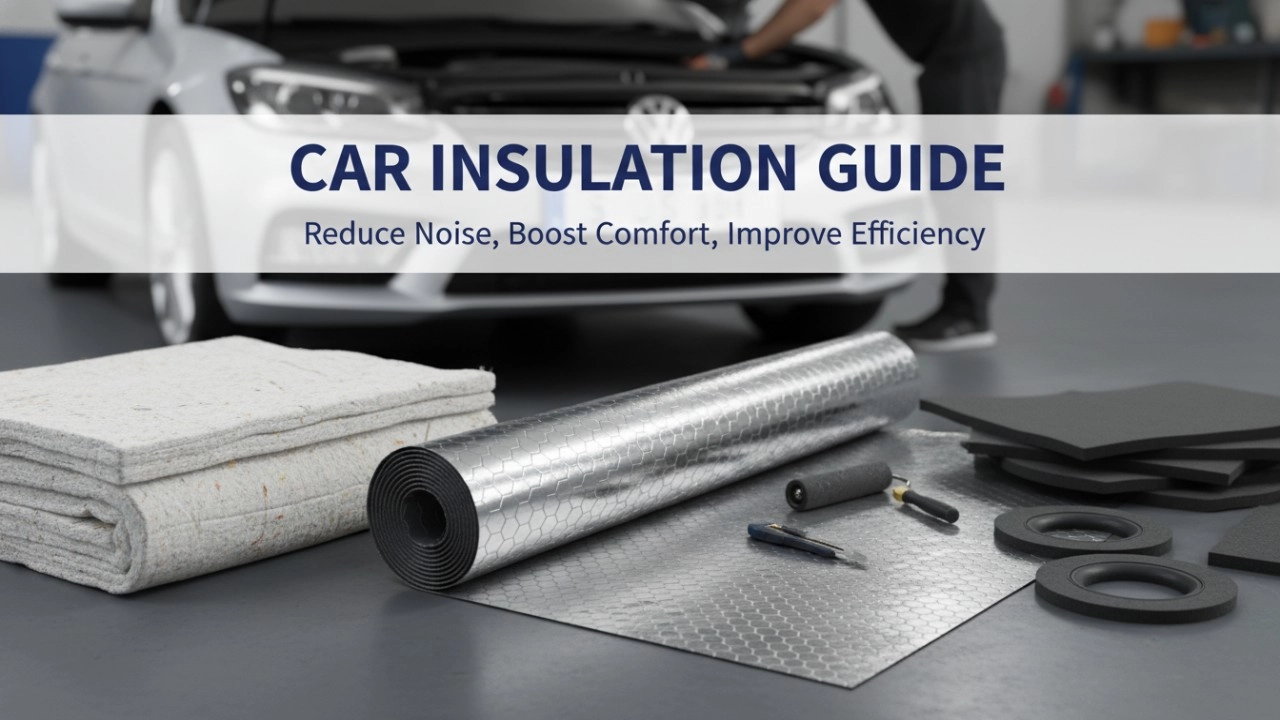
7 Dangerous Mistakes to Avoid When Selecting insulating materials for Your Car (2026 Guide)
FAQ
Can your insulation products be customized?
Yes, we offer customized solutions for insulation material wholesale to meet the specifications of your project, including custom specifications, sizes, foils and adhesives, colors, etc.
What is the typical delivery time for custom orders?
Our daily production capacity is 800 cubic meters. Delivery time varies depending on the complexity of the insulation material wholesale order, but we can deliver large quantities of customized products within 4-6 weeks after the approval date, and small quantities can be delivered within 15 days.
What types of rubber foam insulation do you offer?
We offer a wide range of rubber foam insulation with different thicknesses and specifications. Thermal insulation material manufacturer FUNAS sleeves and sheets are suitable for different application scenarios.
service
Are your rubber foam products environmentally friendly?
Yes, our insulation products are designed with sustainability in mind. They help reduce energy consumption by minimizing heat loss and gain, and they are made from durable materials that have a long life cycle, reducing the need for frequent replacement.
You might also like

Wholesale Rock Wool Mineral Wool Board Panel Sheet
High-performance rock wool board for superior thermal and acoustic insulation. A reliable choice for building projects.

Wholesale Perfect Fire Resistant Performance High Strength Acoustic Mineral Wool Insulation Rock Wool Board Panel Plain Slab
Rock wool board, that is, a kind of exterior insulation material. When the market share of 90% of the organic thermal insulation materials in the stagnant wait-and-see, as a fire rating of A-class exterior insulation inorganic material rock wool, has ushered in an unprecedented market opportunity.
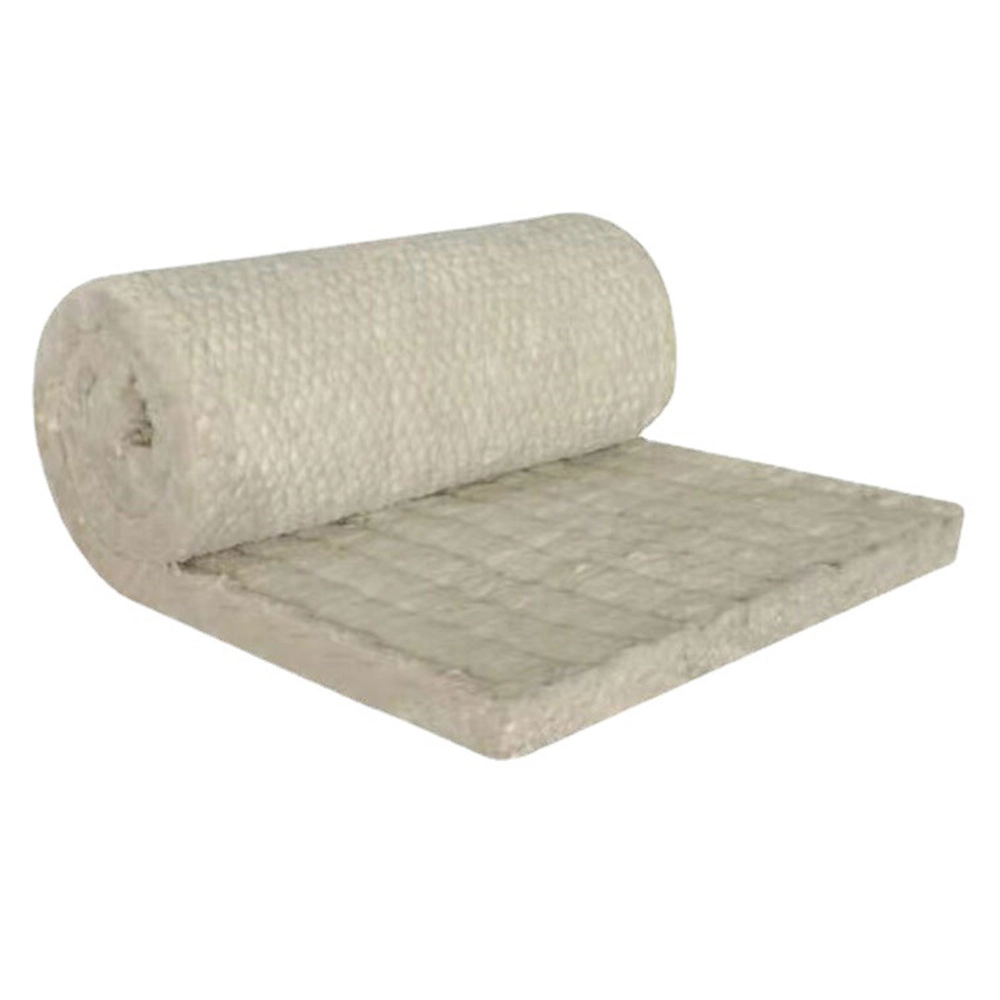
Wholesale Perfect Fire Resistant Performance High Strength Acoustic Mineral Wool Insulation Rock Wool Roll Panel Plain Slab
Rock wool, that is, a kind of exterior insulation material. When the market share of 90% of the organic thermal insulation materials in the stagnant wait-and-see, as a fire rating of A- class exterior insulation inorganic material rock wool has ushered in an unprecedented market opportunity.
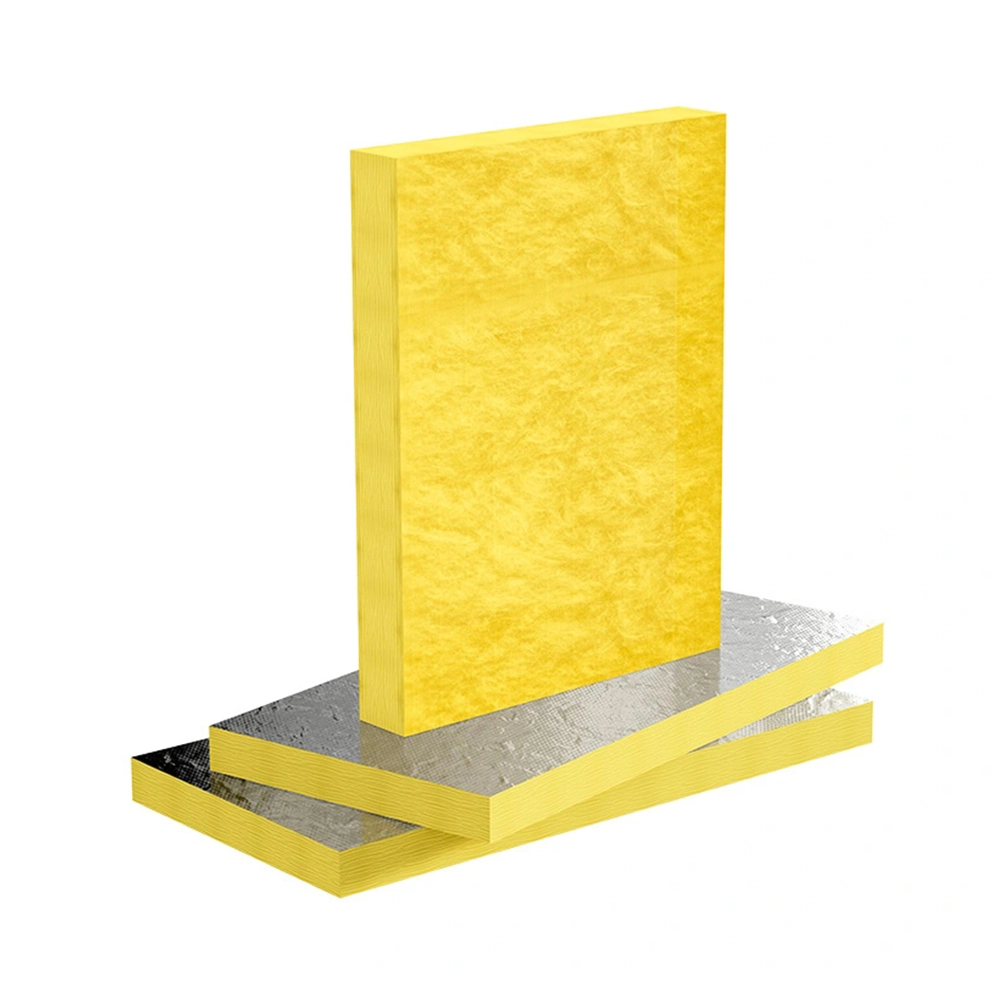
Wholesale Glass Wool Board Panel Sheet with or without aluminum foil
Premium glass wool board with excellent thermal insulation and sound absorption. Suitable for different construction needs.
Leave a message
Have any questions or concerns about our products? Please leave us a message here and our team will get back to you promptly.
Your queries, ideas, and collaboration opportunities are just a click away. Let’s start a conversation.
