


















































What is Rock Wool? A Comprehensive Guide
Discover the essentials of rock wool with FUNAS's comprehensive guide. Learn what rock wool is and how this versatile material can enhance insulation in various applications. Perfect for energy efficiency, soundproofing, and fire resistance, rock wool is an innovative solution. Explore our guide for in-depth insights on using rock wool for optimal performance.
What is Rock Wool?
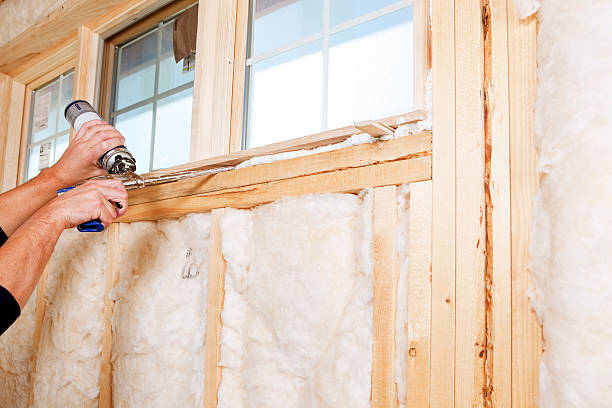
What are the Cons and Pros of Rock Wool?
Pros of Rock Wool
-
Fire Resistance: Rock wool is incombustible, which makes it ideal for use in fire-resistant insulation. It can handle heat up to 1000 degrees Celsius and as such suitable for fire resistance walls, ceilings and floors.
-
Soundproofing: Because of its texture, rock wool has good sound absorption characteristics that make it suitable for use in sound insulation in structures and industries.
-
Thermal Insulation: Rock wool has better thermal insulating characteristics and that means that it can keep warm during the winter and cool during the summer.
-
Moisture Resistance: Rock wool is non-absorbent to water, does not support mold, mildew, or rot formation, and thus can have a longer service life in damp conditions.
Cons of Rock Wool
-
Itchy Sensation: Rock wool has a fibrous structure, and when one is handling it, it may result in skin irritation and itching; hence, when installing it, one should wear protective gloves and clothing.
-
Cost: In terms of price, rock wool may be slightly more expensive than other types of insulation materials, such as fiberglass; thus, it may be important for cost-sensitive projects.
-
Environmental Impact: Rock wool is derived from natural volcanic rocks, but manufacturing the product involves the use of large amounts of energy, hence environmentally sensitive.
-
Rock Wool vs Fiberglass
| Feature | Rock Wool | Fiberglass |
| Material Composition | Made from basalt and diabase rocks | Made from fine glass fibers |
| Thermal Insulation | Superior thermal insulation properties | Effective but generally less efficient than rock wool |
| Fire Resistance | Highly fire-resistant, can withstand extreme temperatures | Fire-resistant but less effective at high temperatures |
| Soundproofing | Excellent sound absorption properties | Good soundproofing but not as effective as rock wool |
| Moisture Resistance | Does not absorb moisture, resistant to mold | Absorbs moisture and can promote mold growth if not properly sealed |
What is Rock Wool Made Out Of?
How is Rock Wool Used?
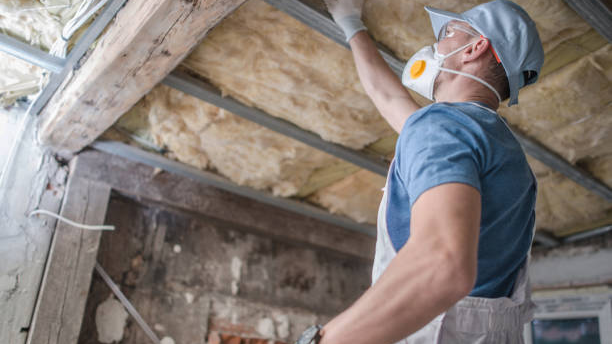
How to Install Rock Wool Insulation?
-
Fire Resistance: Rock wool is incombustible, which makes it ideal for use in fire-resistant insulation. It can handle heat up to 1000 degrees Celsius and as such suitable for fire resistance walls, ceilings and floors.
-
Soundproofing: Because of its texture, rock wool has good sound absorption characteristics that make it suitable for use in sound insulation in structures and industries.
-
Thermal Insulation: Rock wool has better thermal insulating characteristics and that means that it can keep warm during the winter and cool during the summer.
-
Moisture Resistance: Rock wool is non-absorbent to water, does not support mold, mildew, or rot formation, and thus can have a longer service life in damp conditions.
Conclusion
FAQs

Does sound insulation foam Actually Work in 2026? Ultimate guide About Blocking vs. Absorbing Noise
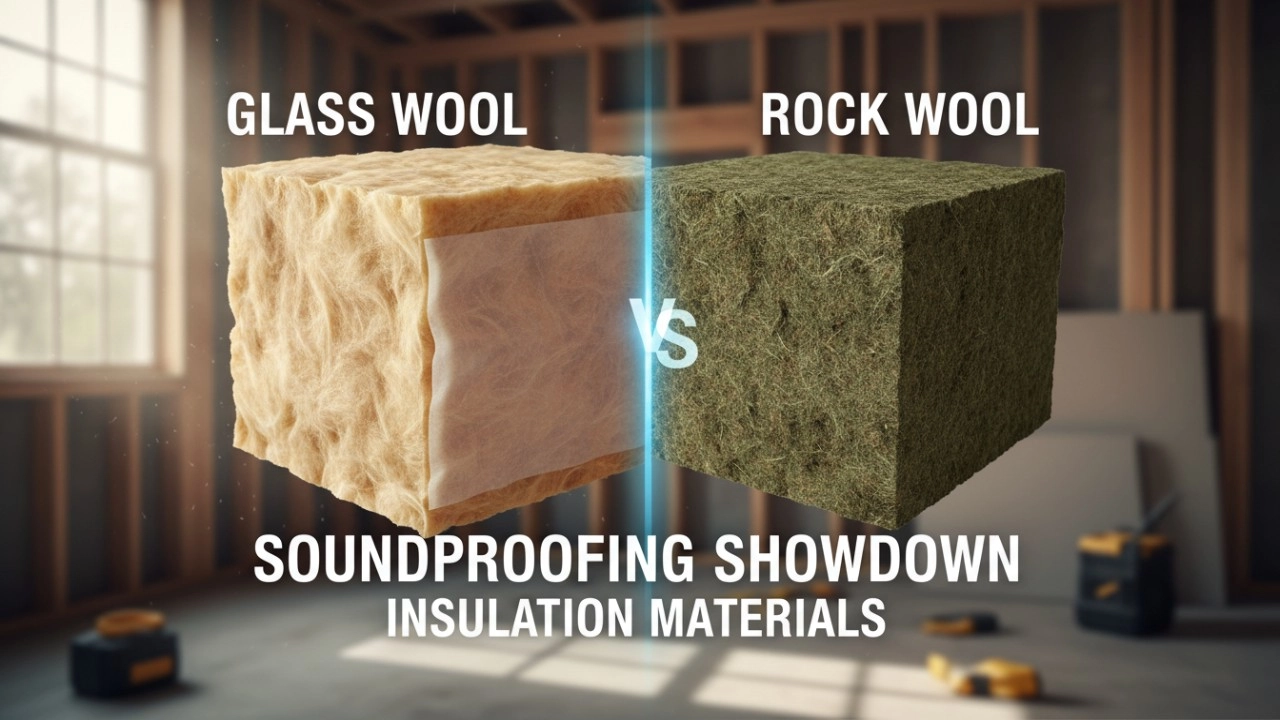
Fiberglass vs. Rockwool: Which Soundproofing Insulation Material Wins for Acoustic Control?
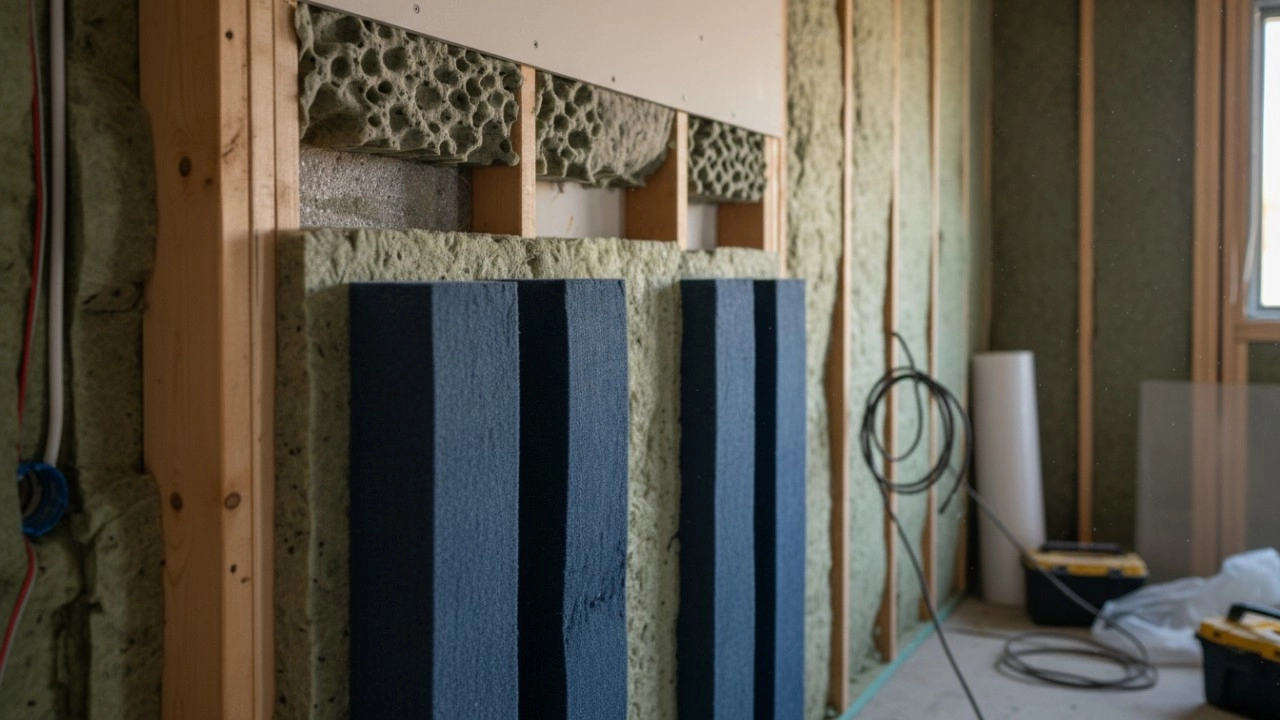
Sound Insulation Foam vs. Acoustic Panels: Which One Actually Stops Noise? (2026 Guide)

7 Dangerous Mistakes to Avoid When Selecting insulating materials for Your Car (2026 Guide)
service
Are your rubber foam products environmentally friendly?
Yes, our insulation products are designed with sustainability in mind. They help reduce energy consumption by minimizing heat loss and gain, and they are made from durable materials that have a long life cycle, reducing the need for frequent replacement.
FAQ
What types of rubber foam insulation do you offer?
We offer a wide range of rubber foam insulation with different thicknesses and specifications. Thermal insulation material manufacturer FUNAS sleeves and sheets are suitable for different application scenarios.
How do I choose the right insulation for my project?
Our team can help you choose the best material for heat insulation based on your specific needs, such as thermal resistance, acoustic properties, and environmental conditions.
Can your insulation products be customized?
Yes, we offer customized solutions for insulation material wholesale to meet the specifications of your project, including custom specifications, sizes, foils and adhesives, colors, etc.
You might also like

Wholesale Rock Wool Mineral Wool Board Panel Sheet
High-performance rock wool board for superior thermal and acoustic insulation. A reliable choice for building projects.
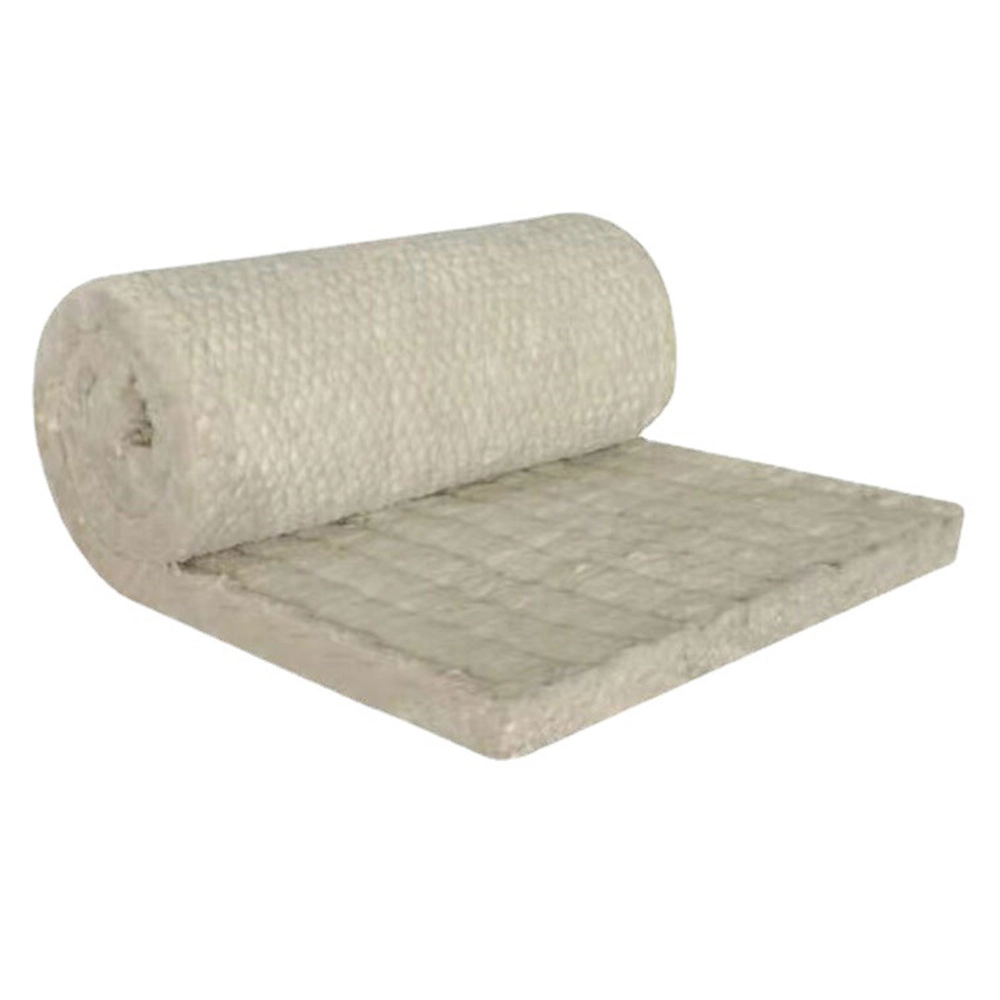
Wholesale Perfect Fire Resistant Performance High Strength Acoustic Mineral Wool Insulation Rock Wool Roll Panel Plain Slab
Rock wool, that is, a kind of exterior insulation material. When the market share of 90% of the organic thermal insulation materials in the stagnant wait-and-see, as a fire rating of A- class exterior insulation inorganic material rock wool has ushered in an unprecedented market opportunity.

Wholesale Perfect Fire Resistant Performance High Strength Acoustic Mineral Wool Insulation Rock Wool Board Panel Plain Slab
Rock wool board, that is, a kind of exterior insulation material. When the market share of 90% of the organic thermal insulation materials in the stagnant wait-and-see, as a fire rating of A-class exterior insulation inorganic material rock wool, has ushered in an unprecedented market opportunity.
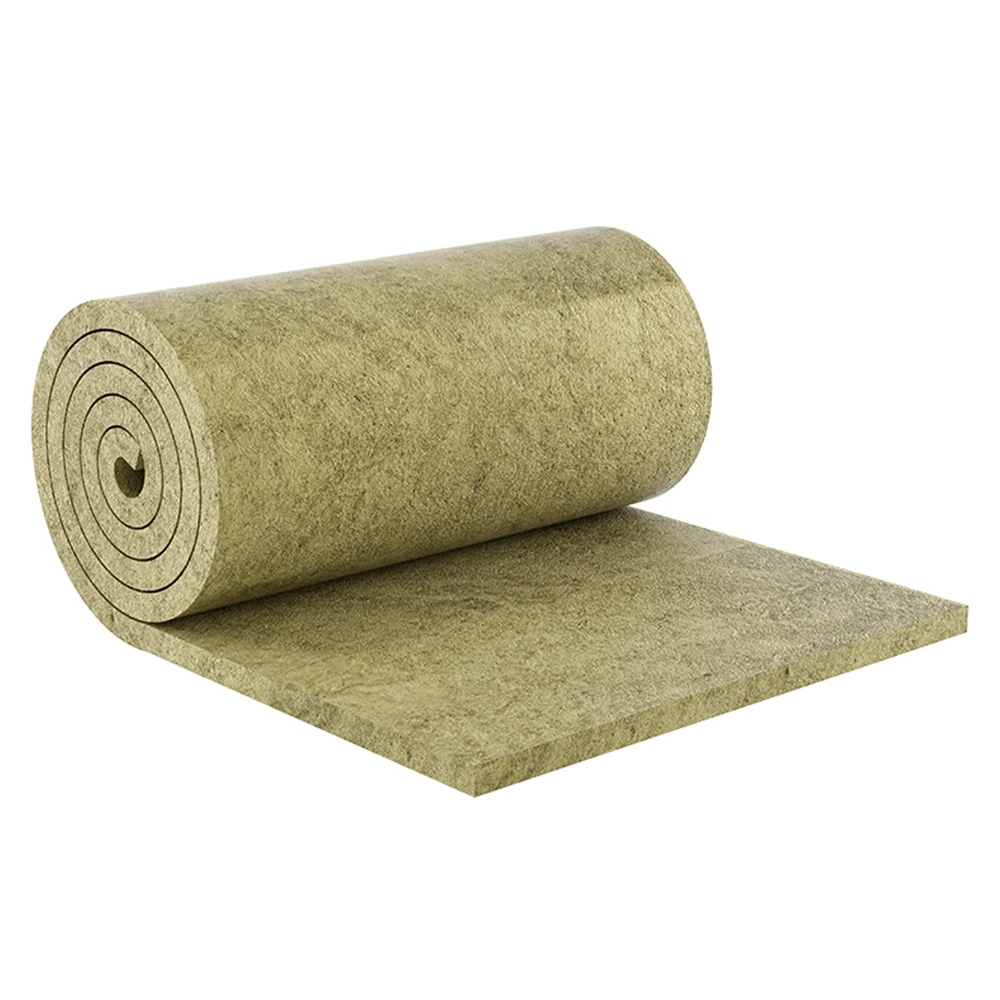
Wholesale Rock Wool Mineral Wool Roll Blanket
Durable rock wool roll with outstanding fire resistance and insulation properties. Ideal for industrial and construction applications.
Leave a message
Have any questions or concerns about our products? Please leave us a message here and our team will get back to you promptly.
Your queries, ideas, and collaboration opportunities are just a click away. Let’s start a conversation.
