













































Best Way to Cut Foam Rubber: Expert Tips for Clean and Precise Cuts

Friday, 12/27/2024

Discover the best way to cut foam rubber with FUNAS's expert tips for achieving clean and precise cuts. Our comprehensive guide offers practical techniques and tools to ensure seamless results every time. Elevate your project quality by mastering the art of foam rubber cutting. Trust FUNAS for professional insights that transform your cutting experience.

Why Cutting Foam Rubber Requires Precision
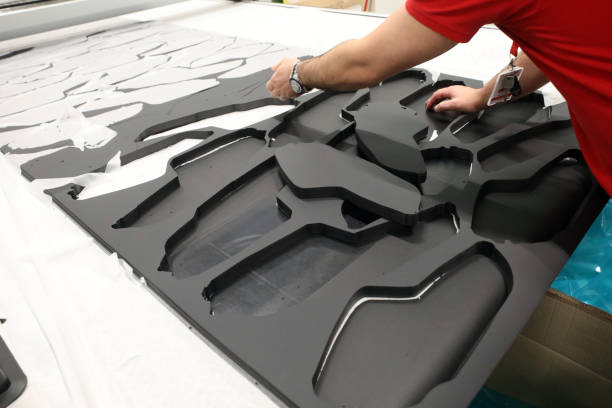
Cut foam rubber shapes on a cutting mat.
 
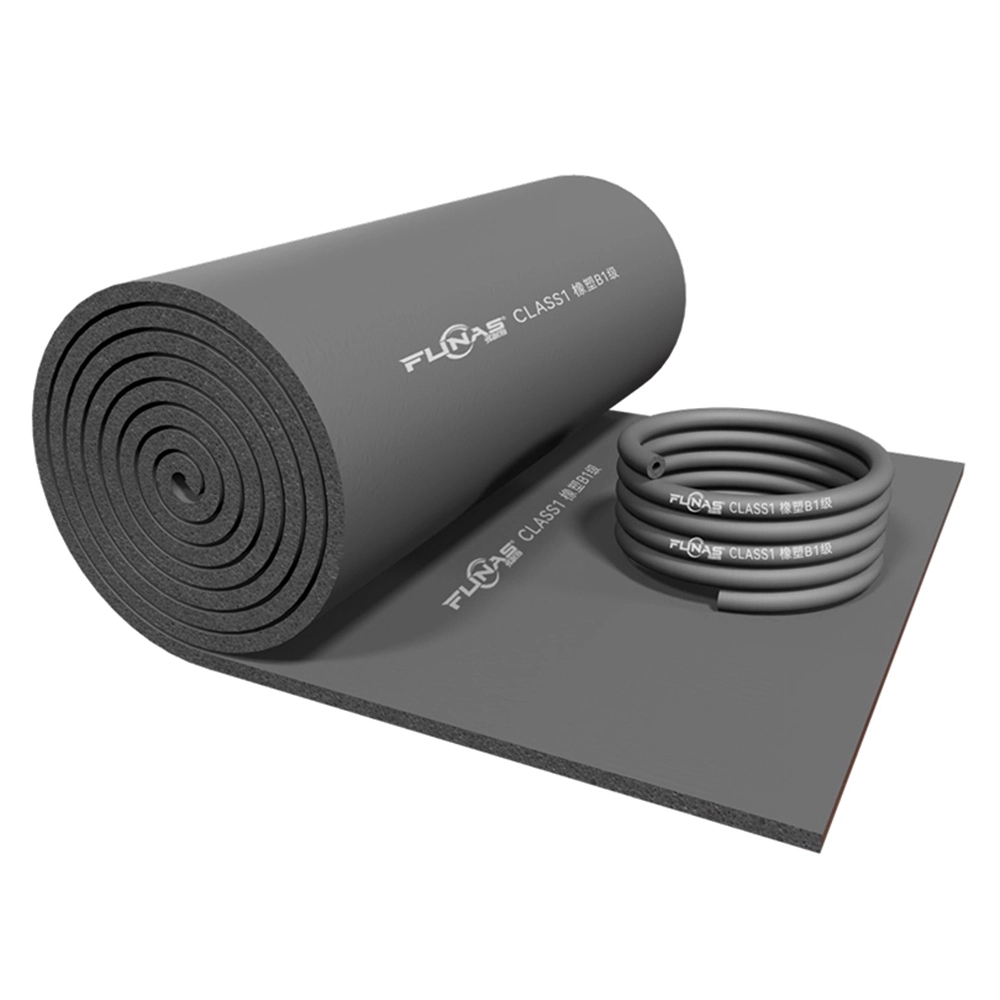
Foam rubber is the material that is widely used in different spheres, including the furniture industry, sound insulation, etc. However, cutting it may seem a little difficult to many. It is not easy to achieve a clean, accurate cut if one is not using the right tools or methods. Regardless of the type of foam rubber you are cutting for arts and crafts, home improvement, or commercial use, it is crucial to get it right. This is because improper cutting methods result in frayed edges and shapes, in addition to the wastage of materials in large projects.
 
Foam rubber is available in different densities, and therefore the method that you apply should depend on the thickness and firmness of the foam. It is critical to cut it precisely if you want your project to retain its appearance and purpose. This article will provide information on how to get the best out of foam rubber cutting with the right tools, methods, and advice. After reading this article, you should have all the details that are required to enable you to cut foam effectively for repair or for carving elaborate shapes.

Best Ways to Cut Foam Rubber

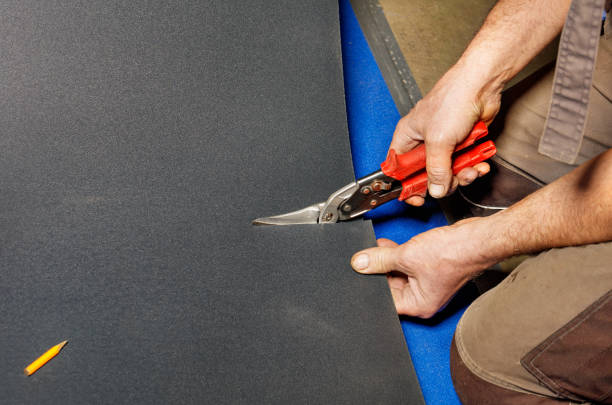
Best way to cut foam rubber: using sharp shears.
 
Using Scissors or Utility Knives
The most traditional technique of foam rubber cutting is by using a scissor or a utility blade. Scissors are recommended for cutting small and soft foam rubber sheets, while utility knives are preferred for larger, thicker, or firmer foam rubber sheets. Slicing with utility knives is easier, and it is possible to make deep cuts that will not have rough edges. When cutting the foam, one should ensure that the blade is sharp to minimize compressing or ripping the foam.
For the thinner foam sheets, the normal scissors may be effective, but for the thicker foam, a utility knife will provide a neater cut. Make sure to work on a cutting mat or any other protective surface to prevent scratching the work surface or blunting the knife.
 
Using an Electric Foam Cutter
For larger or more industrial-scale projects, the electric foam cutter is a godsend for cutting foam materials. This tool employs heat to cut through foam rubber, and this technique is very effective and fast to give a clean cut without having to worry about the foam tearing. Electric foam cutters are most suitable for dense foam because they heat the foam and cut through it along the cutting edge.
There are various types of electric foam cutters based on size and usage, such as portable foam cutters and table-mounted foam cutters. These tools are perfect for anyone who uses foam cutting as part of their job or for those who cut foam often and desire precision and accuracy. They are not ideal for all projects, including minor ones.

Detailed Steps for Cutting Foam Rubber
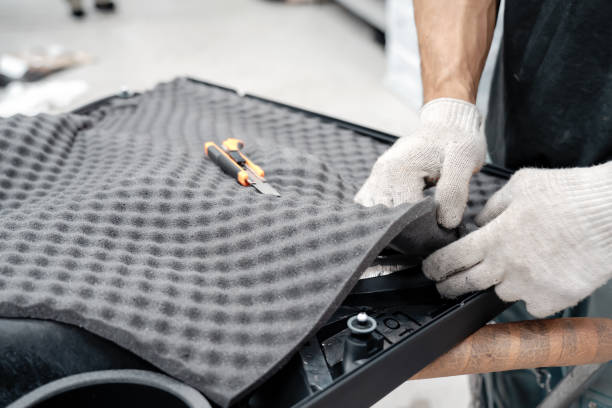
Hands in gloves cut foam rubber sheet with utility knife.
 
To achieve the best results, follow these steps when cutting foam rubber:
  1. Measure and Mark the Foam: Use a ruler and a fabric marker to measure and mark your cutting lines. Ensure the lines are straight, as this will make your cuts cleaner and more precise.
  2. Choose Your Cutting Tool: Depending on the thickness and density of your foam rubber, select either scissors, a utility knife, or an electric foam cutter. Make sure the tool you use is sharp and appropriate for the foam's density.
  3. Prepare Your Workspace: Place a cutting mat or protective surface under your foam to protect both the foam and your work surface from damage.
  4. Cut Along the Marked Lines: If you’re using scissors, carefully cut along the lines. For a utility knife, score along the marked line and then use a back-and-forth motion to slice through the foam. If you’re using an electric foam cutter, guide the tool along the lines to make the cut.
  5. Smooth the Edges: After cutting, if there are any rough edges, you can use sandpaper or a foam smoothing tool to achieve a smoother finish.

How to Choose the Right Tool for Your Needs?

When choosing the best way to cut foam rubber, it’s crucial to consider the type of foam you’re working with and the scope of your project. Here are some tips for selecting the right tool:
  1. Scissors: Best for thin, soft foam sheets.
  2. Utility Knives: Ideal for thicker foam or longer cuts.
  3. Electric Foam Cutter: Perfect for large projects or high-density foam where precision is critical.
  4. Foam Saw: Suitable for larger pieces of foam, especially if you need to make deep cuts.
If you're a DIY enthusiast working on a small project, scissors or utility knives may be sufficient. However, for professional use, especially with thicker or more complex foam types, an electric foam cutter might be the better option.

Tips for Achieving Clean Cuts

To ensure your cuts are as clean and precise as possible, follow these expert tips:
  1. Keep Your Blade Sharp: Whether you're using scissors or a utility knife, make sure the blade is sharp. A dull blade can crush the foam, leading to ragged edges.
  2. Use a Cutting Mat: Always cut foam rubber on a cutting mat to protect your surface and preserve your tools.
  3. Cut Slowly and Steadily: Rushing can lead to uneven cuts. Take your time and apply even pressure to get the best results.
  4. Consider the Foam Density: The denser the foam, the more pressure you'll need to apply. For softer foams, a gentle touch will suffice, but for denser ones, a stronger, more controlled approach is necessary.
  5. Use the Right Technique: When using a utility knife, score the foam lightly first before cutting through. For electric cutters, keep the tool moving at a steady pace to avoid burning the foam.

Conclusion

Cutting foam rubber doesn’t have to be difficult or frustrating. By using the right tools and techniques, you can achieve precise, clean cuts every time. Whether you’re working on a DIY project or tackling industrial-scale tasks, understanding the best way to cut foam rubber will save you time and materials.
If you’re looking for high-quality insulation materials wholesale, consider checking out FUNAS, a leading manufacturer of premium foam products. Visit their heat insulation materials products for more information on their top-of-the-line foam rubber solutions that can take your project to the next level.

FAQs

What is the best tool to cut thick foam rubber?
For thick foam rubber, an electric foam cutter is the best tool, as it can slice through the foam smoothly without causing it to tear. A sharp utility knife can also work, but it may require more effort.
Why is rubber a good insulator? 
Rubber is a good insulator because it has low electrical conductivity, preventing the flow of electricity and protecting against electric shocks.
Can I use a jigsaw to cut foam rubber?
A jigsaw can be used to cut foam rubber, but it is generally not recommended for finer, more precise cuts. The rough edges can be difficult to smooth out afterward.
How do I avoid frayed edges when cutting foam?
To avoid frayed edges, always use a sharp blade or an electric cutter. Cutting slowly and steadily also helps to minimize any tearing or fraying.
The cost of rubber foam insulation typically ranges from $0.50 to $2.50 per square foot, depending on thickness, brand, and quality.
Tags
car floor insulation
sound deadening material
rockwool fireproof insulation wholsale in Boston
rockwool fireproof insulation wholsale in United States
best car noise insulation
insulation for vehicles
Recommended for you
Chilled water pipe insulation with insulated support inserts and metal hangers in a commercial mechanical room - FUNAS

How Should Chilled Water Pipe Supports Be Insulated to Prevent Condensation?

How Should Chilled Water Pipe Supports Be Insulated to Prevent Condensation?
chilled-water-pipe-insulation-sweating-after-replacement - FUNAS

Why Is Chilled Water Pipe Insulation Still Sweating After Replacement?

Why Is Chilled Water Pipe Insulation Still Sweating After Replacement?
rubber-foam-insulation-installation-mistakes-cover - FUNAS

7 Rubber Foam Insulation Installation Mistakes That Cause Condensation

7 Rubber Foam Insulation Installation Mistakes That Cause Condensation
insulation-thickness-hot-humid-conditions-cover - FUNAS

How to Choose Insulation Thickness for Hot and Humid Conditions

How to Choose Insulation Thickness for Hot and Humid Conditions
Product Categories
FAQ
FAQ
Do you provide samples before bulk orders?

Yes, samples can be provided for quality checking before bulk purchase. Sample availability, size, and delivery cost may vary depending on the product and destination.

What insulation products do you supply?

We supply rubber foam insulation, glass wool insulation, rock wool insulation, XPS insulation boards, acoustic foam products, and thermal insulation adhesive. These products are commonly used in HVAC systems, construction projects, industrial equipment, and acoustic applications.

service
What certificates or test reports can you provide?

We can provide available certificates, test reports, and product documents according to the product type and project requirements. If your project requires a specific standard, please confirm with us before ordering.

Can you arrange international shipping?

Yes. We can help arrange international shipping by sea, air, or express depending on the order volume and delivery needs. We can also work with your appointed freight forwarder if required.

You might also like

rubber pipe insulation - FUNAS

NBR Rubber Foam Pipe Insulation for HVAC Systems

FUNAS NBR Rubber Foam Pipe Insulation is a flexible closed-cell insulation tube designed for HVAC, air conditioning, chilled water and industrial piping systems. The rubber foam structure helps reduce heat loss, control condensation and support stable thermal performance in commercial and industrial projects. Available in multiple inner diameter and thickness options, this black rubber foam pipe can be supplied for wholesale orders, project procurement and customized insulation requirements.

NBR Rubber Foam Pipe Insulation for HVAC Systems
rubber foam - FUNAS

Custom NBR/PVC Rubber Foam Sheet for HVAC Duct Insulation

FUNAS NBR/PVC Rubber Foam Sheet is a flexible closed-cell elastomeric insulation material designed for HVAC ducts, cooling pipelines, large pipe surfaces and industrial equipment insulation. Produced through FUNAS factory production lines, the sheet helps reduce heat transfer, support condensation control and improve installation efficiency for commercial and industrial projects. Sizes, thicknesses and roll dimensions can be customized for different project requirements, with adhesive backing or aluminum foil facing options available upon request. It is suitable for contractors, distributors and B2B buyers looking for factory-direct rubber foam insulation sheet supply.

Custom NBR/PVC Rubber Foam Sheet for HVAC Duct Insulation
Thursday, 12/18/2025
How long does rubber foam insulation last?
Explore the properties, applications, and benefits of rubber foam insulation to make informed procurement decisions in the thermal insulation industry. Learn about its thermal conductivity, types, and advantages over traditional materials.
How long does rubber foam insulation last?
Wednesday, 12/17/2025
What affects rubber foam's thermal conductivity?
Explore the factors influencing rubber foam's thermal conductivity, its benefits, and how to select the right material for thermal insulation applications.
What affects rubber foam's thermal conductivity?
Tuesday, 12/16/2025
Is rubber foam suitable for HVAC duct insulation?
Explore the benefits, considerations, and applications of rubber foam insulation in HVAC ductwork, providing essential knowledge for professionals in the thermal insulation materials industry.
Is rubber foam suitable for HVAC duct insulation?
Monday, 12/15/2025
What Is Rubber Foam Insulation and Where Is It Used?

Rubber foam insulation is widely used around chilled-water pipes, refrigerant lines, HVAC ducts and equipment surfaces, but the material name does not define a complete specification. This guide explains how closed-cell flexible elastomeric foam works, when tube or sheet formats are appropriate, where its limitations begin, and which product data project buyers should verify before approval or quotation.

What Is Rubber Foam Insulation and Where Is It Used?

Leave a message

Have any questions or concerns about our products? Please leave us a message here and our team will get back to you promptly.

Your queries, ideas, and collaboration opportunities are just a click away. Let’s start a conversation.

Name must not exceed 100 characters.
Your name
Invalid email format or length exceeds 100 characters. Please re-enter.
Your business email address
Please enter a valid phone number!
Your phone / WhatsApp number
Company Name must not exceed 150 characters.
Your company name
Content must not exceed 3000 characters.
Tell us the product, size, quantity, application or project details you need.
Contact customer service

How can we help?

Hi,

If you are interested in our products / thermal insulation solutions or have any doubts, please be sure to let us know so that we can help you better.

Name must not exceed 100 characters.
Your name
Invalid email format or length exceeds 100 characters. Please re-enter.
Your business email address
Please enter a valid phone number!
Your phone / WhatsApp number
Company Name must not exceed 150 characters.
Your company name
Content must not exceed 3000 characters.
Tell us the product, size, quantity, application or project details you need.
Ɨ

Get a Free Quote

Hi,

If you are interested in our products / thermal insulation solutions or have any doubts, please be sure to let us know so that we can help you better.

Name must not exceed 100 characters.
Your name
Invalid email format or length exceeds 100 characters. Please re-enter.
Your business email address
Please enter a valid phone number!
Your phone / WhatsApp number
Company Name must not exceed 150 characters.
Your company name
Content must not exceed 3000 characters.
Tell us the product, size, quantity, application or project details you need.
Ɨ

Send my request

Hi,

If you are interested in our products / thermal insulation solutions or have any doubts, please be sure to let us know so that we can help you better.

Name must not exceed 100 characters.
Your name
Invalid email format or length exceeds 100 characters. Please re-enter.
Your business email address
Please enter a valid phone number!
Your phone / WhatsApp number
Company Name must not exceed 150 characters.
Your company name
Content must not exceed 3000 characters.
Tell us the product, size, quantity, application or project details you need.
Ɨ
English
English
Spanish
Spanish
Portuguese
Portuguese
Russian
Russian
French
French
Japanese
Japanese
German
German
Italian
Italian
Dutch
Dutch
Thai
Thai
Polish
Polish
Korean
Korean
Swedish
Swedish
Hungarian
Hungarian
Malay
Malay
Bengali
Bengali
Danish
Danish
Finnish
Finnish
Filipino
Filipino
Irish
Irish
Arabic
Arabic
Norwegian
Norwegian
Urdu
Urdu
Czech
Czech
Greek
Greek
Ukrainian
Ukrainian
Persian
Persian
Nepali
Nepali
Myanmar (Burmese)
Myanmar (Burmese)
Bulgarian
Bulgarian
Lao
Lao
Latin
Latin
Kazakh
Kazakh
Basque
Basque
Azerbaijani
Azerbaijani
Slovak
Slovak
Macedonian
Macedonian
Lithuanian
Lithuanian
Estonian
Estonian
Romanian
Romanian
Slovenian
Slovenian
Marathi
Marathi
Serbian
Serbian
Belarusian
Belarusian
Vietnamese
Vietnamese
Kyrgyz
Kyrgyz
Mongolian
Mongolian
Tajik
Tajik
Uzbek
Uzbek
Hawaiian
Hawaiian
Current language: