


















































Type of Foam: What is the Best Type of Foam?
Discover the best type of foam with FUNAS, your trusted source for quality materials. Our comprehensive guide on the "Type of Foam" helps you understand which foam suits your needs best. Whether it's for furniture, bedding, or insulation, explore the benefits and features of various foams to make an informed choice. Find the perfect foam type with FUNAS today!
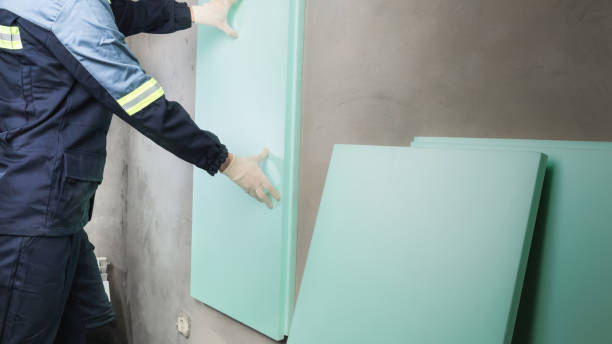
The best type of foam depends on its intended use. Various types of foam serve different purposes, each with its own characteristics. Here are some of the most common types of foam and their best uses:
1. Memory Foam (Viscoelastic Foam)
- Best For: Mattresses, pillows, and cushioning.
- Key Characteristics: Conforms to the body’s shape and returns to its original form after pressure is released. It provides excellent support and pressure relief, making it ideal for sleeping surfaces and comfort products.
2. Polyurethane Foam
- Best For: Upholstery, cushions, mattresses, and insulation.
- Key Characteristics: Lightweight, versatile, and inexpensive. It comes in different densities, offering varying levels of firmness and durability. While less durable than memory foam, polyurethane foam is commonly used in furniture and automotive seating.
3. Latex Foam
- Best For: Mattresses, pillows, and ergonomic seating.
- Key Characteristics: Naturally hypoallergenic, resistant to dust mites and mold. It provides great support and is more responsive than memory foam. It also has a cooler feel due to its open-cell structure.
4. High-Density Foam
- Best For: Furniture, mattresses, and acoustic panels.
- Key Characteristics: Durable and firm, this foam is often used in furniture that needs to withstand heavy use or in applications where a sturdy, supportive foam is required
- .
5. Open-Cell Foam
- Best For: Insulation, soundproofing, and lightweight cushioning.
- Key Characteristics: Has interconnected pores that allow air to pass through, making it lightweight and breathable. It’s commonly used for soundproofing and insulation due to its open structure, which also helps in reducing moisture retention.
6. Closed-Cell Foam
- Best For: Floats, flotation devices, and weatherproofing.
- Key Characteristics: The foam cells are tightly packed, making it more rigid, durable, and resistant to water and moisture. It’s often used for buoyancy applications like life vests, or for weather stripping and padding that requires moisture resistance.
7. EVA Foam (Ethylene Vinyl Acetate)
- Best For: Footwear, sports mats, and yoga mats.
- Key Characteristics: Lightweight, flexible, and durable. EVA foam is soft yet firm enough to provide cushioning. It is commonly used for footwear insoles, mats, and protective pads.
8. Polyethylene Foam
- Best For: Packaging, protective cases, and mats.
- Key Characteristics: Known for its toughness and resistance to impact, it’s often used for protective packaging, padding fragile items, or as insulation. It’s also resistant to moisture and chemicals.
9. Reticulated Foam (Filter Foam)
- Best For: Filtration, medical devices, and aquatic applications.
- Key Characteristics: This foam has a highly porous structure, making it ideal for air and liquid filtration. It’s also used in medical products and some aquatic filters due to its open-cell structure and lightweight nature.
10. Acoustic Foam
- Best For: Soundproofing, home theaters, and studios.
- Key Characteristics: Specially designed to absorb sound waves and reduce noise. These foams are typically made of open-cell polyurethane or melamine and are used to control sound reflections and reduce echo.
Summary:
The best type of foam depends on the specific needs of the application. For comfort and support, memory foam and latex foam are typically the best options, offering excellent pressure relief and body-conforming properties. When it comes to insulation or soundproofing, open-cell foam or acoustic foam are ideal, as they are designed to absorb sound and provide effective thermal insulation. For moisture resistance and durability, closed-cell foam or polyethylene foam excel, offering resistance to water and impact, making them perfect for outdoor or protective applications. For lightweight applications like sports gear or mats, EVA foam is often the top choice due to its flexibility, cushioning, and durability. Ultimately, the "best" foam is determined by the specific requirements of the task at hand.

Does sound insulation foam Actually Work in 2026? Ultimate guide About Blocking vs. Absorbing Noise
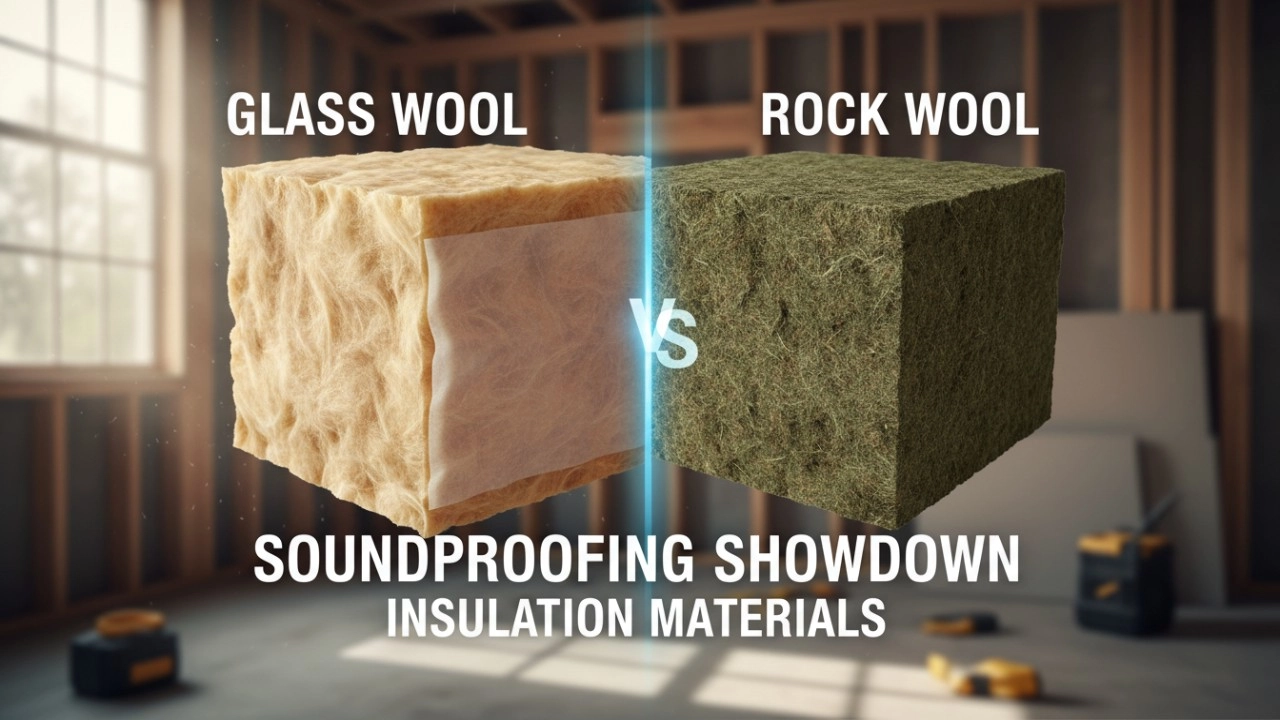
Fiberglass vs. Rockwool: Which Soundproofing Insulation Material Wins for Acoustic Control?
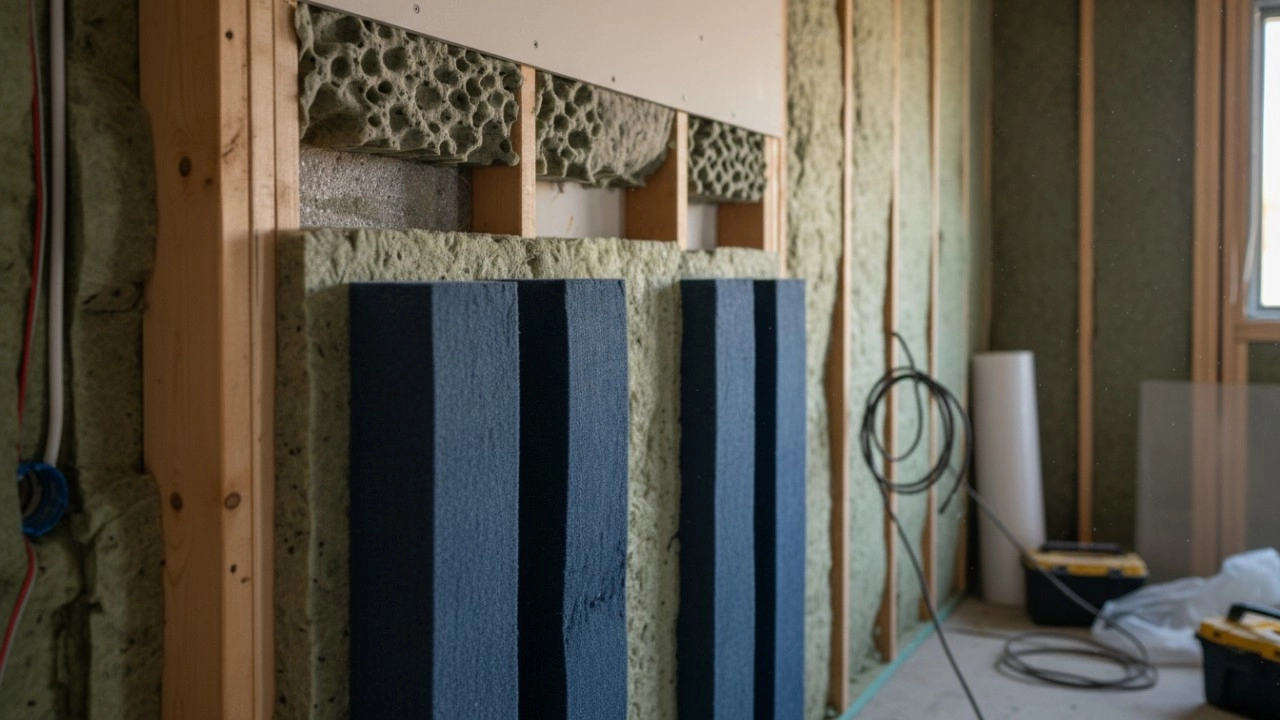
Sound Insulation Foam vs. Acoustic Panels: Which One Actually Stops Noise? (2026 Guide)
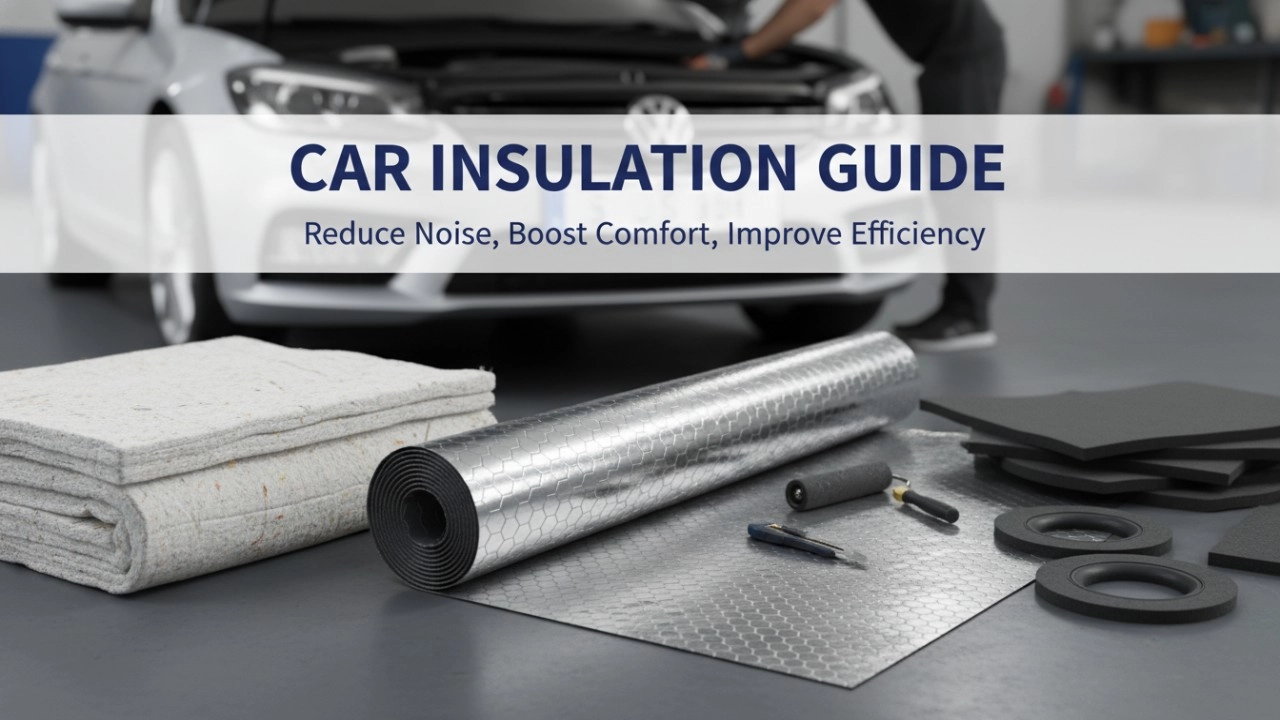
7 Dangerous Mistakes to Avoid When Selecting insulating materials for Your Car (2026 Guide)
service
What is your shipping and delivery process like?
We offer reliable logistics services for insulation material wholesale, both domestically and internationally. Our team ensures secure packaging, timely shipping, and real-time tracking so that your order reaches you in perfect condition and on schedule.
Are your rubber foam products environmentally friendly?
Yes, our insulation products are designed with sustainability in mind. They help reduce energy consumption by minimizing heat loss and gain, and they are made from durable materials that have a long life cycle, reducing the need for frequent replacement.
FAQ
What is the typical delivery time for custom orders?
Our daily production capacity is 800 cubic meters. Delivery time varies depending on the complexity of the insulation material wholesale order, but we can deliver large quantities of customized products within 4-6 weeks after the approval date, and small quantities can be delivered within 15 days.
What types of rubber foam insulation do you offer?
We offer a wide range of rubber foam insulation with different thicknesses and specifications. Thermal insulation material manufacturer FUNAS sleeves and sheets are suitable for different application scenarios.
You might also like
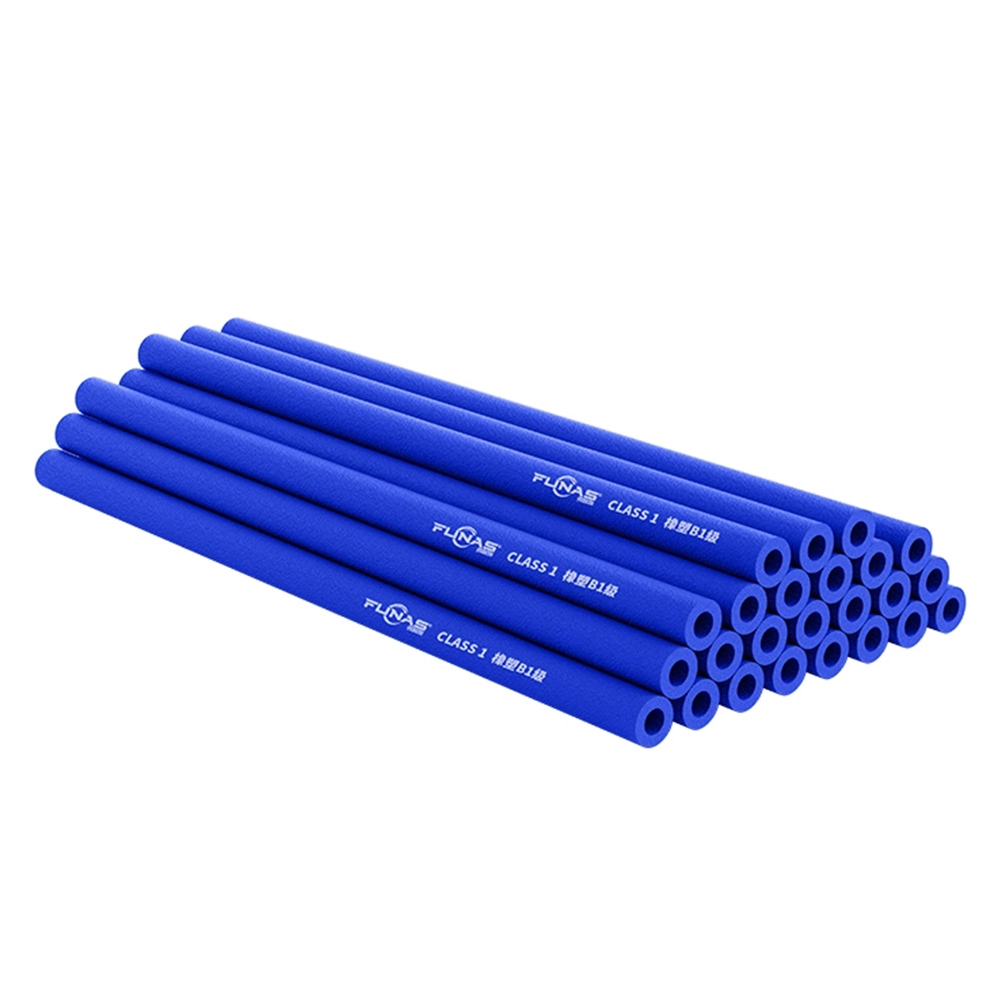
Blue Rubber-plastic Tube Rubber foam pipe wholesale
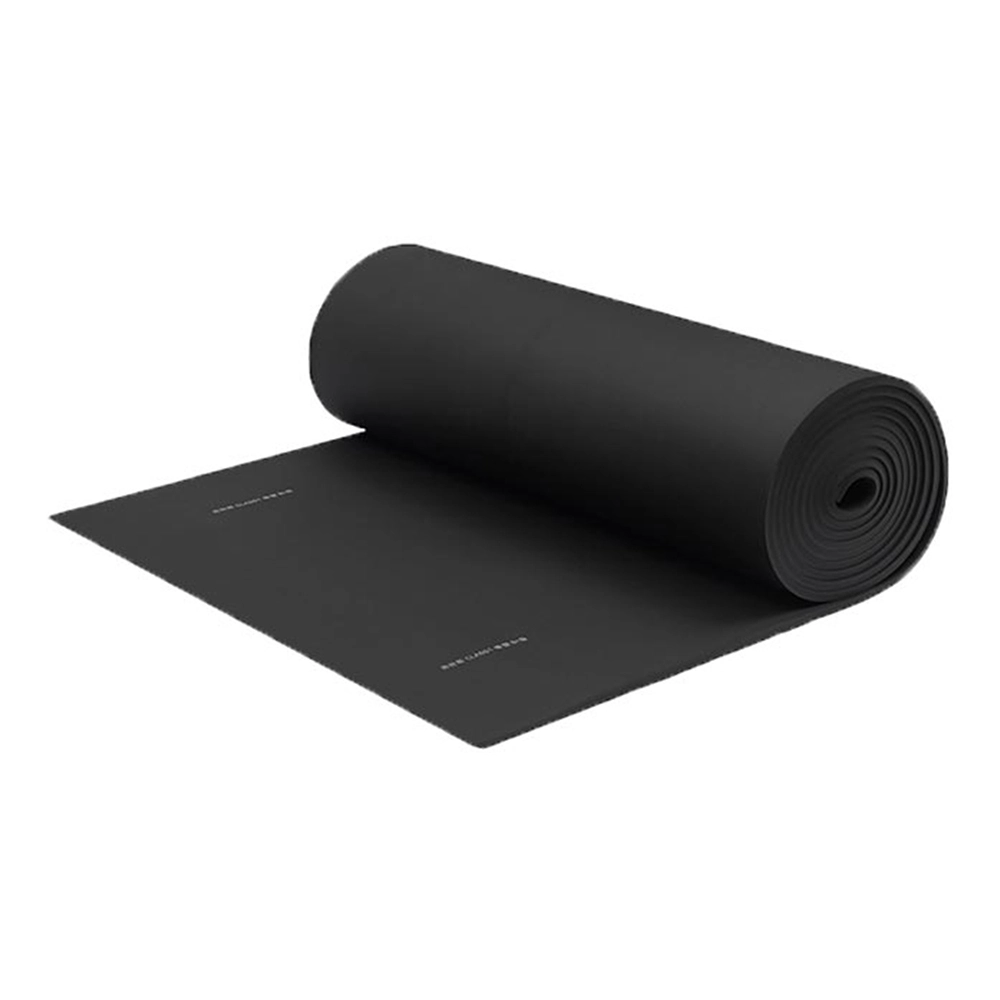
wholesale black nitrile rubber foam sheet rubber NBR foam sheet rubber foam insulation sheet for hvac system
NBR and PVC are the main raw materials, which are softthermal insulation and energy-saving materials foamedthrough special processes.
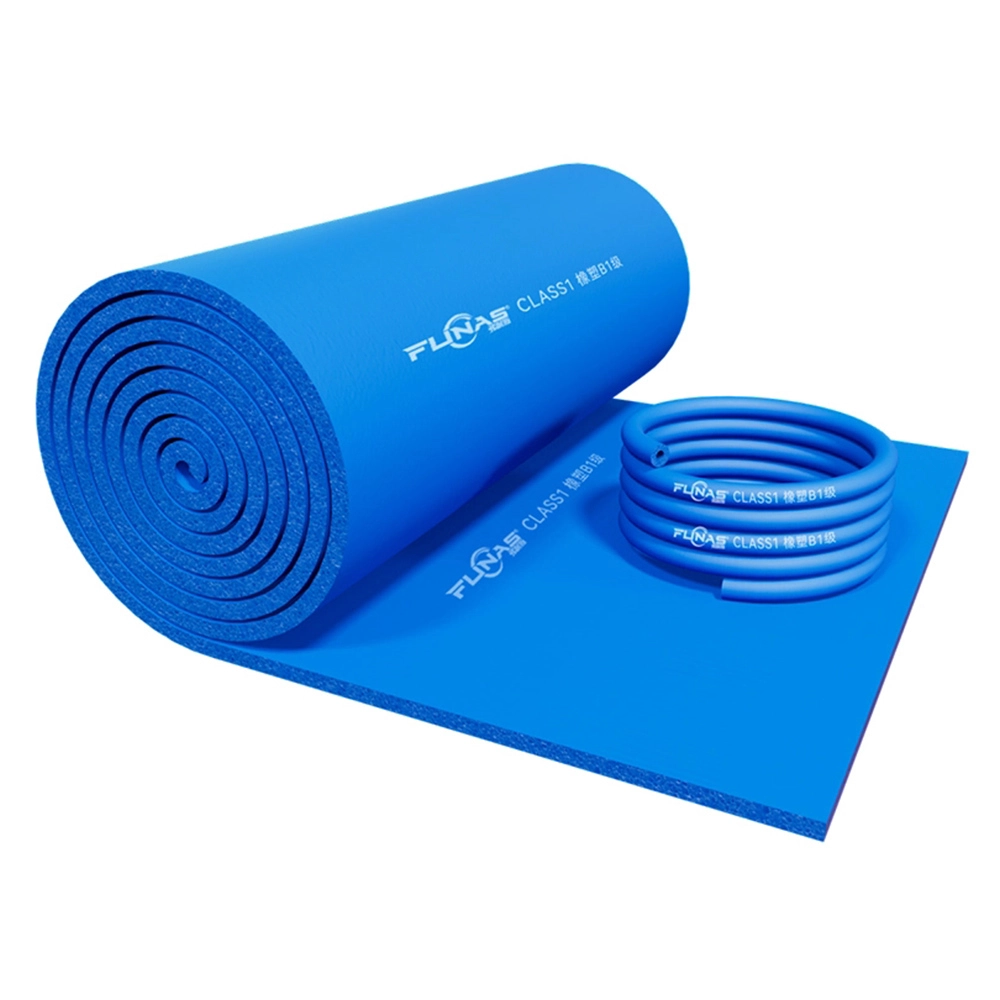
Wholesale blue Rubber-plastic Board Rubber foam panel sheet
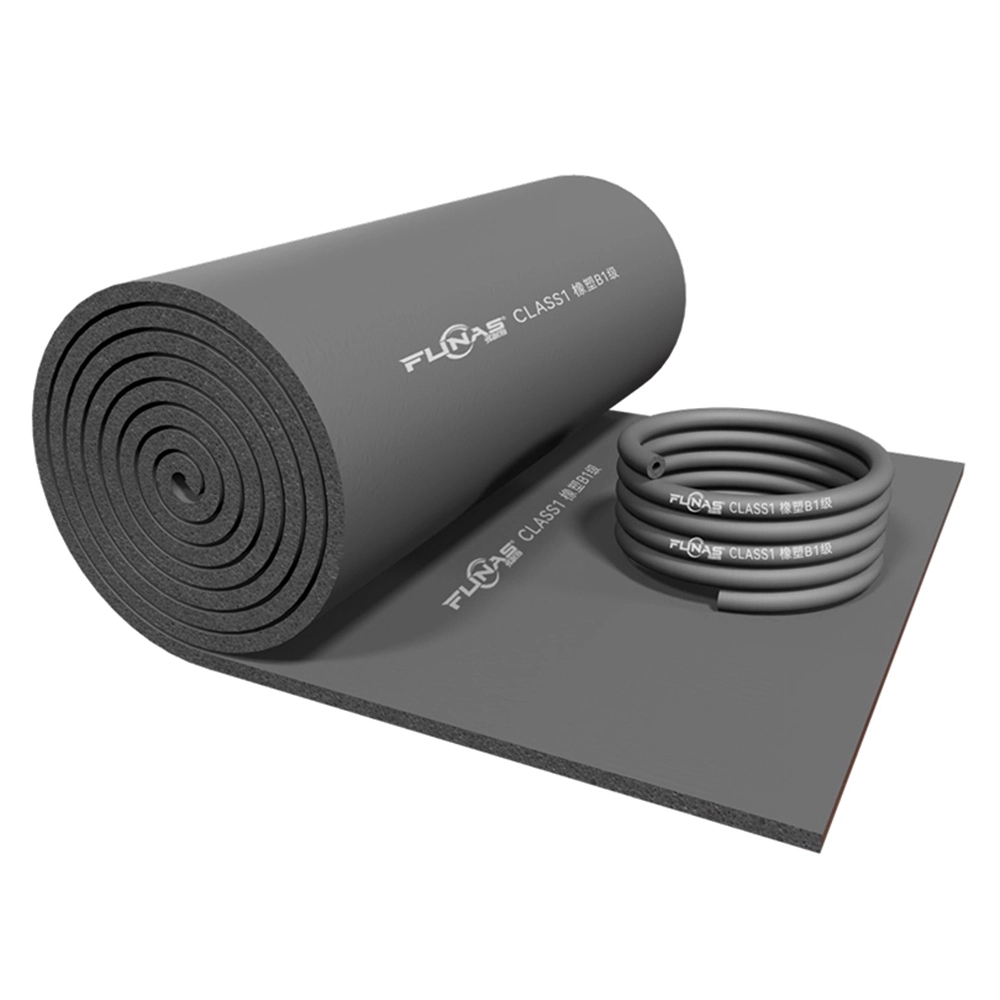
Wholesale black Rubber-plastic Board Rubber foam panel sheet
Leave a message
Have any questions or concerns about our products? Please leave us a message here and our team will get back to you promptly.
Your queries, ideas, and collaboration opportunities are just a click away. Let’s start a conversation.
