
Can you put foam insulation on hot water pipes? | FUNAS Expert Guide
Explore whether foam insulation can be used on hot water pipes. Learn the benefits, types of insulation, installation tips, and industry standards to help professionals make informed purchases.
- Can You Put Foam Insulation on Hot Water Pipes?
- What Types of Foam Insulation Are Suitable for Hot Water Pipes?
- What Are the Benefits of Using Foam Insulation on Hot Water Pipes?
- Are There Any Safety or Material Standards to Consider?
- How Should Foam Insulation be Installed on Hot Water Pipes?
- Can Foam Insulation Be Used on Both Residential and Commercial Hot Water Pipes?
Can You Put Foam Insulation on Hot Water Pipes?
Yes, foam insulation can be used on hot water pipes, but it must meet specific temperature ratings and material standards. Closed-cell foam pipe insulation is commonly employed because it offers excellent thermal resistance and moisture protection, which is critical for hot water applications. Typically, foam insulation materials like polyethylene or elastomeric foam have maximum operating temperatures ranging from 200°F to 250°F (93°C to 121°C), suitable for the majority of residential and commercial hot water pipes.
What Types of Foam Insulation Are Suitable for Hot Water Pipes?
The primary types of foam insulation suitable for hot water piping include elastomeric foam and polyethylene foam. Elastomeric foam has a thermal conductivity (k-value) of about 0.034 to 0.037 W/m·K, making it highly efficient for heat retention. It also resists moisture, mold, and UV light. Polyethylene foam is less flexible but still effective, often used in budget-conscious applications. Users must verify that the foam's maximum operating temperature exceeds the pipe’s maximum water temperature.
What Are the Benefits of Using Foam Insulation on Hot Water Pipes?
Applying foam insulation on hot water pipes reduces heat loss by up to 70%, leading to significant energy savings, especially in large buildings or cold environments. It also helps prevent condensation and pipe freezing in unheated areas. Foam insulation is easy to install, lightweight, and often comes pre-slit to wrap around pipes, reducing labor costs.
Are There Any Safety or Material Standards to Consider?
Yes, foam insulation products for hot water pipes should comply with ASTM C534, which covers elastomeric cellular materials used for thermal insulation of piping. Additionally, materials should have a low flame spread index and smoke development rating according to ASTM E84 to ensure fire safety. It’s crucial to use products certified for the temperature and environment to avoid material degradation or failure.
How Should Foam Insulation be Installed on Hot Water Pipes?
Proper installation requires clean, dry pipes and correct cutting of the insulation to fit snugly without gaps. Seams must be sealed with appropriate tape or adhesive to prevent heat loss and moisture ingress. For pipes with temperatures above insulation limits, consider high-temperature insulation materials such as fiberglass with a protective jacketing. Regular inspections are recommended to ensure the integrity of insulation over time.
Can Foam Insulation Be Used on Both Residential and Commercial Hot Water Pipes?
Foam insulation is widely used in both residential and commercial sectors due to its efficiency and ease of installation. For commercial applications, thicker insulation (often 1 to 2 thick) may be required according to ASHRAE and local energy codes to optimize energy savings. Residential applications commonly use foam tubes ranging from ½ to 1 thick. Buyers should confirm compliance with building codes and select materials with adequate durability for the service environment.
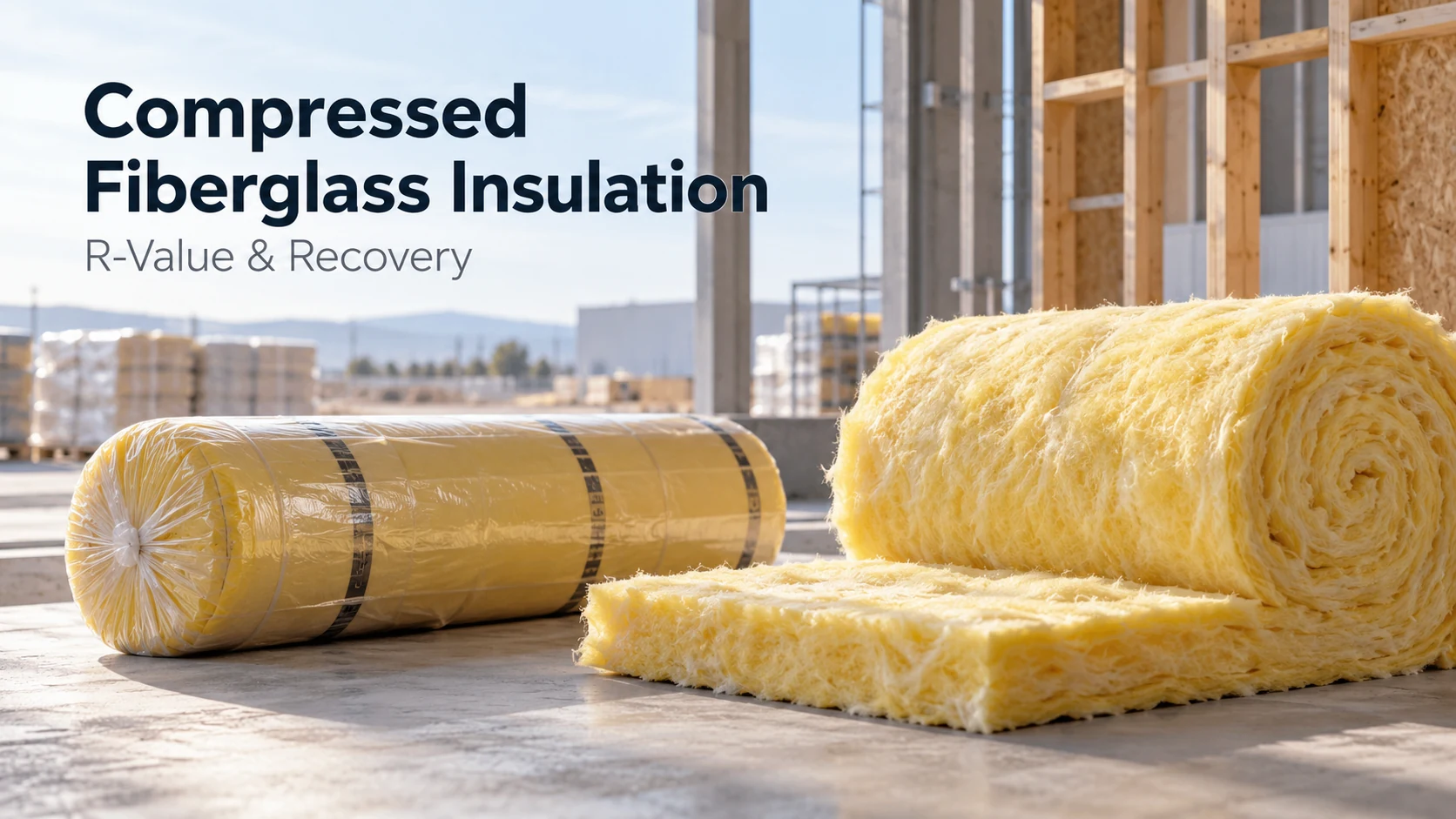
What Happens When Fiberglass (Glass Wool) Insulation Is Compressed?
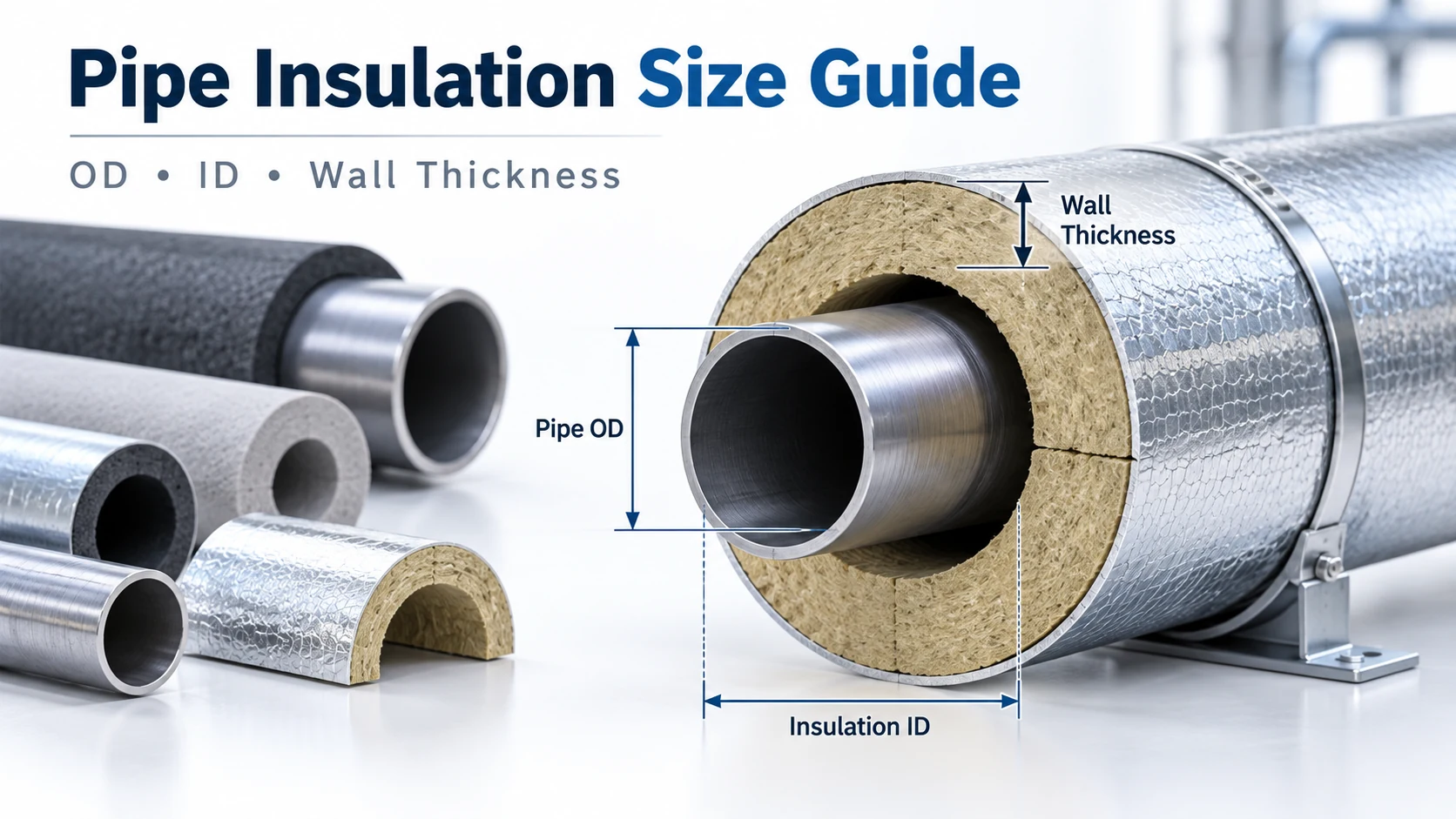
Pipe Insulation Size Guide: How to Match Pipe OD, Insulation ID and Wall Thickness
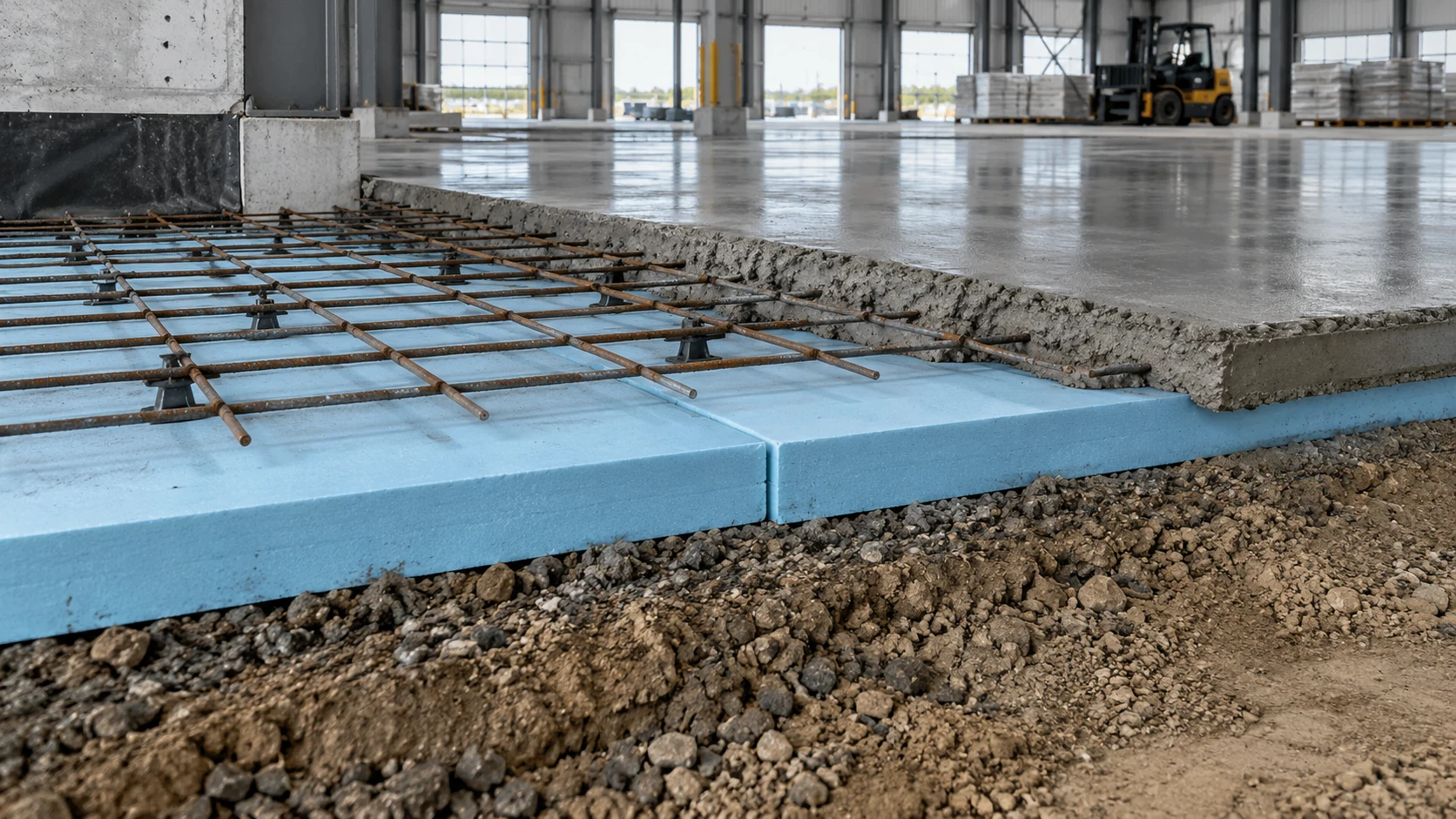
What XPS Compressive Strength Do I Need Under a Concrete Slab?
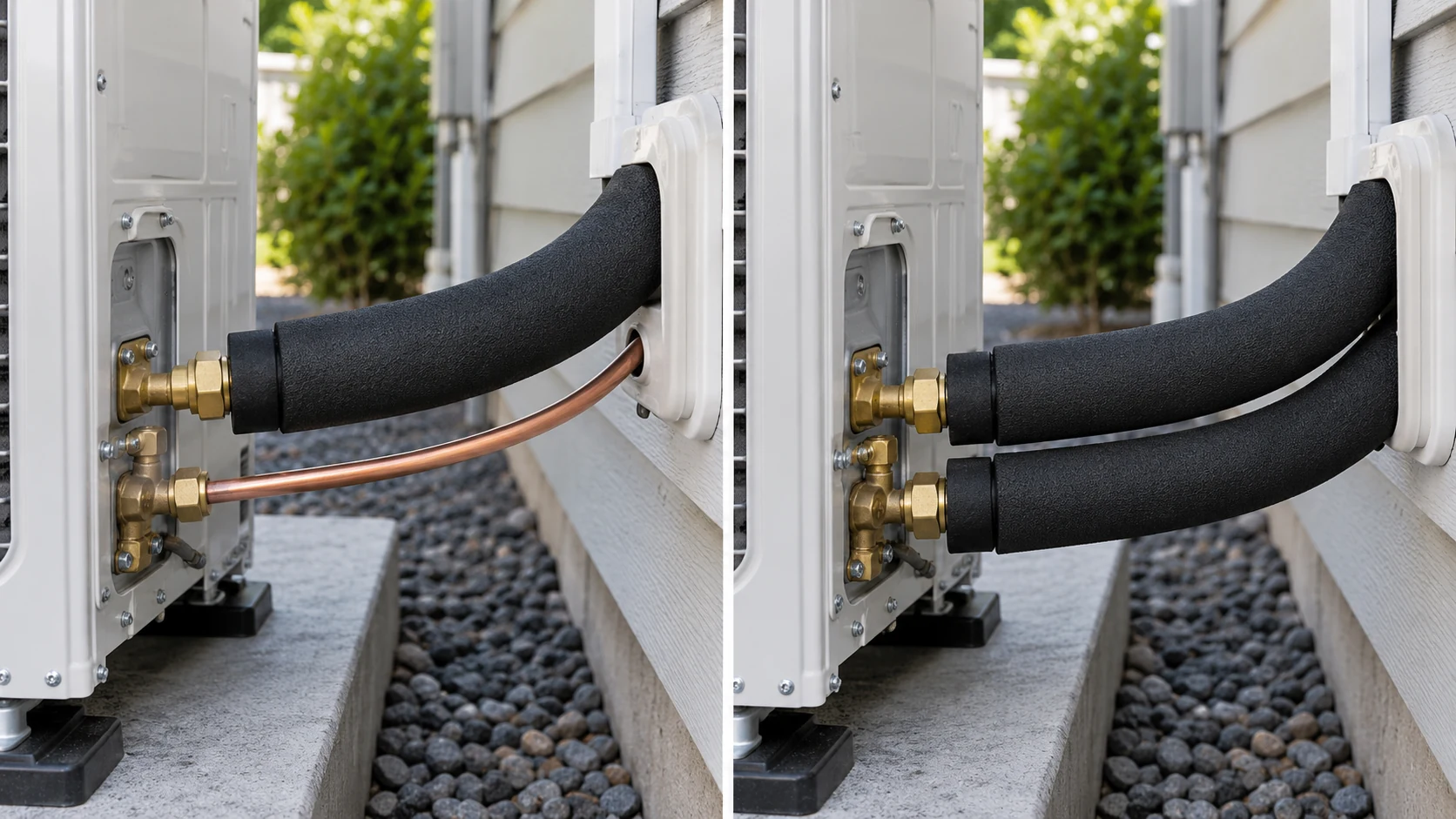
Do Both Refrigerant Lines Need Insulation?
How do you pack insulation products for export?
Products are packed according to material type and shipping requirements. Common options include plastic bags, cartons, woven bags, pallets, or customized export packaging to help protect the goods during transportation.
What is your usual production and delivery time?
Delivery time depends on the product type, order quantity, customization requirements, and shipping destination. Standard products are usually faster to arrange, while customized or large-volume orders may require longer production time.
What insulation products do you supply?
We supply rubber foam insulation, glass wool insulation, rock wool insulation, XPS insulation boards, acoustic foam products, and thermal insulation adhesive. These products are commonly used in HVAC systems, construction projects, industrial equipment, and acoustic applications.
What information should I provide to get a quotation?
To prepare an accurate quotation, please provide the product type, size, thickness, density or specification, quantity, application, destination port or country, and any special requirements such as fire rating, facing material, adhesive backing, or packaging.
Leave a message
Have any questions or concerns about our products? Please leave us a message here and our team will get back to you promptly.
Your queries, ideas, and collaboration opportunities are just a click away. Let’s start a conversation.



















































FUNAS Insulation Material
funasinsulation
funasinsulation
Guangdong FUNAS Insulation Material Co.Ltd