
Does foam pipe insulation really work? | FUNAS Guide
Discover if foam pipe insulation effectively reduces heat loss, prevents freezing, and improves energy efficiency. Get expert insights from the thermal insulation industry.
- Does Foam Pipe Insulation Really Work?
- 1. How Effective Is Foam Pipe Insulation for Heat Retention?
- 2. Can Foam Pipe Insulation Prevent Pipes from Freezing?
- 3. What Types of Foam Insulation Are Best for Pipes?
- 4. How Long Does Foam Pipe Insulation Last?
- 5. Is Foam Pipe Insulation Energy Efficient and Cost-Effective?
Does Foam Pipe Insulation Really Work?
Foam pipe insulation is widely used to conserve energy and protect pipes, but questions often arise about how effective it truly is. According to thermal insulation industry data, foam pipe insulation significantly reduces heat loss, prevents pipe freezing, and saves energy costs when installed properly.
1. How Effective Is Foam Pipe Insulation for Heat Retention?
Foam pipe insulation materials, typically made from polyethylene or elastomeric foam, have low thermal conductivity ranging from 0.033 to 0.040 W/m·K. This enables them to reduce heat loss by up to 40-50% on hot water pipes, as confirmed by the U.S. Department of Energy. This effectiveness depends on thickness and correct application.
2. Can Foam Pipe Insulation Prevent Pipes from Freezing?
Foam pipe insulation serves as an important protective barrier against freezing temperature damage. By maintaining pipe surface temperature above freezing for longer periods, it helps prevent water inside pipes from freezing and causing bursts, especially in colder climates. Research from the North American Insulation Manufacturers Association supports its use for freeze protection.
3. What Types of Foam Insulation Are Best for Pipes?
Common foam insulation types include polyethylene, elastomeric (NBR/PVC), and polyurethane foams. Elastomeric foam insulation is favored for its flexibility, moisture resistance, and ability to maintain insulating properties over time, making it ideal for both hot and cold pipe applications.
4. How Long Does Foam Pipe Insulation Last?
Under normal conditions, foam pipe insulation can last 10 to 15 years or more, depending on exposure to sunlight, moisture, and physical wear. Elastomeric foam resists UV rays and moisture better, offering longer durability when installed in outdoor or humid environments.
5. Is Foam Pipe Insulation Energy Efficient and Cost-Effective?
Installing foam pipe insulation is a cost-effective method to reduce energy consumption for heating systems. The U.S. Environmental Protection Agency estimates that proper pipe insulation can reduce heat loss by 10-45%, saving up to 10-15% on heating energy bills. Its low upfront cost and ease of installation make it accessible for both residential and commercial use.
In summary, foam pipe insulation is a proven and practical solution in the thermal insulation materials industry that enhances energy efficiency, protects pipes from freezing, and provides lasting durability when correctly selected and installed.
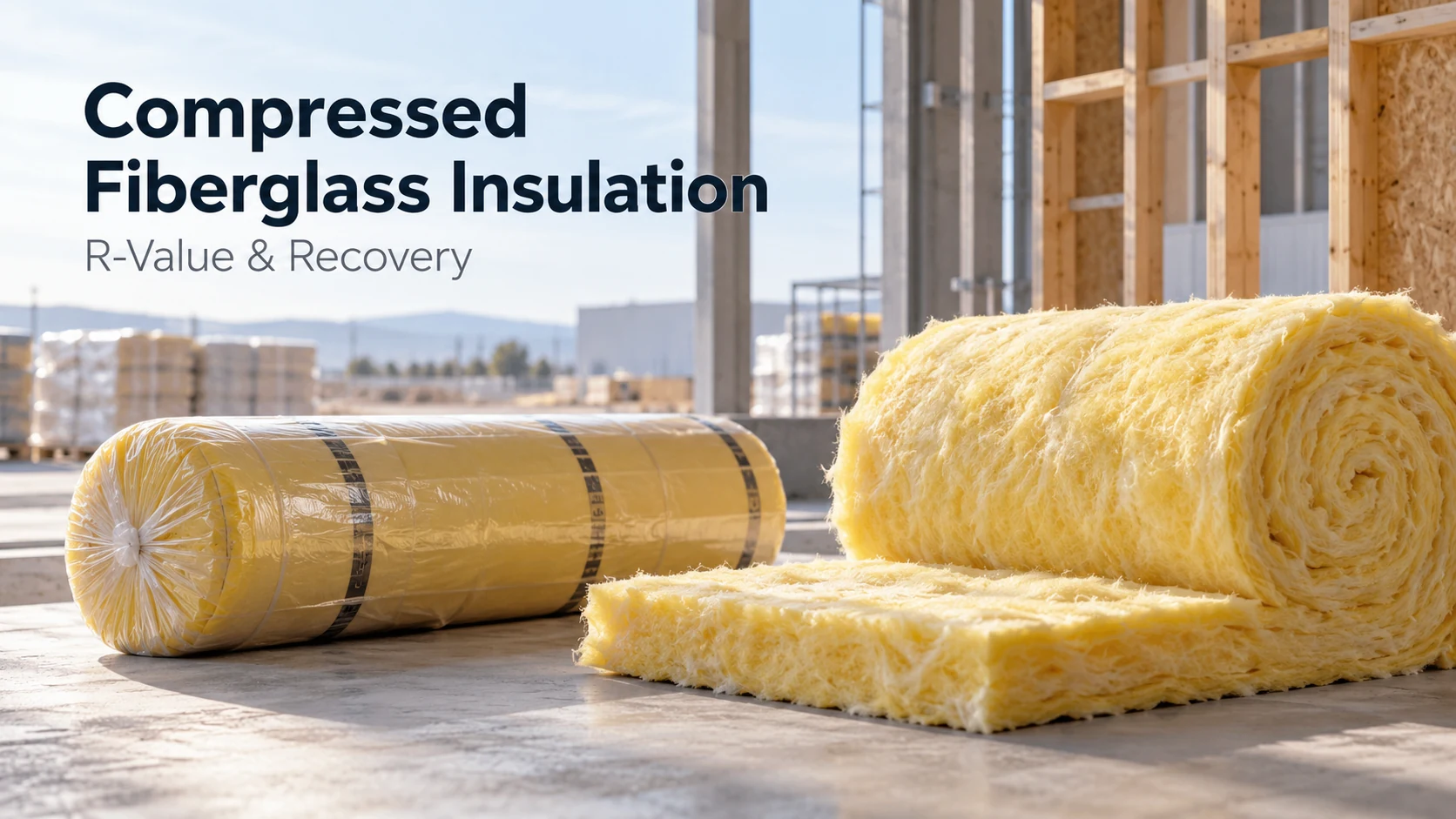
What Happens When Fiberglass (Glass Wool) Insulation Is Compressed?
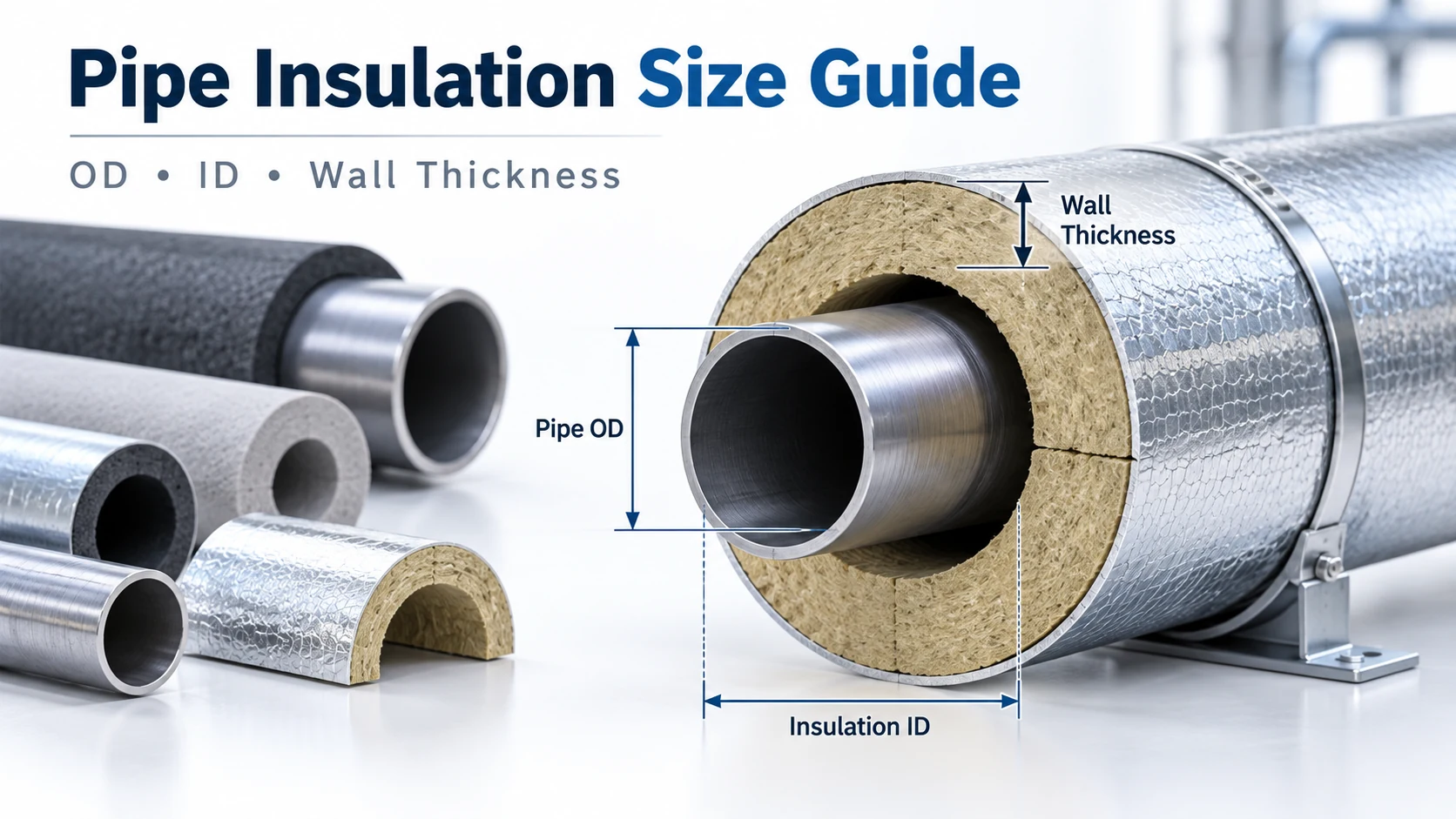
Pipe Insulation Size Guide: How to Match Pipe OD, Insulation ID and Wall Thickness
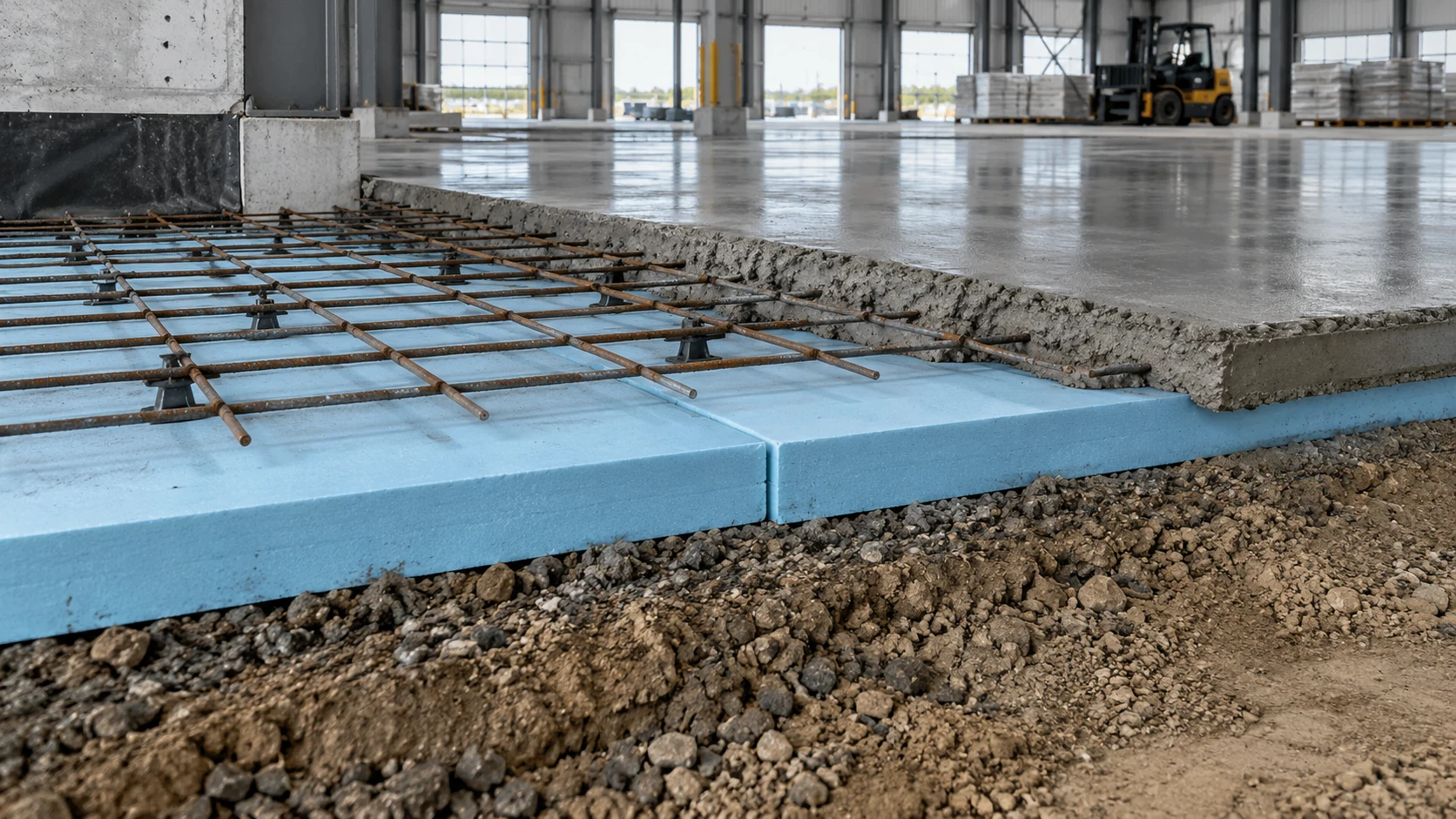
What XPS Compressive Strength Do I Need Under a Concrete Slab?
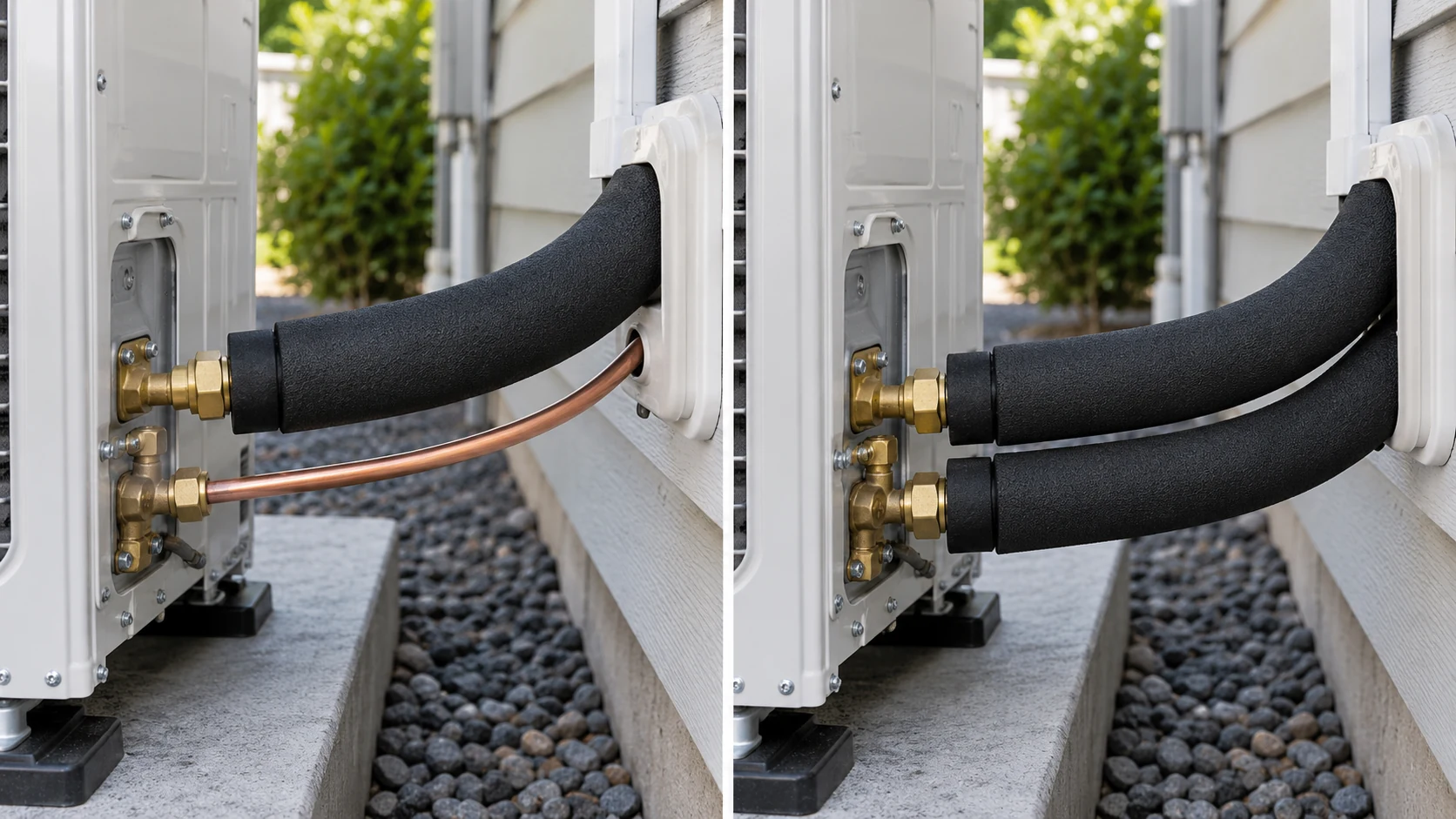
Do Both Refrigerant Lines Need Insulation?
How do you pack insulation products for export?
Products are packed according to material type and shipping requirements. Common options include plastic bags, cartons, woven bags, pallets, or customized export packaging to help protect the goods during transportation.
What is your usual production and delivery time?
Delivery time depends on the product type, order quantity, customization requirements, and shipping destination. Standard products are usually faster to arrange, while customized or large-volume orders may require longer production time.
Can you arrange international shipping?
Yes. We can help arrange international shipping by sea, air, or express depending on the order volume and delivery needs. We can also work with your appointed freight forwarder if required.
What information should I provide to get a quotation?
To prepare an accurate quotation, please provide the product type, size, thickness, density or specification, quantity, application, destination port or country, and any special requirements such as fire rating, facing material, adhesive backing, or packaging.
Leave a message
Have any questions or concerns about our products? Please leave us a message here and our team will get back to you promptly.
Your queries, ideas, and collaboration opportunities are just a click away. Let’s start a conversation.



















































FUNAS Insulation Material
funasinsulation
funasinsulation
Guangdong FUNAS Insulation Material Co.Ltd