


















































Are there eco-friendly alternatives to glass wool? | Insights by FUNAS
Explore sustainable insulation materials like cellulose, mineral wool, and hemp as eco-friendly alternatives to traditional glass wool, offering comparable performance and environmental benefits.
Eco-Friendly Alternatives to Glass Wool Insulation
1. Cellulose Insulation
Cellulose insulation is made from recycled paper products, primarily newsprint, treated with fire retardants like boric acid. It boasts an R-value of approximately 3.5 per inch, offering thermal performance comparable to glass wool. Its dense packing also provides excellent soundproofing qualities. However, cellulose can be susceptible to moisture, which may lead to settling over time.
2. Mineral Wool (Rock Wool)
Mineral wool, derived from natural stone or industrial waste, is non-combustible and offers high thermal resistance. It is also resistant to moisture and mold, making it suitable for areas prone to dampness. The R-value of mineral wool varies but generally ranges from 3.0 to 3.3 per inch.
3. Sheep's Wool Insulation
Sheep's wool is a natural insulator with an R-value of about 3.6 per inch. It is hygroscopic, meaning it can absorb and release moisture, helping to regulate indoor humidity levels. Additionally, sheep's wool is biodegradable and renewable. However, it may require treatment to prevent pest infestations.
4. Hemp Insulation
Hemp insulation is made from the fibers of the hemp plant and offers an R-value of approximately 3.5 per inch. It is naturally resistant to pests and mold and is biodegradable. Hemp cultivation also sequesters carbon dioxide, contributing to a lower carbon footprint. However, hemp insulation can be more expensive than some other materials.
5. Aerogel Insulation
Aerogel is a highly porous material with an extremely low thermal conductivity, resulting in an R-value of about 10.3 per inch. It is lightweight and can be produced from sustainable sources like bacterial cellulose. However, aerogel insulation is currently more expensive and less widely available than other options.
Considerations When Choosing Insulation Materials
When selecting an insulation material, consider the following factors:
- Thermal Performance: Ensure the material provides adequate thermal resistance (R-value) for your climate.
- Moisture Resistance: Materials like mineral wool and hemp are naturally resistant to moisture and mold.
- Environmental Impact: Opt for materials with high recycled content or those that are biodegradable.
- Cost: While some eco-friendly materials may have higher upfront costs, they can offer long-term savings through energy efficiency and durability.
Conclusion
Transitioning to eco-friendly insulation materials not only enhances building performance but also contributes to environmental sustainability. Materials like cellulose, mineral wool, sheep's wool, hemp, and aerogel offer viable alternatives to traditional glass wool, each with unique benefits.
When considering insulation options, it's essential to evaluate the specific needs of your project, including thermal performance, moisture resistance, environmental impact, and budget. Consulting with a professional can provide tailored recommendations to ensure optimal results.
Incorporating sustainable insulation materials aligns with global efforts to reduce carbon footprints and promote energy efficiency, leading to healthier living environments and a more sustainable future.
FUNAS offers a range of high-quality, eco-friendly insulation products designed to meet diverse building requirements. With a commitment to sustainability and performance, FUNAS provides solutions that ensure comfort and energy efficiency in your spaces.

Does sound insulation foam Actually Work in 2026? Ultimate guide About Blocking vs. Absorbing Noise
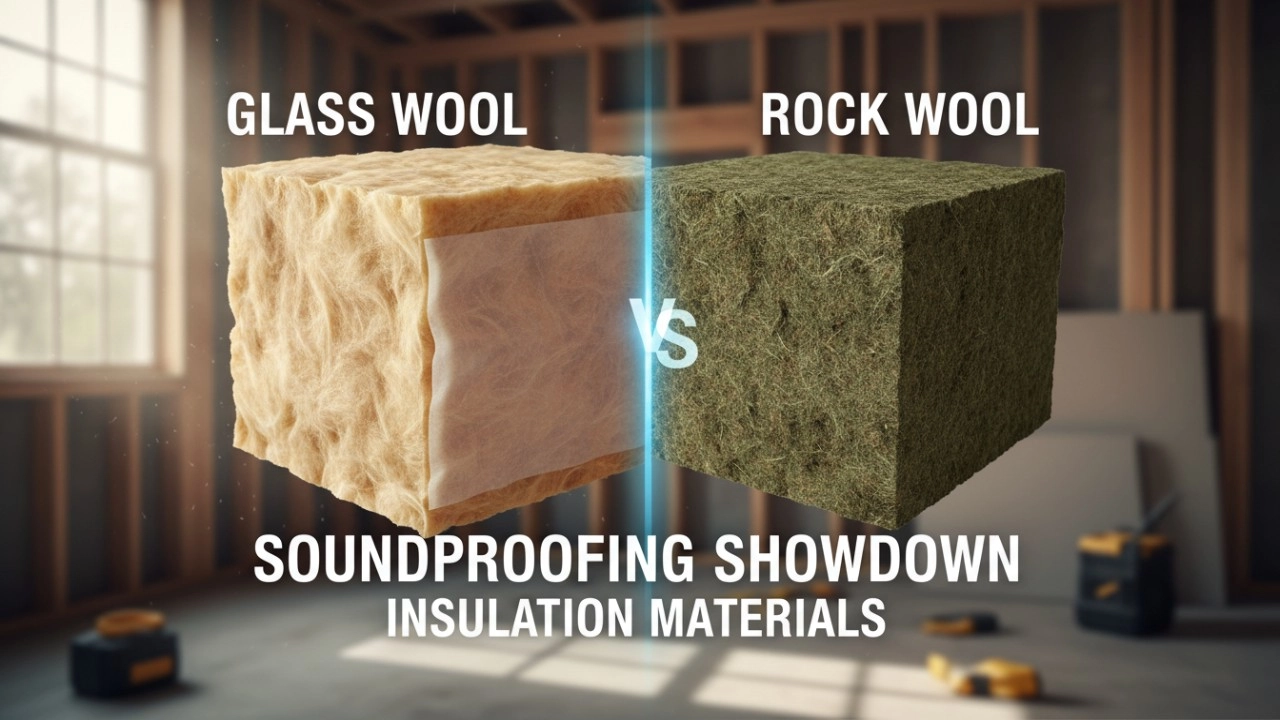
Fiberglass vs. Rockwool: Which Soundproofing Insulation Material Wins for Acoustic Control?
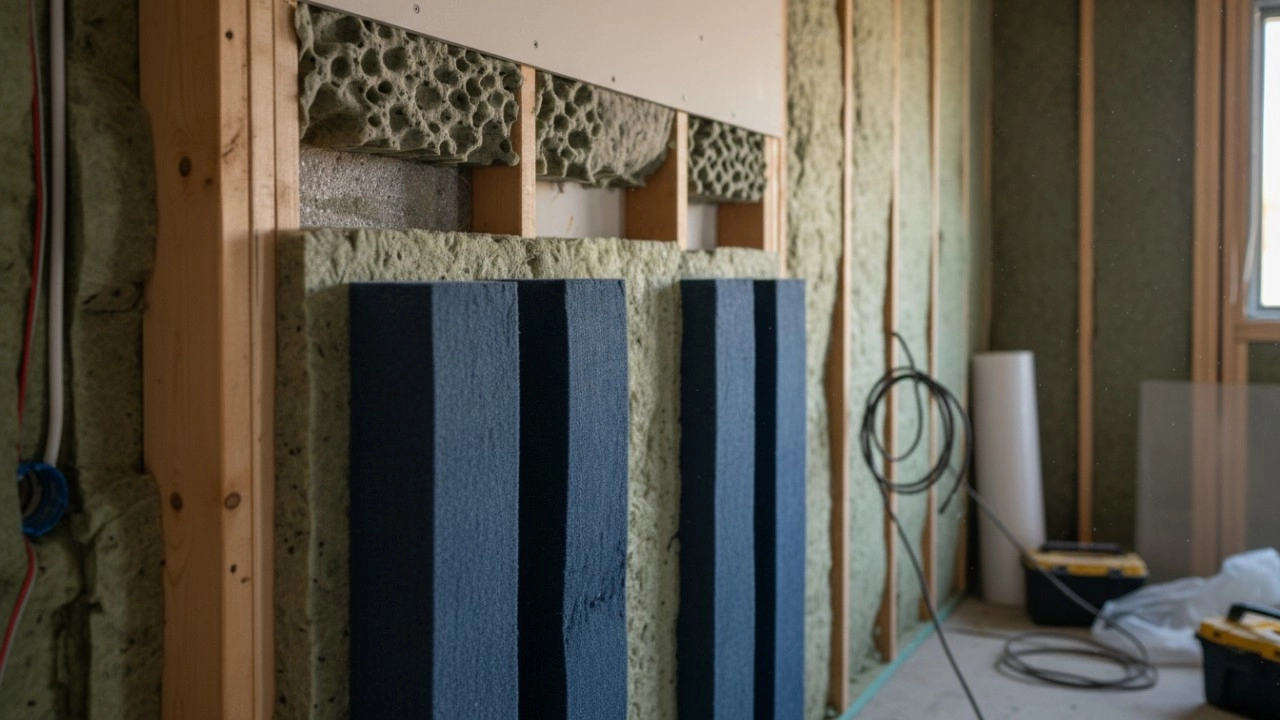
Sound Insulation Foam vs. Acoustic Panels: Which One Actually Stops Noise? (2026 Guide)
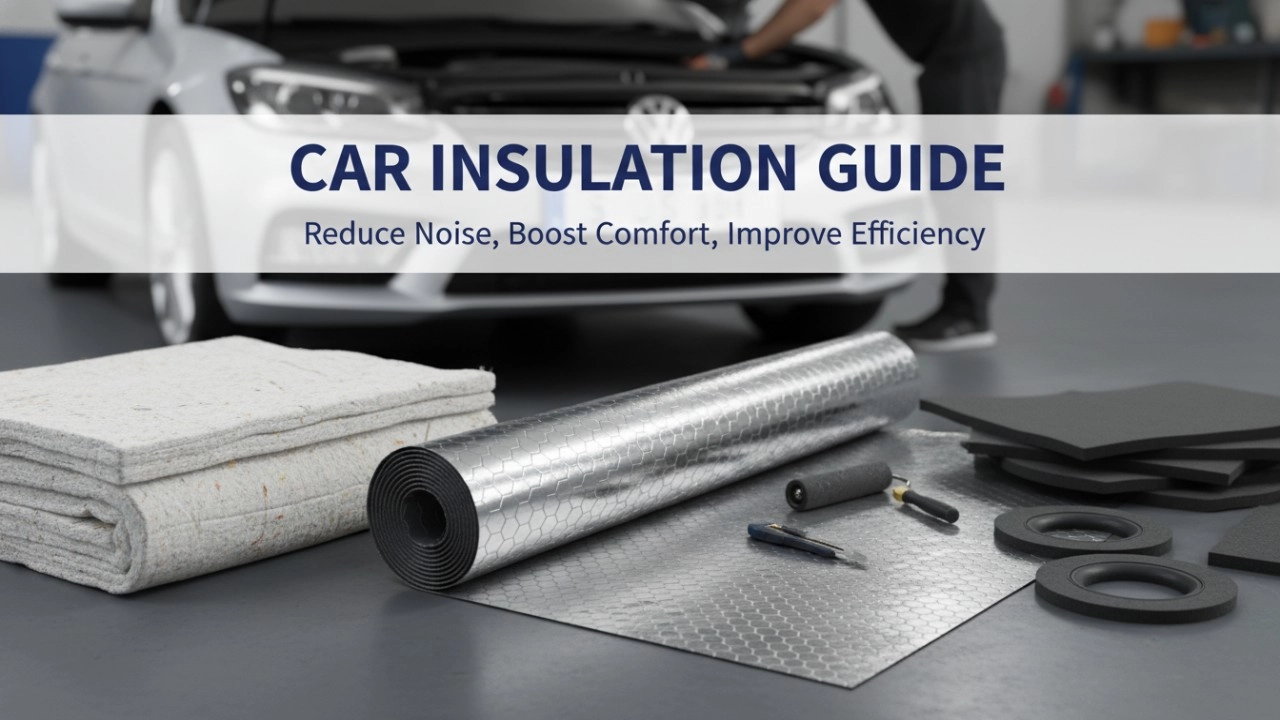
7 Dangerous Mistakes to Avoid When Selecting insulating materials for Your Car (2026 Guide)
FAQ
What types of rubber foam insulation do you offer?
We offer a wide range of rubber foam insulation with different thicknesses and specifications. Thermal insulation material manufacturer FUNAS sleeves and sheets are suitable for different application scenarios.
Can your insulation products be customized?
Yes, we offer customized solutions for insulation material wholesale to meet the specifications of your project, including custom specifications, sizes, foils and adhesives, colors, etc.
service
What types of rubber foam insulation products do you offer?
We offer a wide range of rubber foam insulation products, including custom shapes and sizes, thermal and acoustic insulation solutions, and options with specialized coatings such as flame retardancy and water resistance. Our products are suitable for applications in HVAC, automotive, construction, and more.
How does your technical support work?
Our technical support team is available to guide you through every stage of your project—from product selection and design to installation. We provide expert consultation to ensure that you get the best insulation solution for your needs and can assist with troubleshooting if needed.
You might also like

Wholesale Perfect Fire Resistant Performance High Strength Acoustic Mineral Wool Insulation Rock Wool Board Panel Plain Slab
Rock wool board, that is, a kind of exterior insulation material. When the market share of 90% of the organic thermal insulation materials in the stagnant wait-and-see, as a fire rating of A-class exterior insulation inorganic material rock wool, has ushered in an unprecedented market opportunity.

Wholesale Rock Wool Mineral Wool Board Panel Sheet
High-performance rock wool board for superior thermal and acoustic insulation. A reliable choice for building projects.
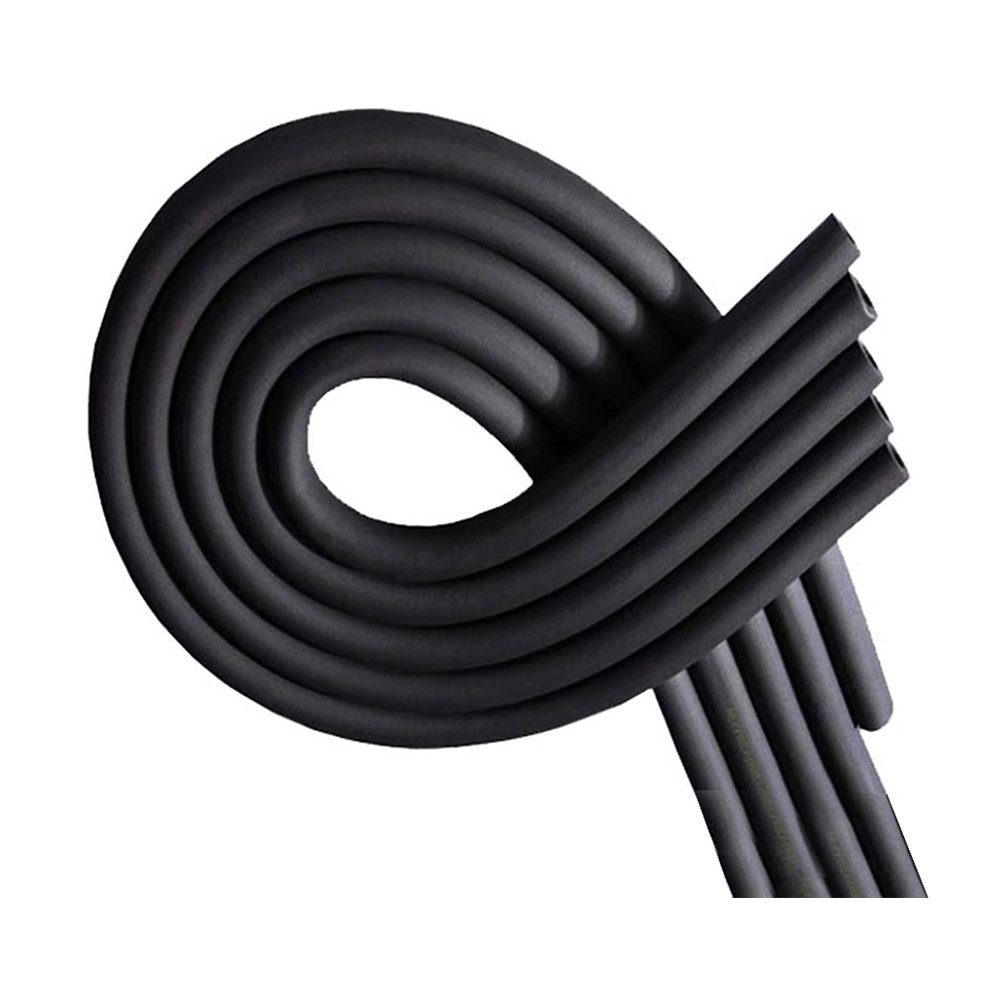
Wholesale Black nitrile rubber foam pipe rubber NBR foam tube rubber foam insulation tube for hvac system
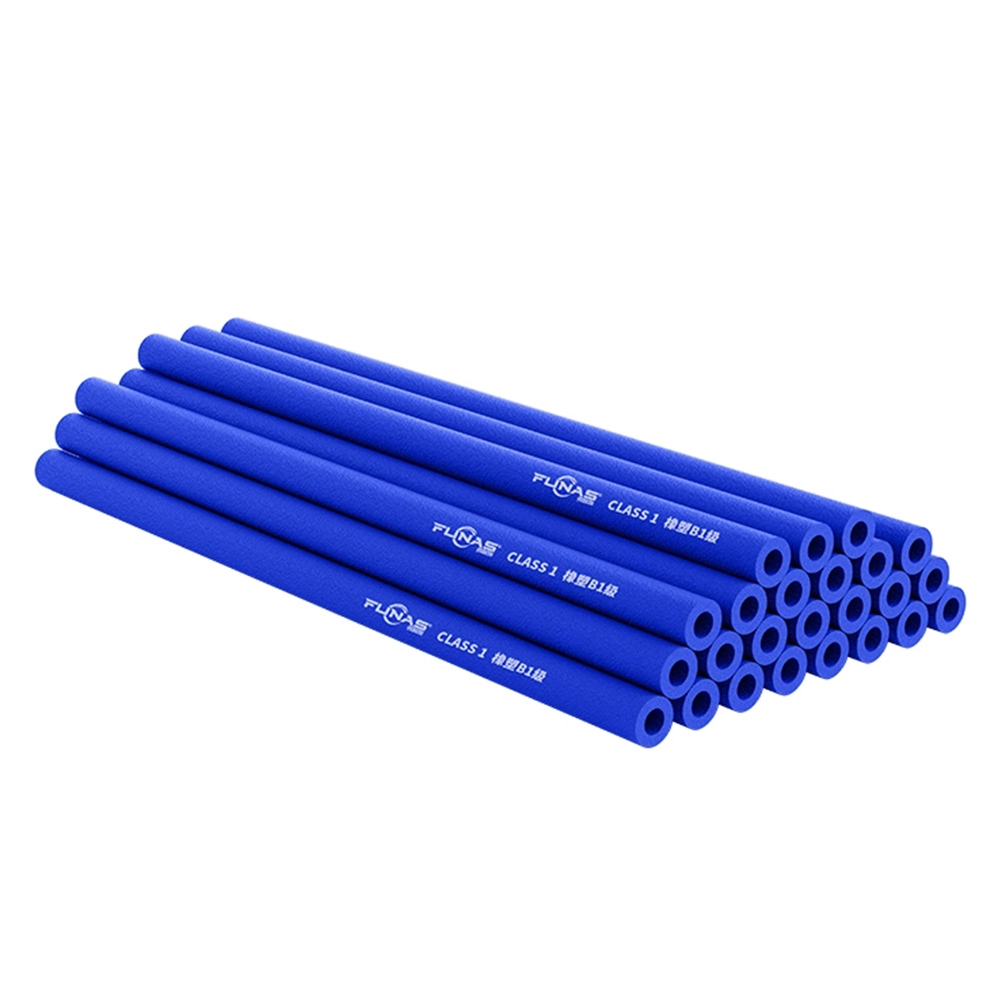
Blue Rubber-plastic Tube Rubber foam pipe wholesale
Leave a message
Have any questions or concerns about our products? Please leave us a message here and our team will get back to you promptly.
Your queries, ideas, and collaboration opportunities are just a click away. Let’s start a conversation.
