

















































Can nitrile rubber insulation be used outdoors? | Insights by FUNAS
Explore the suitability of nitrile rubber insulation for outdoor applications, its properties, limitations, and considerations for purchasing thermal insulation materials.
- Can Nitrile Rubber Insulation Be Used Outdoors?
- 1. What Are the Temperature and Environmental Limitations of Nitrile Rubber Insulation?
- 2. How Does Nitrile Rubber Insulation Perform in Outdoor Conditions?
- 3. Are There Alternatives to Nitrile Rubber Insulation for Outdoor Use?
- 4. What Are the Key Considerations When Selecting Insulation Materials for Outdoor Applications?
- 5. How Does Nitrile Rubber Insulation Compare to Other Materials in Terms of Performance and Cost?
- Conclusion: Why Choose FUNAS for Your Thermal Insulation Needs?
Can Nitrile Rubber Insulation Be Used Outdoors?
Nitrile rubber insulation, known for its excellent thermal efficiency and resistance to moisture, is commonly used in HVAC systems, refrigeration, and plumbing. However, when considering its application outdoors, several factors must be evaluated to ensure optimal performance and longevity.
1. What Are the Temperature and Environmental Limitations of Nitrile Rubber Insulation?
Nitrile rubber insulation typically operates effectively within a temperature range of -40°C to +105°C. While it offers good resistance to oils, fuels, and chemicals, its performance can be compromised when exposed to ultraviolet (UV) radiation and ozone, which can degrade the material over time.
2. How Does Nitrile Rubber Insulation Perform in Outdoor Conditions?
In outdoor environments, nitrile rubber insulation is susceptible to degradation due to UV exposure and ozone, leading to reduced elasticity and potential material breakdown. To mitigate these effects, protective coatings or coverings are recommended to shield the insulation from direct sunlight and environmental pollutants.
3. Are There Alternatives to Nitrile Rubber Insulation for Outdoor Use?
For outdoor applications, materials with enhanced UV and ozone resistance are preferable. Options include:
Ethylene Propylene Diene Monomer (EPDM): Known for its excellent weather resistance and durability, EPDM is suitable for outdoor insulation needs.
Polyurethane Foam: Offers good thermal insulation properties and is more resistant to environmental degradation compared to nitrile rubber.
Mineral Wool: Provides high-temperature resistance and is less affected by UV exposure, making it suitable for outdoor applications.
4. What Are the Key Considerations When Selecting Insulation Materials for Outdoor Applications?
When choosing insulation materials for outdoor use, consider the following factors:
Environmental Exposure: Assess the level of UV radiation, ozone, and other environmental factors the material will be exposed to.
Temperature Range: Ensure the material can withstand the expected temperature fluctuations in the outdoor environment.
Durability: Evaluate the material's resistance to weathering, moisture, and potential physical damage.
Maintenance Requirements: Consider the ease of maintenance and potential need for protective coatings or coverings.
5. How Does Nitrile Rubber Insulation Compare to Other Materials in Terms of Performance and Cost?
Nitrile rubber insulation offers excellent thermal efficiency and resistance to moisture, making it ideal for indoor applications. However, for outdoor use, materials like EPDM and polyurethane foam provide superior resistance to environmental degradation. While nitrile rubber may be more cost-effective for indoor applications, investing in more durable materials for outdoor use can lead to longer-term savings by reducing maintenance and replacement costs.
Conclusion: Why Choose FUNAS for Your Thermal Insulation Needs?
When selecting thermal insulation materials, it's crucial to consider the specific requirements of your application, especially for outdoor environments. FUNAS offers a range of high-quality insulation products designed to meet diverse needs, ensuring optimal performance and durability. Our commitment to quality and customer satisfaction makes us a trusted choice for your insulation solutions.
For more information on our products and services, visit our website or contact our customer service team.

Does sound insulation foam Actually Work in 2026? Ultimate guide About Blocking vs. Absorbing Noise
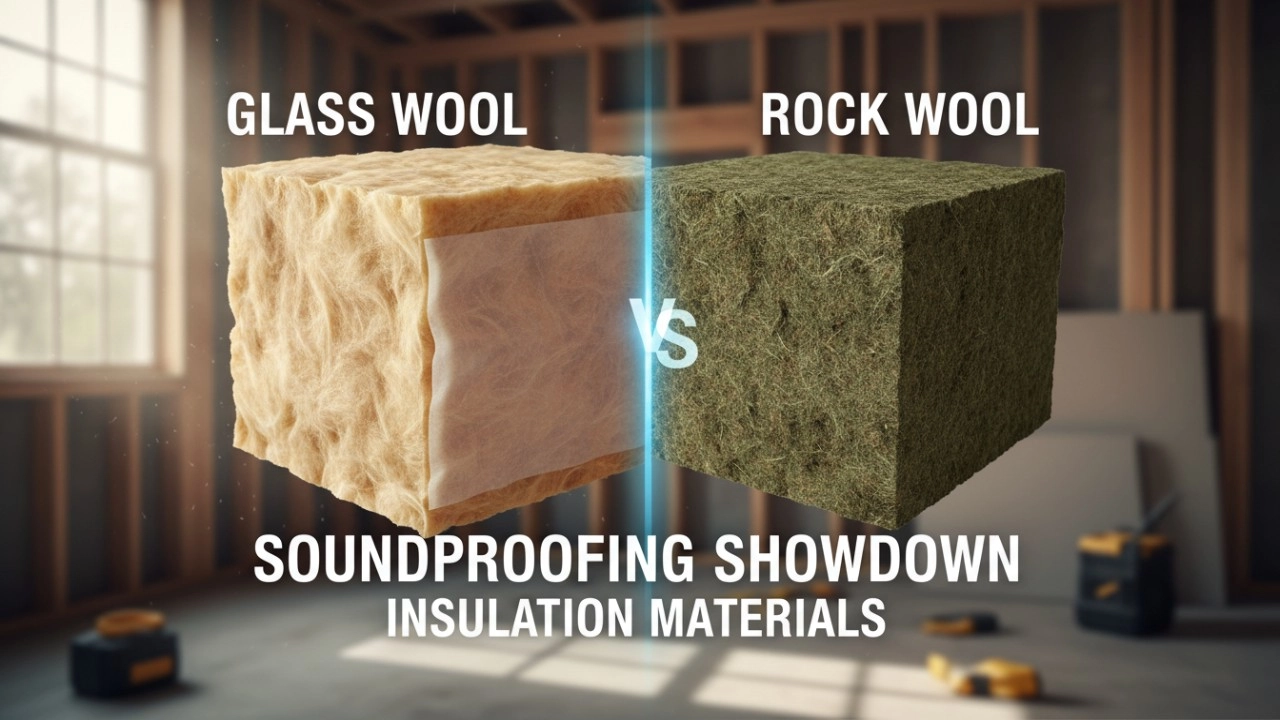
Fiberglass vs. Rockwool: Which Soundproofing Insulation Material Wins for Acoustic Control?
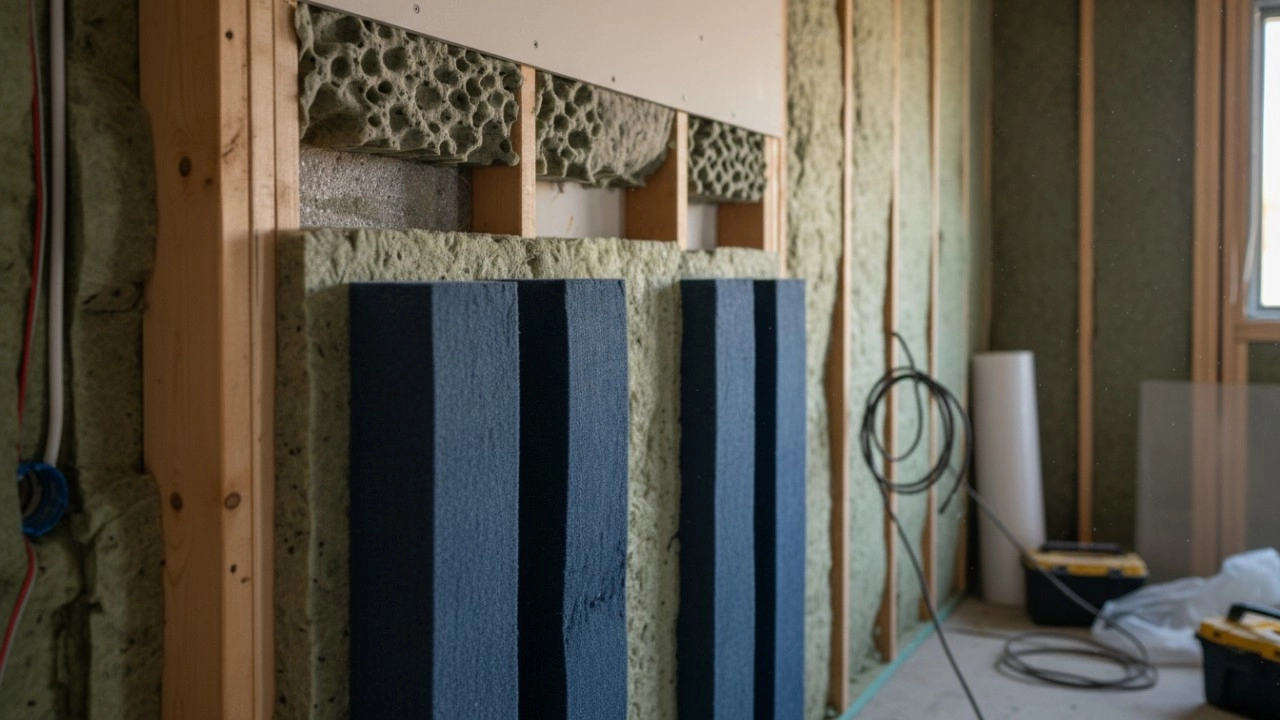
Sound Insulation Foam vs. Acoustic Panels: Which One Actually Stops Noise? (2026 Guide)
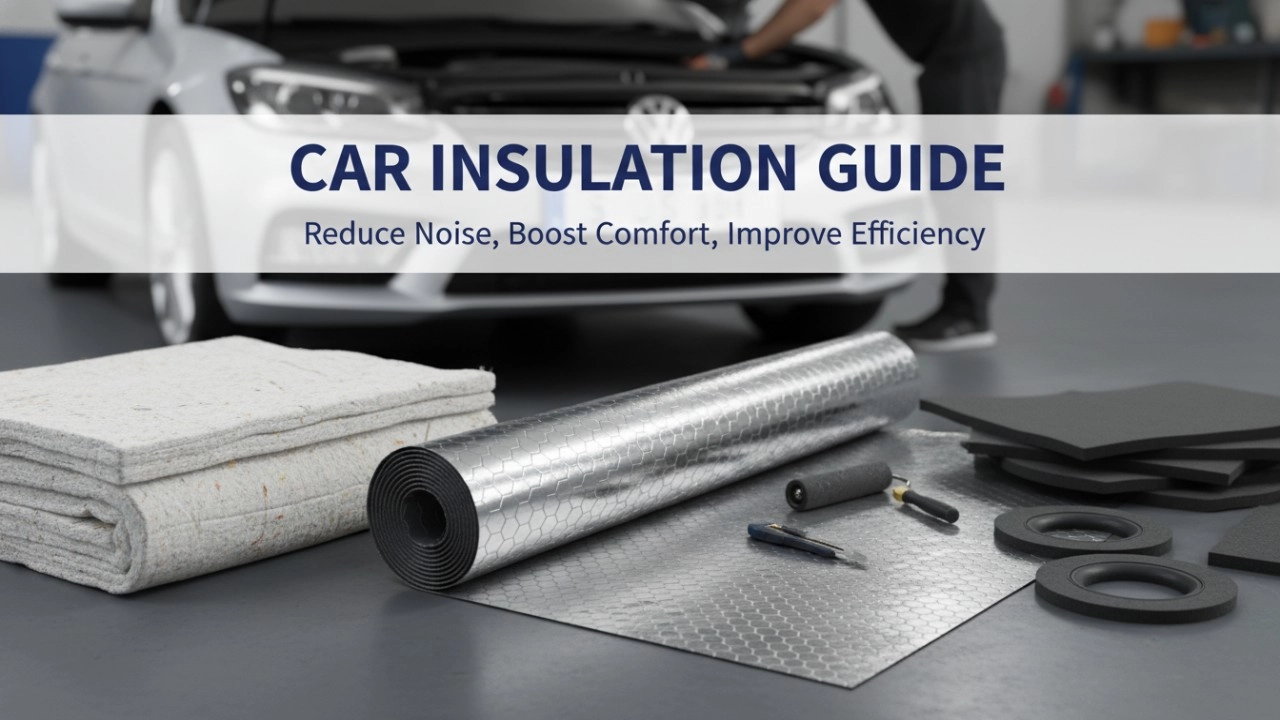
7 Dangerous Mistakes to Avoid When Selecting insulating materials for Your Car (2026 Guide)
FAQ
What types of rubber foam insulation do you offer?
We offer a wide range of rubber foam insulation with different thicknesses and specifications. Thermal insulation material manufacturer FUNAS sleeves and sheets are suitable for different application scenarios.
How to start a consultation?
You can contact us through our website, phone, or email. We will arrange a professional staff to discuss your needs about best thermal insulator and how we can help you.
service
Can I request custom dimensions or properties for my insulation needs?
Yes, we specialize in custom solutions. Whether you need specific dimensions, thicknesses, densities, or additional coatings, we can work with you to manufacture insulation products tailored to your exact requirements of good materials for heat insulation.
Are your rubber foam products environmentally friendly?
Yes, our insulation products are designed with sustainability in mind. They help reduce energy consumption by minimizing heat loss and gain, and they are made from durable materials that have a long life cycle, reducing the need for frequent replacement.
You might also like
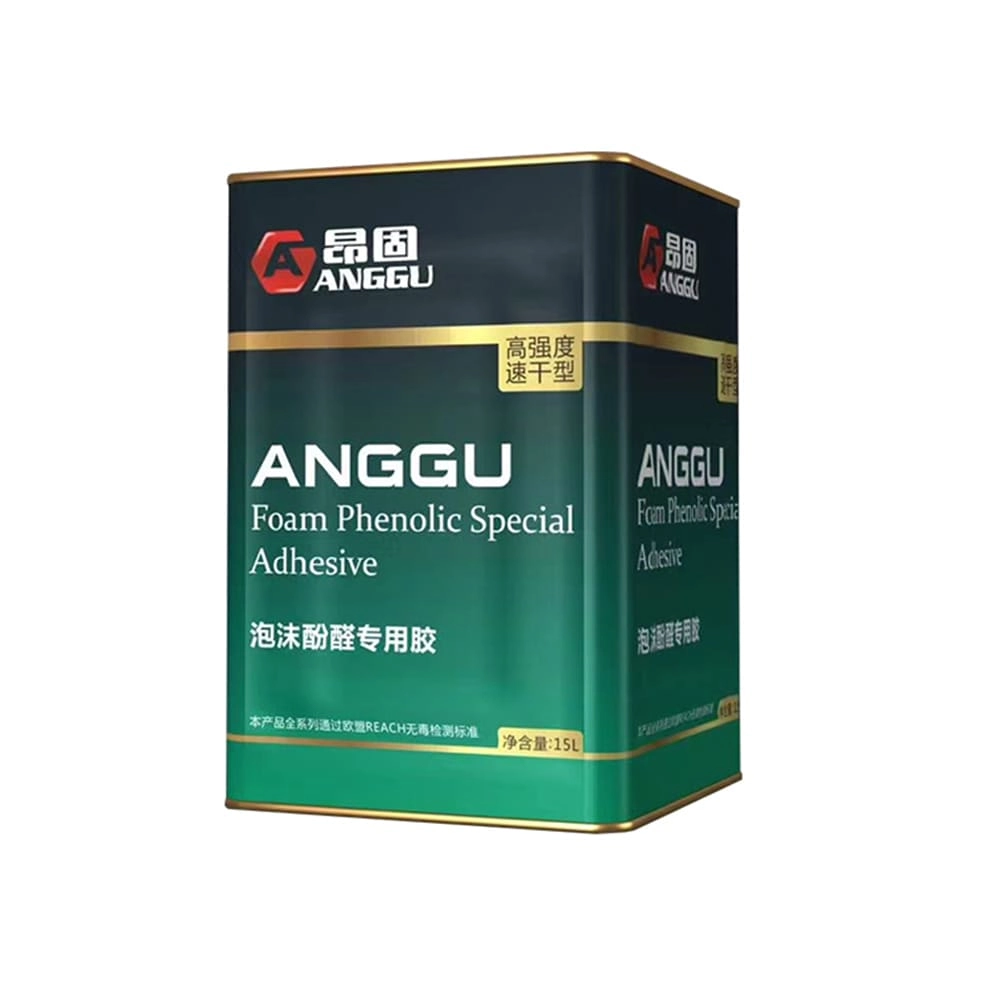
Foam Phenolic Adhesive
This product has passed the national GB33372-2020 standard and GB18583-2008 standard. (The product is a yellow liquid.)
Anggu foam phenolic glue is a kind of glue with corrosion resistance, low odor, high strength and excellent brushing property. Can be sprayed for construction with fast surface drying speed, long bonding time, no chalking and convenient operation.
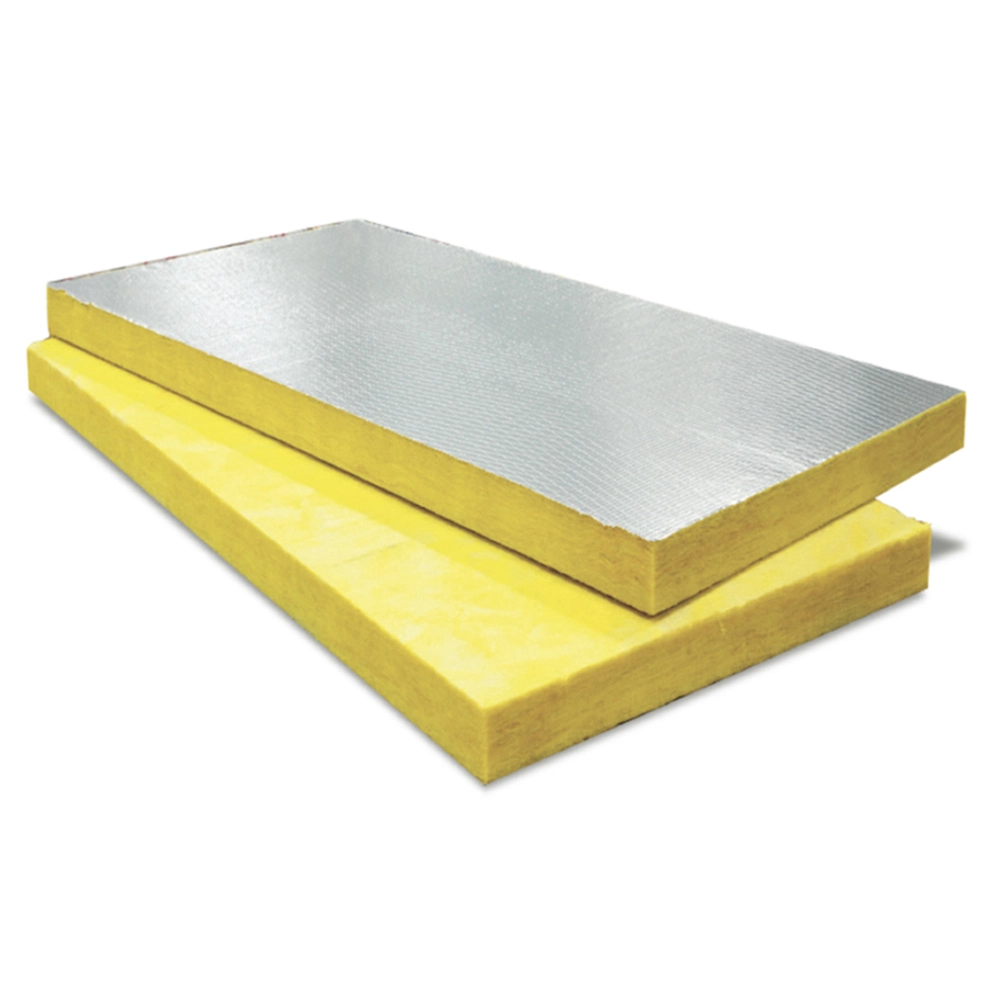
Wholesale Roof And Wall Thermal Heat Insulation 50mm Thickness Aluminum Foil Fiberglass Insulation Panel Board Glass Wool Price
Glass wool is the molten glass fiber, the formation of cotton-like material, chemical composition belongs to the glass category, is a kind of inorganic fiber. With good molding, small volume density, thermal conductivity both, thermal insulation, sound absorption performance is good, corrosion resistance, chemical stability and so on.
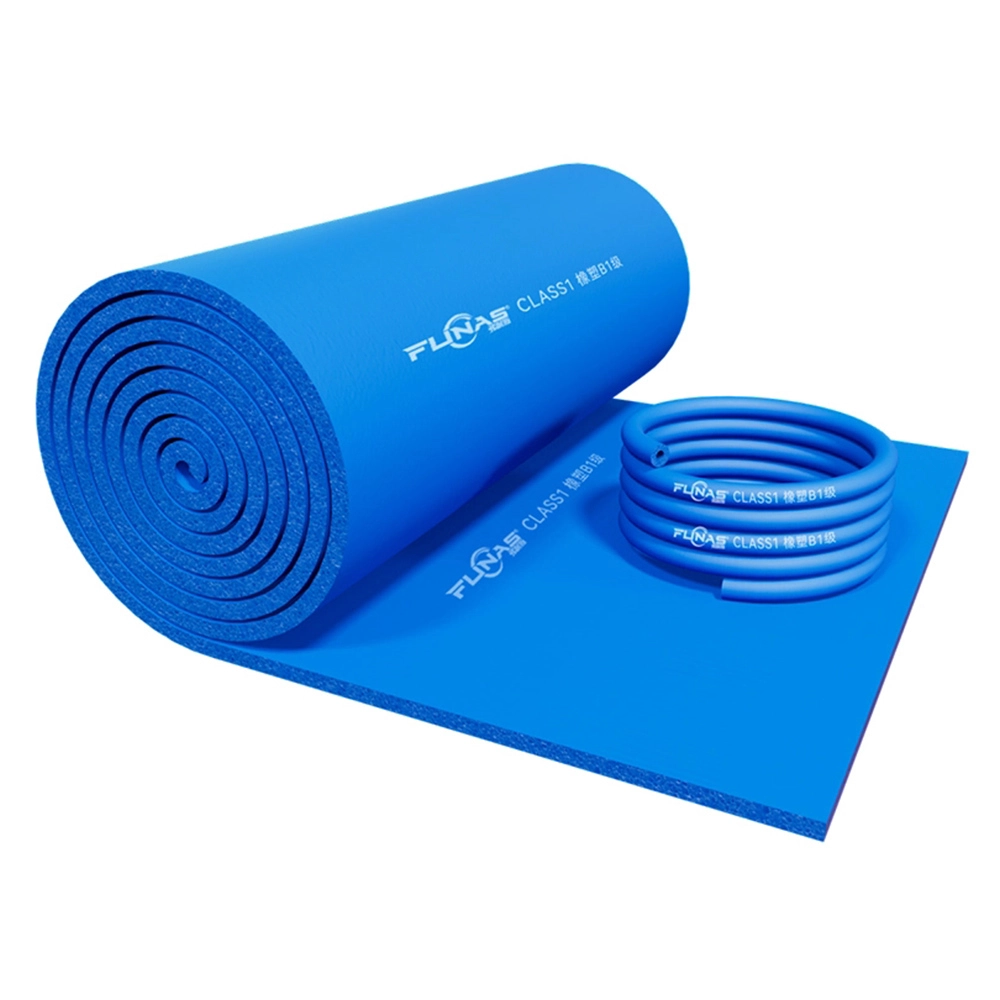
Wholesale blue Rubber-plastic Board Rubber foam panel sheet
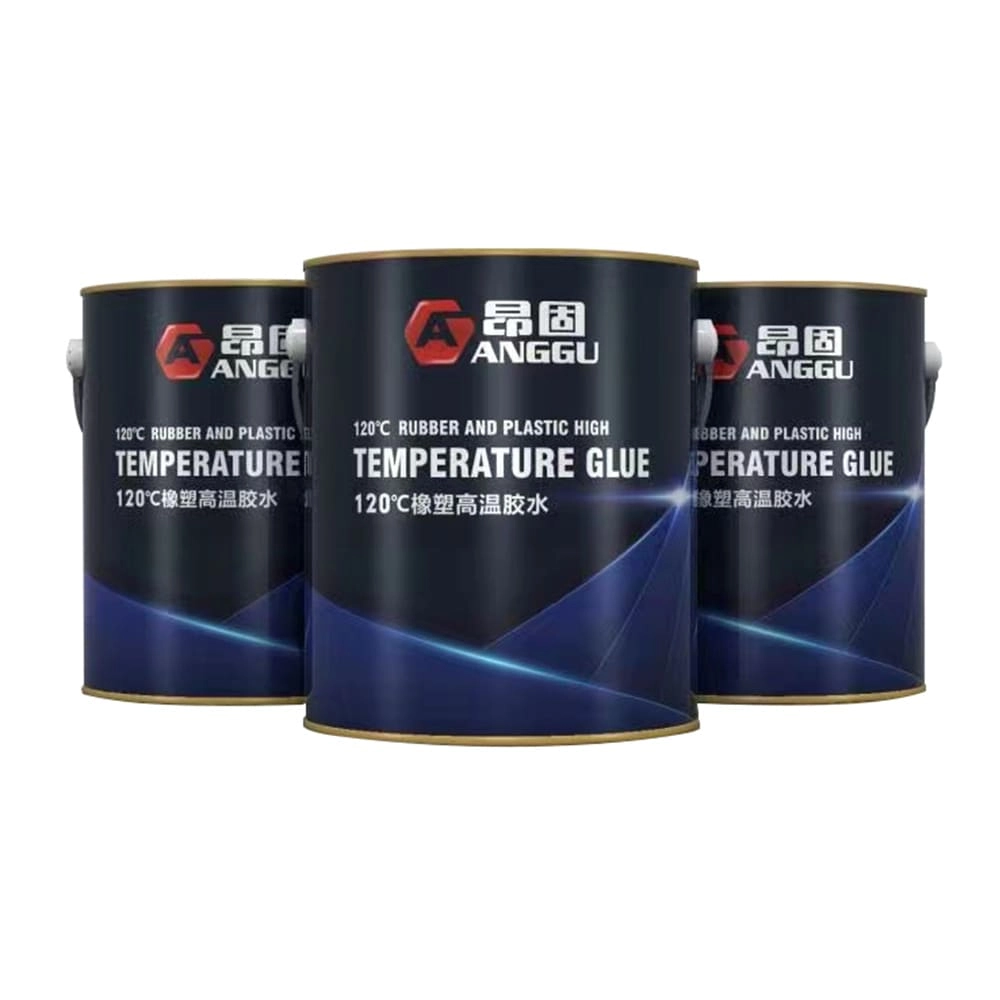
120°Rubber foam high-temperature adhesive
This product has passed the EU REACH non-toxic standard and the ROHS non-toxic standard. (The product is yellow glue.)
Anggu 120 ° rubber-plastic high-temperature glue is an extravagant product, mainly used for various intractable diseases, high temperatures, and harsh and demanding places. This product is a low-odor, high-strength quick-drying glue; table drying speed, long bonding time, no powder, non-toxic, wide range of applications, can be applied to most insulation materials.
Leave a message
Have any questions or concerns about our products? Please leave us a message here and our team will get back to you promptly.
Your queries, ideas, and collaboration opportunities are just a click away. Let’s start a conversation.
