


















































Which insulation is best for high-performance buildings? | Insights by FUNAS
Explore the top thermal insulation materials for high-performance buildings, including their benefits, considerations, and the advantages of choosing FUNAS for your insulation needs.
- Choosing the Optimal Thermal Insulation for High-Performance Buildings
- 1. What Are the Most Effective Thermal Insulation Materials?
- 2. How Do I Evaluate the Thermal Performance of Insulation Materials?
- 3. What Are the Environmental Considerations of Insulation Materials?
- 4. How Do I Ensure Proper Installation of Insulation Materials?
- 5. What Are the Cost Implications of Different Insulation Materials?
- Conclusion: Why Choose FUNAS for Your Insulation Needs?
Choosing the Optimal Thermal Insulation for High-Performance Buildings
When constructing high-performance buildings, selecting the right thermal insulation is crucial for energy efficiency, comfort, and sustainability. Below are five key considerations to guide your decision:
1. What Are the Most Effective Thermal Insulation Materials?
High-performance buildings often utilize materials with low thermal conductivity to minimize heat transfer. Common options include:
Polyisocyanurate (PIR): Known for its high R-value per inch, PIR is a rigid foam insulation suitable for various applications, including flat roofing systems.
Mineral Wool: Offering excellent fire resistance and soundproofing qualities, mineral wool is a versatile insulation material used in walls, roofs, and floors.
Autoclaved Aerated Concrete (AAC): AAC blocks provide thermal efficiency and fire resistance, making them suitable for specific construction applications.
2. How Do I Evaluate the Thermal Performance of Insulation Materials?
The thermal performance of insulation materials is primarily assessed by their R-value, which measures thermal resistance. A higher R-value indicates better insulating properties. For instance:
PIR Insulation: Typically offers an R-value of 6 to 7 per inch of thickness.
Mineral Wool: Provides an R-value ranging from 3.5 to 4 per inch.
AAC Blocks: Generally have an R-value of 1.25 to 1.5 per inch.
3. What Are the Environmental Considerations of Insulation Materials?
Sustainability is a growing concern in construction. Materials like AAC are valued for their lower embodied energy and environmental footprint compared to traditional concrete. Additionally, the global thermal insulation material market is projected to reach $96.0 billion by 2028, driven by increasing demand for energy-efficient solutions.
4. How Do I Ensure Proper Installation of Insulation Materials?
Proper installation is essential to achieve the desired thermal performance. This includes:
Sealing Gaps: Ensuring all joints and penetrations are sealed to prevent air leaks.
Continuous Coverage: Maintaining a continuous layer of insulation without gaps or voids.
Moisture Management: Implementing vapor barriers to control moisture and prevent condensation.
5. What Are the Cost Implications of Different Insulation Materials?
Costs vary based on material type, thickness, and installation complexity. While materials like PIR may have a higher upfront cost, their superior thermal performance can lead to long-term energy savings. It's important to balance initial investment with potential operational savings over the building's lifespan.
Conclusion: Why Choose FUNAS for Your Insulation Needs?
FUNAS offers a range of high-quality thermal insulation materials tailored for high-performance buildings. Our products are designed to provide optimal thermal resistance, fire safety, and environmental sustainability. With a commitment to innovation and customer satisfaction, FUNAS is your trusted partner in creating energy-efficient and comfortable building environments.

Does sound insulation foam Actually Work in 2026? Ultimate guide About Blocking vs. Absorbing Noise
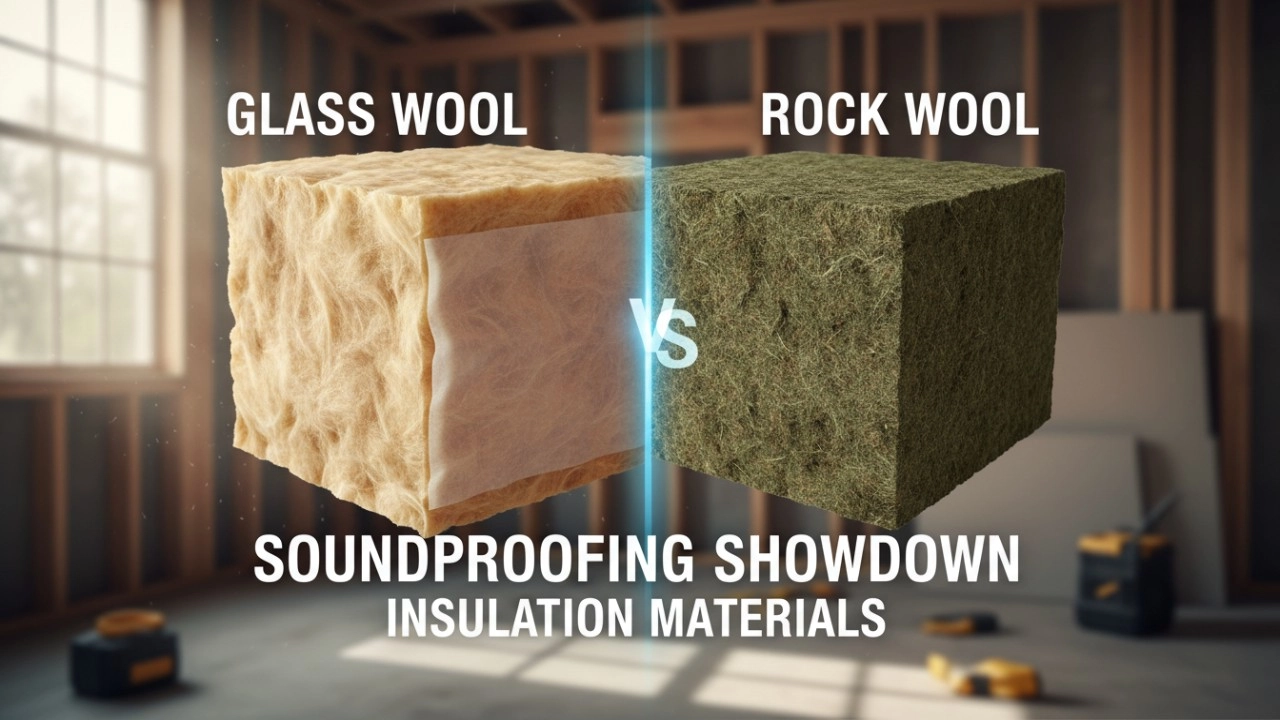
Fiberglass vs. Rockwool: Which Soundproofing Insulation Material Wins for Acoustic Control?
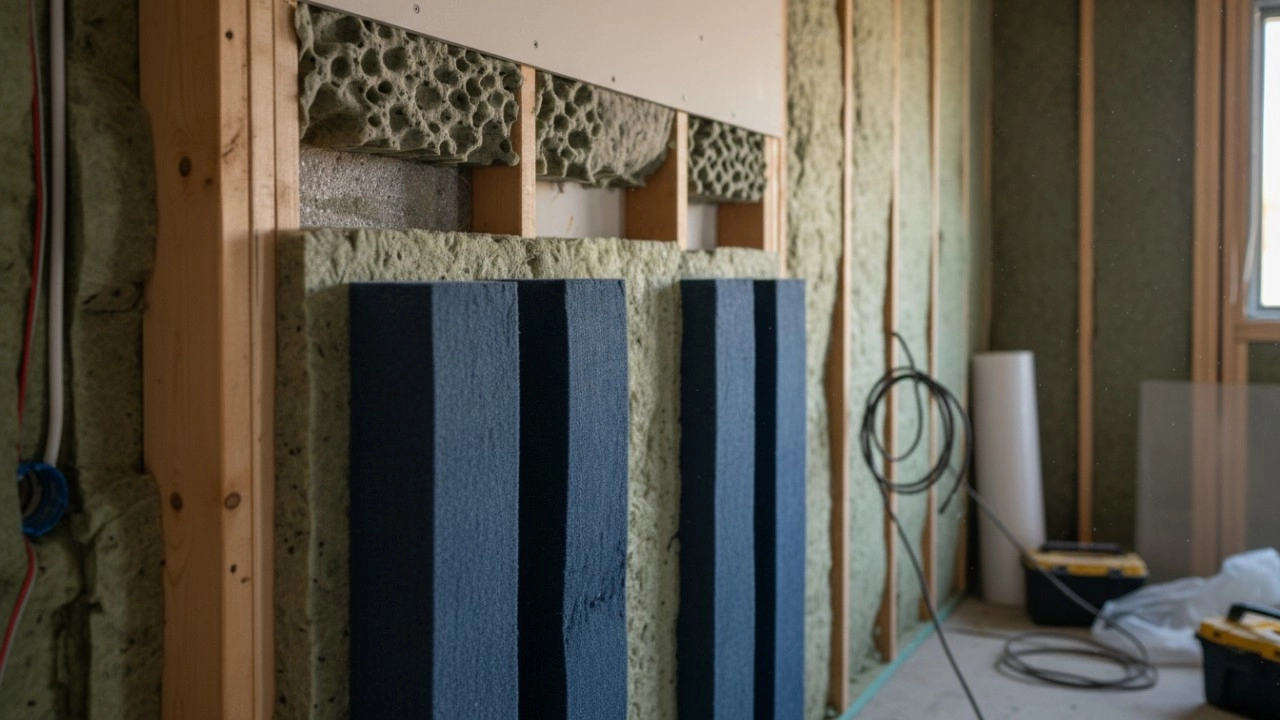
Sound Insulation Foam vs. Acoustic Panels: Which One Actually Stops Noise? (2026 Guide)
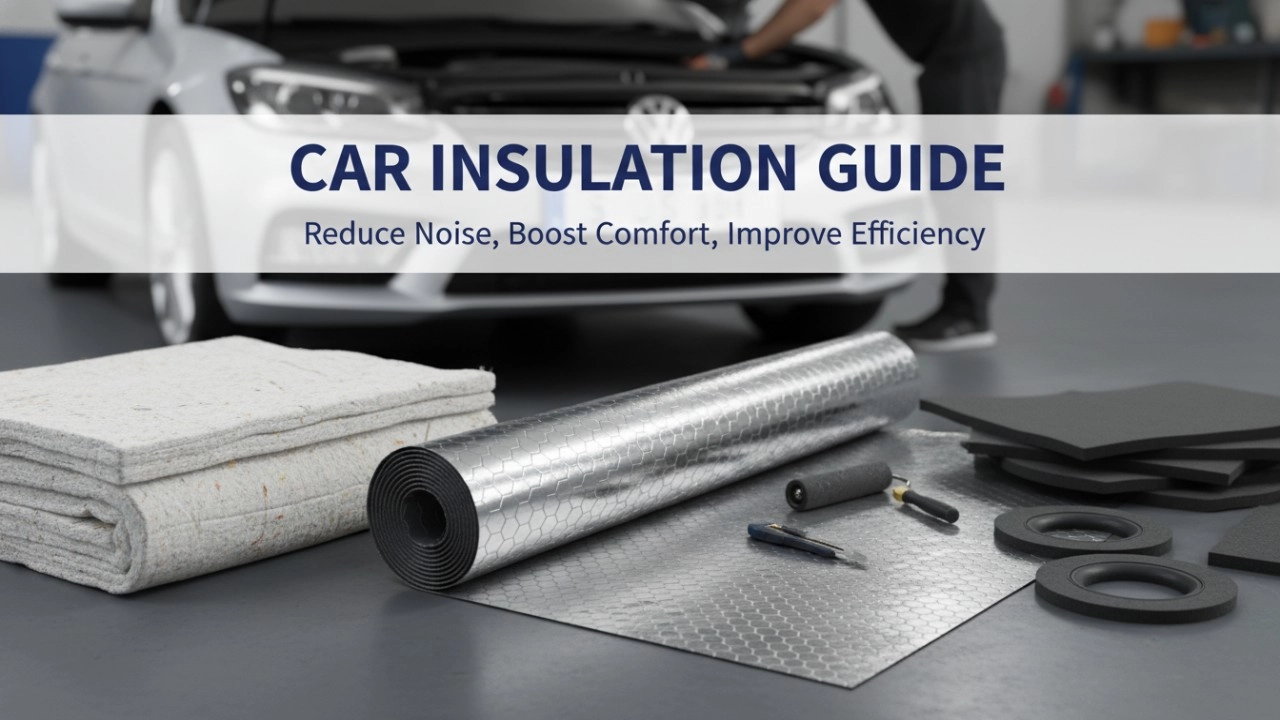
7 Dangerous Mistakes to Avoid When Selecting insulating materials for Your Car (2026 Guide)
service
What is your shipping and delivery process like?
We offer reliable logistics services for insulation material wholesale, both domestically and internationally. Our team ensures secure packaging, timely shipping, and real-time tracking so that your order reaches you in perfect condition and on schedule.
Can I request custom dimensions or properties for my insulation needs?
Yes, we specialize in custom solutions. Whether you need specific dimensions, thicknesses, densities, or additional coatings, we can work with you to manufacture insulation products tailored to your exact requirements of good materials for heat insulation.
FAQ
How do I choose the right insulation for my project?
Our team can help you choose the best material for heat insulation based on your specific needs, such as thermal resistance, acoustic properties, and environmental conditions.
What is the typical delivery time for custom orders?
Our daily production capacity is 800 cubic meters. Delivery time varies depending on the complexity of the insulation material wholesale order, but we can deliver large quantities of customized products within 4-6 weeks after the approval date, and small quantities can be delivered within 15 days.
You might also like
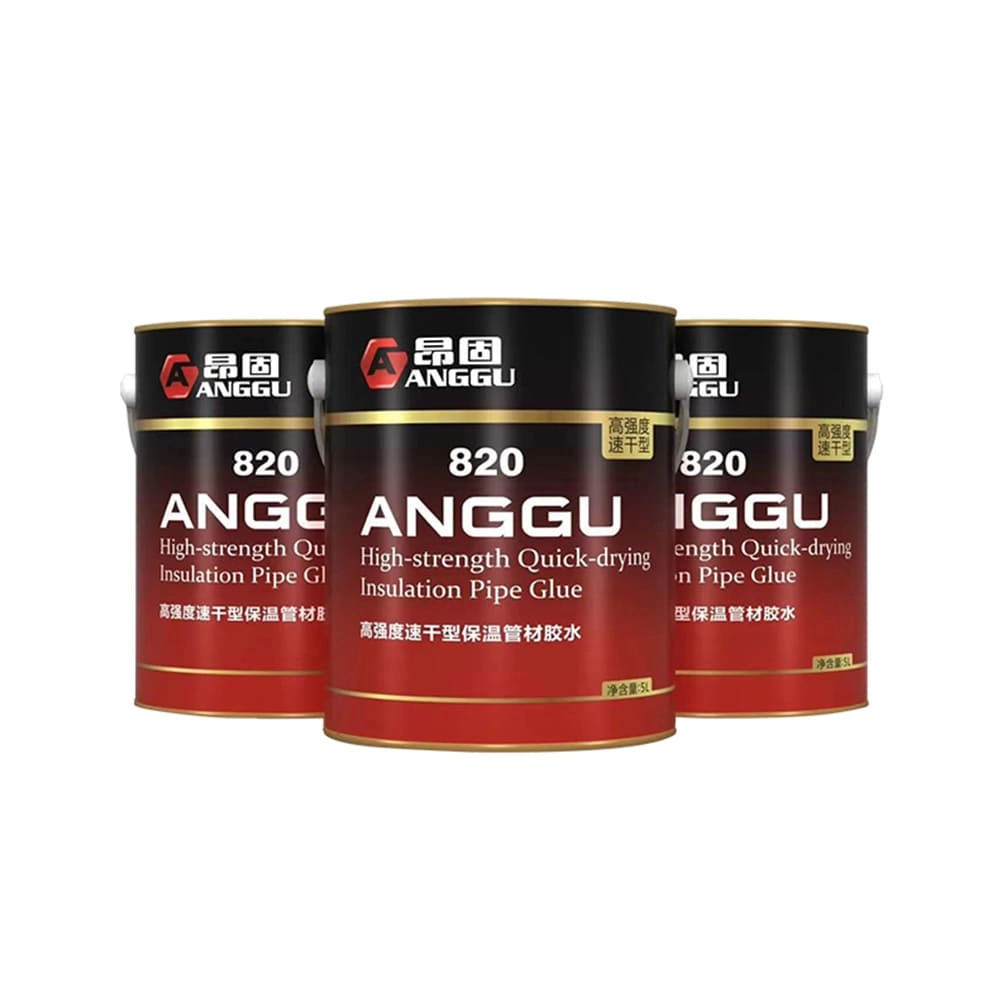
820 Pipe special adhesive
This product has passed the EU REACH non-toxic standard, ROHS non-toxic standard. (The product is black glue.)
Anggu 820glue is a low-odor, high-strength quick-drying glue; Fast drying speed, long bonding time, no powder, non-toxic.
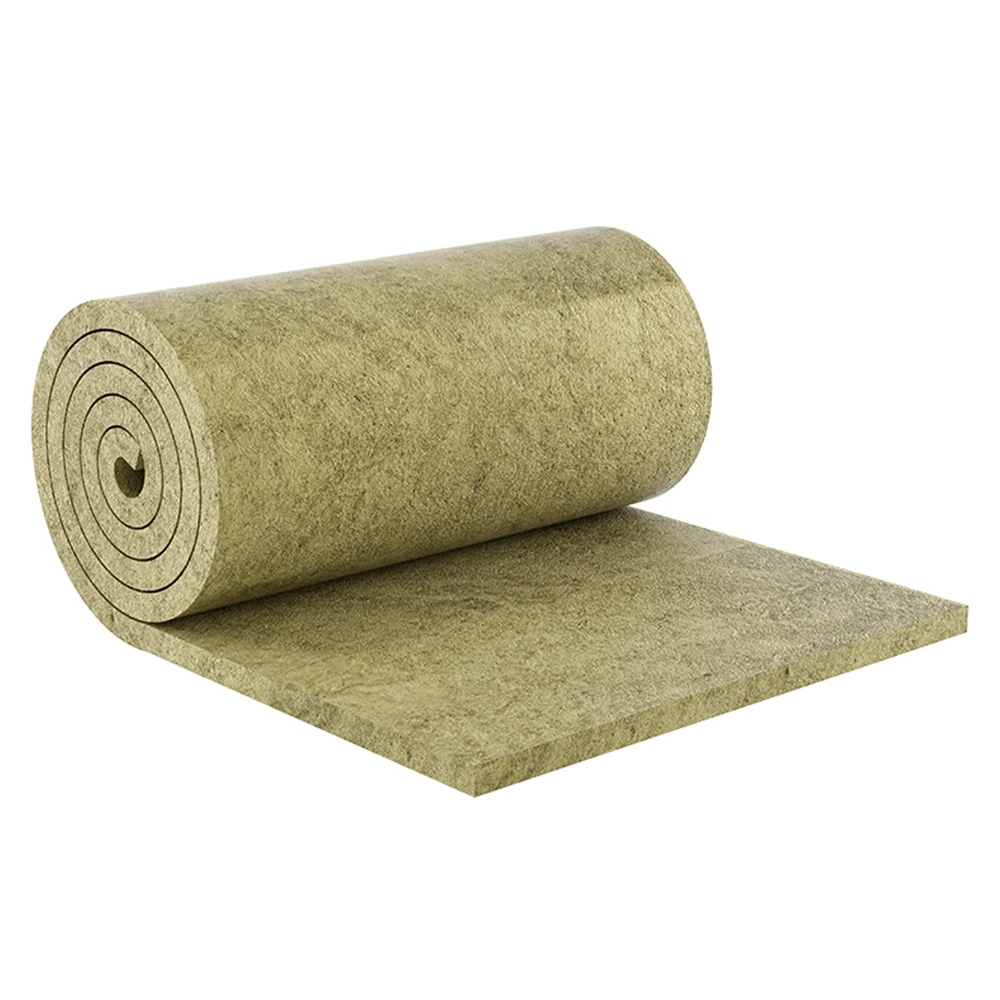
Wholesale Rock Wool Mineral Wool Roll Blanket
Durable rock wool roll with outstanding fire resistance and insulation properties. Ideal for industrial and construction applications.
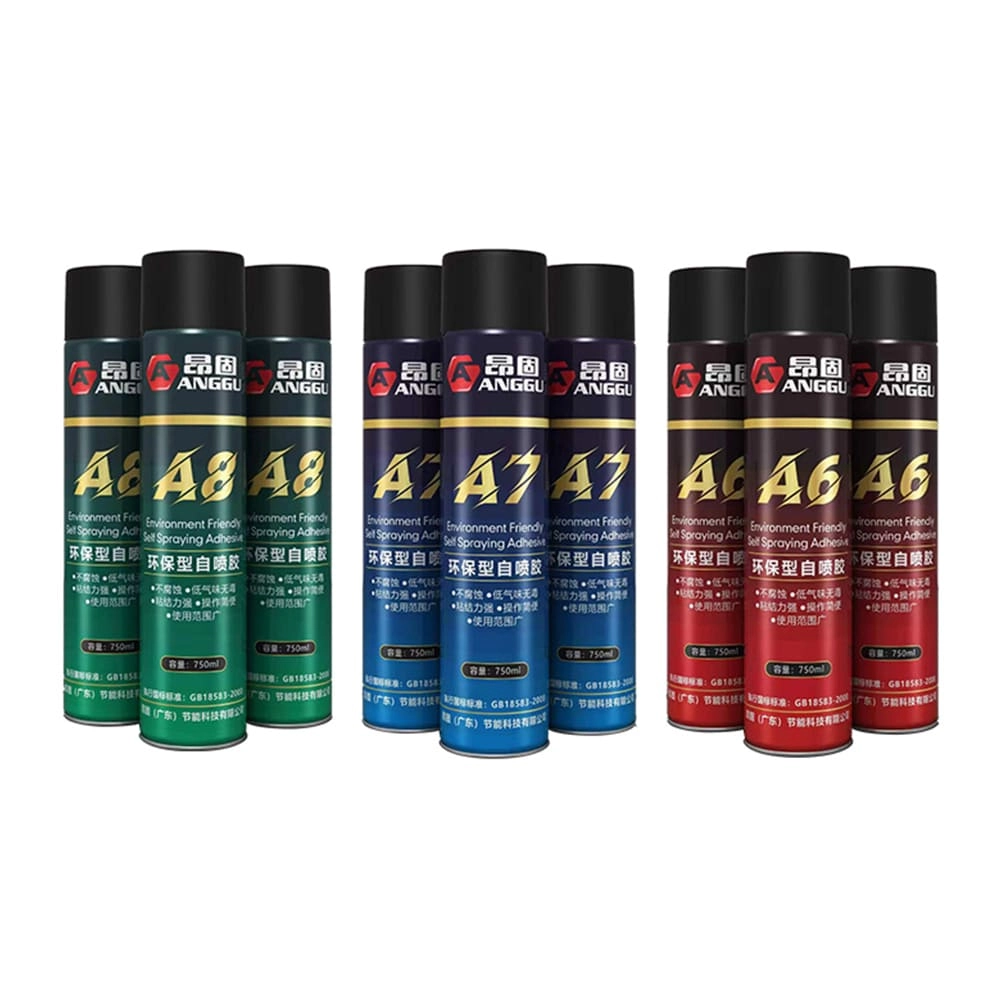
Environmentally friendly self spraying adhesive
This product has passed the national GB33372-2020 standard and GB18583-2008 standard. This product is a yellow liquid.
Anggu spray glue is a product with high cost performance and a wide application range. It is mainly used for home construction, engineering construction, and various construction defect repair places. This product is low odor, no formaldehyde, spray-convenient glue, table drying speed, long bonding time, no chalking.
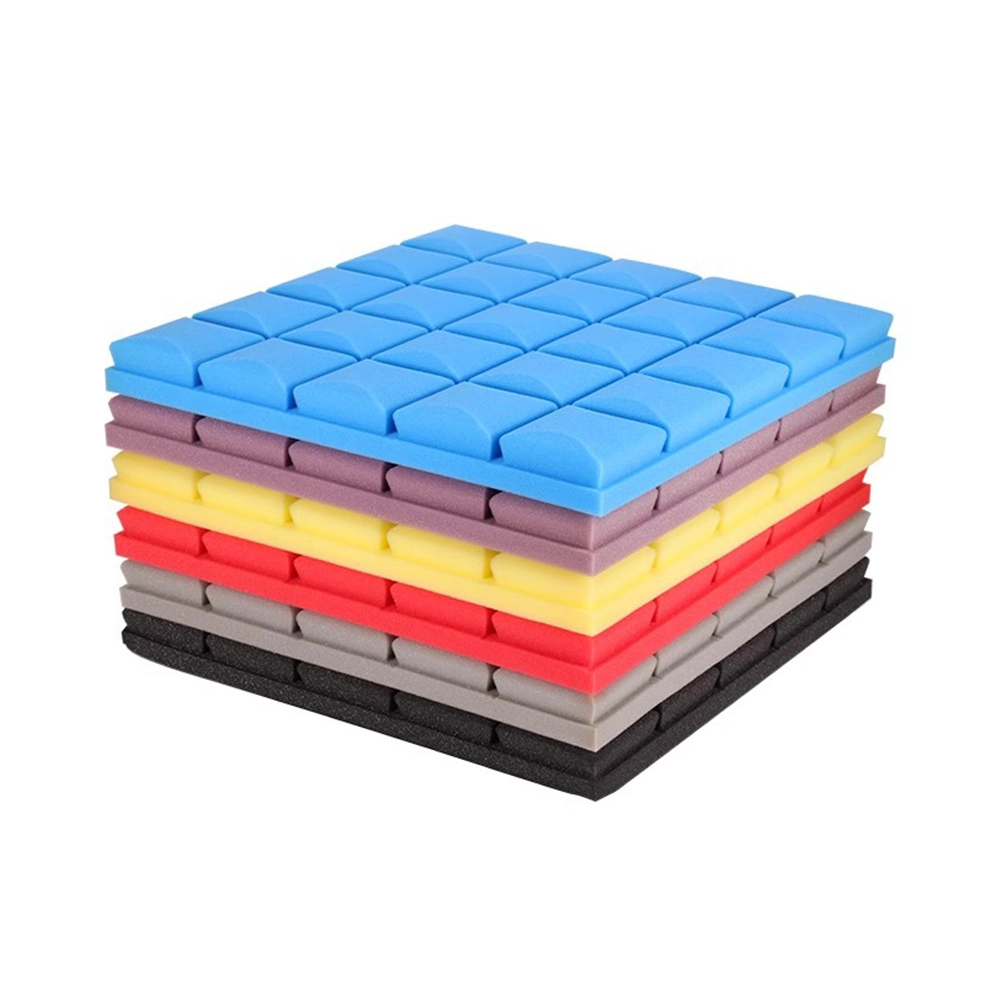
Wholesale High-Density Acoustic Foam Sound-absorbing Sponge Soundproof Cotton
Enhance sound clarity and reduce noise with FUNAS Wholesale High-Density Acoustic Foam Sound-absorbing Sponge. Polyurethane sponge is a low density PU with foam density less than 18 kg/m3. This premium soundproof cotton delivers superior sound absorption, perfect for studios, offices, and home theaters. Optimize your acoustic environment now!
Leave a message
Have any questions or concerns about our products? Please leave us a message here and our team will get back to you promptly.
Your queries, ideas, and collaboration opportunities are just a click away. Let’s start a conversation.
