

















































Fiberglass Pipe Insulation: Is It Safe for Hot Water Lines?
Can fiberglass insulation touch hot water pipes? FUNAS explains safety, thermal performance and installation tips for using fiberglass on hot water lines to prevent heat loss and damage.

Yes, fiberglass insulation can touch hot water pipes, but there are important considerations:
1. Heat Resistance of Fiberglass
Fiberglass insulation is made of fine glass fibers and is non-combustible, withstanding temperatures up to around 1000°F (538°C). Since hot water pipes in residential and commercial buildings typically operate well below 212°F (100°C), the insulation itself won’t melt, burn, or degrade when in contact with the pipes.
2. Moisture Concerns
The main issue is not heat but condensation and moisture absorption:
-
Fiberglass itself does not absorb water, but its open structure can trap moisture.
-
If the hot water pipe cools when not in use, condensation may form, leading to mold, mildew, or reduced insulation effectiveness.
-
To prevent this, a vapor barrier or pipe insulation wrap should be applied over fiberglass to keep it dry.
3. Proper Application
-
For Hot Water Pipes: It is common practice to insulate them with fiberglass pipe wrap (often pre-slit and foil-backed).
-
For Cold Water Pipes: Extra care is needed to prevent condensation; a vapor barrier (like foil or plastic wrap) is essential.
-
Clearances: While fiberglass can safely touch pipes, avoid compressing it too tightly, as this reduces its insulating performance.
4. Alternative Materials
In some cases, foam rubber or polyethylene pipe insulation may be preferred, since they provide both insulation and built-in moisture resistance.
Conclusion
Fiberglass insulation can safely touch hot water pipes without any fire risk, since it is highly heat-resistant. However, to maintain performance and avoid moisture problems, it should be installed with a protective vapor barrier or combined with a pipe insulation product specifically designed for plumbing applications.

Does sound insulation foam Actually Work in 2026? Ultimate guide About Blocking vs. Absorbing Noise
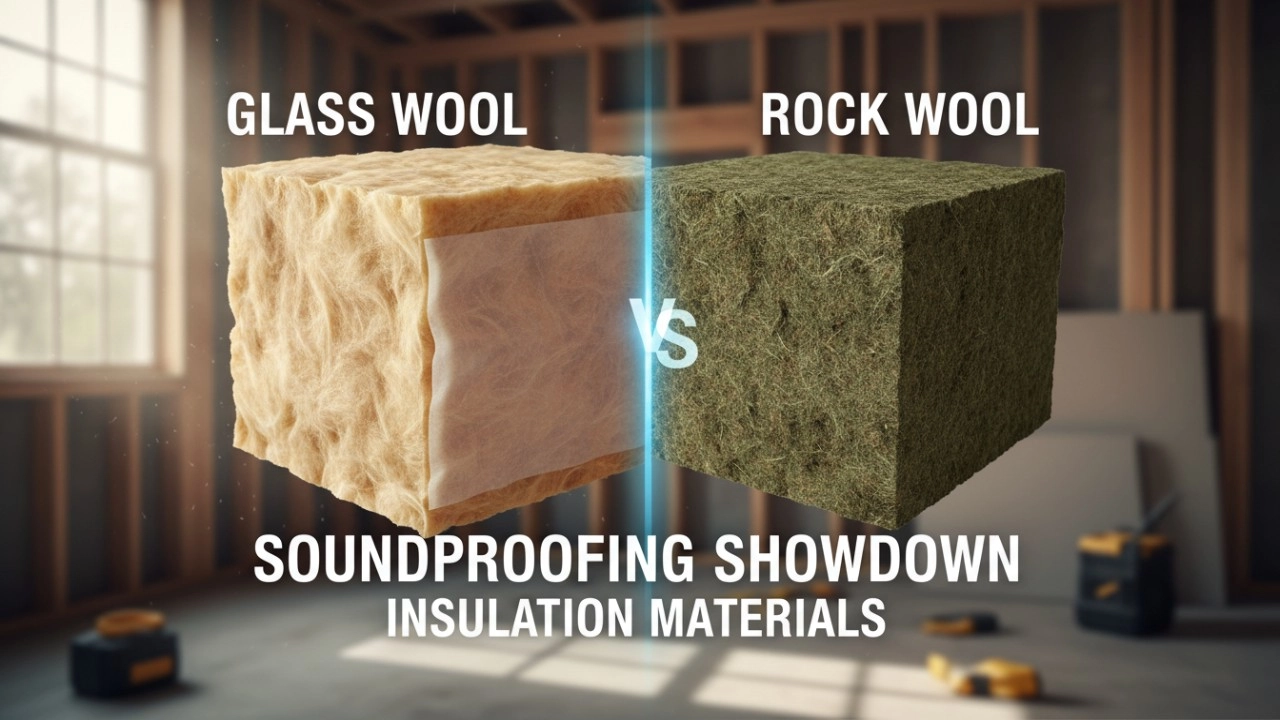
Fiberglass vs. Rockwool: Which Soundproofing Insulation Material Wins for Acoustic Control?
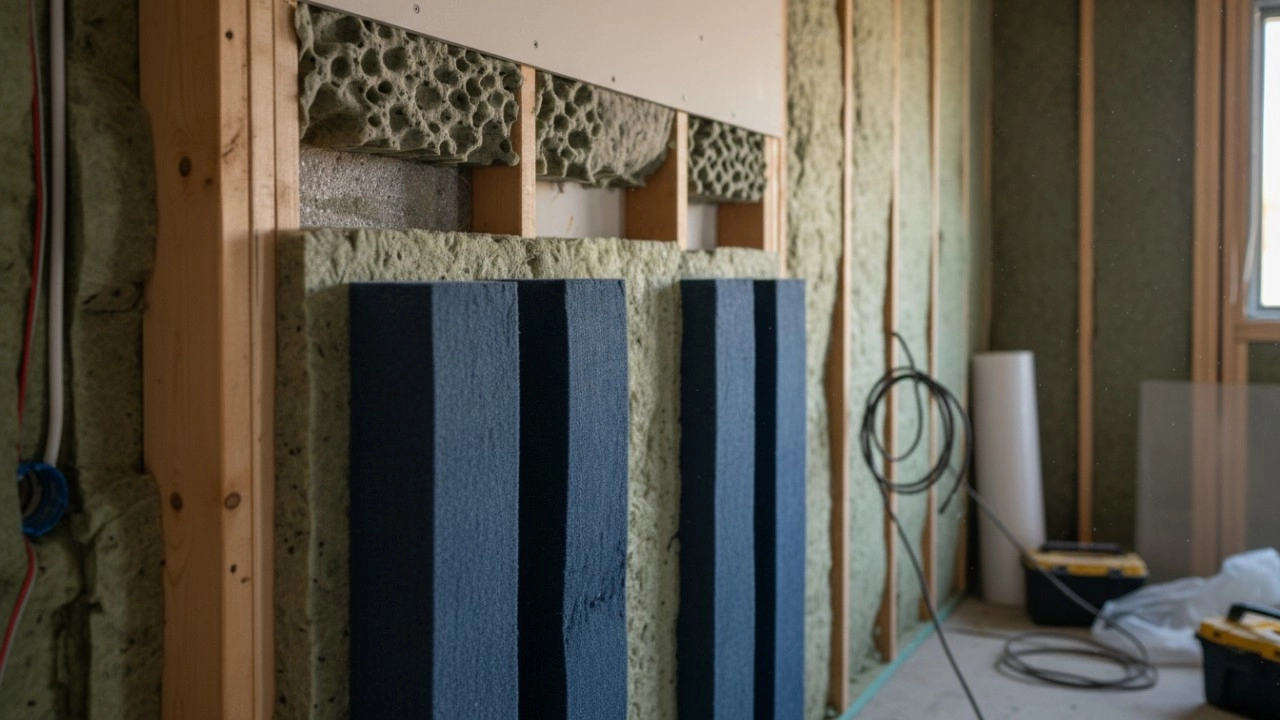
Sound Insulation Foam vs. Acoustic Panels: Which One Actually Stops Noise? (2026 Guide)
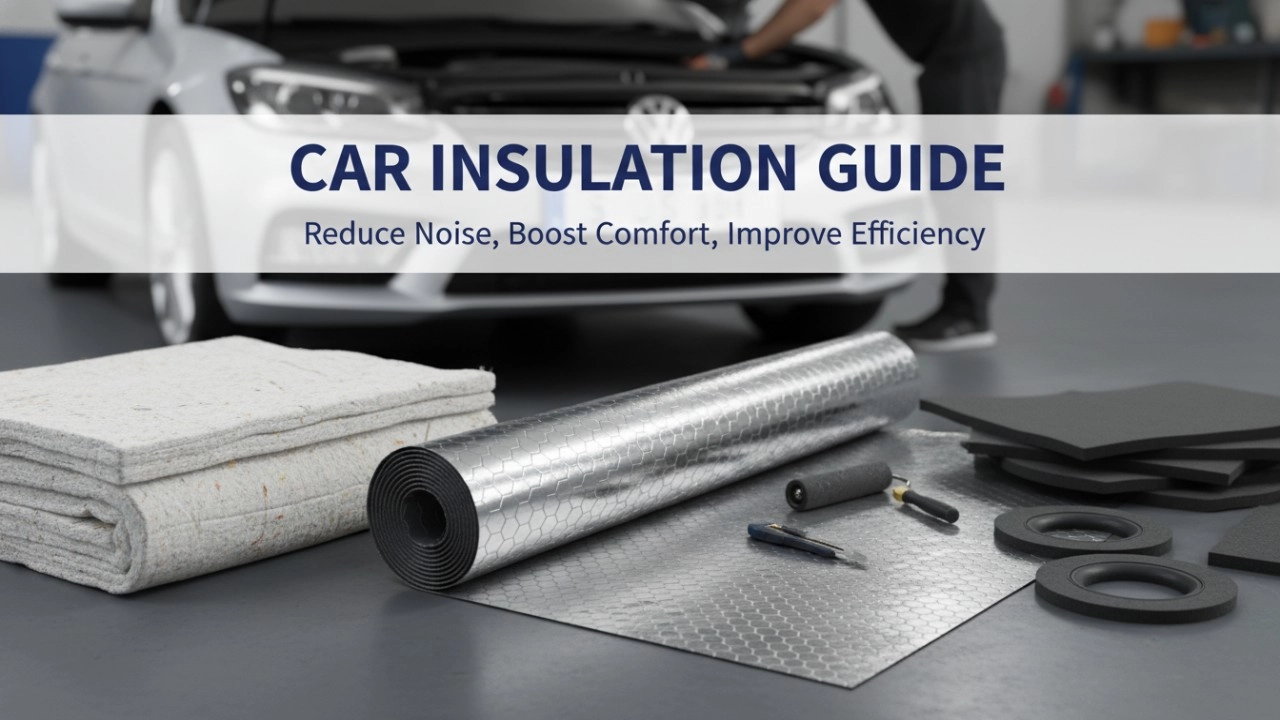
7 Dangerous Mistakes to Avoid When Selecting insulating materials for Your Car (2026 Guide)
service
Are your rubber foam products environmentally friendly?
Yes, our insulation products are designed with sustainability in mind. They help reduce energy consumption by minimizing heat loss and gain, and they are made from durable materials that have a long life cycle, reducing the need for frequent replacement.
How does your technical support work?
Our technical support team is available to guide you through every stage of your project—from product selection and design to installation. We provide expert consultation to ensure that you get the best insulation solution for your needs and can assist with troubleshooting if needed.
Can I request custom dimensions or properties for my insulation needs?
Yes, we specialize in custom solutions. Whether you need specific dimensions, thicknesses, densities, or additional coatings, we can work with you to manufacture insulation products tailored to your exact requirements of good materials for heat insulation.
FAQ
What types of rubber foam insulation do you offer?
We offer a wide range of rubber foam insulation with different thicknesses and specifications. Thermal insulation material manufacturer FUNAS sleeves and sheets are suitable for different application scenarios.
You might also like
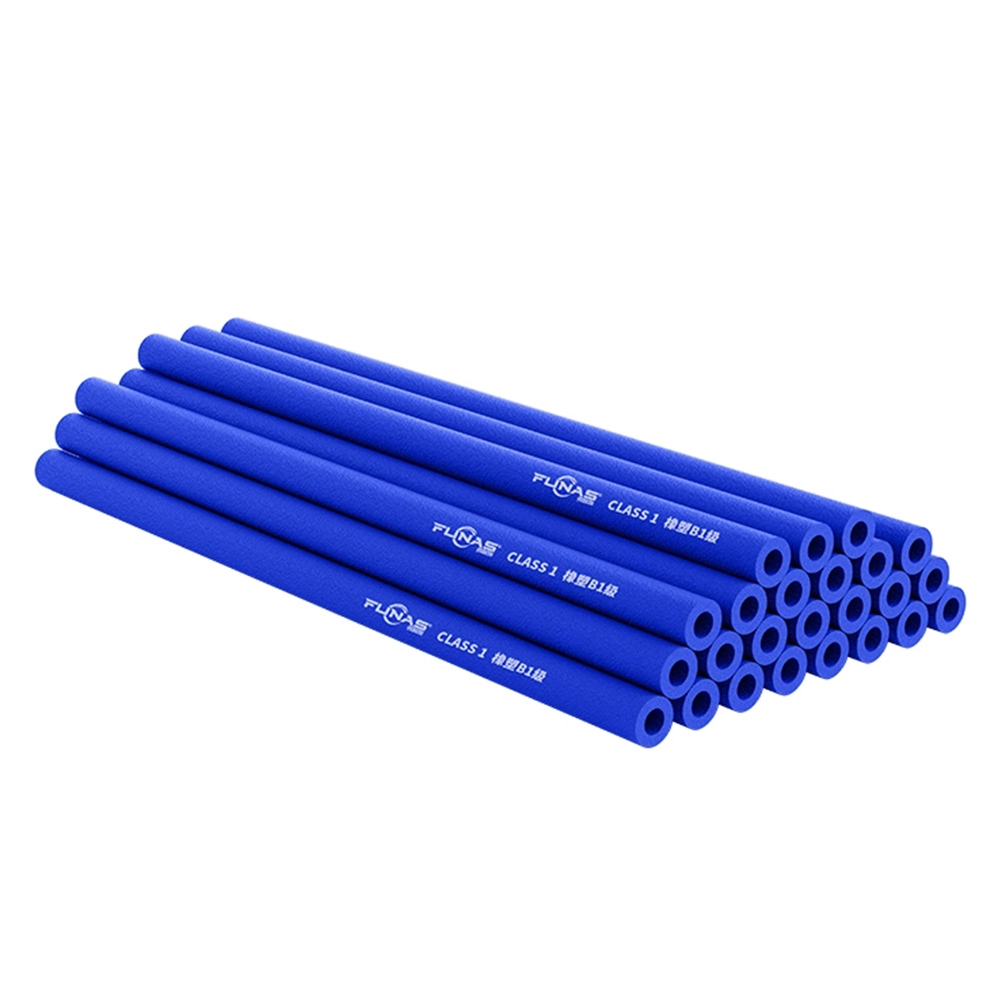
Blue Rubber-plastic Tube Rubber foam pipe wholesale
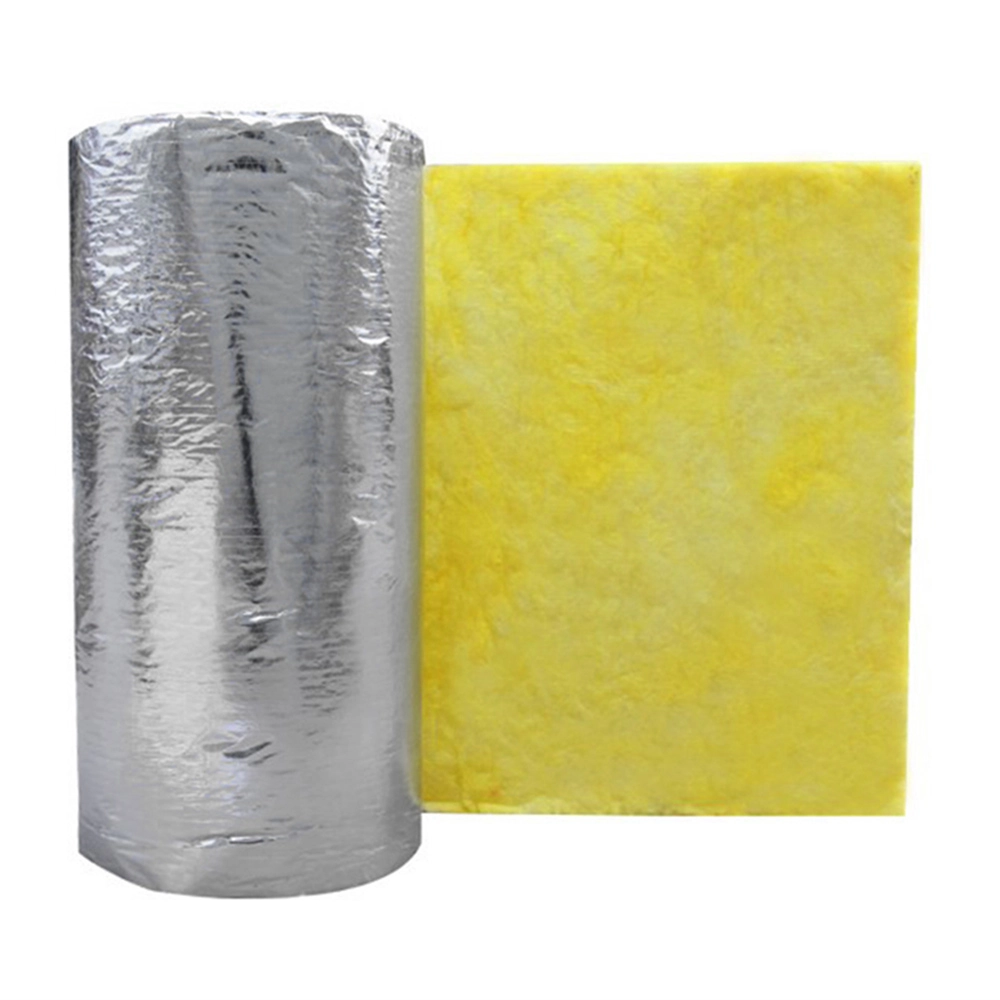
Wholesale Roof And Wall Thermal Heat Insulation 50mm Thickness Aluminum Foil Fiberglass Insulation Roll Glass Wool
Glass wool is the molten glass fiber, the formation of cotton-like material, chemical composition belongs to the glass category, is a kind of inorganic fiber. With good molding, small volume density, thermal conductivity both, thermal insulation, sound absorption performance is good, corrosion resistance, chemical stability and so on.
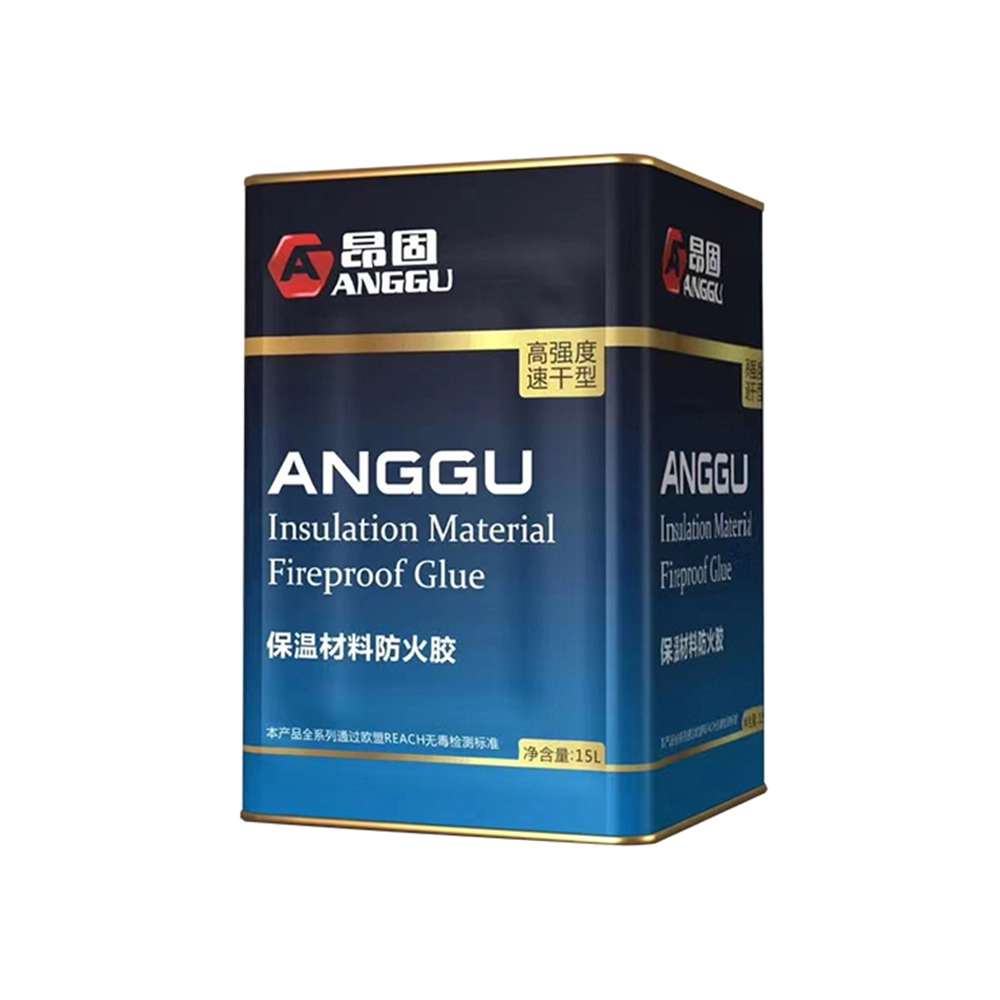
China Manufacturer ANGGU Rubber Foam Dedicated Adhesives & Sealants & Glue
Our high-performance adhesives ensure durability and excellent adhesion, guaranteeing optimal results for all your industrial needs. Specially formulated for precision and strength, Funas adhesives offer seamless application and long-lasting reliability. Trust in quality and innovation with our dedicated rubber foam adhesives. Perfect your projects with Funas, where excellence meets commitment.
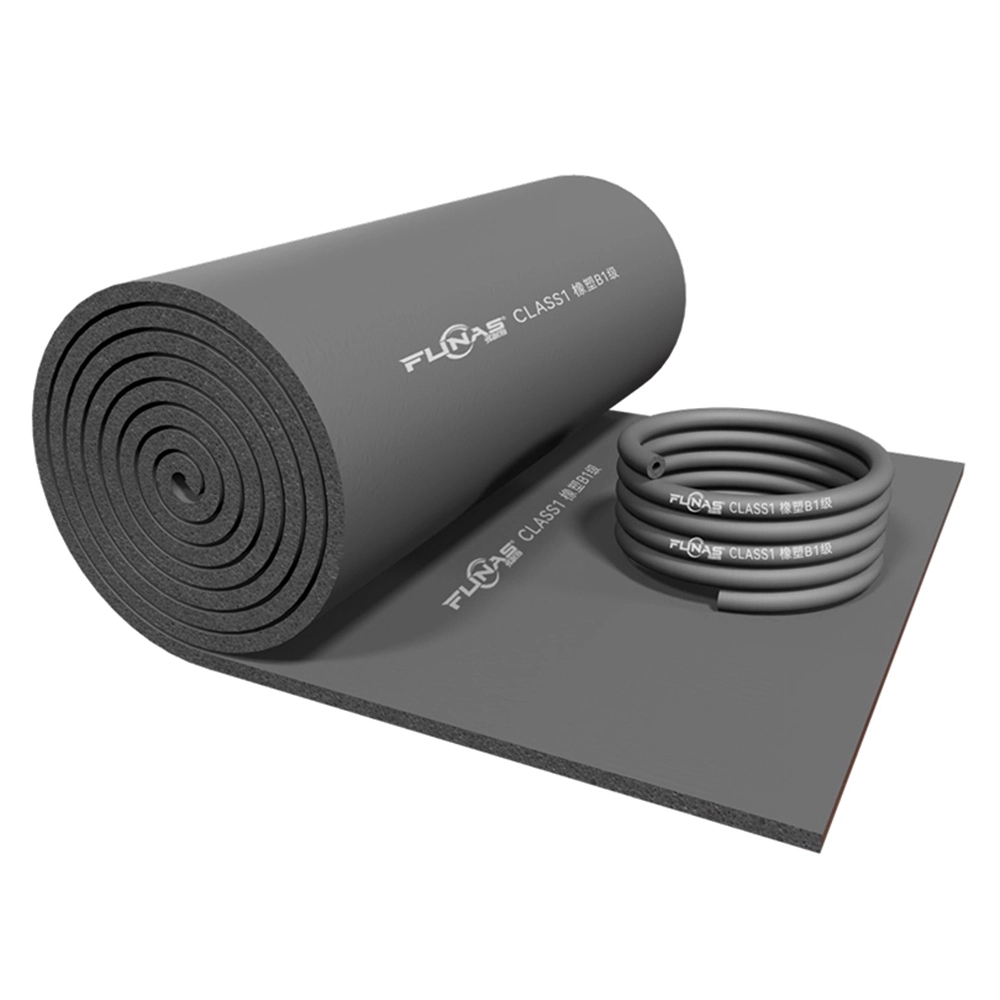
Wholesale black Rubber-plastic Board Rubber foam panel sheet
Leave a message
Have any questions or concerns about our products? Please leave us a message here and our team will get back to you promptly.
Your queries, ideas, and collaboration opportunities are just a click away. Let’s start a conversation.
