
















































Foam or Rubber Pipe Insulation? Pros, Cons, and Best Uses
Discover rubber vs foam water pipe insulation: pros, cons and best uses for efficient thermal protection. FUNAS guides selection, installation tips, and cost comparisons to keep pipes safe and energy-efficient.
Proper pipe insulation is essential for improving energy efficiency, preventing heat loss, and protecting plumbing systems from condensation or freezing. Among the most common materials used in the construction and HVAC industries are rubber and foam pipe insulation. Both are designed to maintain water temperature and improve overall system performance, but their characteristics, costs, and applications differ.
In this article, we compare rubber vs foam water pipe insulation in terms of durability, cost, flexibility, and best use cases, so builders, contractors, and homeowners can make the right choice for their projects.
Rubber vs Foam Pipe Insulation: A Comparison
| Feature | Rubber Pipe Insulation | Foam Pipe Insulation |
|---|---|---|
| Material | Closed-cell synthetic rubber | Polyethylene or elastomeric foam |
| Heat Resistance | Excellent, withstands higher temperatures | Moderate, suitable for residential use |
| Moisture Resistance | Naturally resistant, no vapor barrier needed | Requires vapor barrier to prevent condensation |
| Flexibility | Very flexible, ideal for tight spaces | Less flexible, may tear when bent sharply |
| Durability | Long-lasting, resistant to UV and ozone | Shorter lifespan, not UV-resistant |
| Cost | Higher initial cost | More affordable upfront |
| Best Use Cases | Commercial plumbing, HVAC, hot water pipes | Residential cold and hot water supply lines |
Pros and Cons of Rubber Pipe Insulation
Pros:
-
Superior heat resistance, suitable for high-temperature water systems.
-
Excellent moisture and condensation control.
-
UV and ozone resistant, suitable for outdoor use.
-
Long service life, durable in demanding environments.
Cons:
-
More expensive compared to foam.
-
Heavier material, may require more effort during installation.
Pros and Cons of Foam Pipe Insulation
Pros:
-
Lightweight and easy to install, ideal for DIY projects.
-
Cost-effective option for residential plumbing.
-
Provides decent insulation for both hot and cold water pipes.
Cons:
-
Lower heat resistance compared to rubber.
-
Can absorb moisture without a vapor barrier.
-
Less durable, prone to wear and UV damage outdoors.
Which One Should You Choose?

-
Choose Rubber Pipe Insulation if you need long-term durability, high-temperature resistance, or plan to insulate pipes in commercial or outdoor settings.
-
Choose Foam Pipe Insulation if you want a budget-friendly solution for residential water pipes where temperatures are moderate and conditions are less demanding.
Conclusion
When comparing rubber vs foam water pipe insulation, both materials have clear advantages. Foam is cost-effective and easy to install, making it a popular choice for homeowners. Rubber, on the other hand, offers superior durability and moisture resistance, making it the best option for high-performance applications. The decision depends on your budget, installation environment, and long-term goals.
By selecting the right insulation material, you can improve energy efficiency, extend the life of your plumbing system, and ensure consistent water temperature.

Does sound insulation foam Actually Work in 2026? Ultimate guide About Blocking vs. Absorbing Noise
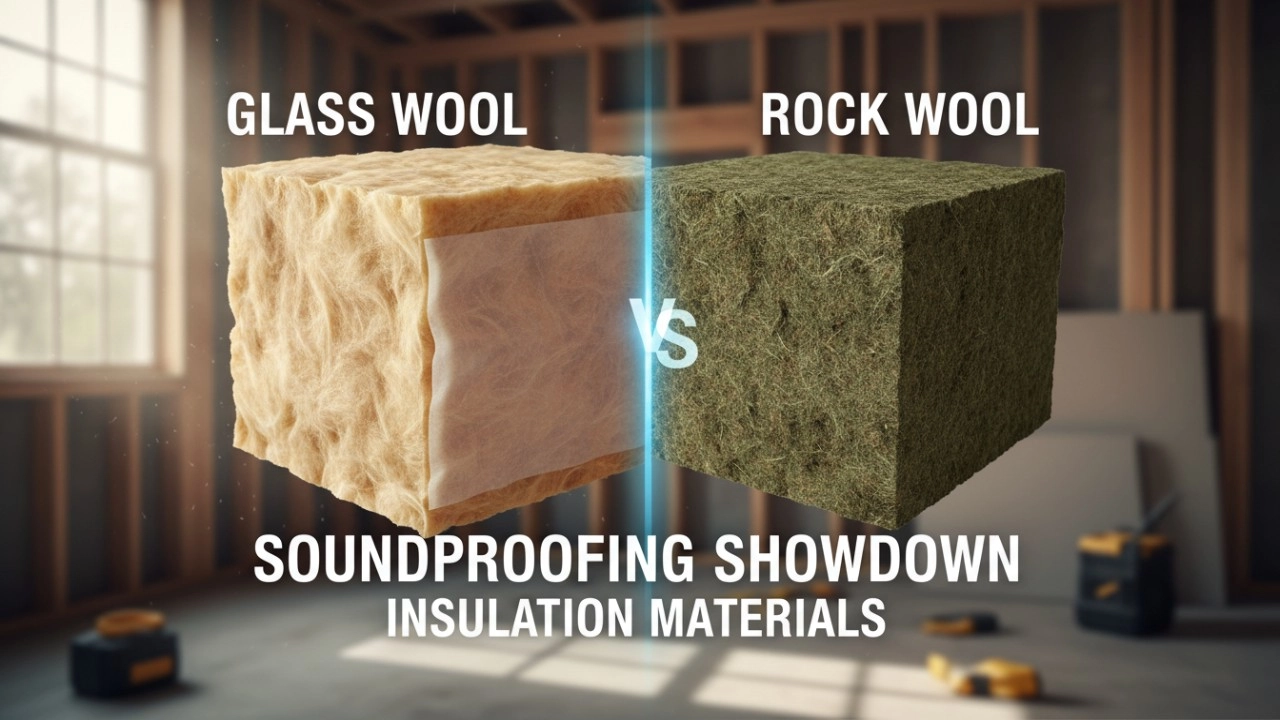
Fiberglass vs. Rockwool: Which Soundproofing Insulation Material Wins for Acoustic Control?
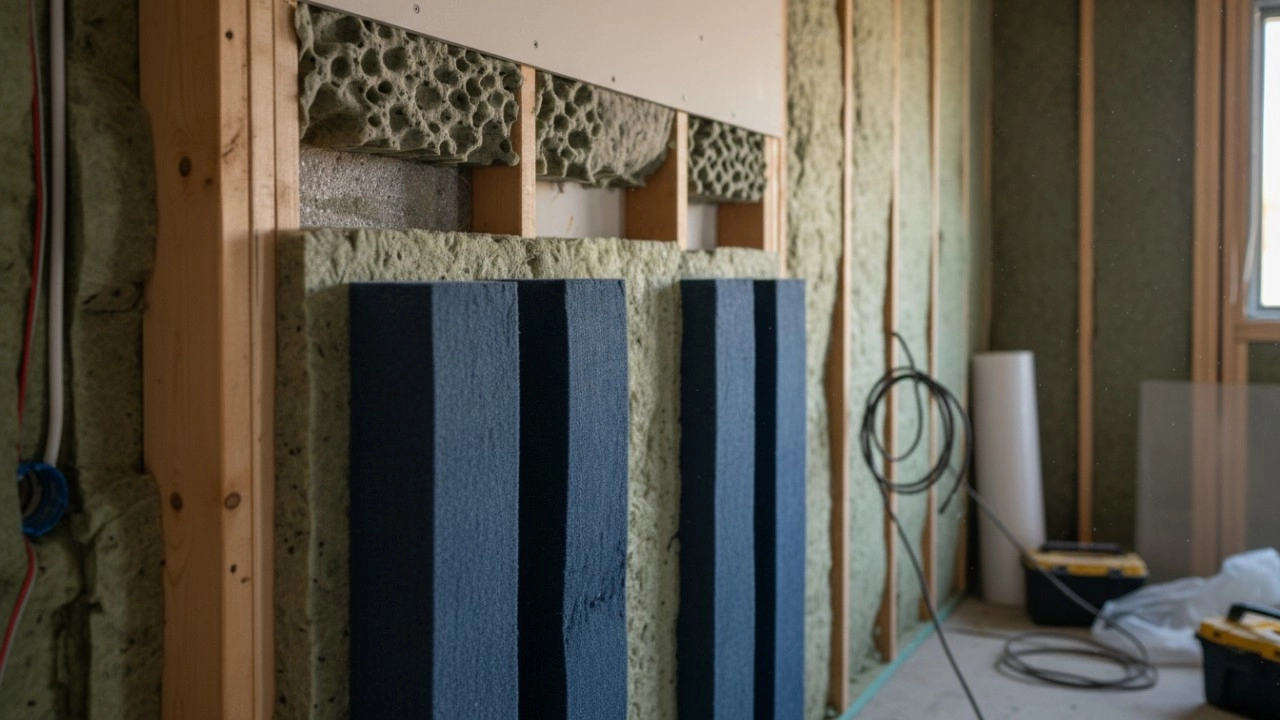
Sound Insulation Foam vs. Acoustic Panels: Which One Actually Stops Noise? (2026 Guide)
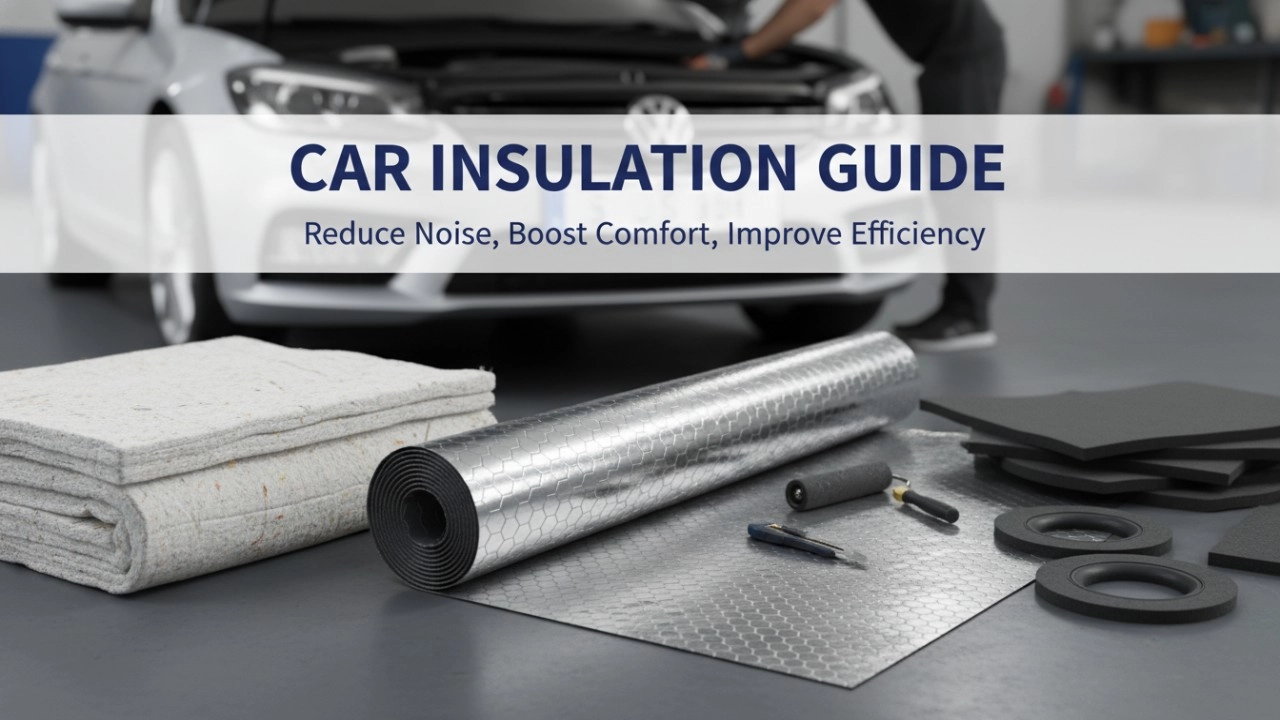
7 Dangerous Mistakes to Avoid When Selecting insulating materials for Your Car (2026 Guide)
service
Can I request custom dimensions or properties for my insulation needs?
Yes, we specialize in custom solutions. Whether you need specific dimensions, thicknesses, densities, or additional coatings, we can work with you to manufacture insulation products tailored to your exact requirements of good materials for heat insulation.
Are your rubber foam products environmentally friendly?
Yes, our insulation products are designed with sustainability in mind. They help reduce energy consumption by minimizing heat loss and gain, and they are made from durable materials that have a long life cycle, reducing the need for frequent replacement.
FAQ
Can your insulation products be customized?
Yes, we offer customized solutions for insulation material wholesale to meet the specifications of your project, including custom specifications, sizes, foils and adhesives, colors, etc.
What types of rubber foam insulation do you offer?
We offer a wide range of rubber foam insulation with different thicknesses and specifications. Thermal insulation material manufacturer FUNAS sleeves and sheets are suitable for different application scenarios.
You might also like

Wholesale Perfect Fire Resistant Performance High Strength Acoustic Mineral Wool Insulation Rock Wool Board Panel Plain Slab
Rock wool board, that is, a kind of exterior insulation material. When the market share of 90% of the organic thermal insulation materials in the stagnant wait-and-see, as a fire rating of A-class exterior insulation inorganic material rock wool, has ushered in an unprecedented market opportunity.
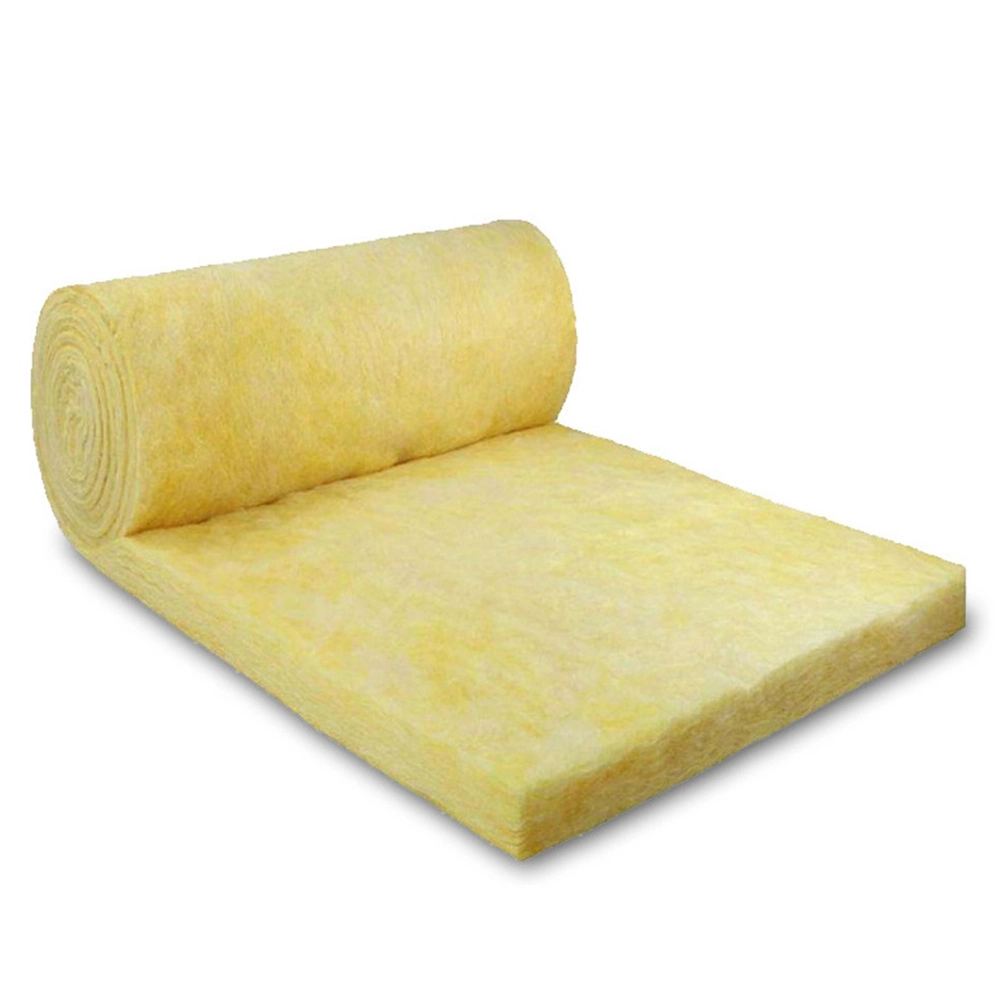
Wholesale Glass Wool Roll Blanket with or without aluminum foil
Convenient glass wool roll for easy installation. Provides effective insulation and noise reduction.

Wholesale Rock Wool Mineral Wool Board Panel Sheet
High-performance rock wool board for superior thermal and acoustic insulation. A reliable choice for building projects.
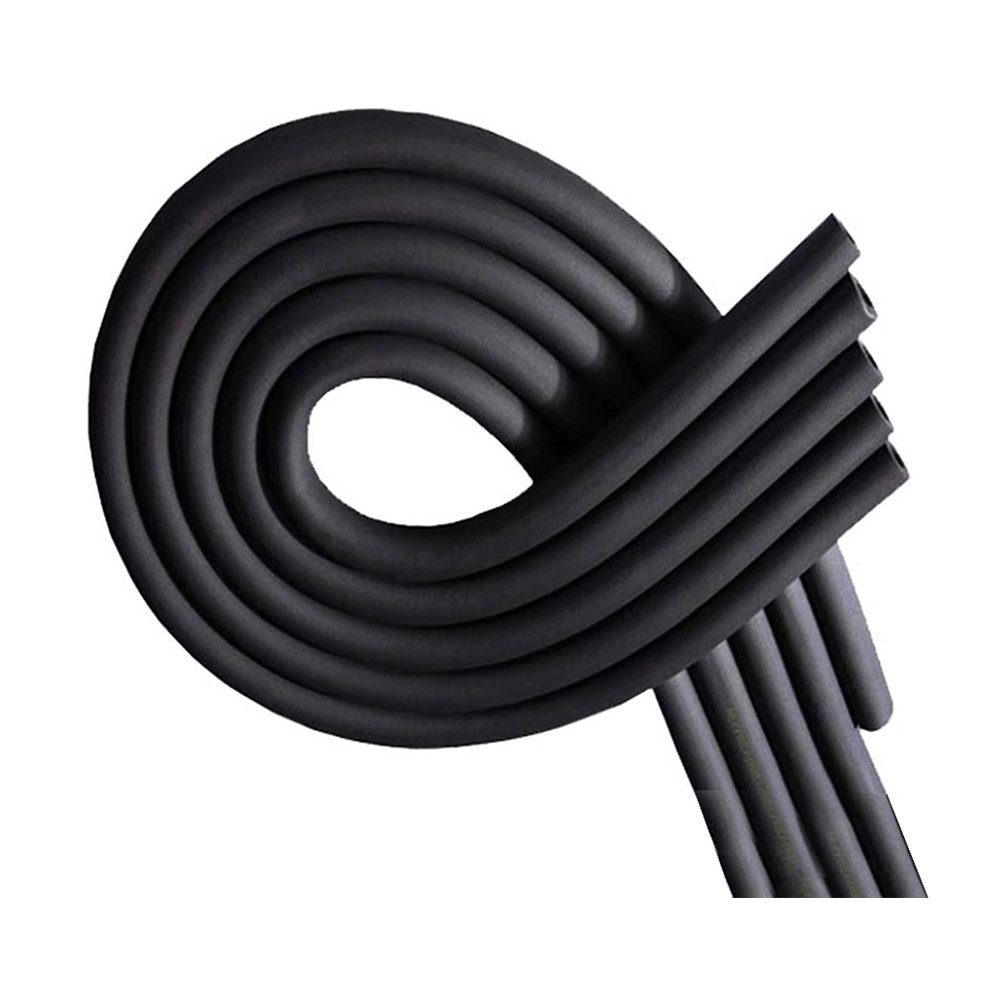
Wholesale Black nitrile rubber foam pipe rubber NBR foam tube rubber foam insulation tube for hvac system
Leave a message
Have any questions or concerns about our products? Please leave us a message here and our team will get back to you promptly.
Your queries, ideas, and collaboration opportunities are just a click away. Let’s start a conversation.
