


















































Which types of glass wool insulation will save the most energy in 2026?
Explore the top concerns for thermal insulation material procurement in 2026, focusing on glass wool insulation's role in energy efficiency, sustainability, and cost-effectiveness.
- 1. What are the latest advancements in glass wool insulation technology?
- 2. How does glass wool insulation contribute to energy savings?
- 3. What are the environmental benefits of using glass wool insulation?
- 4. How does glass wool insulation compare to other thermal insulation materials?
- 5. What are the key considerations for selecting glass wool insulation in 2026?
- 6. How does glass wool insulation impact building codes and regulations?
- 7. What are the market trends for glass wool insulation leading up to 2026?
- 8. How can procurement professionals ensure the quality of glass wool insulation products?
- FUNAS Advantages
- Data Sources
1. What are the latest advancements in glass wool insulation technology?
Advancements in glass wool insulation have led to improved thermal resistance, fire safety, and acoustic properties. Manufacturers are developing eco-friendly binders and integrating sensors for real-time monitoring of temperature and humidity, enhancing building energy efficiency.
2. How does glass wool insulation contribute to energy savings?
Glass wool insulation significantly reduces heat transfer, leading to lower heating and cooling costs in buildings. Its thermal performance is crucial for achieving energy efficiency in both residential and commercial structures.
3. What are the environmental benefits of using glass wool insulation?
Made from recycled glass, glass wool insulation is an eco-friendly option that reduces waste and lowers carbon footprints. Its moisture resistance also prevents mold and mildew growth, contributing to healthier indoor air quality.
4. How does glass wool insulation compare to other thermal insulation materials?
Glass wool insulation offers a balanced combination of thermal resistance, sound absorption, and fire safety. While other materials like foam and cellulose are emerging, glass wool remains a dominant choice due to its comprehensive performance and sustainability.
5. What are the key considerations for selecting glass wool insulation in 2026?
When selecting glass wool insulation, consider factors such as thermal performance, fire resistance, moisture resistance, environmental impact, and cost-effectiveness. Innovations in manufacturing processes and materials are enhancing the performance and capabilities of glass wool insulation products.
6. How does glass wool insulation impact building codes and regulations?
Glass wool insulation plays a significant role in meeting stringent building codes and energy efficiency regulations. Its widespread use supports the construction industry's shift towards sustainable practices and compliance with environmental standards.
7. What are the market trends for glass wool insulation leading up to 2026?
The glass wool insulation market is projected to reach an estimated $5.6 billion by 2030, with a compound annual growth rate (CAGR) of 4.5% from 2024 to 2030. This growth is driven by the increasing demand for energy-efficient buildings and sustainable construction practices.
8. How can procurement professionals ensure the quality of glass wool insulation products?
Procurement professionals should prioritize sourcing glass wool insulation from reputable manufacturers, verify compliance with industry standards, and consider third-party certifications to ensure product quality and performance.
FUNAS Advantages
- Innovative Solutions: FUNAS offers advanced glass wool insulation products with enhanced thermal resistance and fire safety features.
- Sustainability Focus: Committed to eco-friendly practices, FUNAS utilizes recycled materials in its manufacturing processes.
- Quality Assurance: FUNAS products adhere to stringent industry standards, ensuring reliable performance and durability.
Data Sources
- U.S. Department of Energy, "A Clear Vision for the U.S. Glass Industry," November 2013.
- U.S. Department of Energy, "Glass Industry Profile," November 2013.
- Minervasyte, "Glass Wool Insulation Material: Benefits and Innovations for 2025," July 23, 2025.
- GlobeNewswire, "Glass Wool Insulation Sales to Reach US$ 6.8 Billion by 2033," September 5, 2023.
- GlobeNewswire, "Global Glass Wool Insulation Market Worth $5.6 Billion by 2030," January 23, 2024.

Does sound insulation foam Actually Work in 2026? Ultimate guide About Blocking vs. Absorbing Noise
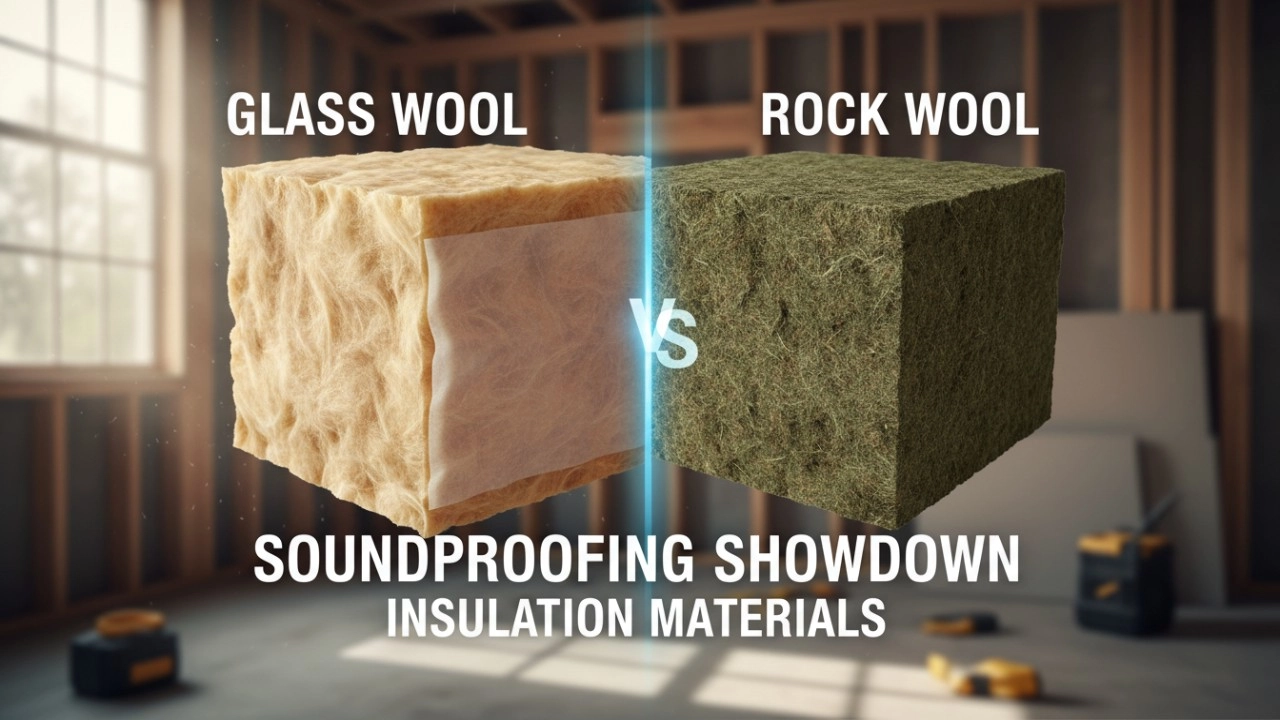
Fiberglass vs. Rockwool: Which Soundproofing Insulation Material Wins for Acoustic Control?
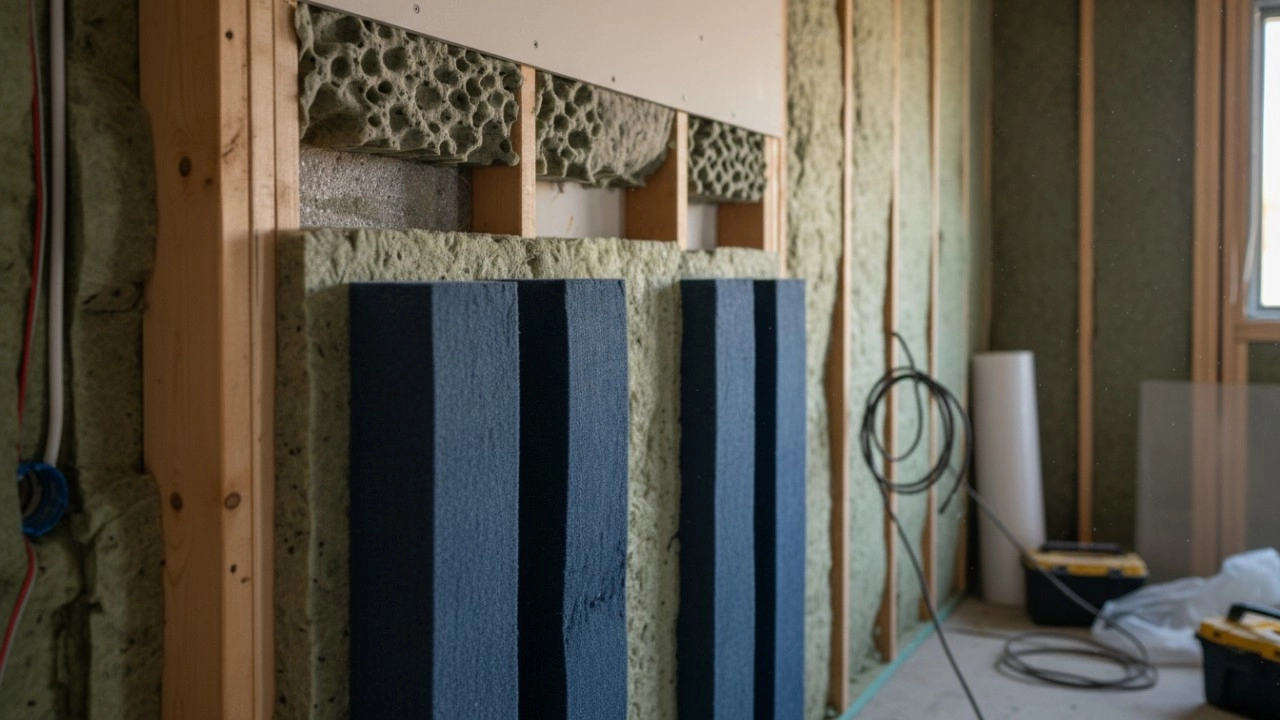
Sound Insulation Foam vs. Acoustic Panels: Which One Actually Stops Noise? (2026 Guide)

7 Dangerous Mistakes to Avoid When Selecting insulating materials for Your Car (2026 Guide)
FAQ
What types of rubber foam insulation do you offer?
We offer a wide range of rubber foam insulation with different thicknesses and specifications. Thermal insulation material manufacturer FUNAS sleeves and sheets are suitable for different application scenarios.
service
Can I request custom dimensions or properties for my insulation needs?
Yes, we specialize in custom solutions. Whether you need specific dimensions, thicknesses, densities, or additional coatings, we can work with you to manufacture insulation products tailored to your exact requirements of good materials for heat insulation.
What types of rubber foam insulation products do you offer?
We offer a wide range of rubber foam insulation products, including custom shapes and sizes, thermal and acoustic insulation solutions, and options with specialized coatings such as flame retardancy and water resistance. Our products are suitable for applications in HVAC, automotive, construction, and more.
Are your rubber foam products environmentally friendly?
Yes, our insulation products are designed with sustainability in mind. They help reduce energy consumption by minimizing heat loss and gain, and they are made from durable materials that have a long life cycle, reducing the need for frequent replacement.
You might also like
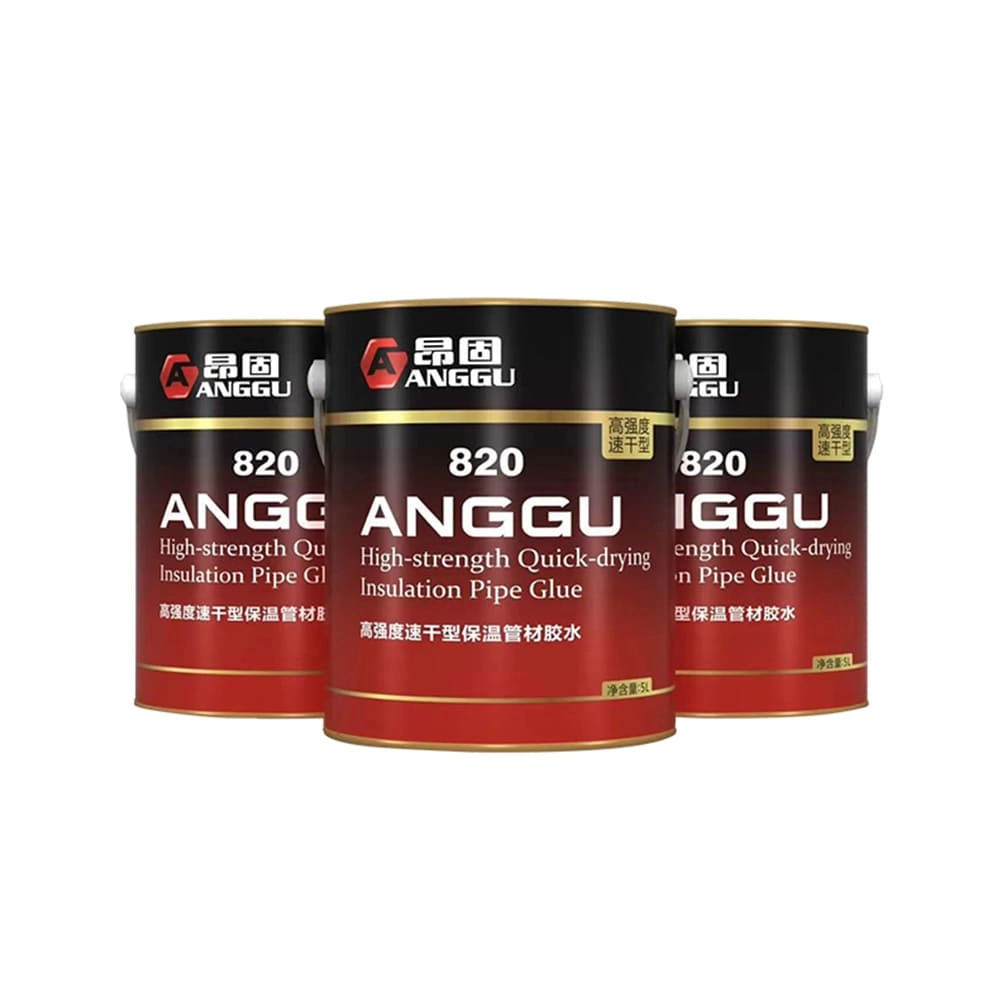
820 Pipe special adhesive
This product has passed the EU REACH non-toxic standard, ROHS non-toxic standard. (The product is black glue.)
Anggu 820glue is a low-odor, high-strength quick-drying glue; Fast drying speed, long bonding time, no powder, non-toxic.
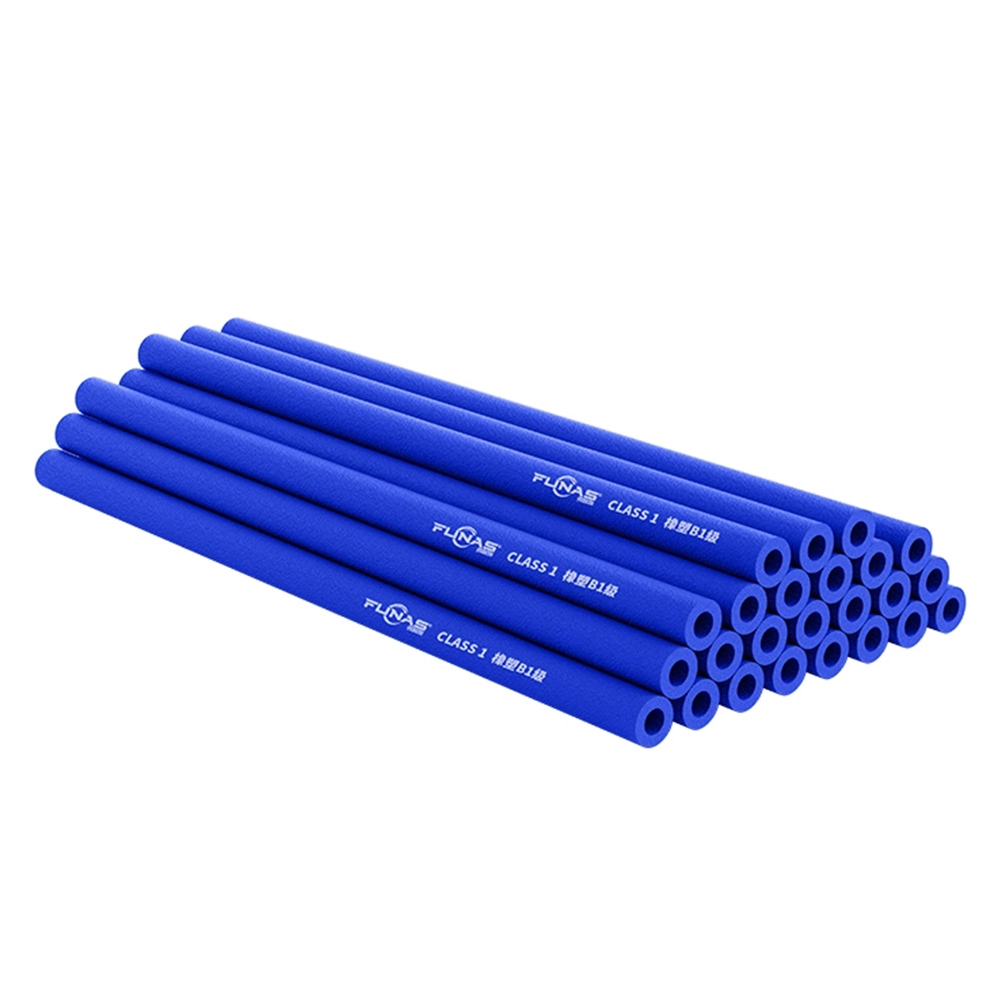
Blue Rubber-plastic Tube Rubber foam pipe wholesale
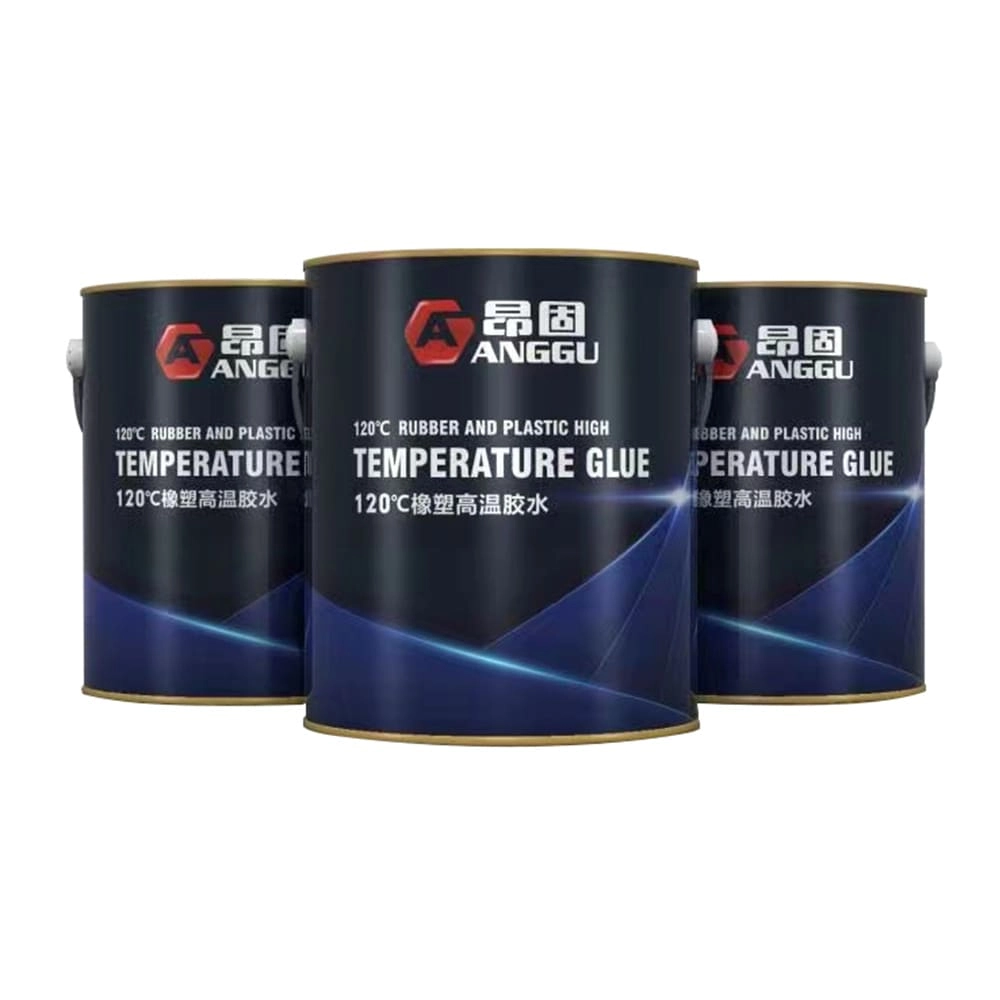
120°Rubber foam high-temperature adhesive
This product has passed the EU REACH non-toxic standard and the ROHS non-toxic standard. (The product is yellow glue.)
Anggu 120 ° rubber-plastic high-temperature glue is an extravagant product, mainly used for various intractable diseases, high temperatures, and harsh and demanding places. This product is a low-odor, high-strength quick-drying glue; table drying speed, long bonding time, no powder, non-toxic, wide range of applications, can be applied to most insulation materials.
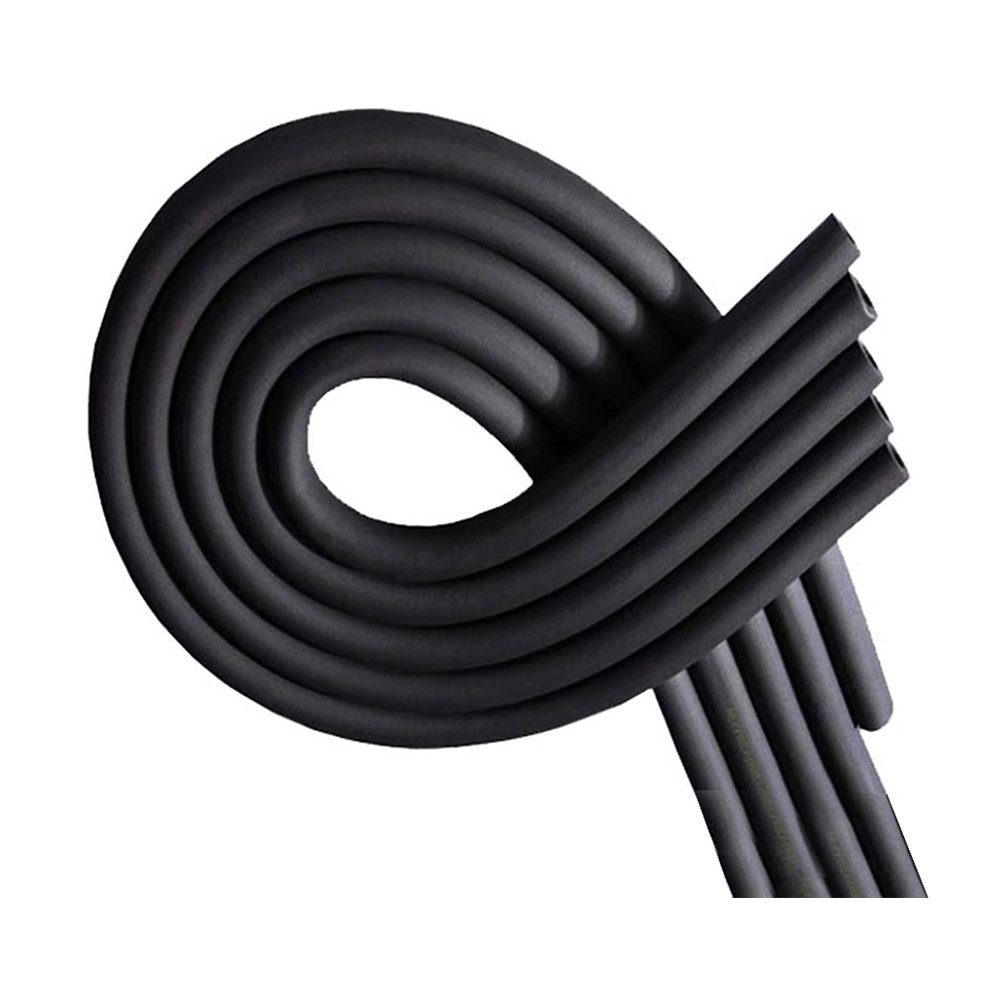
Wholesale Black nitrile rubber foam pipe rubber NBR foam tube rubber foam insulation tube for hvac system
Leave a message
Have any questions or concerns about our products? Please leave us a message here and our team will get back to you promptly.
Your queries, ideas, and collaboration opportunities are just a click away. Let’s start a conversation.
