


















































Why will the best fiberglass wool insulation products be chosen in 2026?
Explore the top factors influencing the selection of glass wool insulation products in 2026, addressing procurement concerns in the thermal insulation industry with data-driven insights.
- 1. What are the projected growth trends in the glass wool insulation market by 2026?
- 2. How does the integration of artificial intelligence (AI) impact the glass wool insulation industry?
- 3. What are the primary procurement concerns for users in the thermal insulation materials industry?
- 4. How does the use of recycled glass in glass wool insulation contribute to sustainability?
- 5. What are the advancements in glass wool insulation technology expected by 2026?
- 6. How do regional market dynamics influence the selection of glass wool insulation products?
- 7. What role does fire resistance play in the selection of glass wool insulation?
- 8. How does the cost-effectiveness of glass wool insulation compare to alternative materials?
- FUNAS Advantages Summary
- Data Sources
1. What are the projected growth trends in the glass wool insulation market by 2026?
The global glass wool insulation market is expected to experience significant growth leading up to 2026. According to a report by Lucintel, the market is projected to reach an estimated $5.6 billion by 2030, with a compound annual growth rate (CAGR) of 4.5% from 2024 to 2030. This growth is driven by the rapid expansion of the construction industry, increasing demand for energy-efficient building materials, and the rising popularity of green and sustainable buildings.
2. How does the integration of artificial intelligence (AI) impact the glass wool insulation industry?
Artificial intelligence is revolutionizing the glass wool insulation industry by enhancing manufacturing processes and product quality. AI-driven quality control systems enable real-time monitoring and optimization of production, leading to reduced waste and improved efficiency. Additionally, AI facilitates the development of smart insulation materials that can adapt to environmental changes, offering superior thermal performance and energy efficiency.
3. What are the primary procurement concerns for users in the thermal insulation materials industry?
Procurement users in the thermal insulation materials industry prioritize several key factors when selecting products: cost-effectiveness, thermal performance, fire resistance, environmental impact, and compliance with industry standards. Ensuring that insulation materials meet regulatory requirements and provide long-term durability are also critical considerations.
4. How does the use of recycled glass in glass wool insulation contribute to sustainability?
Incorporating recycled glass into glass wool insulation significantly enhances its sustainability profile. The use of recycled glass reduces the demand for virgin raw materials, conserves natural resources, and lowers energy consumption during production. This practice aligns with global initiatives aimed at reducing carbon footprints and promoting eco-friendly building materials.
5. What are the advancements in glass wool insulation technology expected by 2026?
By 2026, advancements in glass wool insulation technology are anticipated to include the development of high-performance, lightweight materials with enhanced thermal and acoustic properties. Innovations in binder technology will lead to more durable and environmentally friendly products. Additionally, the integration of smart technologies will enable insulation materials to monitor and respond to environmental conditions, optimizing energy efficiency.
6. How do regional market dynamics influence the selection of glass wool insulation products?
Regional market dynamics, such as local construction trends, regulatory standards, and environmental policies, play a significant role in the selection of glass wool insulation products. For instance, in the Asia-Pacific region, rapid urbanization and stringent energy efficiency regulations drive the demand for high-quality insulation materials. Understanding these regional factors is essential for procurement users to make informed decisions.
7. What role does fire resistance play in the selection of glass wool insulation?
Fire resistance is a critical factor in the selection of glass wool insulation, as it ensures the safety of building occupants and protects property from potential fire hazards. Glass wool's inherent non-combustible properties make it a preferred choice for applications requiring high fire safety standards. Compliance with fire safety regulations and certifications is essential for procurement users to consider.
8. How does the cost-effectiveness of glass wool insulation compare to alternative materials?
Glass wool insulation offers a cost-effective solution compared to alternative materials, providing excellent thermal and acoustic performance at a competitive price point. Its durability and low maintenance requirements contribute to long-term savings. However, procurement users should consider factors such as installation costs, material availability, and regional pricing variations when making purchasing decisions.
FUNAS Advantages Summary
FUNAS stands out in the glass wool insulation market by offering products that combine advanced manufacturing techniques with sustainable practices. Their commitment to quality ensures compliance with international standards, providing customers with reliable and efficient insulation solutions. Additionally, FUNAS's focus on innovation and customer support positions them as a leading choice for procurement users seeking high-performance insulation materials.
Data Sources
- Lucintel, 2025
- Insulation.org, 2023
- Accio.com, 2025
- Minervasyte.us, 2025
- Reanin.com, 2025

Does sound insulation foam Actually Work in 2026? Ultimate guide About Blocking vs. Absorbing Noise
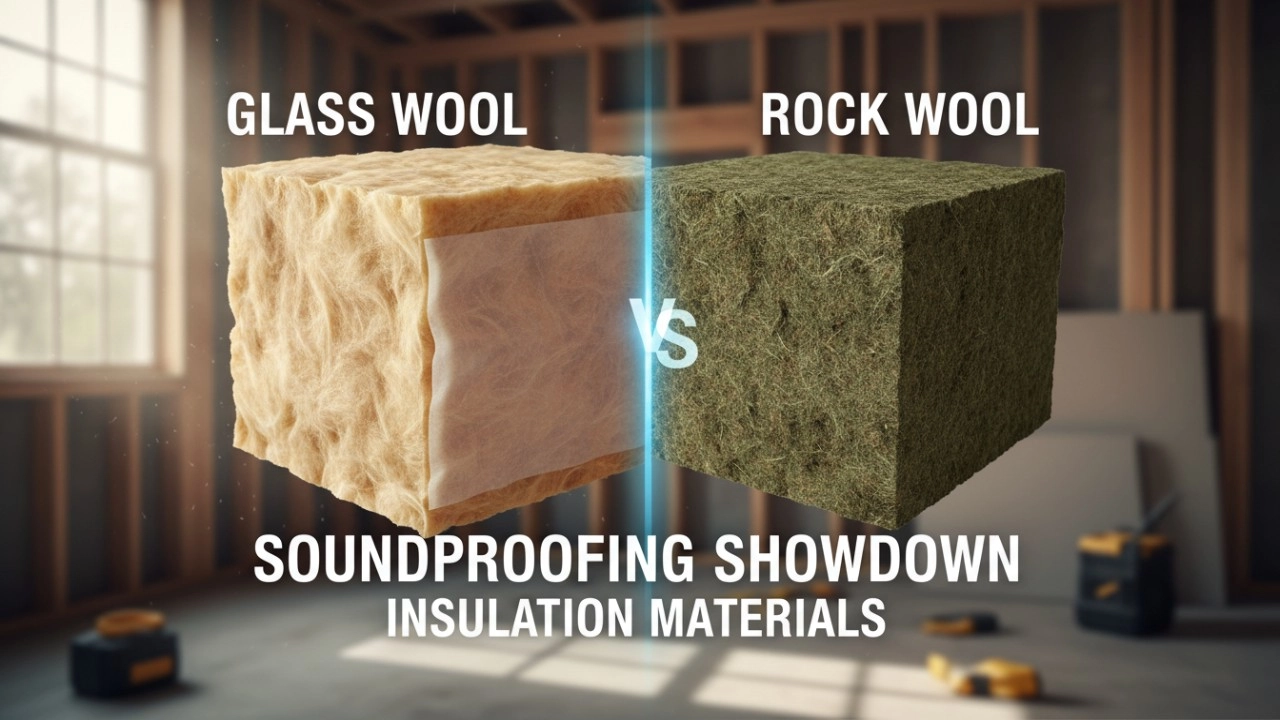
Fiberglass vs. Rockwool: Which Soundproofing Insulation Material Wins for Acoustic Control?
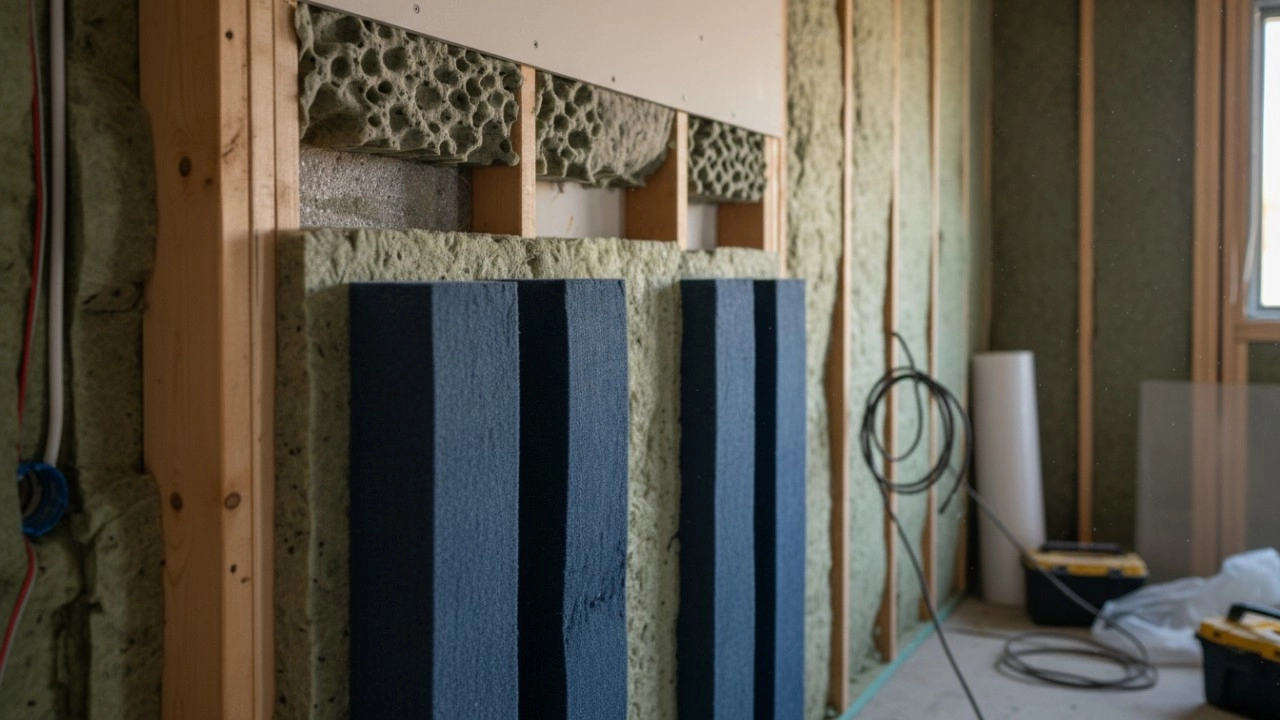
Sound Insulation Foam vs. Acoustic Panels: Which One Actually Stops Noise? (2026 Guide)

7 Dangerous Mistakes to Avoid When Selecting insulating materials for Your Car (2026 Guide)
service
Can I request custom dimensions or properties for my insulation needs?
Yes, we specialize in custom solutions. Whether you need specific dimensions, thicknesses, densities, or additional coatings, we can work with you to manufacture insulation products tailored to your exact requirements of good materials for heat insulation.
What types of rubber foam insulation products do you offer?
We offer a wide range of rubber foam insulation products, including custom shapes and sizes, thermal and acoustic insulation solutions, and options with specialized coatings such as flame retardancy and water resistance. Our products are suitable for applications in HVAC, automotive, construction, and more.
How does your technical support work?
Our technical support team is available to guide you through every stage of your project—from product selection and design to installation. We provide expert consultation to ensure that you get the best insulation solution for your needs and can assist with troubleshooting if needed.
FAQ
How do I choose the right insulation for my project?
Our team can help you choose the best material for heat insulation based on your specific needs, such as thermal resistance, acoustic properties, and environmental conditions.
You might also like
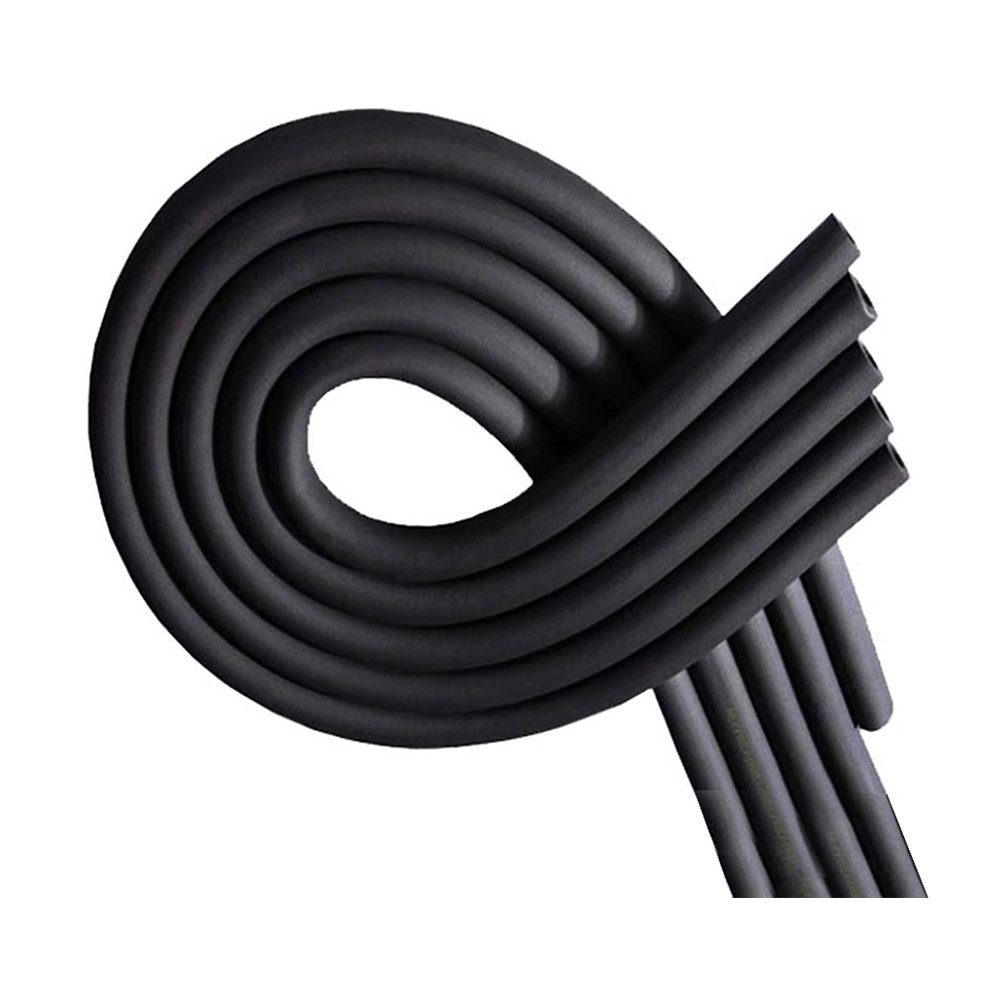
Wholesale Black nitrile rubber foam pipe rubber NBR foam tube rubber foam insulation tube for hvac system
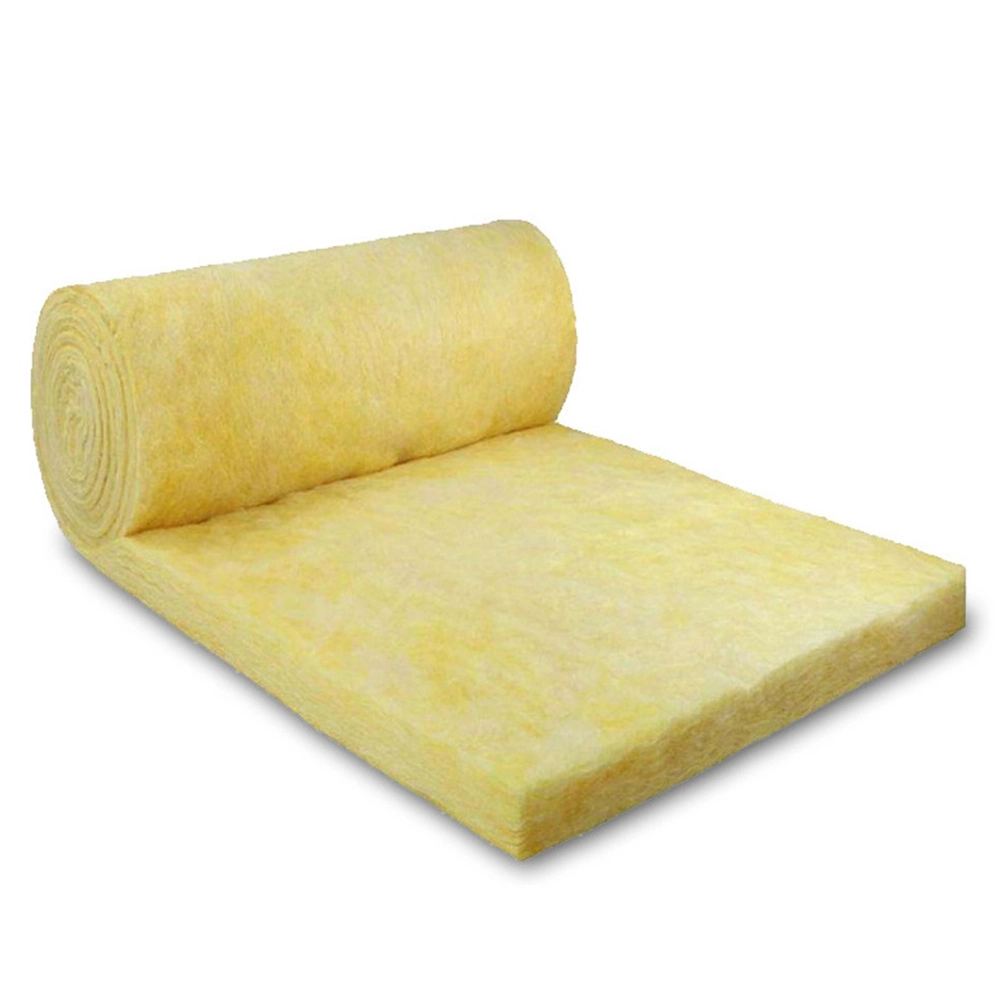
Wholesale Glass Wool Roll Blanket with or without aluminum foil
Convenient glass wool roll for easy installation. Provides effective insulation and noise reduction.

Wholesale Rock Wool Mineral Wool Board Panel Sheet
High-performance rock wool board for superior thermal and acoustic insulation. A reliable choice for building projects.
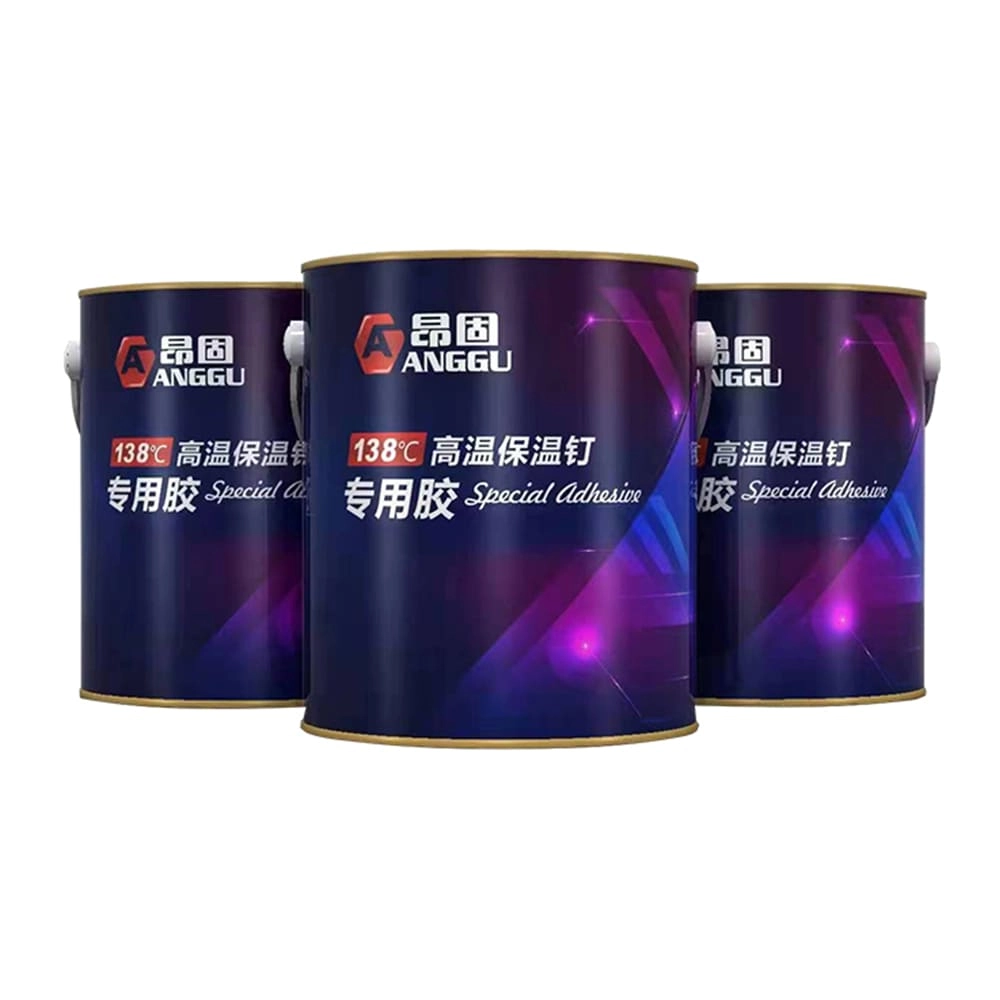
138°High-temperature universal adhesive
This product has passed the EU REACH non-toxic standard and ROHS non-toxic standard. (This product is a yellow liquid).
Anggu 138°high temperature universal glue is a high-end product, with high viscosity, slow drying, curing of the adhesive layer, and a maximum resistance to continuous temperature of 138℃.
Leave a message
Have any questions or concerns about our products? Please leave us a message here and our team will get back to you promptly.
Your queries, ideas, and collaboration opportunities are just a click away. Let’s start a conversation.
