


















































How do adhesives affect Foam Rubber Sheet installation in 2026?
Explore essential insights into foam rubber sheet installation, adhesive selection, and best practices for thermal insulation projects in 2026.
Comprehensive Guide to Foam Rubber Sheet Installation and Adhesive Considerations in 2026
Foam rubber sheets are integral to thermal insulation, offering benefits like thermal efficiency, moisture resistance, and mechanical strength. As we approach 2026, understanding the installation process and the role of adhesives is crucial for optimal performance.
1. What are the key benefits of using foam rubber sheets for thermal insulation?
Foam rubber sheets provide several advantages:
Thermal Efficiency: They effectively reduce heat transfer, maintaining desired temperatures.
Moisture Resistance: Their closed-cell structure prevents water absorption, reducing the risk of mold and mildew.
Mechanical Strength: They offer durability and can withstand physical stress, making them suitable for various applications.
Fire Safety: High-quality rubber foam insulation typically achieves a B1 classification, indicating it is difficult to burn. ((https://www.funasinsulations.com/guides/foam-rubber-sheets-thermal-insulation-2026.html))
2. How do adhesives impact foam rubber sheet installation in 2026?
Adhesives play a pivotal role in the installation process:
Bonding Strength: They ensure a secure attachment to substrates, preventing movement and maintaining insulation integrity.
Stress Distribution: Certain adhesives, like acrylic foam tapes, offer superior stress distribution and vibration dampening, enhancing the overall performance of the insulation system.
Environmental Considerations: The industry is moving towards low-VOC, solvent-free, and bio-based adhesives to align with sustainability goals.
3. What are the recommended installation practices for foam rubber sheets?
Proper installation ensures optimal performance:
Surface Preparation: Ensure the substrate is clean, dry, and free from debris to facilitate strong adhesive bonding.
Adhesive Application: Apply adhesive evenly to prevent air pockets and ensure full coverage.
Alignment and Pressure: Position the foam sheets accurately and apply consistent pressure to eliminate gaps and ensure a tight fit.
Curing Time: Allow adequate time for the adhesive to cure before subjecting the installation to stress or environmental conditions.
4. How do environmental factors influence foam rubber sheet performance?
Environmental conditions can affect insulation efficacy:
Temperature Extremes: Foam rubber sheets maintain flexibility and resist degradation under varying temperatures, ensuring consistent performance.
Moisture Exposure: Their closed-cell structure prevents water absorption, making them suitable for humid or wet environments.
Chemical Resistance: They withstand exposure to various chemicals, including de-icing salts and cleaning agents, without compromising their insulating properties.
5. What are the sustainability considerations when using foam rubber sheets?
Sustainability is a growing focus in the industry:
Recycled Content: Incorporating recycled materials into foam rubber sheets reduces environmental impact and promotes resource conservation.
Bio-Based Materials: Utilizing plant-based oils and other bio-based materials in production decreases reliance on fossil fuels and lowers carbon footprints.
Certifications: Products with certifications like CertiPUR-US, which require a minimum of 25% bio-based content, meet specific environmental and safety standards.
6. How do adhesive choices affect the longevity of foam rubber sheet installations?
The selection of adhesive influences the durability of the installation:
Adhesive Quality: High-quality adhesives enhance the bond strength, reducing the likelihood of delamination or failure over time.
Compatibility: Ensuring the adhesive is compatible with both the foam rubber sheet and the substrate material prevents degradation and maintains performance.
Environmental Resistance: Adhesives that resist environmental factors like UV radiation, moisture, and temperature fluctuations contribute to the longevity of the installation.
7. What are the cost implications of using foam rubber sheets with specific adhesives?
Cost considerations include:
Material Costs: High-quality foam rubber sheets and adhesives may have higher upfront costs but offer better performance and durability, potentially reducing long-term expenses.
Installation Costs: The complexity of the installation process, influenced by adhesive application methods and curing times, can affect labor costs.
Maintenance Costs: Durable installations may require less maintenance, leading to cost savings over time.
8. How do advancements in adhesive technology impact foam rubber sheet installations?
Innovations in adhesive technology offer:
Enhanced Performance: New adhesives provide stronger bonds, faster curing times, and improved resistance to environmental factors.
Sustainability: Advancements lead to the development of eco-friendly adhesives with low VOC emissions and bio-based components.
Application Efficiency: Improved adhesives simplify the installation process, reducing labor time and potential errors.
Conclusion: The Advantages of Foam Rubber Sheets
Foam rubber sheets offer a combination of thermal efficiency, moisture resistance, mechanical strength, fire safety, and environmental sustainability, making them a preferred choice for thermal insulation in 2026. When selecting foam rubber sheets, consider factors such as thermal conductivity, moisture resistance, mechanical properties, fire resistance, environmental impact, and density to ensure optimal performance for your specific application.
For high-quality foam rubber sheets that meet these criteria, consider products from reputable manufacturers like FUNAS, known for their commitment to excellence in thermal insulation solutions.
By understanding these key aspects, you can make informed decisions that enhance the efficiency and safety of your thermal insulation projects.
Data Sources:
Rubber foam insulation fire classification
Elastomeric foam insulation market growth
Industrial-grade insulation compressive strength
FUNAS thermal insulation solutions
((https://www.funasinsulations.com/guides/foam-rubber-sheets-thermal-insulation-2026.html))

Does sound insulation foam Actually Work in 2026? Ultimate guide About Blocking vs. Absorbing Noise
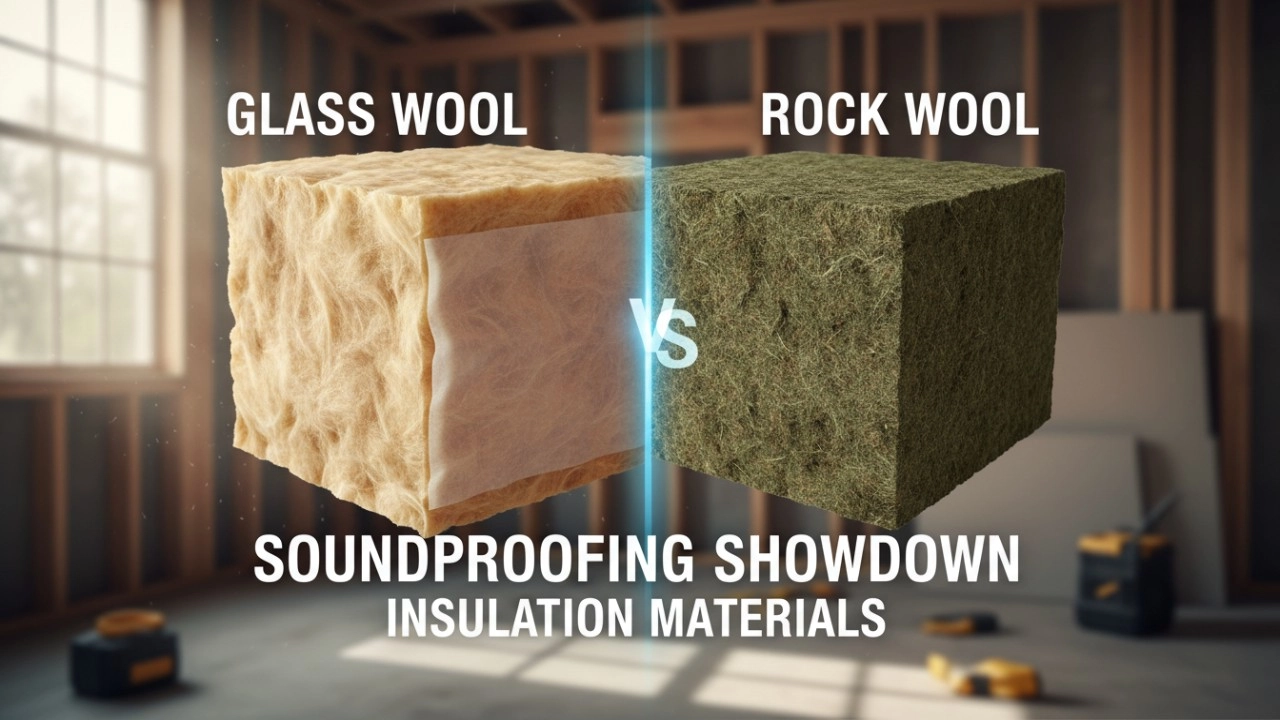
Fiberglass vs. Rockwool: Which Soundproofing Insulation Material Wins for Acoustic Control?
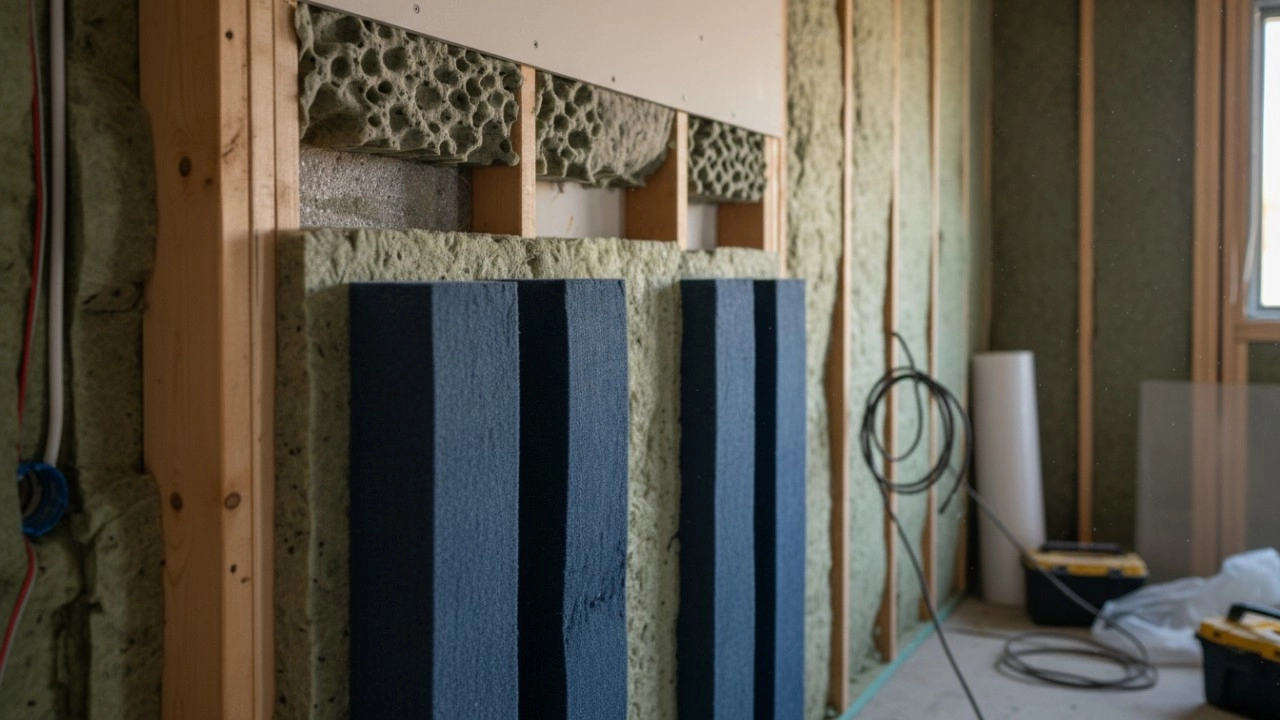
Sound Insulation Foam vs. Acoustic Panels: Which One Actually Stops Noise? (2026 Guide)
7 Dangerous Mistakes to Avoid When Selecting insulating materials for Your Car (2026 Guide)
FAQ
How to start a consultation?
You can contact us through our website, phone, or email. We will arrange a professional staff to discuss your needs about best thermal insulator and how we can help you.
What is the typical delivery time for custom orders?
Our daily production capacity is 800 cubic meters. Delivery time varies depending on the complexity of the insulation material wholesale order, but we can deliver large quantities of customized products within 4-6 weeks after the approval date, and small quantities can be delivered within 15 days.
service
What types of rubber foam insulation products do you offer?
We offer a wide range of rubber foam insulation products, including custom shapes and sizes, thermal and acoustic insulation solutions, and options with specialized coatings such as flame retardancy and water resistance. Our products are suitable for applications in HVAC, automotive, construction, and more.
Can I request custom dimensions or properties for my insulation needs?
Yes, we specialize in custom solutions. Whether you need specific dimensions, thicknesses, densities, or additional coatings, we can work with you to manufacture insulation products tailored to your exact requirements of good materials for heat insulation.
You might also like
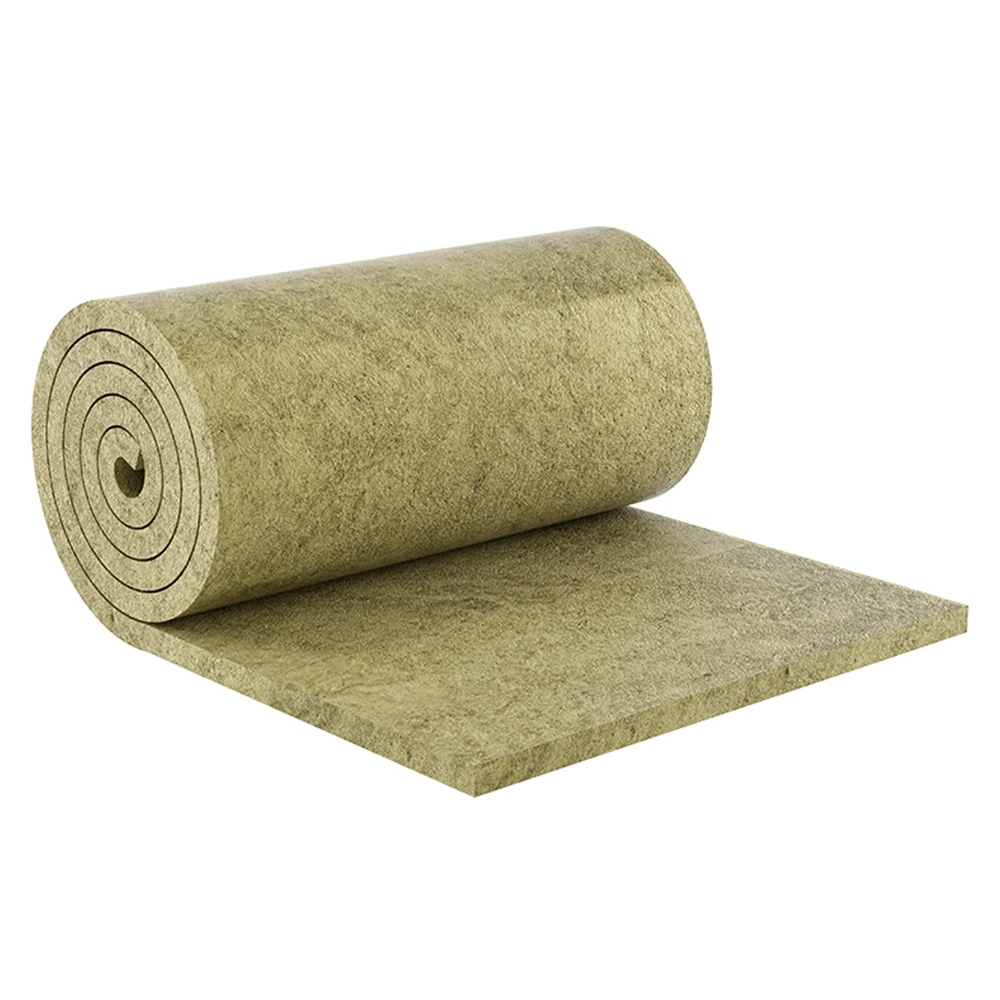
Wholesale Rock Wool Mineral Wool Roll Blanket
Durable rock wool roll with outstanding fire resistance and insulation properties. Ideal for industrial and construction applications.
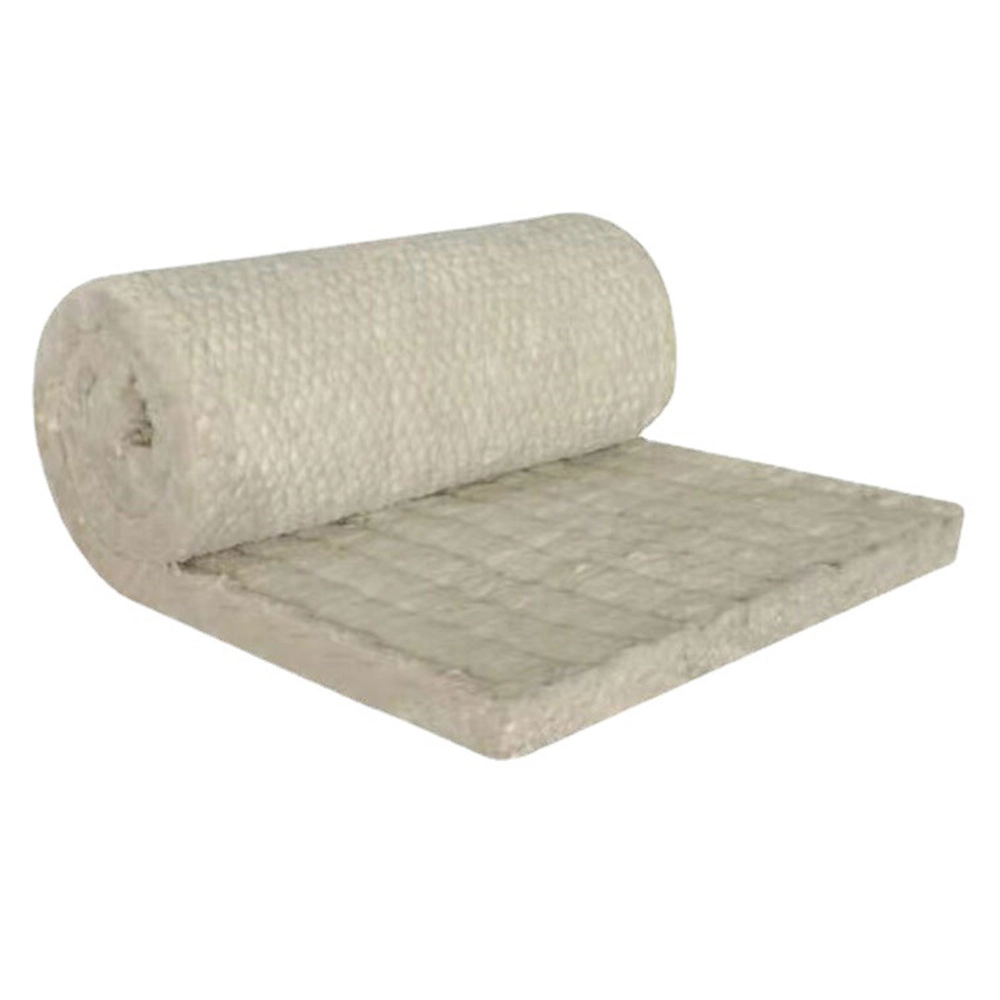
Wholesale Perfect Fire Resistant Performance High Strength Acoustic Mineral Wool Insulation Rock Wool Roll Panel Plain Slab
Rock wool, that is, a kind of exterior insulation material. When the market share of 90% of the organic thermal insulation materials in the stagnant wait-and-see, as a fire rating of A- class exterior insulation inorganic material rock wool has ushered in an unprecedented market opportunity.
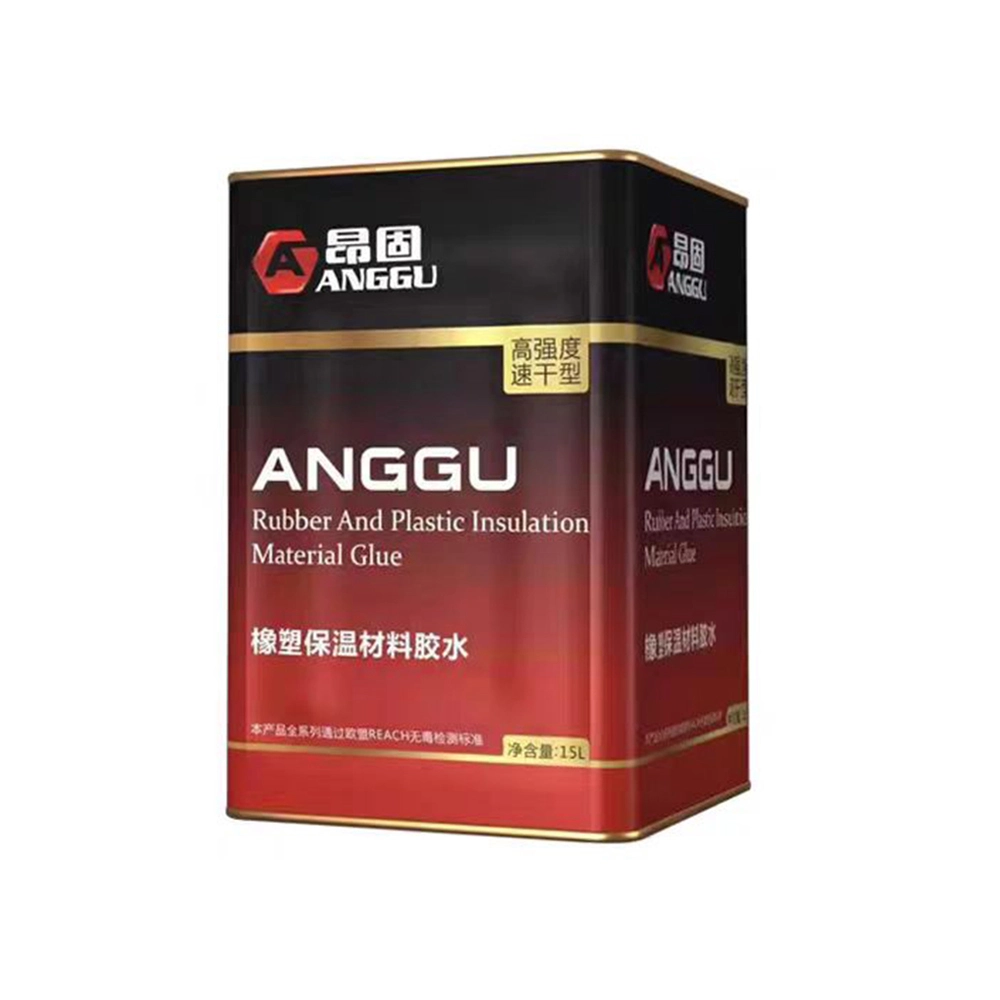
Rubber Plastic insulation Material Glue
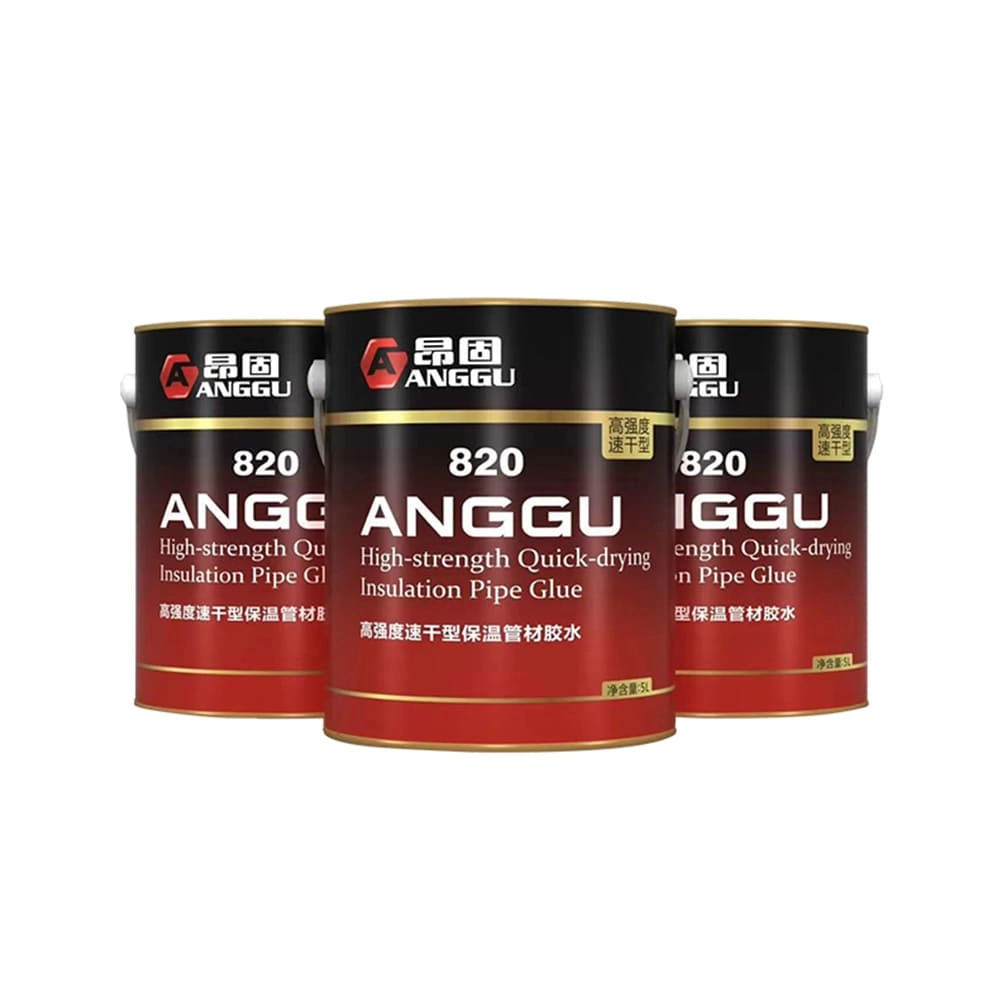
820 Pipe special adhesive
This product has passed the EU REACH non-toxic standard, ROHS non-toxic standard. (The product is black glue.)
Anggu 820glue is a low-odor, high-strength quick-drying glue; Fast drying speed, long bonding time, no powder, non-toxic.
Leave a message
Have any questions or concerns about our products? Please leave us a message here and our team will get back to you promptly.
Your queries, ideas, and collaboration opportunities are just a click away. Let’s start a conversation.
