













































How to Insulate New Construction: A Comprehensive Guide

Saturday, 03/15/2025

Discover effective strategies for insulating new construction with our comprehensive guide by FUNAS. Learn key techniques and materials to enhance energy efficiency, reduce costs, and ensure comfort in your new building. Dive into expert insights on how to insulate new construction and make informed decisions that promote sustainability and durability. Elevate your construction projects with FUNAS.

Preface

Insulating new construction is a critical step in ensuring energy efficiency, comfort, and long-term savings. Whether you're building a residential home or a commercial property, proper insulation can significantly impact your building's performance. This guide will walk you through the essentials of insulating new construction, covering materials, techniques, and best practices, including detailed installation steps to help you achieve optimal results.


Why Insulate New Construction?

best insulation for house walls
Insulating new construction is essential for maintaining a comfortable indoor environment and reducing energy costs. Proper insulation helps regulate temperature, keeping your home warm in the winter and cool in the summer. It also minimizes noise pollution, creating a quieter living space. Additionally, insulation contributes to environmental sustainability by reducing the need for excessive heating and cooling, which in turn lowers greenhouse gas emissions.
 
By investing in quality insulation during the construction phase, you can avoid costly retrofits and enjoy long-term benefits. Insulation also plays a crucial role in meeting building code requirements, which are designed to ensure energy efficiency and safety. Whether you're building a new home or a commercial property, insulation should be a top priority.


Types of Insulation Materials

There are several types of insulation. Choosing the right material depends on your specific needs, budget, and the area of your home you're insulating.


Type of Insulation Best Use Cases Advantages Disadvantages R-Value per Inch Average Cost (per sq. ft.)
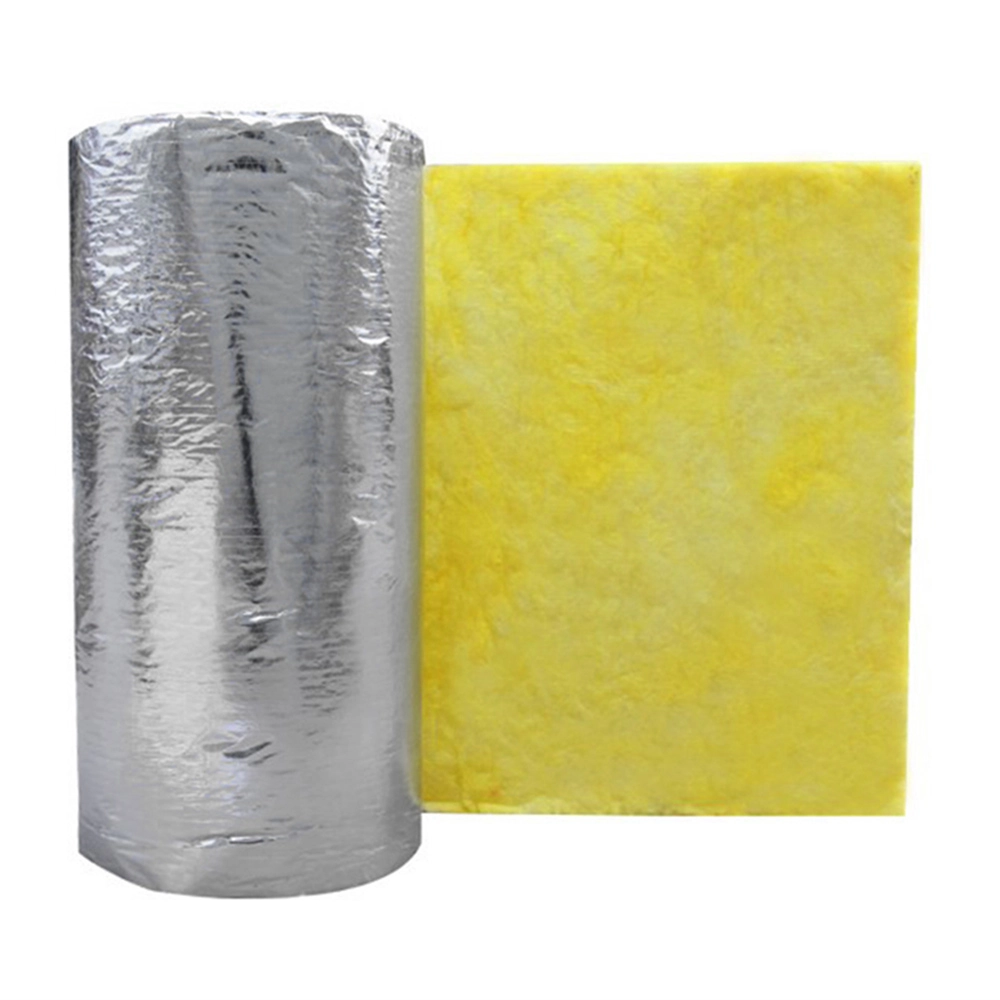
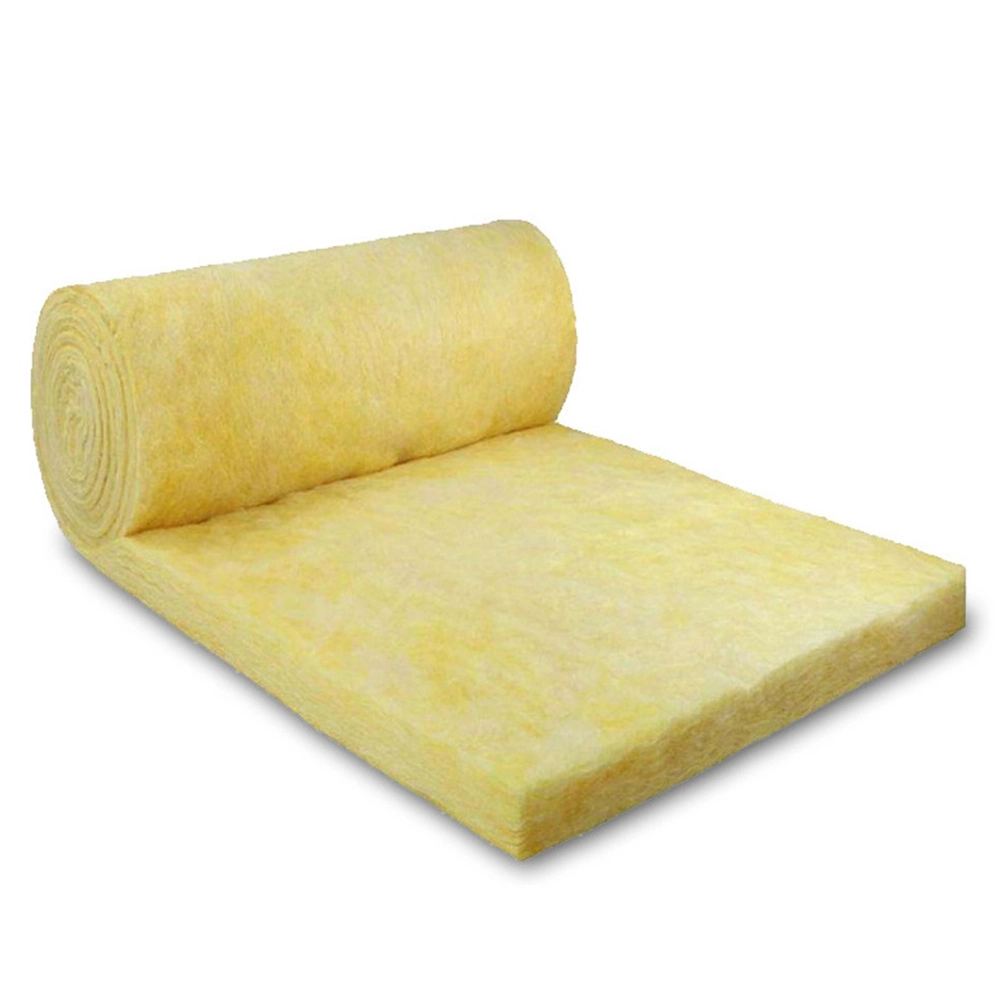
Fiberglass Walls, attics, floors Affordable, easy to install, non-flammable Can irritate skin and lungs during installation 2.9–3.8 0.50–0.50–1.50
Spray Foam Hard-to-reach areas, crawl spaces, walls Superior air sealing, high R-value, moisture-resistant Expensive, requires professional installation 6.0–7.0 (closed-cell) 1.50–1.50–3.50
Cellulose Walls, attics, retrofitting Eco-friendly, excellent soundproofing, good for irregular spaces Can settle over time, less effective in damp areas 3.6–3.8 1.00–1.00–2.00
Rigid Foam Board Foundations, exterior walls, roofs High R-value with minimal thickness, moisture-resistant More expensive, requires precise cutting and fitting 4.0–6.5 1.00–1.00–2.50
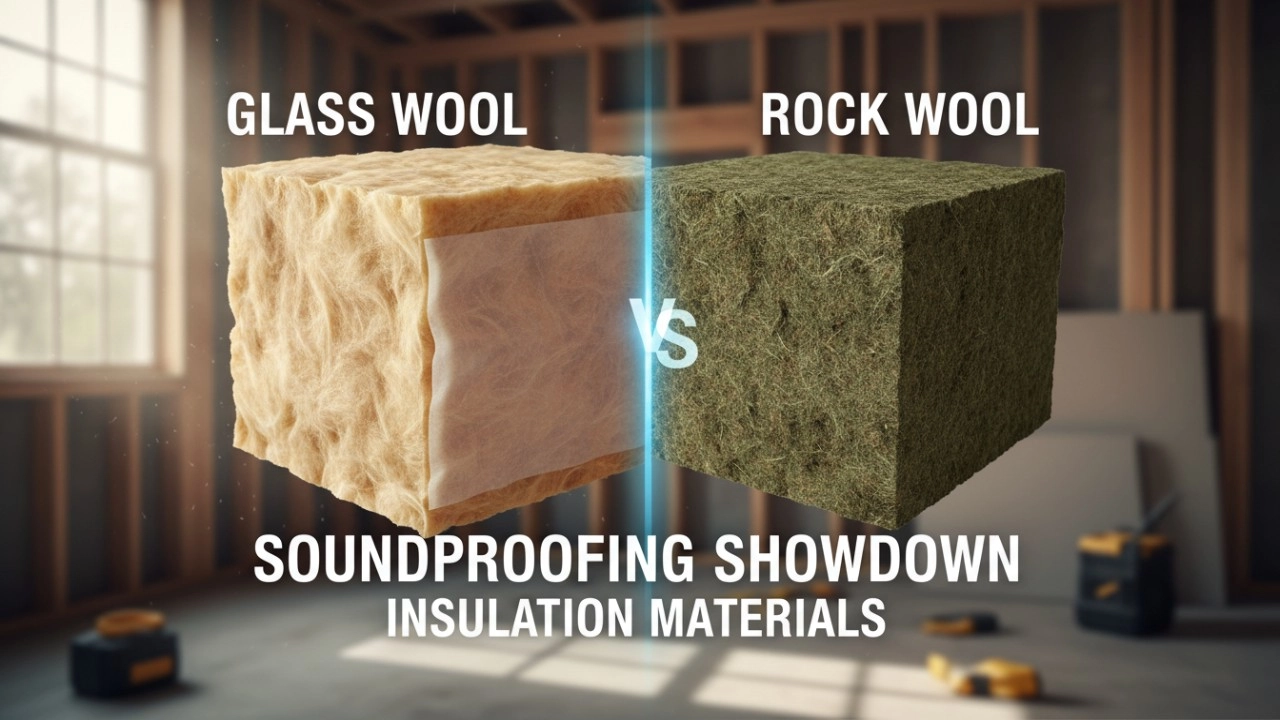
Mineral Wool (Rock Wool) Walls, attics, soundproofing Fire-resistant, excellent soundproofing, easy to install Heavier and more expensive than fiberglass 3.0–3.3 1.50–1.50–3.00
Cotton (Denim) Walls, attics Eco-friendly, non-toxic, easy to handle Less common, higher cost 3.0–3.7 2.00–2.00–4.00


Step-by-Step Guide to Insulating New Construction

insulation wholesale
Proper installation is key to ensuring your insulation performs effectively. Below is a detailed step-by-step guide to insulating new construction.


Step 1: Plan and Prepare
Before starting, assess your building's design and determine the appropriate R-value for your climate zone. Consult local building codes to ensure compliance. Gather all necessary materials, including insulation, vapor barriers, and safety gear like gloves, masks, and goggles.
 
Step 2: Air Sealing
Air leaks can significantly reduce the effectiveness of insulation. Use caulk or spray foam to seal gaps and cracks around windows, doors, and electrical outlets. Pay special attention to areas where different building materials meet, as these are common sources of air leakage.
 
Step 3: Install Vapor Barriers
In humid climates, installing a vapor barrier is essential to prevent moisture from penetrating the insulation. Place the vapor barrier on the warm side of the wall (typically the interior side in cold climates and the exterior side in hot climates). Secure it with staples or adhesive, ensuring there are no gaps.
 
Step 4: Insulate Walls
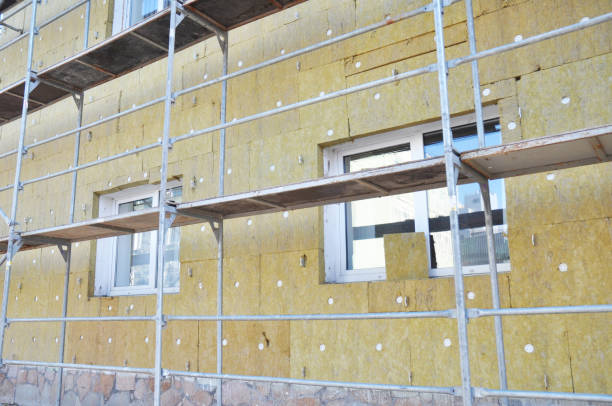
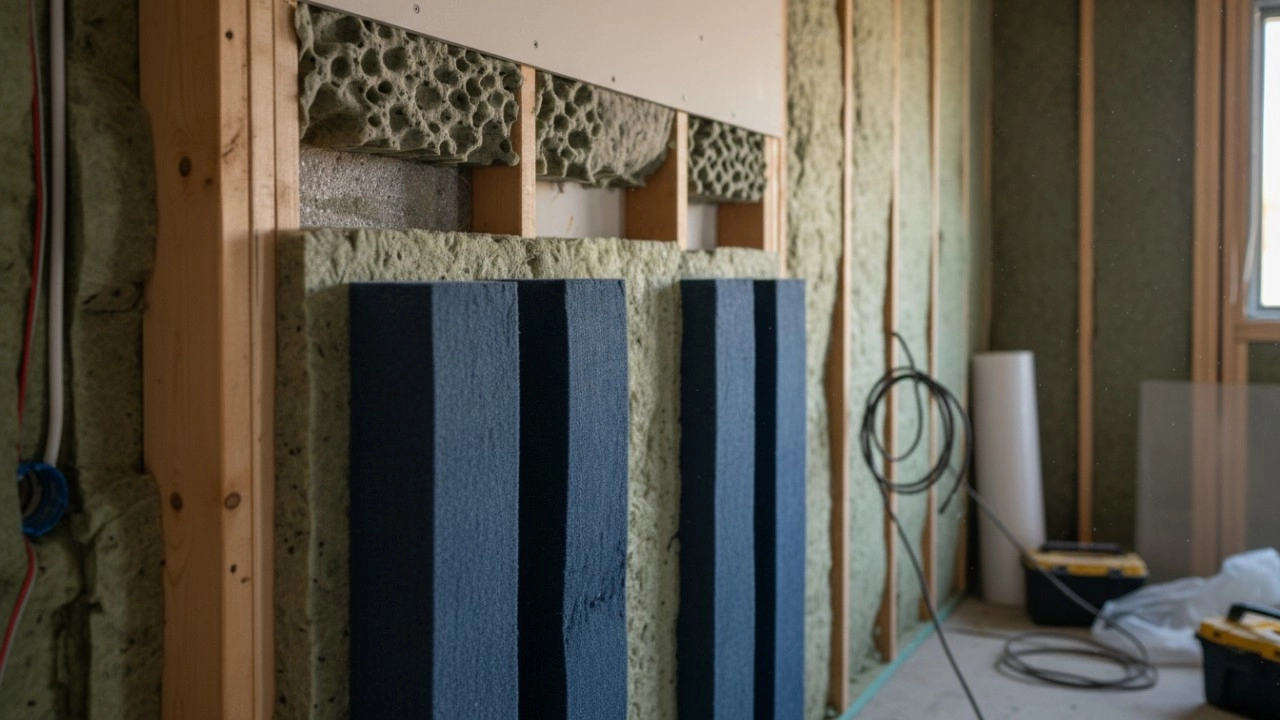
For walls, fiberglass batts or spray foam are commonly used. If using fiberglass, cut the batts to fit snugly between wall studs, ensuring there are no gaps or compression. For spray foam, apply it evenly between studs, allowing it to expand and fill the space completely.
 
Step 5: Insulate the Attic
The attic is one of the most critical areas to insulate. For fiberglass batts, lay them between the joists, ensuring full coverage. For blown-in cellulose or fiberglass, use a blowing machine to distribute the insulation evenly. Aim for the recommended R-value for your region.
 
Step 6: Insulate Floors and Crawl Spaces
For floors above unheated spaces like crawl spaces or garages, install fiberglass batts or rigid foam boards. Secure the insulation with staples or adhesive, ensuring it fits tightly between floor joists. In crawl spaces, consider using spray foam to seal gaps and prevent moisture infiltration.
 
Step 7: Insulate Basement Walls
Basement walls can be insulated with rigid foam boards or spray foam. Attach the foam boards directly to the concrete walls using adhesive or mechanical fasteners. For spray foam, apply it evenly to cover the entire surface.
 
Step 8: Inspect and Test
Once installation is complete, inspect the insulation for gaps, compression, or improper placement. Use a thermal imaging camera to identify any areas of heat loss. Address any issues promptly to ensure optimal performance.


Conclusion

Insulating new construction is a vital step in creating an energy-efficient and comfortable living space. By choosing the right materials and following best practices, you can enjoy long-term savings and environmental benefits. Proper insulation not only enhances your home's performance but also contributes to a healthier planet.
For high-quality insulation solutions, consider FUNAS, a trusted brand known for its innovative products. FUNAS offers a wide range of insulation materials designed to meet the needs of any construction project. Whether you're building a new home or upgrading an existing one, FUNAS has the expertise and products to help you achieve your goals. Contact FUNAS today to explore their insulation solutions and take the first step toward a more energy-efficient future.


FAQs About Insulating New Construction

Q: What is the best insulation for new construction?
A: The best insulation depends on your specific needs and budget. Fiberglass is a popular choice for its affordability, while spray foam offers superior air sealing.
Q: How much does it cost to insulate a new construction home?
A: Costs vary based on the type of insulation and the size of the home. On average, homeowners can expect to spend between 1,500 and 3,000.
Q: Can I install insulation myself?
A: While DIY installation is possible, it's recommended to hire a professional to ensure proper installation and avoid common pitfalls.
Q: How do I determine the right R-value for my home?
A: The recommended R-value depends on your climate zone. Consult the U.S. Department of Energy’s guidelines or local building codes for specific recommendations.
Tags
insulation for vehicles
rockwool fireproof insulation wholsale in Houston
auto acoustic insulation
auto sound deadening mat
sound deadening car insulation
best sound deadening material for cars
Recommended for you
Chilled water pipe insulation with insulated support inserts and metal hangers in a commercial mechanical room - FUNAS

How Should Chilled Water Pipe Supports Be Insulated to Prevent Condensation?

How Should Chilled Water Pipe Supports Be Insulated to Prevent Condensation?
chilled-water-pipe-insulation-sweating-after-replacement - FUNAS

Why Is Chilled Water Pipe Insulation Still Sweating After Replacement?

Why Is Chilled Water Pipe Insulation Still Sweating After Replacement?
rubber-foam-insulation-installation-mistakes-cover - FUNAS

7 Rubber Foam Insulation Installation Mistakes That Cause Condensation

7 Rubber Foam Insulation Installation Mistakes That Cause Condensation
insulation-thickness-hot-humid-conditions-cover - FUNAS

How to Choose Insulation Thickness for Hot and Humid Conditions

How to Choose Insulation Thickness for Hot and Humid Conditions
Product Categories
FAQ
FAQ
What information should I provide to get a quotation?

To prepare an accurate quotation, please provide the product type, size, thickness, density or specification, quantity, application, destination port or country, and any special requirements such as fire rating, facing material, adhesive backing, or packaging.

service
Can you arrange international shipping?

Yes. We can help arrange international shipping by sea, air, or express depending on the order volume and delivery needs. We can also work with your appointed freight forwarder if required.

What certificates or test reports can you provide?

We can provide available certificates, test reports, and product documents according to the product type and project requirements. If your project requires a specific standard, please confirm with us before ordering.

How do you pack insulation products for export?

Products are packed according to material type and shipping requirements. Common options include plastic bags, cartons, woven bags, pallets, or customized export packaging to help protect the goods during transportation.

You might also like

Close-up of glass wool insulation roll showing yellow fiberglass texture - FUNAS

Glass Wool Insulation Rolls for Thermal and Acoustic Insulation

FUNAS Glass Wool Insulation Rolls are flexible fiberglass blanket rolls designed for thermal and acoustic insulation in steel buildings, metal roofs, warehouses, HVAC ducts and industrial piping projects. Made from glass wool bonded into a lightweight roll form, they are easy to wrap over large surfaces and can be supplied for different project installation needs. Density, length and width can be customized according to project requirements, helping distributors and contractors plan bulk procurement more efficiently. Plain or foil-faced options, temperature range, compression packaging and sample policy should be confirmed before quotation.

Glass Wool Insulation Rolls for Thermal and Acoustic Insulation
Glass wool insulation board for wall and roof insulation - FUNAS

Glass Wool Insulation Boards for Building and HVAC Applications

FUNAS Glass Wool Insulation Boards are lightweight fiberglass panels designed for thermal and acoustic insulation in building envelopes, HVAC duct systems, cold storage facilities and industrial noise control projects. Made from glass wool in a stable board form, they provide easier handling for flat surfaces, duct panels and equipment insulation compared with flexible rolls. Plain boards and aluminum foil-faced options can be supplied according to project requirements, with density, thickness and size options available upon confirmation. They are suitable for contractors, distributors and project buyers looking for bulk glass wool board supply.

Glass Wool Insulation Boards for Building and HVAC Applications
Rock wool blanket roll for thermal insulation - FUNAS

Rock Wool Blanket Roll for Thermal and Acoustic Insulation

FUNAS Rock Wool Blanket Roll is a flexible mineral wool insulation roll designed for thermal insulation, acoustic control and fire-resistant building applications. The roll form makes it suitable for roofs, walls, steel structures and large-area industrial insulation projects where easy cutting, handling and coverage are required. Density, thickness, length and width can be customized according to project requirements. It is suitable for contractors, distributors and B2B buyers looking for bulk mineral wool blanket roll supply. Specific fire rating, acoustic performance and technical data should be confirmed before quotation.

Rock Wool Blanket Roll for Thermal and Acoustic Insulation
Close-up of rock wool insulation board showing fiber texture and board thickness - FUNAS

Rock Wool Insulation Board for Thermal and Acoustic Insulation

FUNAS Rock Wool Insulation Board is a semi-rigid mineral wool slab designed for thermal insulation, acoustic control and fire-resistant building applications. The board form provides stable coverage for walls, roofs, partitions, equipment rooms, HVAC duct areas and industrial insulation projects where flat, easy-to-install panels are preferred. Available in multiple density options, the rock wool board helps support heat insulation and sound absorption for commercial and industrial buildings. Aluminum foil facing can be added upon request. It is suitable for contractors, distributors and project buyers looking for bulk mineral wool board supply. Specific fire rating and acoustic data should be confirmed before quotation.

Rock Wool Insulation Board for Thermal and Acoustic Insulation
Thursday, 12/18/2025
How long does rubber foam insulation last?
Explore the properties, applications, and benefits of rubber foam insulation to make informed procurement decisions in the thermal insulation industry. Learn about its thermal conductivity, types, and advantages over traditional materials.
How long does rubber foam insulation last?
Wednesday, 12/17/2025
What affects rubber foam's thermal conductivity?
Explore the factors influencing rubber foam's thermal conductivity, its benefits, and how to select the right material for thermal insulation applications.
What affects rubber foam's thermal conductivity?
Tuesday, 12/16/2025
Is rubber foam suitable for HVAC duct insulation?
Explore the benefits, considerations, and applications of rubber foam insulation in HVAC ductwork, providing essential knowledge for professionals in the thermal insulation materials industry.
Is rubber foam suitable for HVAC duct insulation?
Monday, 12/15/2025
What Is Rubber Foam Insulation and Where Is It Used?

Rubber foam insulation is widely used around chilled-water pipes, refrigerant lines, HVAC ducts and equipment surfaces, but the material name does not define a complete specification. This guide explains how closed-cell flexible elastomeric foam works, when tube or sheet formats are appropriate, where its limitations begin, and which product data project buyers should verify before approval or quotation.

What Is Rubber Foam Insulation and Where Is It Used?

Leave a message

Have any questions or concerns about our products? Please leave us a message here and our team will get back to you promptly.

Your queries, ideas, and collaboration opportunities are just a click away. Let’s start a conversation.

Name must not exceed 100 characters.
Your name
Invalid email format or length exceeds 100 characters. Please re-enter.
Your business email address
Please enter a valid phone number!
Your phone / WhatsApp number
Company Name must not exceed 150 characters.
Your company name
Content must not exceed 3000 characters.
Tell us the product, size, quantity, application or project details you need.
Contact customer service

How can we help?

Hi,

If you are interested in our products / thermal insulation solutions or have any doubts, please be sure to let us know so that we can help you better.

Name must not exceed 100 characters.
Your name
Invalid email format or length exceeds 100 characters. Please re-enter.
Your business email address
Please enter a valid phone number!
Your phone / WhatsApp number
Company Name must not exceed 150 characters.
Your company name
Content must not exceed 3000 characters.
Tell us the product, size, quantity, application or project details you need.
Ɨ

Get a Free Quote

Hi,

If you are interested in our products / thermal insulation solutions or have any doubts, please be sure to let us know so that we can help you better.

Name must not exceed 100 characters.
Your name
Invalid email format or length exceeds 100 characters. Please re-enter.
Your business email address
Please enter a valid phone number!
Your phone / WhatsApp number
Company Name must not exceed 150 characters.
Your company name
Content must not exceed 3000 characters.
Tell us the product, size, quantity, application or project details you need.
Ɨ

Send my request

Hi,

If you are interested in our products / thermal insulation solutions or have any doubts, please be sure to let us know so that we can help you better.

Name must not exceed 100 characters.
Your name
Invalid email format or length exceeds 100 characters. Please re-enter.
Your business email address
Please enter a valid phone number!
Your phone / WhatsApp number
Company Name must not exceed 150 characters.
Your company name
Content must not exceed 3000 characters.
Tell us the product, size, quantity, application or project details you need.
Ɨ
English
English
Spanish
Spanish
Portuguese
Portuguese
Russian
Russian
French
French
Japanese
Japanese
German
German
Italian
Italian
Dutch
Dutch
Thai
Thai
Polish
Polish
Korean
Korean
Swedish
Swedish
Hungarian
Hungarian
Malay
Malay
Bengali
Bengali
Danish
Danish
Finnish
Finnish
Filipino
Filipino
Irish
Irish
Arabic
Arabic
Norwegian
Norwegian
Urdu
Urdu
Czech
Czech
Greek
Greek
Ukrainian
Ukrainian
Persian
Persian
Nepali
Nepali
Myanmar (Burmese)
Myanmar (Burmese)
Bulgarian
Bulgarian
Lao
Lao
Latin
Latin
Kazakh
Kazakh
Basque
Basque
Azerbaijani
Azerbaijani
Slovak
Slovak
Macedonian
Macedonian
Lithuanian
Lithuanian
Estonian
Estonian
Romanian
Romanian
Slovenian
Slovenian
Marathi
Marathi
Serbian
Serbian
Belarusian
Belarusian
Vietnamese
Vietnamese
Kyrgyz
Kyrgyz
Mongolian
Mongolian
Tajik
Tajik
Uzbek
Uzbek
Hawaiian
Hawaiian
Current language: