Preface
Installing insulation in a house stands as the most effective method to enhance energy efficiency while reducing utility expenses and creating a comfortable indoor environment. The essential principles of house insulation need to be understood by anyone planning to construct a new home or improve an existing one. The following guide explains different insulation materials while describing their advantages and teaching readers to select appropriate options according to their requirements.
The function of insulation within buildings remains vital because it serves to protect indoor comfort by blocking heat transfer during both cold and hot seasons. The building industry depends on this material because it provides soundproofing and fire protection while serving as an essential construction element. The following discussion examines house insulation methods while showing you how to achieve sustainable energy efficiency in your home.
What is Insulating a House?
The process of house insulation requires the installation of materials that block heat transmission across building walls. These materials function as protective barriers that stop heat from leaving the house through the winter months and entering through the summer months. The main purpose of insulation is to create stable indoor temperatures because this approach both improves comfort and lightens heating and cooling equipment usage.
Insulation effectiveness depends on its R-value measurement that shows heat flow resistance. The insulation performance improves with higher R-values. Walls, together with attics, basements, and floors, represent the main areas where insulation should be installed. Home insulation provides three major benefits by reducing utility costs while enhancing indoor air quality and boosting property value.
Types of Hot Insulation Material
Fiberglass Insulation
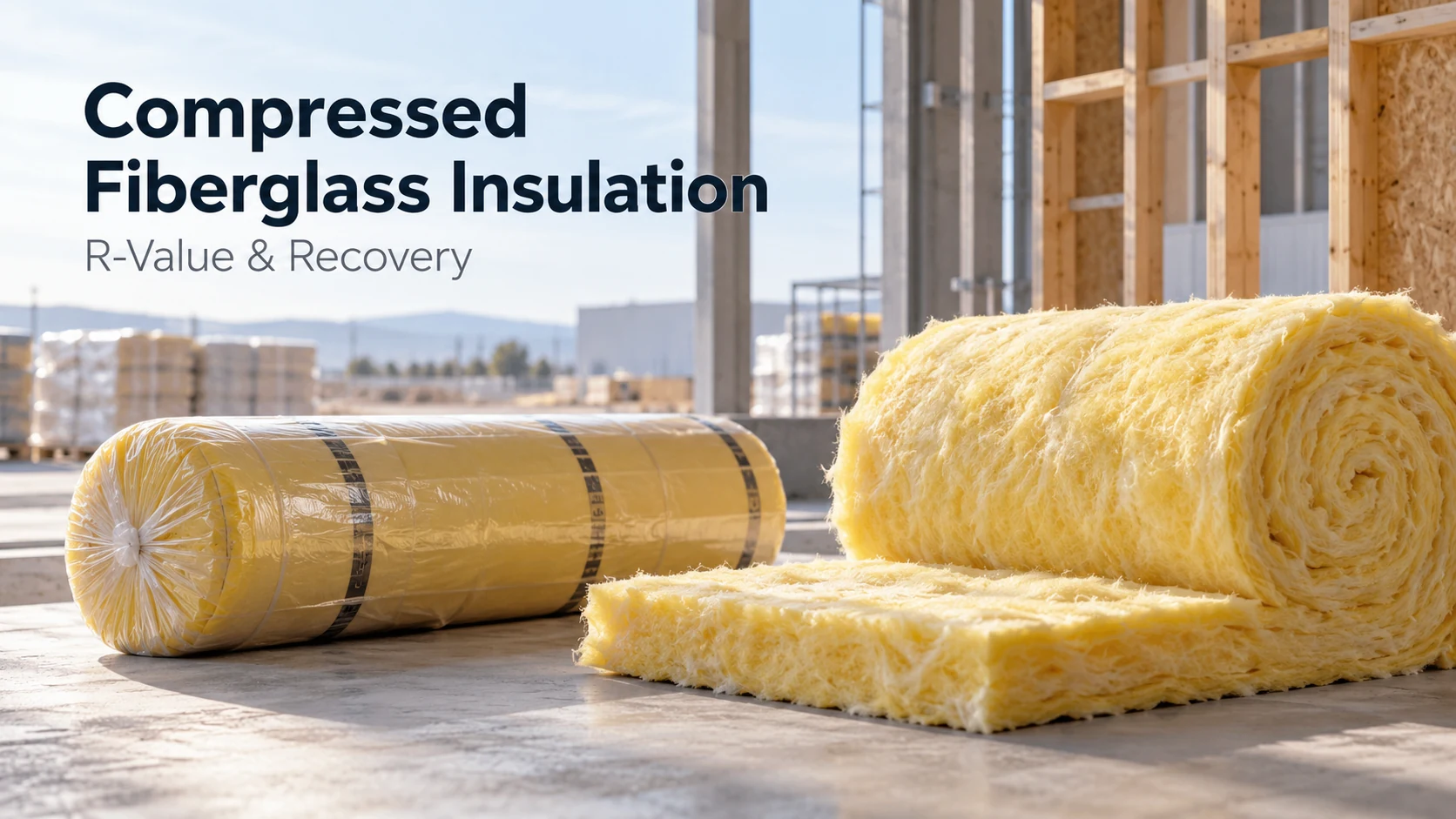
Fiberglass stands as a leading insulation material because homeowners find it both affordable and straightforward to install. The insulation material has an R-value between 2.2 and 2.7 per inch which makes it appropriate for walls as well as attics and ceilings. The application of fiberglass insulation needs proper handling because it can cause skin irritation yet it might not work well in damp environments.
Cellulose Insulation
The insulation material cellulose uses recycled paper products to create an environmentally friendly solution that achieves an R-value between 3.2 and 3.8 per inch. The material finds its applications in wall and attic spaces because it offers superior thermal and soundproofing capabilities. The insulation needs fire retardant treatment, yet its effectiveness decreases when it settles over time.
Spray Foam Insulation
The insulation performance of spray foam reaches 6.0 to 7.0 R-value per inch. The application process allows this material to expand and completely fill all spaces to create a tight seal. The high cost of spray foam insulation makes it suitable for difficult-to-access areas because it delivers extended energy savings benefits.
Rigid Foam Board Insulation
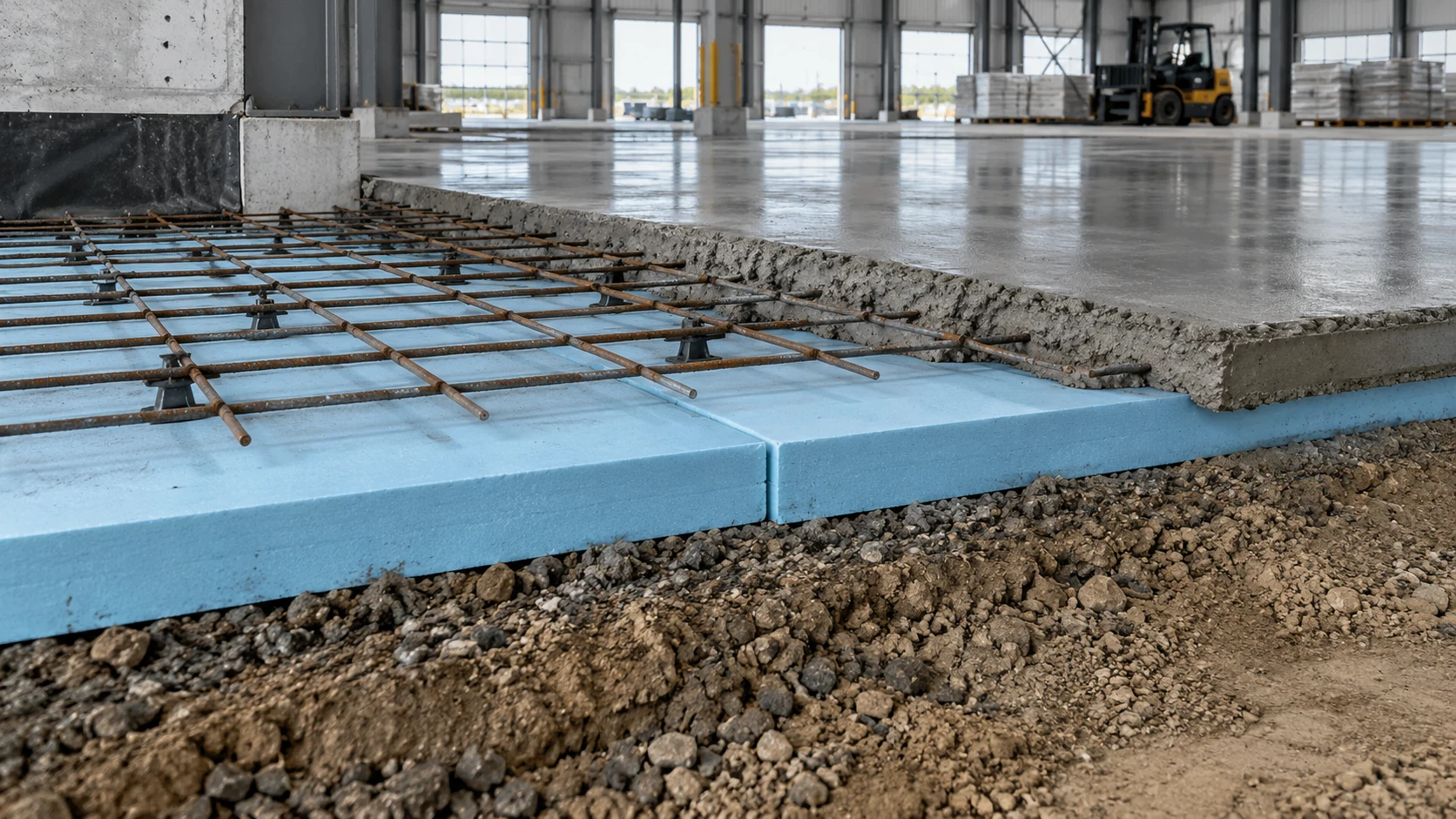
Rigid foam boards demonstrate an insulation capability of 4.0 to 6.5 per inch, which makes them suitable for foundation and roof applications. This insulation material stands up well to moisture but comes with high costs and might need extra fireproofing measures.
Mineral Wool Insulation
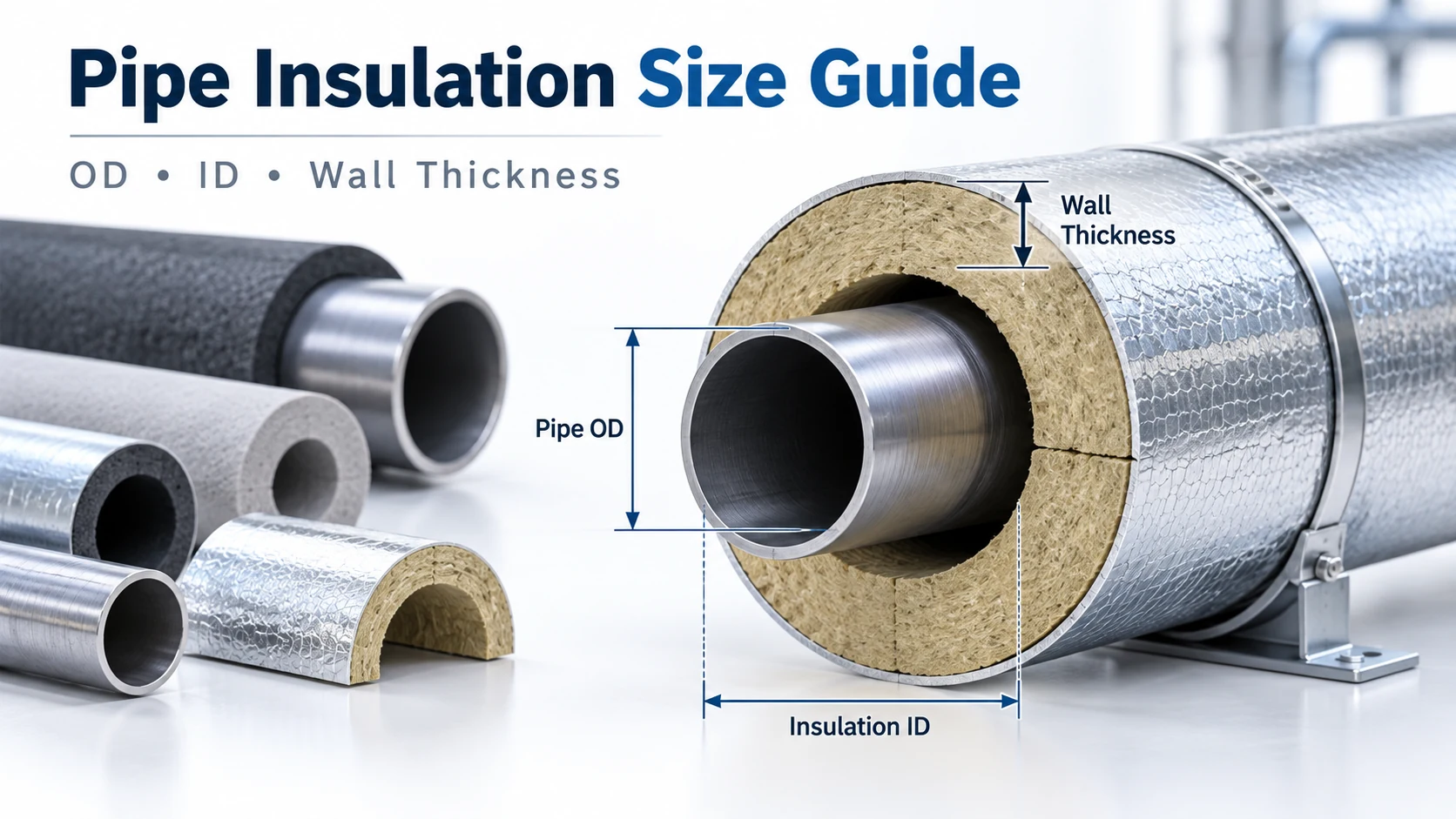
The insulation material mineral wool made from rock or slag fibers maintains an R-value between 3.0 and 3.3 per inch. This material stands up well to fire while blocking sound effectively, which makes it suitable for demanding temperature environments. The installation of this material proves to be difficult due to its weight while remaining heavier than other available options.
What is the Best Type of Insulation for a House?
The best type of insulation depends on your specific needs, budget, and climate. For example, spray foam is ideal for creating an airtight seal, while fiberglass is a cost-effective option for general use. Consider factors like R-value, installation requirements, and environmental impact when making your decision.
Consulting with a professional can help you choose the right insulation for your home. They can assess your property and recommend materials that maximize energy efficiency and comfort.
How to Insulate New Construction
1. Plan Ahead: Determine the R-value requirements for your climate and identify areas that need insulation.
2. Choose the Right Material: Select insulation materials based on their performance, cost, and ease of installation.
3. Seal Air Leaks: Use caulk or spray foam to seal gaps around windows, doors, and other openings.
4. Install Properly: Follow manufacturer guidelines to ensure the insulation is installed correctly and effectively.
5. Inspect and Maintain: Regularly check for damage or settling and replace insulation as needed.
Conclusion
Insulating a house is a smart investment that improves energy efficiency, comfort, and sustainability. By understanding the different types of insulation and their applications, you can make informed decisions that benefit your home and the environment.
If you're looking for high-quality
insulation materials wholesale, consider FUNAS. With over a decade of experience, FUNAS offers durable insulation solutions tailored to your needs. Contact
FUNAS today to explore their range of insulation products and start your journey toward a more energy-efficient home!
FAQs
Is it worth insulating?
Yes, insulation reduces energy bills, improves comfort, and increases property value.
What is the cheapest way to insulate internal walls?
Fiberglass batts are one of the most affordable options for internal wall insulation.
Should I insulate my interior walls?
Insulating interior walls can improve soundproofing and temperature control, especially in multi-story homes.
How do I choose insulation?
Consider factors like R-value, climate, and budget, and consult a professional for personalized recommendations.




FUNAS Insulation Material
funasinsulation