

















































How to install nitrile rubber insulation on pipes? | Insights by FUNAS
This article provides a detailed guide on installing nitrile rubber insulation on pipes, addressing common concerns in the thermal insulation materials industry, and highlighting the advantages of choosing FUNAS products.
- 1. What is Nitrile Rubber Insulation?
- 2. Why Choose Nitrile Rubber Insulation?
- 3. How to Install Nitrile Rubber Insulation on Pipes?
- 4. What Are the Applications of Nitrile Rubber Insulation?
- 5. What Are the Advantages of Using FUNAS Nitrile Rubber Insulation?
- 6. How Does Nitrile Rubber Insulation Compare to Other Materials?
- 7. What Are the Environmental Considerations of Nitrile Rubber Insulation?
- 8. How Do I Maintain Nitrile Rubber Insulation?
- Conclusion
- Data Sources
1. What is Nitrile Rubber Insulation?
Nitrile rubber insulation is a closed-cell elastomeric foam designed to provide thermal protection for pipes and ducts. Its closed-cell structure offers excellent resistance to moisture and vapor, making it ideal for applications where condensation control is crucial. Additionally, nitrile rubber insulation is known for its flexibility, allowing easy adaptation to various pipe sizes and configurations. This material is commonly used in HVAC systems, refrigeration, and industrial piping to maintain desired temperatures and prevent energy loss.
2. Why Choose Nitrile Rubber Insulation?
Choosing nitrile rubber insulation offers several benefits: low thermal conductivity, which minimizes heat loss; resistance to moisture and vapor, preventing condensation; and flexibility, which simplifies installation. These properties make it a preferred choice for applications requiring efficient thermal management and condensation control. For instance, in HVAC systems, nitrile rubber insulation helps maintain the temperature of air passing through ducts, enhancing energy efficiency and comfort.
3. How to Install Nitrile Rubber Insulation on Pipes?
Installing nitrile rubber insulation involves the following steps: measure the pipe's outside diameter accurately; select insulation tubes or sheets with appropriate thickness; cut the insulation to the required length; apply the insulation around the pipe, ensuring a snug fit; and seal the joints with adhesive or tape to maintain a continuous vapor barrier. Proper installation is crucial to ensure the insulation's effectiveness in preventing heat loss and condensation. Manufacturers like Armacell and K-Flex offer detailed installation guides to assist in this process.
4. What Are the Applications of Nitrile Rubber Insulation?
Nitrile rubber insulation is versatile and used in various applications, including: HVAC systems, where it insulates ducts and pipes to maintain air temperature; refrigeration units, to prevent energy loss and condensation; industrial piping, to protect against temperature fluctuations; and plumbing systems, to prevent pipe freezing and reduce noise. Its adaptability makes it suitable for both residential and commercial installations.
5. What Are the Advantages of Using FUNAS Nitrile Rubber Insulation?
FUNAS nitrile rubber insulation offers several advantages: high thermal efficiency, ensuring minimal heat loss; excellent moisture resistance, preventing condensation; flexibility, allowing easy installation on various pipe sizes; and durability, withstanding harsh environmental conditions. Choosing FUNAS products ensures reliable performance and longevity in thermal insulation applications.
6. How Does Nitrile Rubber Insulation Compare to Other Materials?
Compared to other insulation materials like fiberglass or mineral wool, nitrile rubber insulation offers superior moisture resistance due to its closed-cell structure. It also provides better flexibility, making installation easier and more efficient. Additionally, nitrile rubber insulation is less prone to degradation over time, ensuring long-term performance. These properties make it a preferred choice for applications where moisture control and ease of installation are critical.
7. What Are the Environmental Considerations of Nitrile Rubber Insulation?
Nitrile rubber insulation is generally considered environmentally friendly due to its durability and long lifespan, reducing the need for frequent replacements. However, it's important to consider the disposal methods at the end of its life cycle. Recycling options may be limited, so proper disposal is necessary to minimize environmental impact. Manufacturers are continually researching more sustainable materials and disposal methods to enhance the environmental profile of insulation products.
8. How Do I Maintain Nitrile Rubber Insulation?
Maintaining nitrile rubber insulation involves regular inspections to check for signs of damage or degradation. Ensure that the insulation remains intact and that joints are properly sealed to maintain its effectiveness. If any issues are identified, prompt repairs or replacements should be carried out. Proper maintenance ensures the insulation continues to perform optimally, providing energy efficiency and condensation control over its lifespan.
Conclusion
Installing nitrile rubber insulation on pipes is an effective method to enhance thermal efficiency and prevent condensation. By understanding its properties, applications, and installation procedures, you can make informed decisions for your insulation needs. Choosing high-quality products like those offered by FUNAS ensures reliable performance and long-term benefits in your thermal insulation projects.
Data Sources
- Wikipedia: Building insulation material, October 2025
- Wikipedia: Thermal insulation, November 2025
- Access Floor International: Rubber Insulation, November 2025
- TheSmartHVAC: Nitrile Rubber Insulation, November 2025
- Insulation and Lagging: Nitrile Rubber Pipe Insulation, November 2025
- Rubber Insulations: Elastomeric Foam Rubber Pipe Insulation, October 2025

Does sound insulation foam Actually Work in 2026? Ultimate guide About Blocking vs. Absorbing Noise
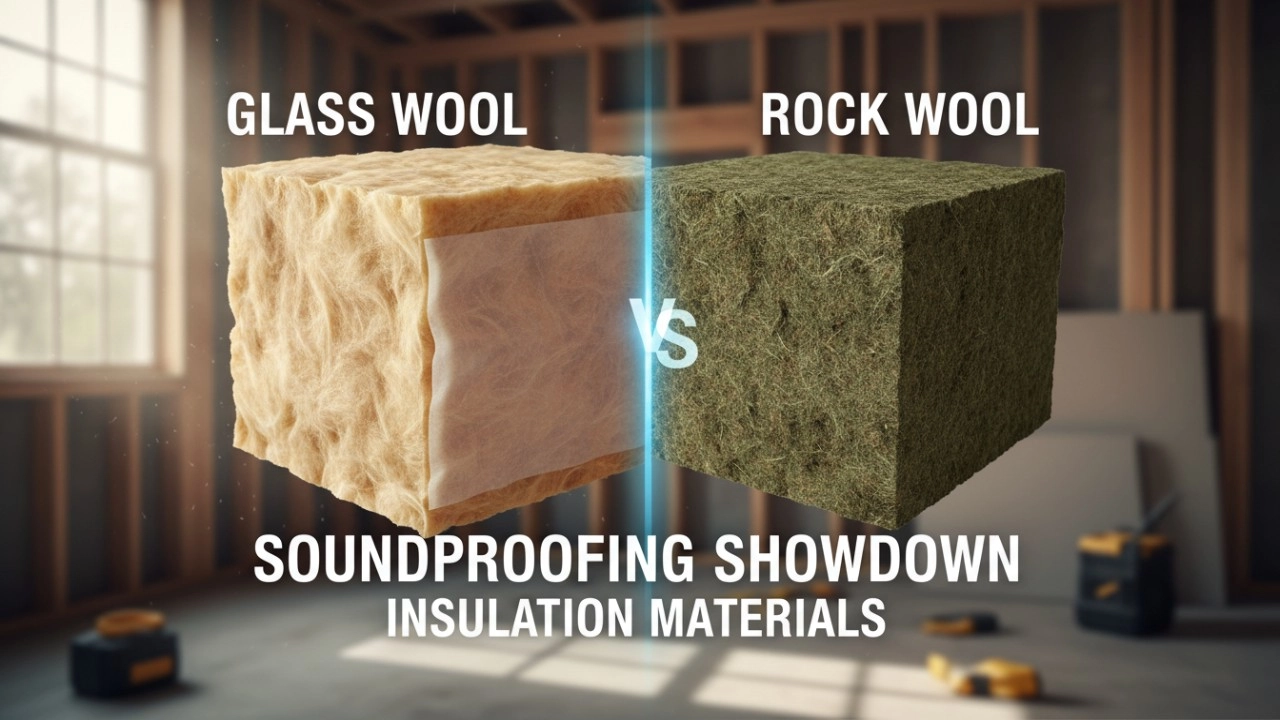
Fiberglass vs. Rockwool: Which Soundproofing Insulation Material Wins for Acoustic Control?
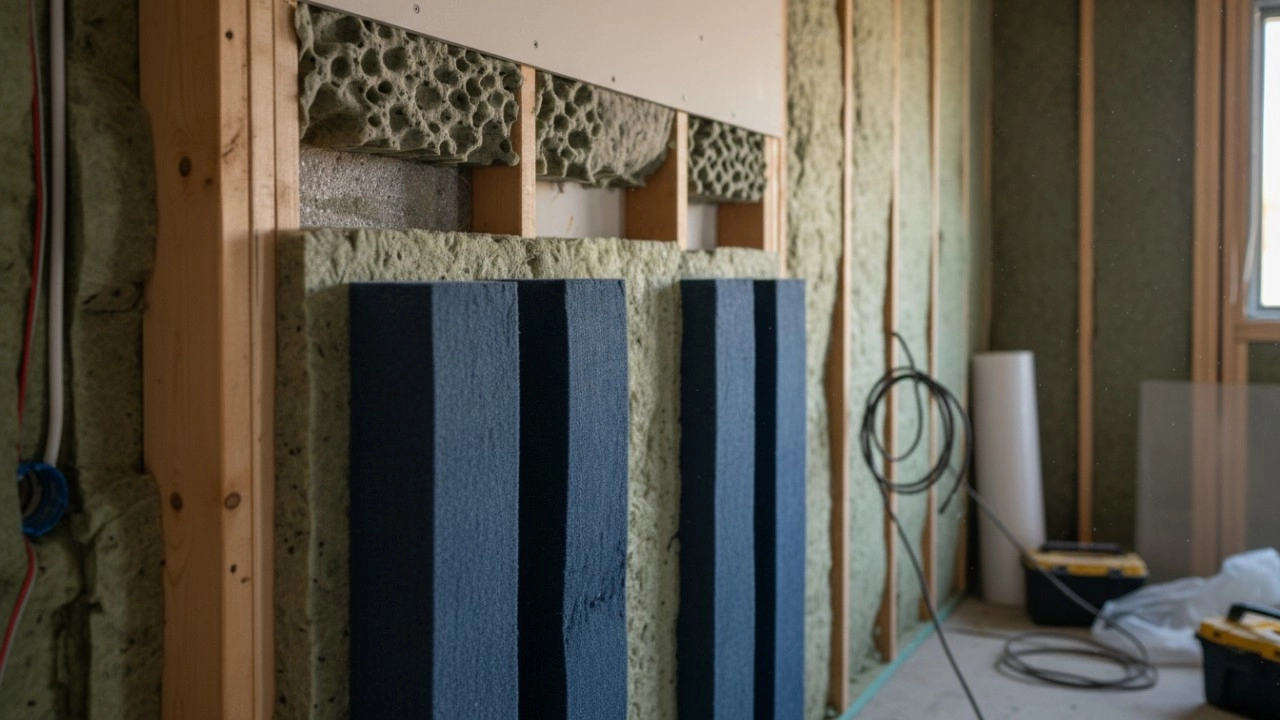
Sound Insulation Foam vs. Acoustic Panels: Which One Actually Stops Noise? (2026 Guide)
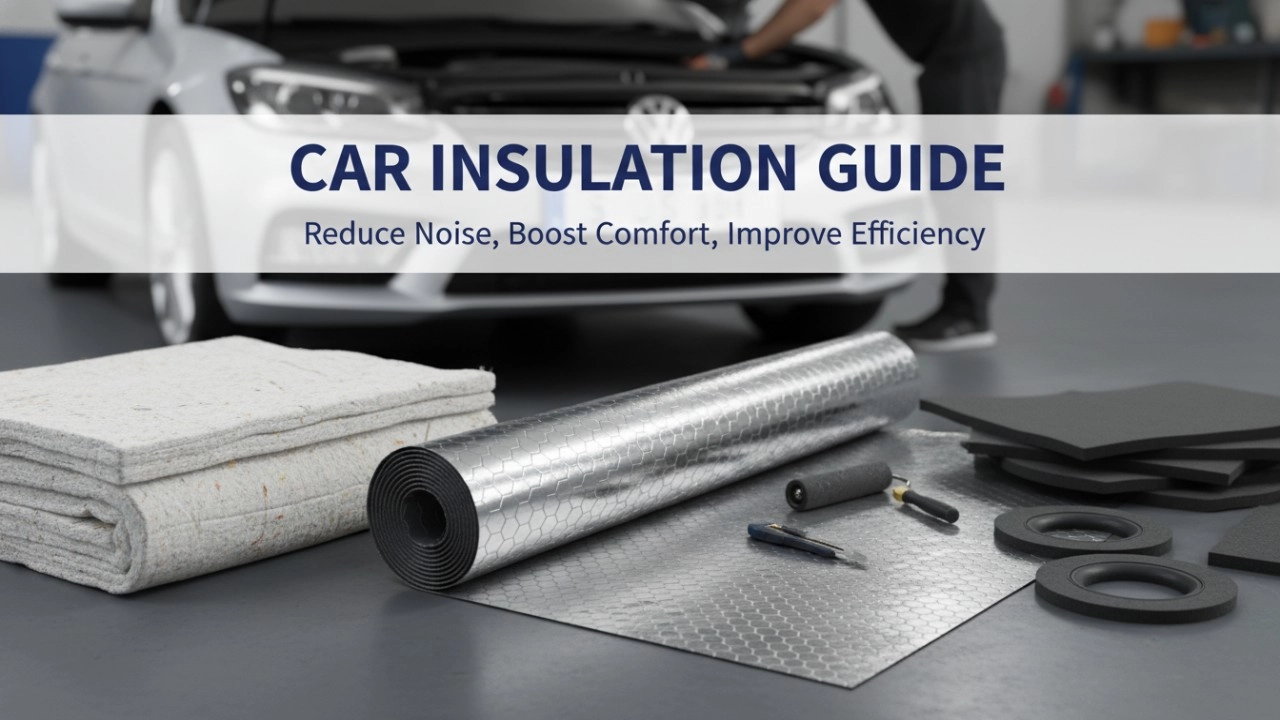
7 Dangerous Mistakes to Avoid When Selecting insulating materials for Your Car (2026 Guide)
FAQ
What is the typical delivery time for custom orders?
Our daily production capacity is 800 cubic meters. Delivery time varies depending on the complexity of the insulation material wholesale order, but we can deliver large quantities of customized products within 4-6 weeks after the approval date, and small quantities can be delivered within 15 days.
What types of rubber foam insulation do you offer?
We offer a wide range of rubber foam insulation with different thicknesses and specifications. Thermal insulation material manufacturer FUNAS sleeves and sheets are suitable for different application scenarios.
service
How does your technical support work?
Our technical support team is available to guide you through every stage of your project—from product selection and design to installation. We provide expert consultation to ensure that you get the best insulation solution for your needs and can assist with troubleshooting if needed.
Are your rubber foam products environmentally friendly?
Yes, our insulation products are designed with sustainability in mind. They help reduce energy consumption by minimizing heat loss and gain, and they are made from durable materials that have a long life cycle, reducing the need for frequent replacement.
You might also like

Wholesale Perfect Fire Resistant Performance High Strength Acoustic Mineral Wool Insulation Rock Wool Board Panel Plain Slab
Rock wool board, that is, a kind of exterior insulation material. When the market share of 90% of the organic thermal insulation materials in the stagnant wait-and-see, as a fire rating of A-class exterior insulation inorganic material rock wool, has ushered in an unprecedented market opportunity.
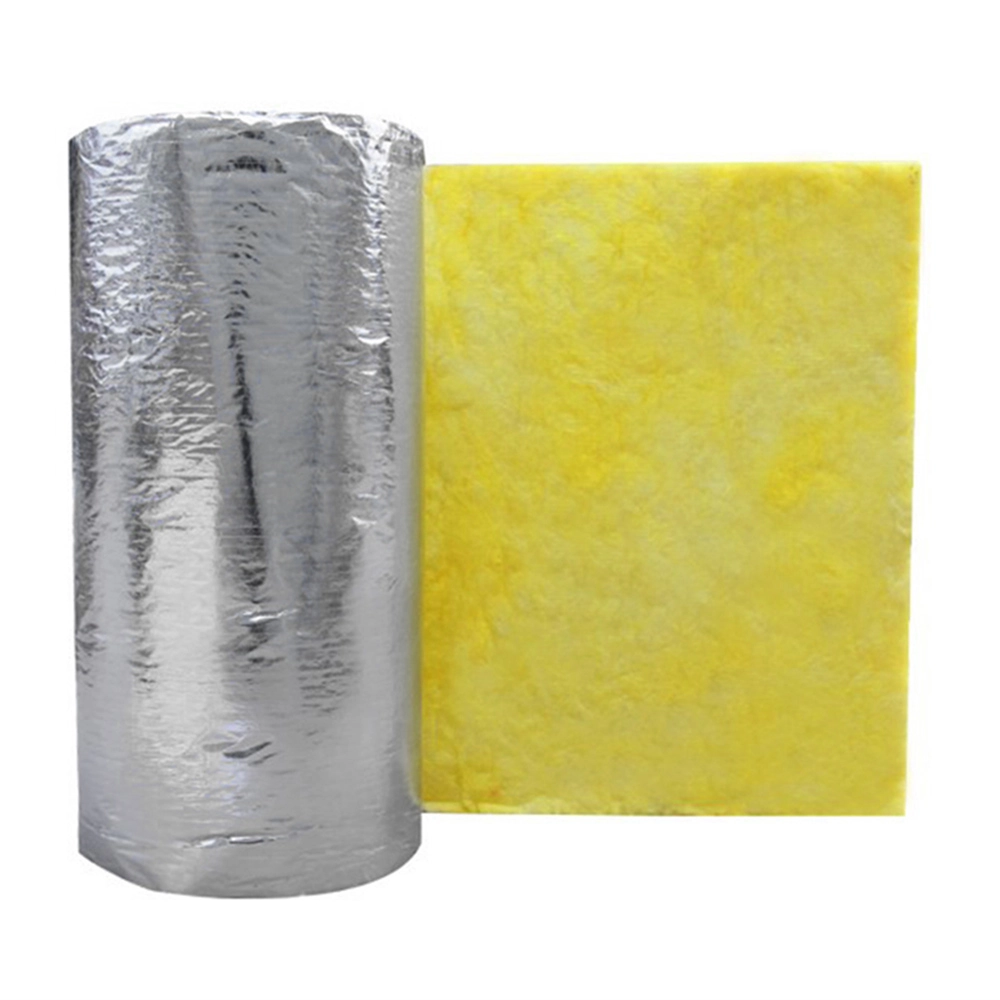
Wholesale Roof And Wall Thermal Heat Insulation 50mm Thickness Aluminum Foil Fiberglass Insulation Roll Glass Wool
Glass wool is the molten glass fiber, the formation of cotton-like material, chemical composition belongs to the glass category, is a kind of inorganic fiber. With good molding, small volume density, thermal conductivity both, thermal insulation, sound absorption performance is good, corrosion resistance, chemical stability and so on.
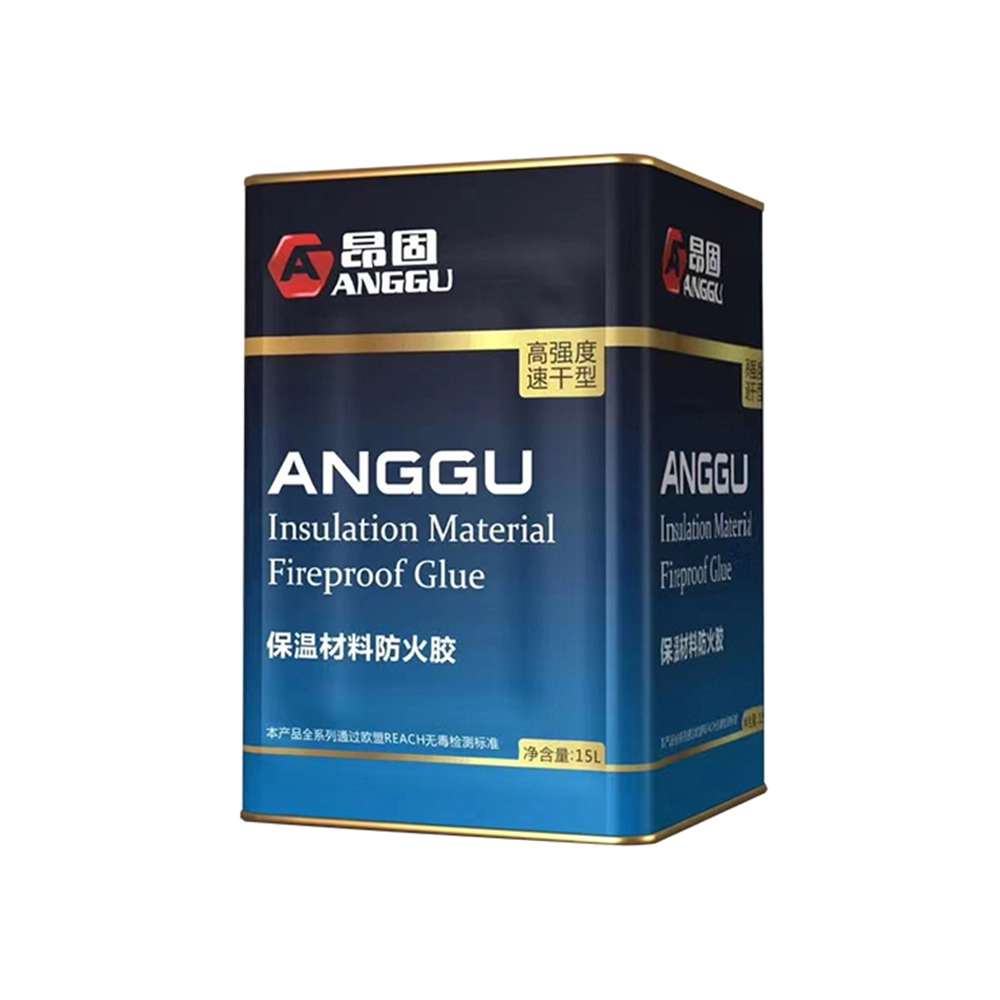
China Manufacturer ANGGU Rubber Foam Dedicated Adhesives & Sealants & Glue
Our high-performance adhesives ensure durability and excellent adhesion, guaranteeing optimal results for all your industrial needs. Specially formulated for precision and strength, Funas adhesives offer seamless application and long-lasting reliability. Trust in quality and innovation with our dedicated rubber foam adhesives. Perfect your projects with Funas, where excellence meets commitment.

Wholesale Rock Wool Mineral Wool Board Panel Sheet
High-performance rock wool board for superior thermal and acoustic insulation. A reliable choice for building projects.
Leave a message
Have any questions or concerns about our products? Please leave us a message here and our team will get back to you promptly.
Your queries, ideas, and collaboration opportunities are just a click away. Let’s start a conversation.
