


















































What makes nitrile rubber heat resistant? | Insights by FUNAS
Explore the heat-resistant properties of nitrile rubber and its significance in thermal insulation materials. This article addresses key concerns for procurement professionals in the thermal insulation industry, providing data-driven insights and highlighting the advantages of FUNAS products.
- 1. What is Nitrile Rubber and Its Heat Resistance?
- 2. How Does Nitrile Rubber Compare to Other Elastomers in Heat Resistance?
- 3. What Are the Implications of Nitrile Rubber's Heat Limitations in Thermal Insulation Applications?
- 4. What Are the Key Considerations for Procurement Professionals When Selecting Heat-Resistant Materials?
- 5. How Does FUNAS Address Heat Resistance in Its Thermal Insulation Products?
- 6. What Are the Advantages of Choosing FUNAS for Thermal Insulation Needs?
- Data Sources
1. What is Nitrile Rubber and Its Heat Resistance?
Nitrile rubber, also known as nitrile butadiene rubber (NBR), is a synthetic elastomer derived from acrylonitrile and butadiene. It is renowned for its excellent resistance to oils, fuels, and chemicals, making it a preferred material in various industries. In terms of heat resistance, standard nitrile rubber can withstand continuous service temperatures up to 120°C (248°F), with intermittent peaks up to 135°C (275°F). Beyond these temperatures, the material may experience degradation, leading to brittleness and loss of mechanical strength.
2. How Does Nitrile Rubber Compare to Other Elastomers in Heat Resistance?
When compared to other elastomers, nitrile rubber offers moderate heat resistance. For instance, silicone rubber can withstand temperatures ranging from -180°F to 525°F (-118°C to 274°C), providing superior heat resistance. Fluorosilicone rubber also offers enhanced heat resistance, suitable for extreme temperatures. Therefore, for applications requiring higher heat resistance, materials like silicone or fluorosilicone may be more appropriate.
3. What Are the Implications of Nitrile Rubber's Heat Limitations in Thermal Insulation Applications?
In thermal insulation applications, the heat resistance of the material is crucial. Nitrile rubber's limitations mean it may not be suitable for environments with temperatures exceeding 120°C (248°F) for prolonged periods. Using nitrile rubber in such conditions can lead to material degradation, reduced insulation effectiveness, and potential system failures. Therefore, selecting materials with higher heat resistance is essential for ensuring the longevity and reliability of thermal insulation systems.
4. What Are the Key Considerations for Procurement Professionals When Selecting Heat-Resistant Materials?
Procurement professionals should consider the following factors when selecting heat-resistant materials for thermal insulation: 1) Maximum operating temperature: Ensure the material can withstand the highest temperatures expected in the application. 2) Thermal conductivity: Choose materials with low thermal conductivity to enhance insulation performance. 3) Durability: Assess the material's resistance to aging, chemical exposure, and physical wear. 4) Compliance: Verify that the material meets industry standards and regulations. 5) Cost-effectiveness: Balance material performance with budget constraints to achieve optimal value.
5. How Does FUNAS Address Heat Resistance in Its Thermal Insulation Products?
FUNAS specializes in providing thermal insulation materials that offer superior heat resistance, ensuring optimal performance in high-temperature environments. Their products are engineered to withstand temperatures exceeding 120°C (248°F), maintaining structural integrity and insulation effectiveness. By choosing FUNAS, procurement professionals can be confident in the reliability and longevity of their thermal insulation solutions.
6. What Are the Advantages of Choosing FUNAS for Thermal Insulation Needs?
Choosing FUNAS for thermal insulation needs offers several advantages: 1) High-Performance Materials: FUNAS products are designed to perform under extreme temperatures, ensuring effective insulation. 2) Durability: Their materials are resistant to aging, chemical exposure, and physical wear, extending the lifespan of insulation systems. 3) Compliance: FUNAS products meet industry standards and regulations, providing peace of mind for procurement professionals. 4) Cost-Effectiveness: By offering high-quality materials at competitive prices, FUNAS delivers value without compromising on performance.
Data Sources
- Rubber and Seal, "What Is the Maximum Temperature for Nitrile Gaskets?" October 2025
- Elastoproxy, "Material Properties for Rubber Compounds," January 2024
- Rubber and Seal, "What Is the Maximum Temperature for Nitrile Gaskets?" October 2025

Does sound insulation foam Actually Work in 2026? Ultimate guide About Blocking vs. Absorbing Noise
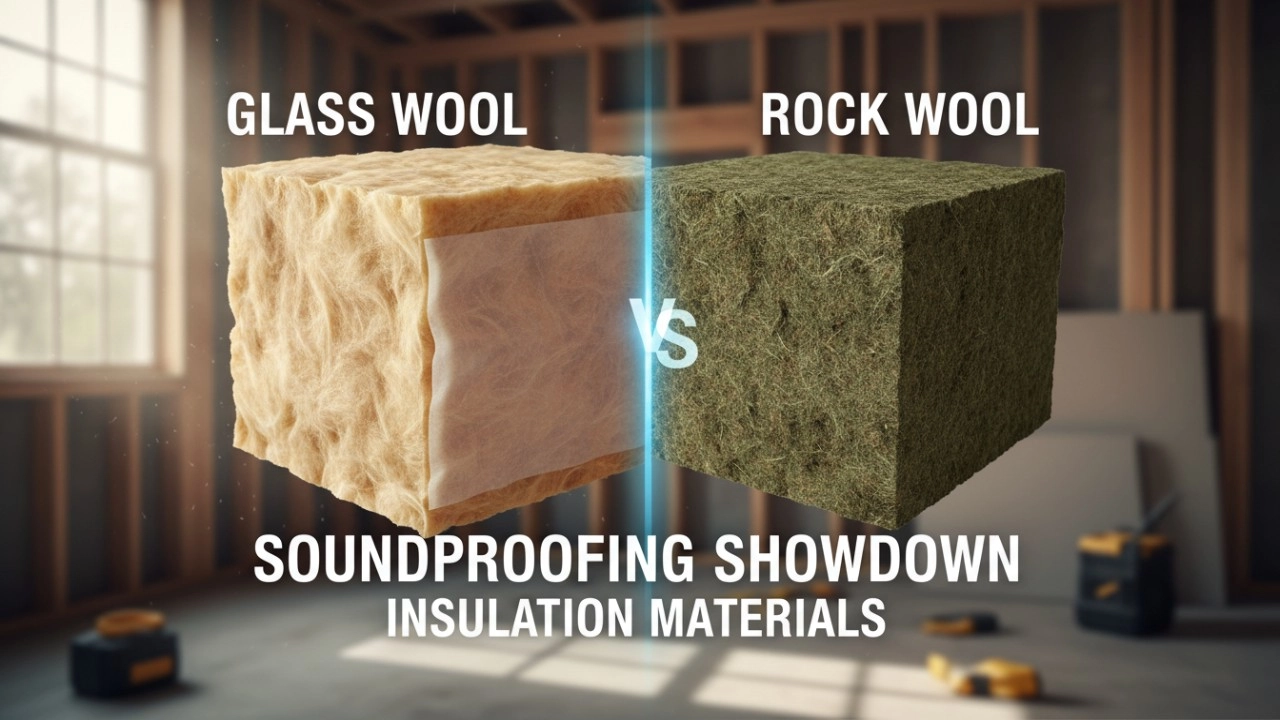
Fiberglass vs. Rockwool: Which Soundproofing Insulation Material Wins for Acoustic Control?
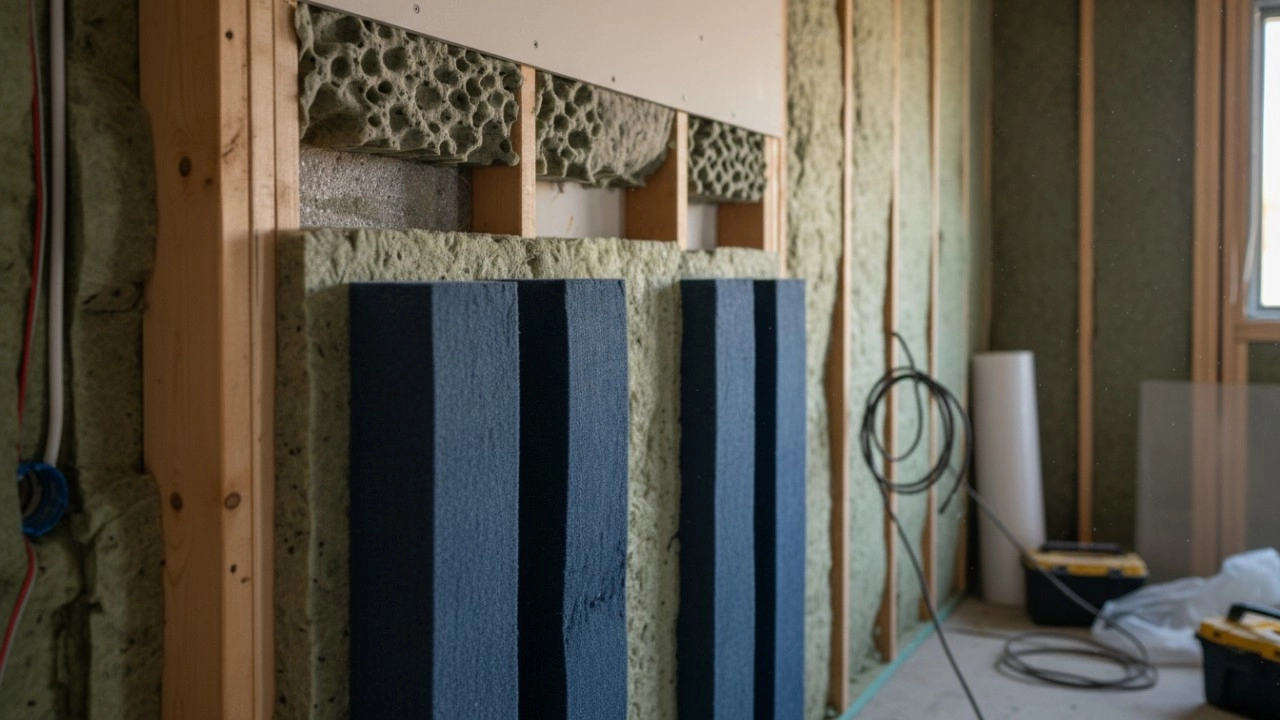
Sound Insulation Foam vs. Acoustic Panels: Which One Actually Stops Noise? (2026 Guide)
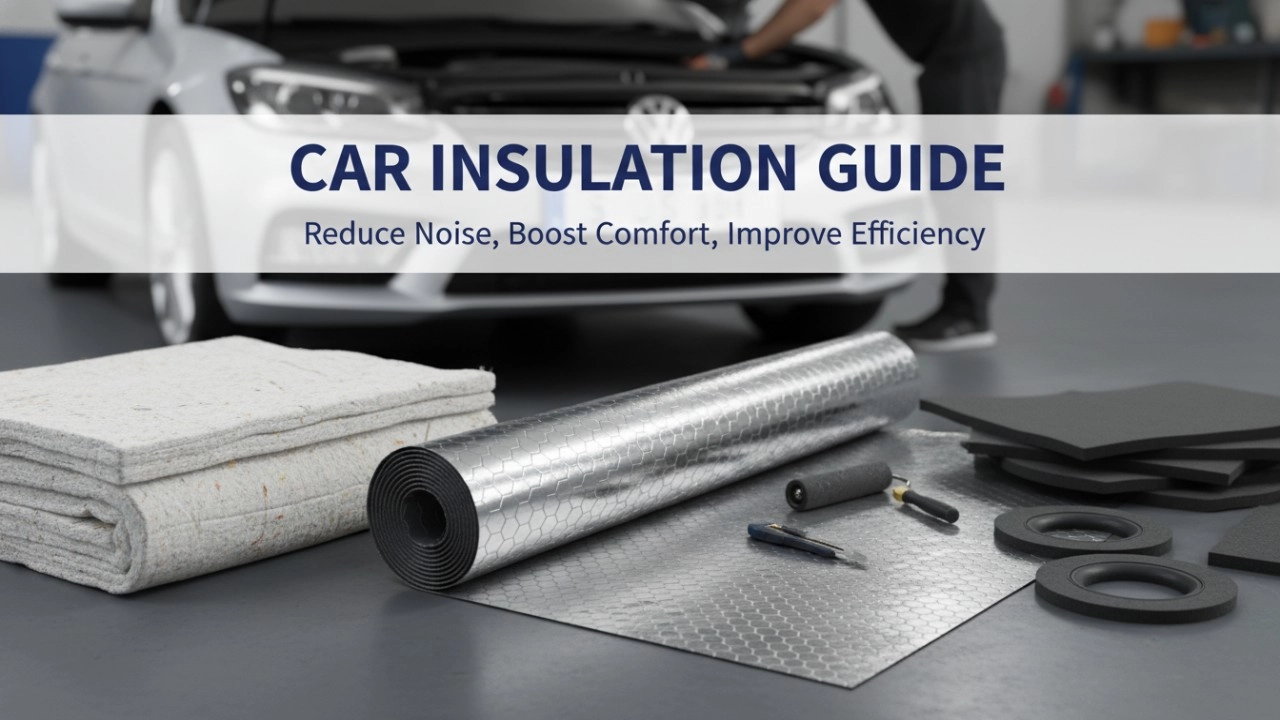
7 Dangerous Mistakes to Avoid When Selecting insulating materials for Your Car (2026 Guide)
service
Can I request custom dimensions or properties for my insulation needs?
Yes, we specialize in custom solutions. Whether you need specific dimensions, thicknesses, densities, or additional coatings, we can work with you to manufacture insulation products tailored to your exact requirements of good materials for heat insulation.
What types of rubber foam insulation products do you offer?
We offer a wide range of rubber foam insulation products, including custom shapes and sizes, thermal and acoustic insulation solutions, and options with specialized coatings such as flame retardancy and water resistance. Our products are suitable for applications in HVAC, automotive, construction, and more.
FAQ
What types of rubber foam insulation do you offer?
We offer a wide range of rubber foam insulation with different thicknesses and specifications. Thermal insulation material manufacturer FUNAS sleeves and sheets are suitable for different application scenarios.
Can your insulation products be customized?
Yes, we offer customized solutions for insulation material wholesale to meet the specifications of your project, including custom specifications, sizes, foils and adhesives, colors, etc.
You might also like
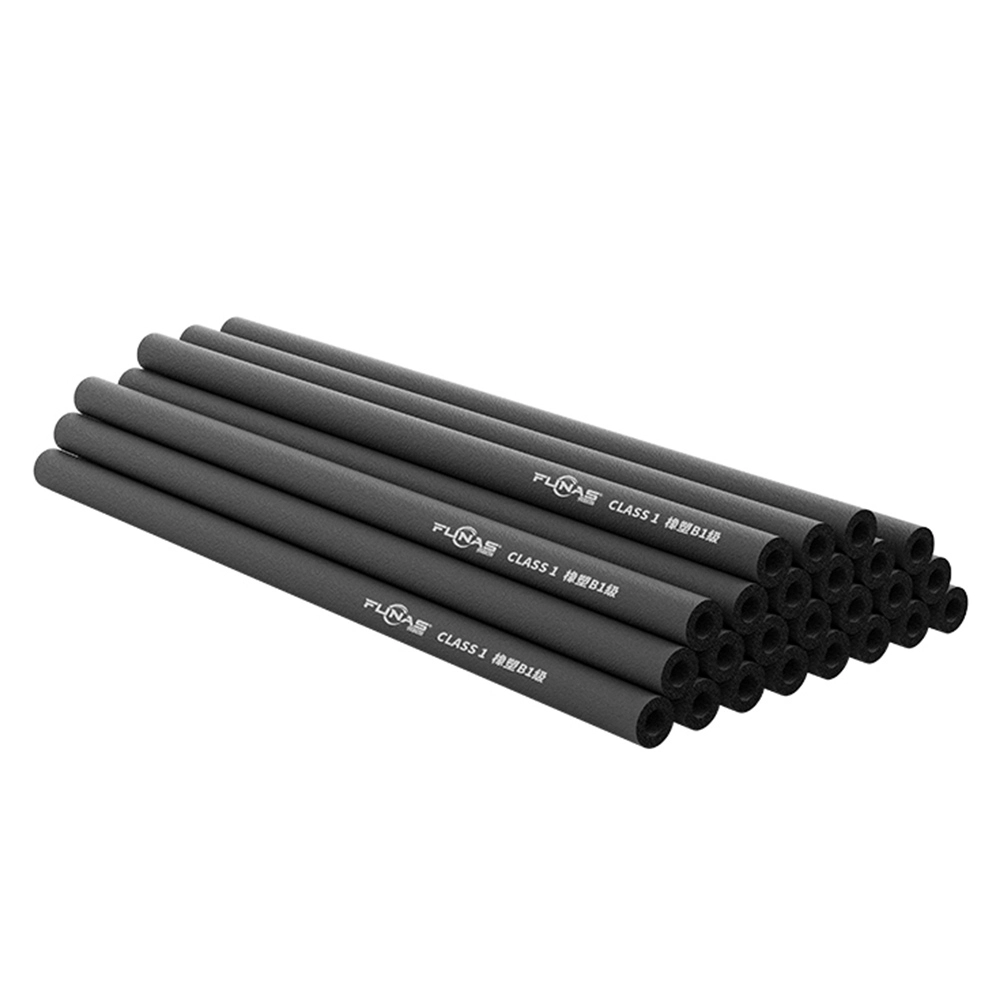
Black Rubber-plastic Tube Rubber foam pipe wholesale
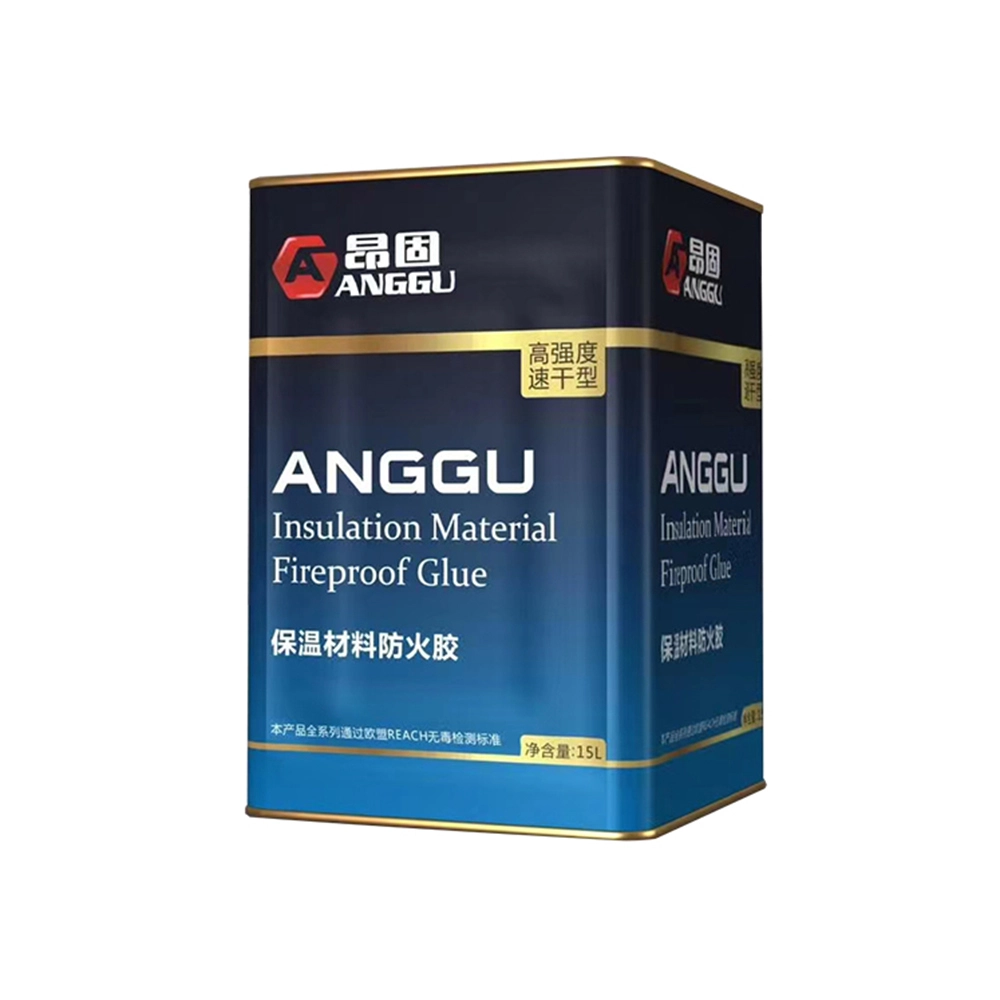
Thermal insulation material fireproof adhesive
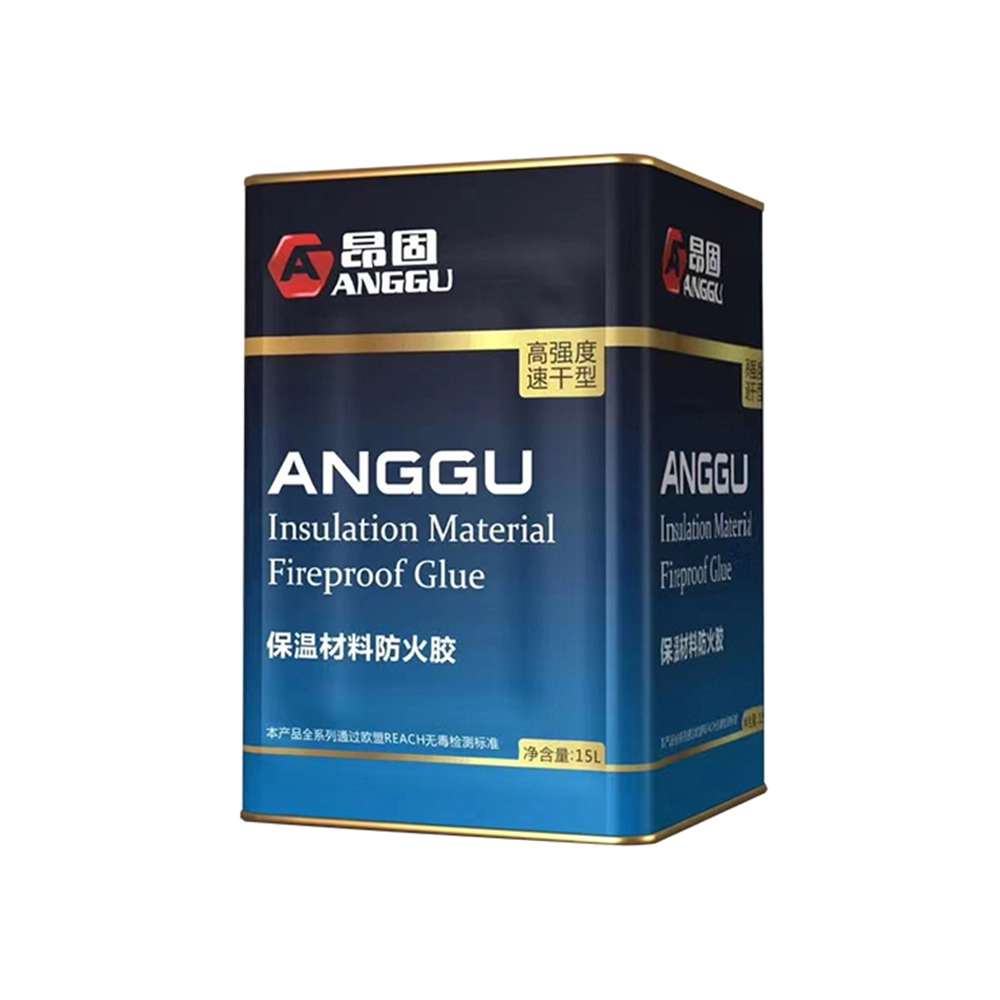
China Manufacturer ANGGU Rubber Foam Dedicated Adhesives & Sealants & Glue
Our high-performance adhesives ensure durability and excellent adhesion, guaranteeing optimal results for all your industrial needs. Specially formulated for precision and strength, Funas adhesives offer seamless application and long-lasting reliability. Trust in quality and innovation with our dedicated rubber foam adhesives. Perfect your projects with Funas, where excellence meets commitment.
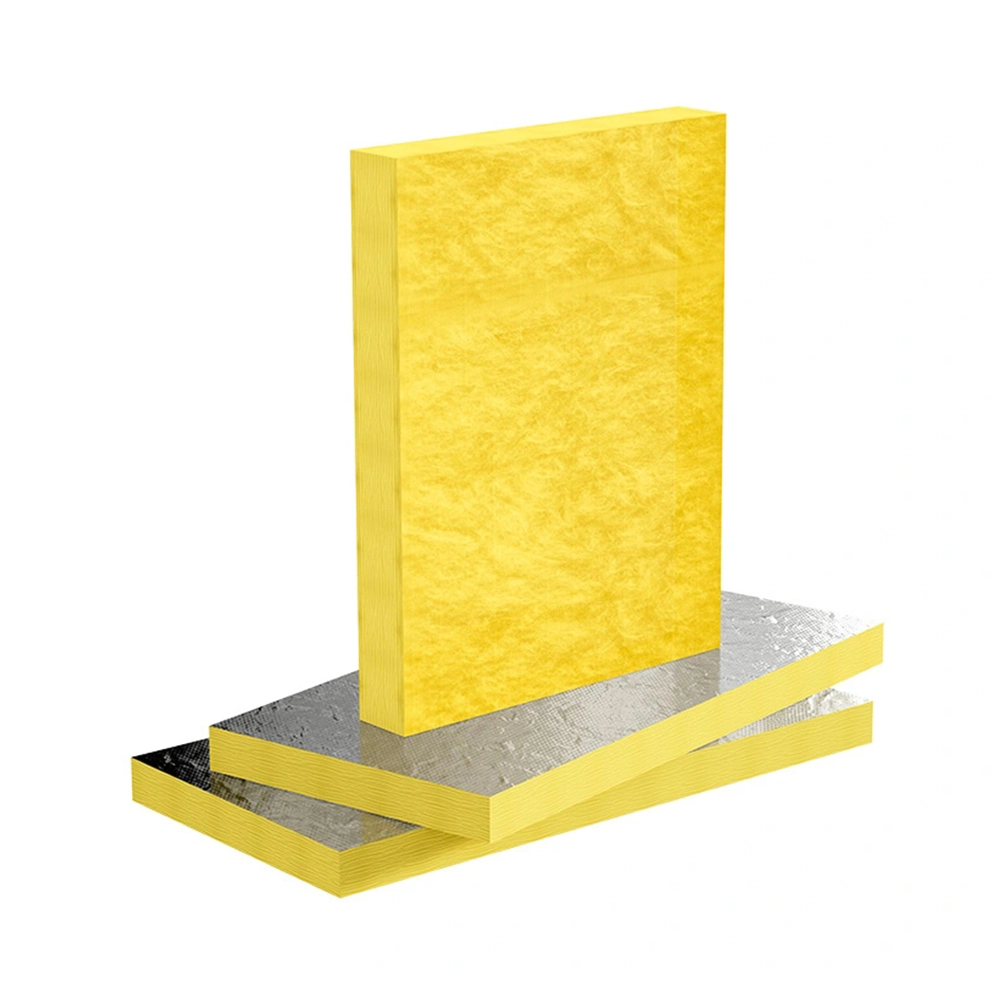
Wholesale Glass Wool Board Panel Sheet with or without aluminum foil
Premium glass wool board with excellent thermal insulation and sound absorption. Suitable for different construction needs.
Leave a message
Have any questions or concerns about our products? Please leave us a message here and our team will get back to you promptly.
Your queries, ideas, and collaboration opportunities are just a click away. Let’s start a conversation.
