











































Rock Wool Manufacturing Process: Understanding the Journey from Raw Materials to Insulation

Tuesday, 12/24/2024

Rock wool, a type of insulation material made from natural rocks and minerals, plays a crucial role in energy conservation, soundproofing, and fire safety. This article will guide you through the rock wool manufacturing process, explaining how it’s made, the materials involved, and the benefits it offers for both residential and commercial applications. By the end of this article, you'll have a clear understanding of how rock wool is produced and why it is considered an effective insulation solution.

What is Rock Wool?

Rock wool, also known as mineral wool or stone wool, is a versatile insulation material made from volcanic rock, basalt, and other natural materials. It’s primarily used for thermal insulation in building applications, but it’s also used in soundproofing and fireproofing. The material’s unique properties, such as its ability to withstand high temperatures and reduce noise, make it an ideal choice for modern construction projects.


The Key Raw Materials in Rock Wool Production
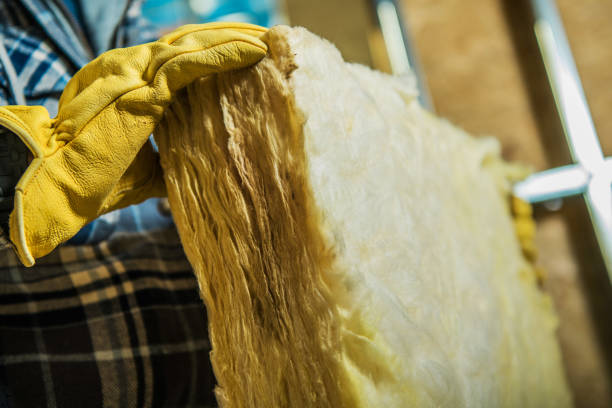
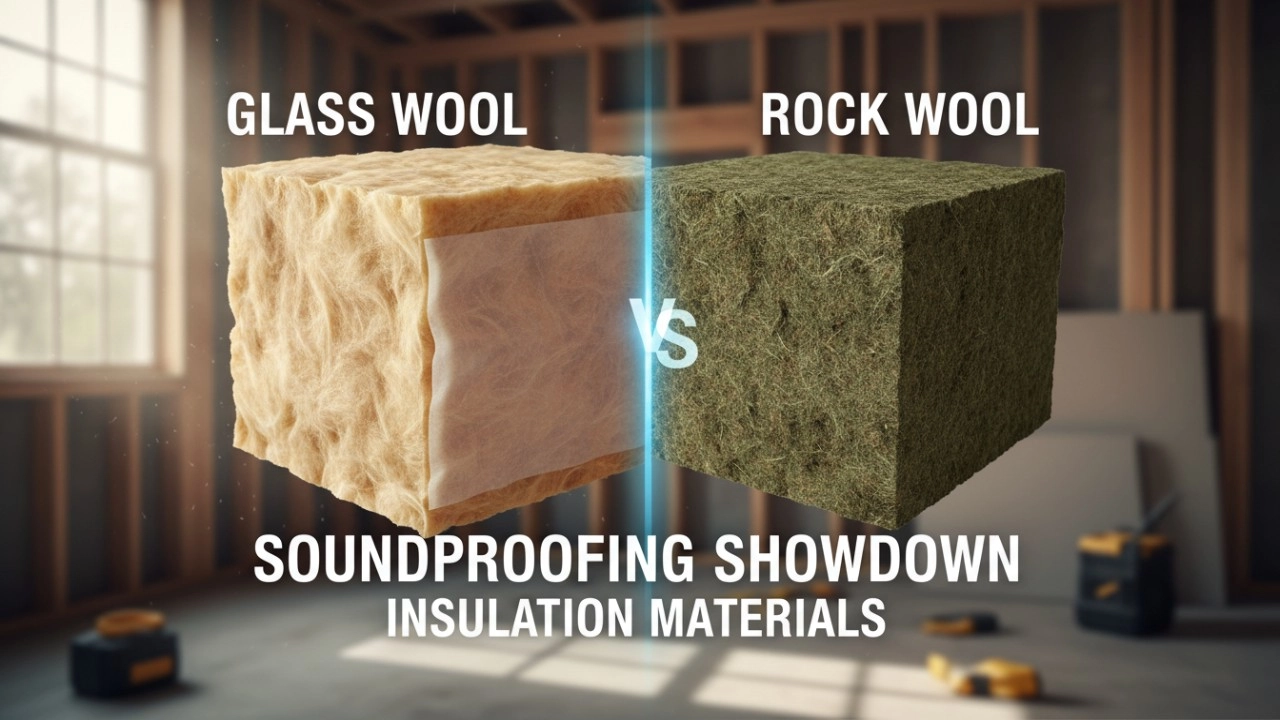
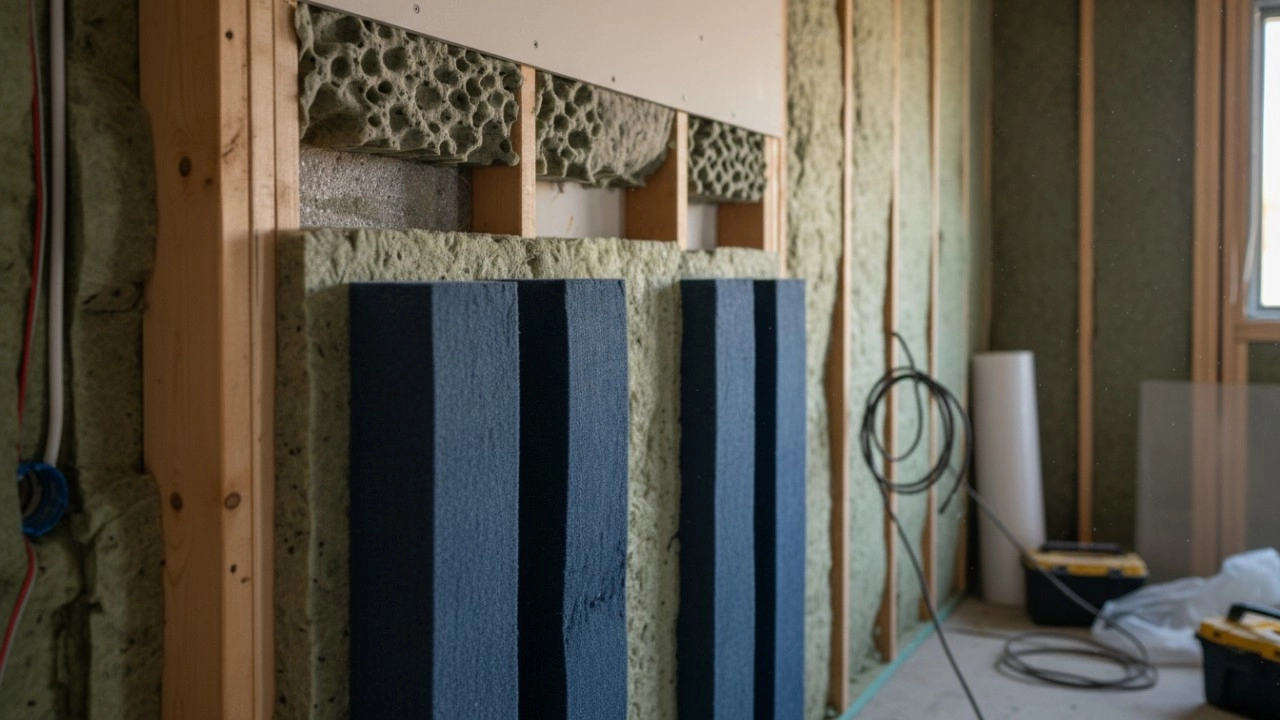
Close-up of a worker holding wall heat insulation material.  The material is light yellow and fibrous.
 
The primary raw materials used in rock wool manufacturing are basalt rock and other natural minerals. These raw materials are selected for their ability to melt at high temperatures and form fibers when processed.
Basalt Rock: Basalt, a dense volcanic rock, is the main ingredient in rock wool production. Its chemical composition makes it an ideal base for creating the fine fibers that form the bulk of rock wool.
Additional Minerals: Other minerals like limestone, dolomite, and slag are often added to improve the final product’s strength and durability. These minerals contribute to the material's resistance to heat and fire.


The Rock Wool Manufacturing Process

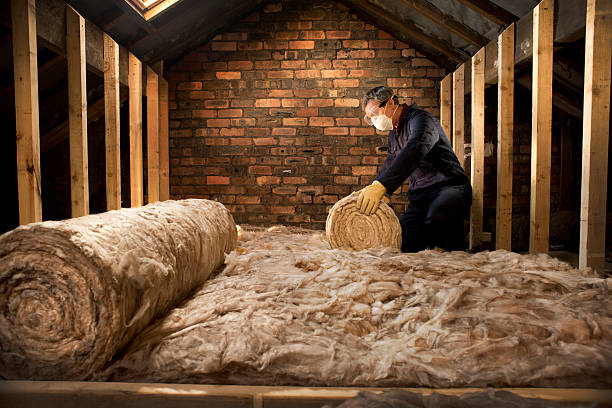
Worker installing rock wool board insulation in an attic.
 
The process of manufacturing rock wool is energy-intensive but highly efficient in producing quality insulation. Below are the key steps in the production of rock wool.
1.Melting the Raw Materials: The first step in the process involves melting basalt rocks and other minerals in a furnace at temperatures of around 1,500°C. The heat turns the raw materials into a molten liquid.
2.Spinning the Molten Material: Once melted, the molten rock is spun into fine fibers using a spinning machine. This spinning process is crucial in creating the characteristic wool-like structure of rock wool.
3.Binding the Fibers: The fibers are then treated with a binder to ensure they hold their shape and strength. This binder is typically phenolic or acrylic resin, which is cured in an oven to set the fibers in place.
4.Cooling and Shaping: The final step involves cooling the fibers and then shaping them into blankets or slabs for various applications. The insulation material is then cut to the desired size and ready for packaging.


Benefits of Using Rock Wool Insulation

Excellent Thermal Performance: Rock wool has excellent thermal resistance, helping to reduce energy consumption by keeping buildings cooler in the summer and warmer in the winter.
Fire Resistance: One of the standout features of rock wool is its ability to withstand high temperatures. It’s naturally fire-resistant, making it a critical component in fire safety strategies.
Soundproofing Qualities: In addition to its thermal and fire-resistant properties, rock wool is also an excellent sound absorber. It’s commonly used in soundproofing applications in both residential and commercial settings.
Sustainability: Rock wool is made from natural, abundant raw materials and is fully recyclable. This makes it an eco-friendly insulation option compared to other materials.


Conclusion

The rock wool manufacturing process is a highly specialized and energy-intensive procedure that transforms natural rocks and minerals into an efficient and sustainable insulation material. With its excellent thermal performance, fire resistance, and soundproofing capabilities, rock wool remains a top choice for building insulation in modern construction.
If you're looking for high-quality rock wool insulation wholesale for your projects, consider working with FUNAS. As a leading thermal insulation material manufacturer, FUNAS offers durable, eco-friendly rock wool solutions that meet industry standards. Contact FUNAS Insulation to learn more about how their products can help you achieve better insulation performance and energy efficiency in your projects.


FAQs About Rock Wool Manufacturing Process

What materials are used to make rock wool?
Rock wool is primarily made from basalt rock, along with minerals like limestone, dolomite, and slag. These materials are heated and spun into fibers to form the insulation material.
 
Is rock wool fireproof?
Yes, rock wool is fire-resistant. It can withstand high temperatures without melting, making it an excellent choice for fireproofing and heat insulation.
 
Can rock wool be recycled?
Yes, rock wool is fully recyclable. It can be reprocessed into new insulation products, making it an environmentally sustainable option.
 
What are the main uses of rock wool?
Rock wool is primarily used for thermal insulation, soundproofing, and fireproofing in buildings. It is also used in industrial applications like pipes, boilers, and ducts.
 
How does rock wool compare to fiberglass insulation?
While both materials offer excellent thermal insulation, rock wool is more fire-resistant and provides better soundproofing. It also doesn’t irritate the skin as fiberglass can.
Tags
best auto sound deadening material
rockwool fireproof insulation wholsale in Dallas
automotive insulation
rockwool fireproof insulation wholsale in San Jose
best sound deadening mat
automotive heat shielding
Recommended for you

Ultimate 2026 Guide to Car Noise Insulation: Silence Your Ride

Ultimate 2026 Guide to Car Noise Insulation: Silence Your Ride

Ultimate Guide to Rubber Sheets: How to Choose in 2026

Ultimate Guide to Rubber Sheets: How to Choose in 2026

Ultimate Guide to Glass Wool: Properties, Uses & Benefits

Ultimate Guide to Glass Wool: Properties, Uses & Benefits

The Ultimate Guide to Glass Wool Insulation 2026

The Ultimate Guide to Glass Wool Insulation 2026
Prdoucts Categories
FAQ
service
Are your rubber foam products environmentally friendly?

Yes, our insulation products are designed with sustainability in mind. They help reduce energy consumption by minimizing heat loss and gain, and they are made from durable materials that have a long life cycle, reducing the need for frequent replacement.

What is your shipping and delivery process like?

We offer reliable logistics services for insulation material wholesale, both domestically and internationally. Our team ensures secure packaging, timely shipping, and real-time tracking so that your order reaches you in perfect condition and on schedule.

FAQ
Can your insulation products be customized?

Yes, we offer customized solutions for insulation material wholesale to meet the specifications of your project, including custom specifications, sizes, foils and adhesives, colors, etc.

What types of rubber foam insulation do you offer?

We offer a wide range of rubber foam insulation with different thicknesses and specifications. Thermal insulation material manufacturer FUNAS sleeves and sheets are suitable for different application scenarios.

You might also like

Wholesale Rock Wool Mineral Wool Board Panel Sheet

High-performance rock wool board for superior thermal and acoustic insulation. A reliable choice for building projects.
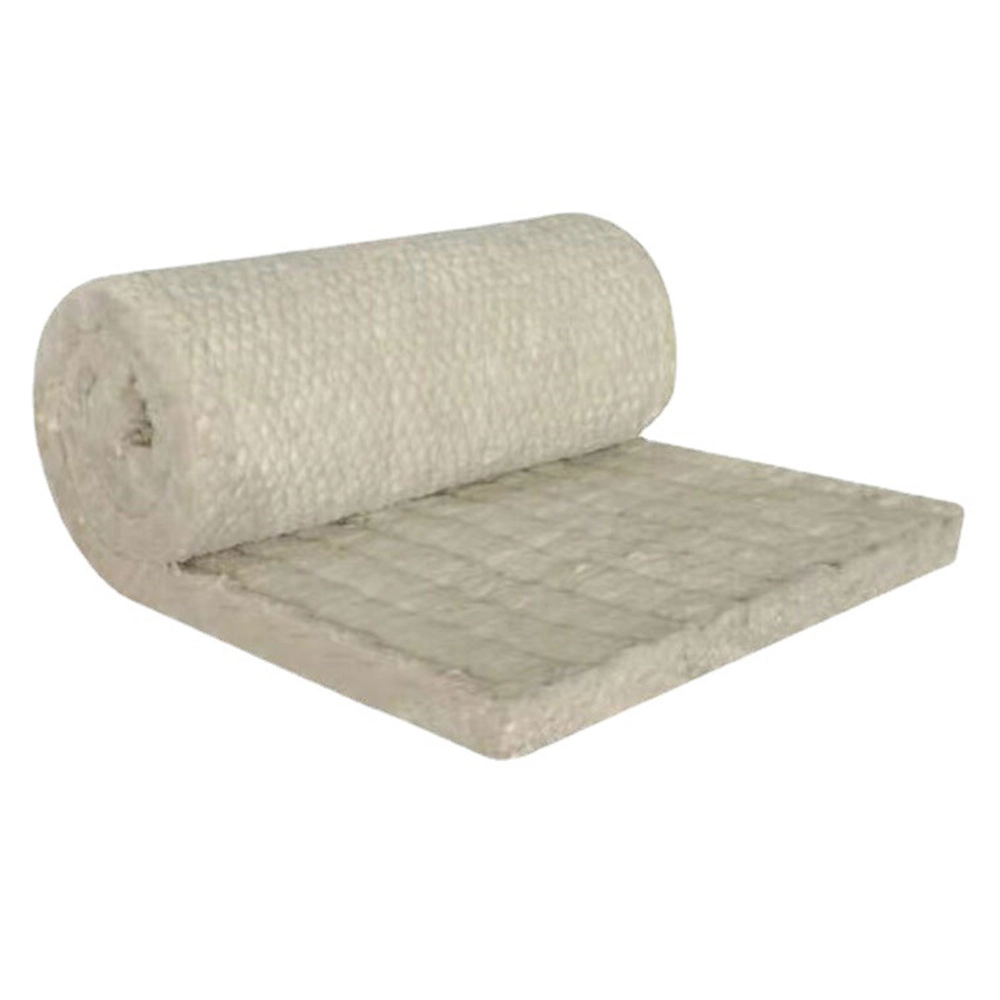
Wholesale Rock Wool Mineral Wool Board Panel Sheet

Wholesale Perfect Fire Resistant Performance High Strength Acoustic Mineral Wool Insulation Rock Wool Roll Panel Plain Slab

Rock wool, that is, a kind of exterior insulation material. When the market share of 90% of the organic thermal insulation materials in the stagnant wait-and-see, as a fire rating of A- class exterior insulation inorganic material rock wool has ushered in an unprecedented market opportunity.

Wholesale Perfect Fire Resistant Performance High Strength Acoustic Mineral Wool Insulation Rock Wool Roll Panel Plain Slab

Wholesale Perfect Fire Resistant Performance High Strength Acoustic Mineral Wool Insulation Rock Wool Board Panel Plain Slab

Rock wool board, that is, a kind of exterior insulation material. When the market share of 90% of the organic thermal insulation materials in the stagnant wait-and-see, as a fire rating of A-class exterior insulation inorganic material rock wool, has ushered in an unprecedented market opportunity.
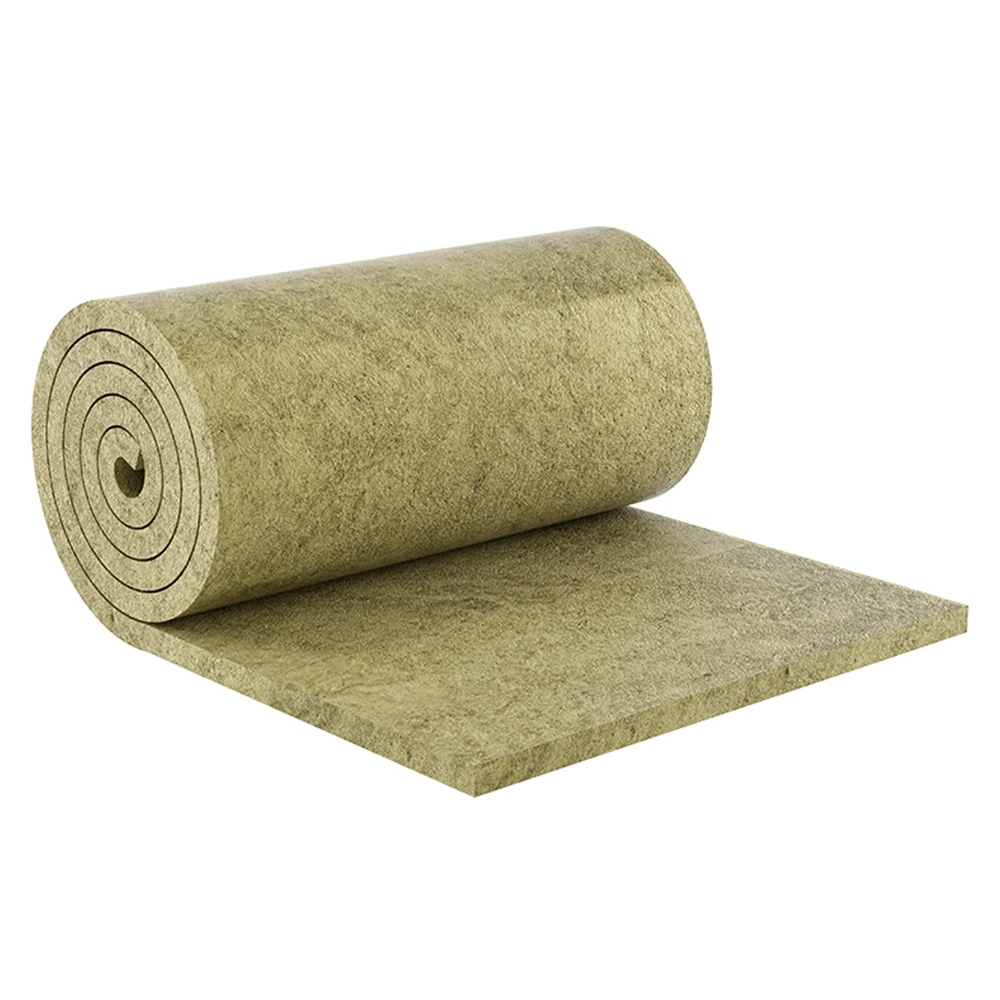
Wholesale Perfect Fire Resistant Performance High Strength Acoustic Mineral Wool Insulation Rock Wool Board Panel Plain Slab

Wholesale Rock Wool Mineral Wool Roll Blanket

Durable rock wool roll with outstanding fire resistance and insulation properties. Ideal for industrial and construction applications.

Wholesale Rock Wool Mineral Wool Roll Blanket
Thursday, 12/18/2025
How long does rubber foam insulation last?
Explore the properties, applications, and benefits of rubber foam insulation to make informed procurement decisions in the thermal insulation industry. Learn about its thermal conductivity, types, and advantages over traditional materials.
How long does rubber foam insulation last?
Wednesday, 12/17/2025
What affects rubber foam's thermal conductivity?
Explore the factors influencing rubber foam's thermal conductivity, its benefits, and how to select the right material for thermal insulation applications.
What affects rubber foam's thermal conductivity?
Tuesday, 12/16/2025
Is rubber foam suitable for HVAC duct insulation?
Explore the benefits, considerations, and applications of rubber foam insulation in HVAC ductwork, providing essential knowledge for professionals in the thermal insulation materials industry.
Is rubber foam suitable for HVAC duct insulation?
Monday, 12/15/2025
Why choose rubber foam over fiberglass insulation?
Explore the key differences between rubber foam and fiberglass insulation, including thermal performance, moisture resistance, cost, and installation considerations, to make informed decisions in thermal insulation procurement.
Why choose rubber foam over fiberglass insulation?

Leave a message

Have any questions or concerns about our products? Please leave us a message here and our team will get back to you promptly.

Your queries, ideas, and collaboration opportunities are just a click away. Let’s start a conversation.

Please enter your name not exceed 100 characters
The email format is not correct or exceed 100 characters, Please reenter!
Please enter a valid phone number!
Please enter your field_967 not exceed 150 characters
Please enter your content not exceed 3000 characters
Contact customer service

How can we help?

Hi,

If you are interested in our products / thermal insulation solutions or have any doubts, please be sure to let us know so that we can help you better.

Please enter your name not exceed 100 characters
The email format is not correct or exceed 100 characters, Please reenter!
Please enter a valid phone number!
Please enter your field_967 not exceed 150 characters
Please enter your content not exceed 3000 characters
×

Get a Free Quote

Hi,

If you are interested in our products / thermal insulation solutions or have any doubts, please be sure to let us know so that we can help you better.

Please enter your name not exceed 100 characters
The email format is not correct or exceed 100 characters, Please reenter!
Please enter a valid phone number!
Please enter your field_967 not exceed 150 characters
Please enter your content not exceed 3000 characters
×

Send my request

Hi,

If you are interested in our products / thermal insulation solutions or have any doubts, please be sure to let us know so that we can help you better.

Please enter your name not exceed 100 characters
The email format is not correct or exceed 100 characters, Please reenter!
Please enter a valid phone number!
Please enter your field_967 not exceed 150 characters
Please enter your content not exceed 3000 characters
×
English
English
Spanish
Spanish
Portuguese
Portuguese
Russian
Russian
French
French
Japanese
Japanese
German
German
Italian
Italian
Dutch
Dutch
Thai
Thai
Polish
Polish
Korean
Korean
Swedish
Swedish
Hungarian
Hungarian
Malay
Malay
Bengali
Bengali
Danish
Danish
Finnish
Finnish
Filipino
Filipino
Irish
Irish
Arabic
Arabic
Norwegian
Norwegian
Urdu
Urdu
Czech
Czech
Greek
Greek
Ukrainian
Ukrainian
Persian
Persian
Nepali
Nepali
Myanmar (Burmese)
Myanmar (Burmese)
Bulgarian
Bulgarian
Lao
Lao
Latin
Latin
Kazakh
Kazakh
Basque
Basque
Azerbaijani
Azerbaijani
Slovak
Slovak
Macedonian
Macedonian
Lithuanian
Lithuanian
Estonian
Estonian
Romanian
Romanian
Slovenian
Slovenian
Marathi
Marathi
Serbian
Serbian
Belarusian
Belarusian
Vietnamese
Vietnamese
Kyrgyz
Kyrgyz
Mongolian
Mongolian
Tajik
Tajik
Uzbek
Uzbek
Hawaiian
Hawaiian
Current language: