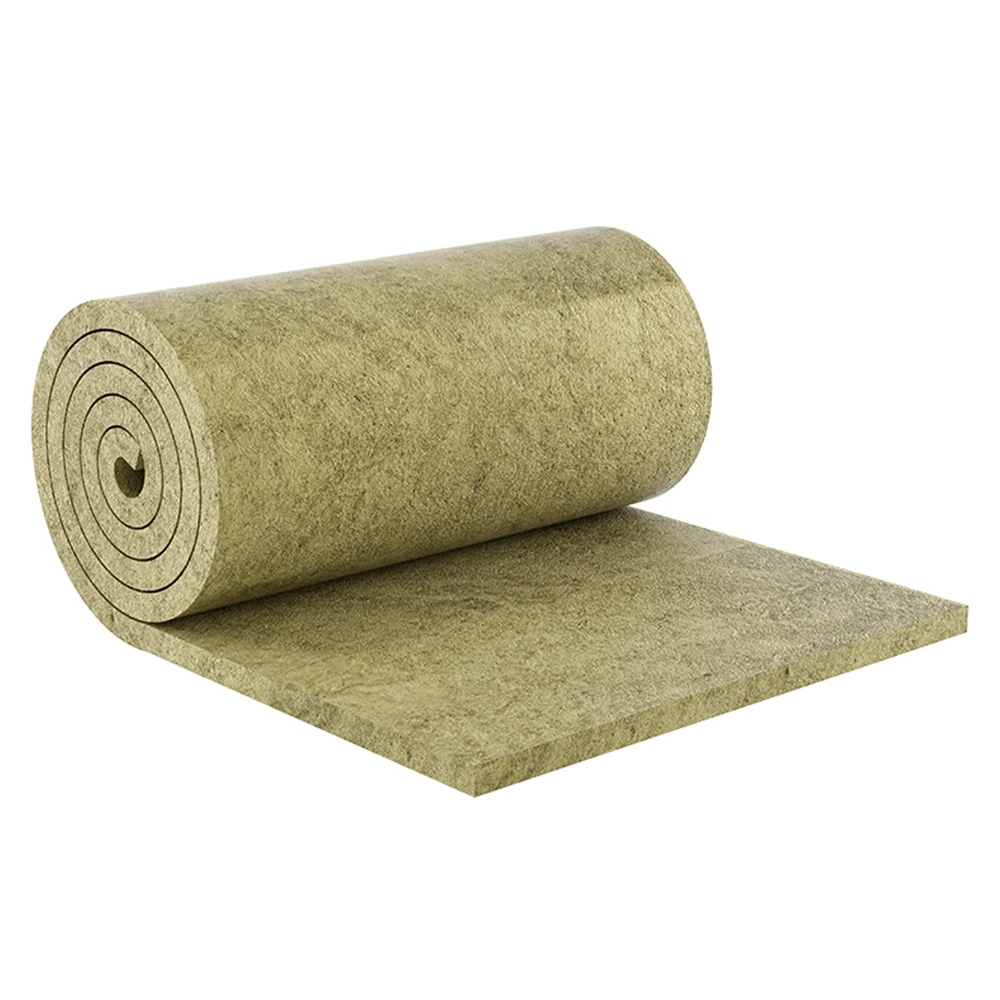














































Understanding Rock Wool Insulation Cost: Is It Worth the Investment?

Thursday, 12/26/2024

Rock wool insulation is a highly effective and eco-friendly solution for thermal and acoustic insulation in buildings. However, before making an investment in rock wool insulation, it’s essential to consider its cost, lifespan, and benefits compared to other insulation materials. This guide will help you understand the costs associated with rock wool insulation, its advantages, and whether it is the right choice for your building project.

What is Rock Wool Insulation?

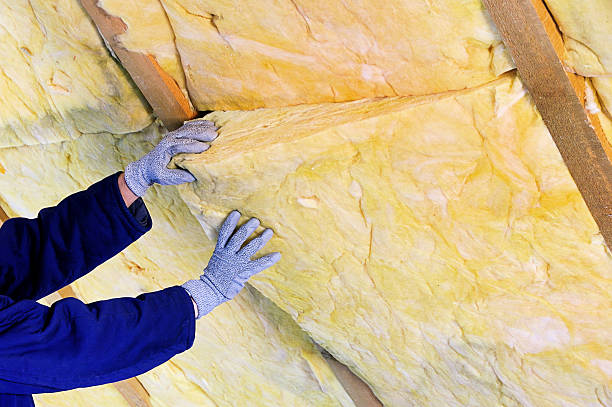
Hands installing yellow rock wool insulation.
 
Rock wool insulation is a type of insulation made from natural volcanic rocks and minerals that are melted and spun into fibers. It is commonly used in both residential and commercial buildings due to its superior thermal and fire resistance and soundproofing capabilities. Unlike traditional fiberglass insulation, rock wool has several distinct advantages that make it a popular choice for modern insulation projects.
 
The Manufacturing Process of Rock Wool
The rock wool manufacturing process begins by heating rocks like basalt or diabase to extremely high temperatures until they melt. The molten rock is then spun into fibers, which are collected and compressed into insulation batts or rolls. These fibers create small air pockets that provide excellent thermal and acoustic insulation.


How Much Does Rock Wool Insulation Cost?

When evaluating the cost of rock wool insulation, it’s important to factor in not only the material price but also installation costs and potential long-term savings on energy bills. Typically, rock wool insulation costs more upfront than fiberglass or foam alternatives, but its durability and performance can make it a worthwhile investment over time.


Factors Affecting the Cost of Rock Wool Insulation

Several factors influence the cost of rock wool insulation, including:
  • Thickness and R-Value: The thicker the insulation and the higher the R-value (thermal resistance), the more expensive the material will be.
  • Size of the Area: The larger the area to be insulated, the higher the overall cost, as more materials will be required.
  • Installation Costs: Professional installation may add to the cost, but it's often necessary for optimal performance.
  •  

Is Rock Wool Insulation Expensive?

While rock wool insulation can be more expensive than alternatives like fiberglass, its benefits in terms of energy savings, fire resistance, and soundproofing can make it a cost-effective option in the long run. Homeowners and builders often view rock wool as an investment in comfort and safety.


Is Rock Wool Insulation Worth It?

Considering the higher initial cost, it’s natural to wonder whether rock wool insulation is worth the investment. While the upfront price may be higher compared to other materials, rock wool insulation offers several long-term benefits that make it a worthwhile choice for certain applications.


Benefits of Rock Wool Insulation

  • Excellent Thermal Performance: Rock wool provides superior thermal insulation, which helps to reduce heating and cooling costs.
  • Fire Resistance: It is naturally fire-resistant, offering enhanced safety for homes and buildings.
  • Noise Reduction: Rock wool’s dense fiber structure absorbs sound, making it an ideal choice for soundproofing.
  • Eco-Friendly: Made from natural materials, rock wool is recyclable and environmentally friendly.
  •  

What Are the Disadvantages of Rock Wool?

Although rock wool insulation has numerous advantages, it also has some drawbacks. These potential downsides should be considered when deciding whether to use them for your project.
  • Higher Initial Cost: As mentioned, rock wool insulation can be more expensive than alternatives.
  • Installation Complexity: The material can be heavier and more challenging to install than lighter insulation types, possibly increasing labor costs.
  • Moisture Absorption: If not properly sealed, rock wool can absorb moisture, which can reduce its insulating properties and potentially cause mold growth.
  •  

What is the Lifespan of Rock Wool Insulation?
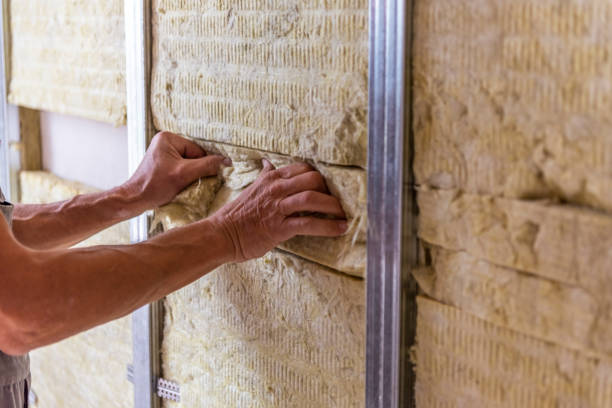
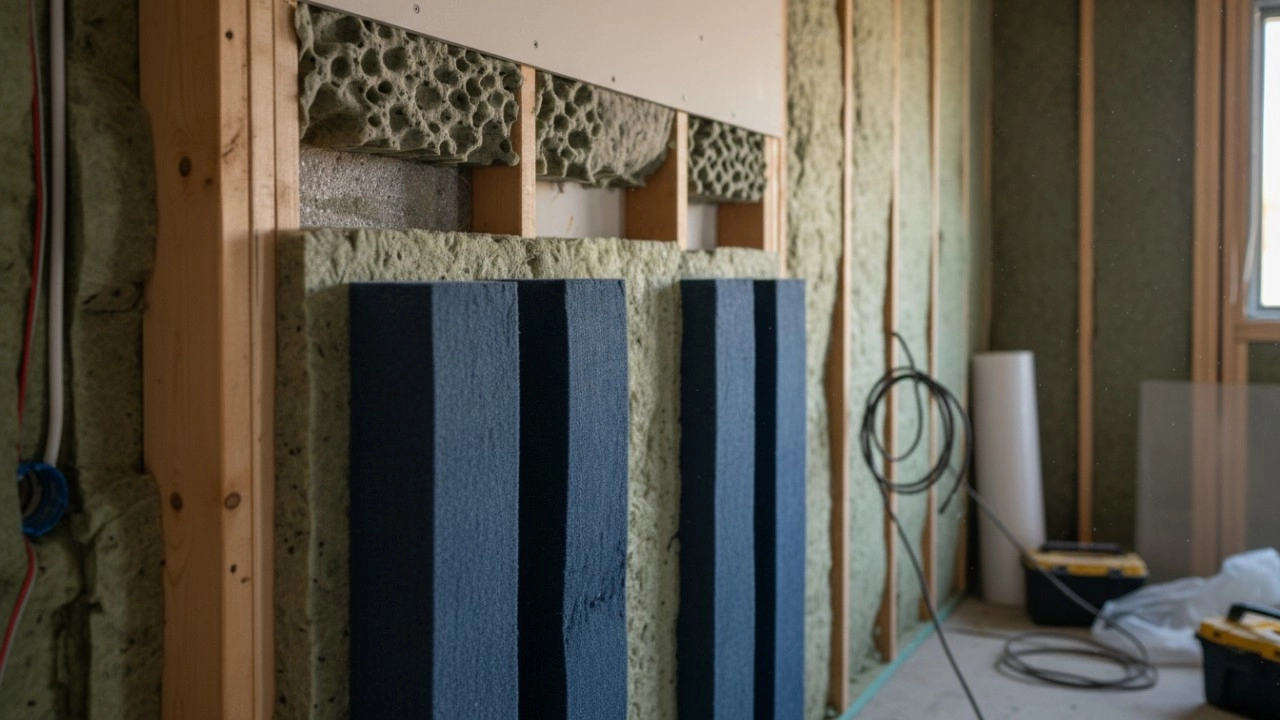
Hands installing rock wool board insulation in a wall.
 
Rock wool insulation is designed to last for decades. With proper installation and maintenance, it can maintain its insulating properties for up to 50 years or more. This longevity makes it a durable and cost-effective option for long-term insulation.
 
Maintaining Rock Wool Insulation
To extend the lifespan of rock wool insulation, ensure that it is properly installed and shielded from excessive moisture. Regular checks can help identify any issues, such as water damage or mold, which could reduce its effectiveness.


Can Mold Grow on Rock Wool Insulation?

While rock wool itself is resistant to mold and mildew due to its inorganic composition, mold can still grow if the material becomes wet. If rock wool insulation is exposed to excessive moisture without proper ventilation, it may become a breeding ground for mold growth, potentially compromising its performance.
 
Preventing Mold Growth
Proper installation is key to preventing moisture accumulation. Ensure that rock wool insulation is installed in areas that are dry and well-ventilated. Using a vapor barrier can protect the insulation from moisture exposure.


Does Rock Wool Insulation Sag Over Time?

Unlike some other types of insulation, rock wool is not prone to sagging. It maintains its shape and effectiveness for many years, as the dense fibers do not easily compress or degrade. This stability makes it a reliable choice for insulating walls, roofs, and floors.
 
Durability of Rock Wool Insulation
Due to its rigid structure and high-density fiber composition, rock wool insulation retains its form and performance even over extended periods. This durability contributes to its long-term value.


Conclusion

Rock wool insulation offers numerous advantages, including excellent thermal performance, fire resistance, soundproofing qualities, and eco-friendliness. Although it can be more expensive than alternatives like fiberglass, the long-term benefits often make it a worthwhile investment for both residential and commercial projects. Additionally, its durability and effectiveness in extreme conditions make it a reliable choice for building insulation.
 
If you're considering rock wool insulation for your next project, it's important to factor in both the upfront costs and the potential long-term savings. Proper installation and maintenance are crucial to maximizing its lifespan and ensuring optimal performance.


FAQs

Is Rockwool Insulation Expensive?
Rock wool insulation tends to be more expensive than fiberglass, but its added benefits, such as fire resistance and thermal efficiency, can justify the higher cost in many cases.
 
Is Rockwool Insulation Worth It?
Yes, rock wool insulation is worth the investment, especially for those who prioritize energy savings, fire safety, and noise reduction.
 
What Are the Disadvantages of Rockwool?
The main disadvantages of rock wool insulation include its higher cost, potential moisture absorption, and more challenging installation compared to other insulation types.
 
What is the Lifespan of Rockwool Insulation?
Rock wool insulation can last for up to 50 years or more with proper installation and maintenance, making it a long-lasting solution.
 
Can Mold Grow on Rockwool Insulation?
While rock wool is resistant to mold, it can still absorb moisture and support mold growth if exposed to excessive water. Proper installation and moisture control are key.
 
Does Rockwool Sag Over Time?
No, rock wool insulation is not prone to sagging. Its dense fiber structure ensures that it maintains its form and insulating properties over time.
Tags
sound deadening insulation car
automotive sound deadening material
rockwool fireproof insulation wholsale in Los Angeles
auto floor heat insulation
low cost sound deadening material
rockwool fireproof insulation wholsale in Chicago
Recommended for you
Chilled water pipe insulation with insulated support inserts and metal hangers in a commercial mechanical room - FUNAS

How Should Chilled Water Pipe Supports Be Insulated to Prevent Condensation?

How Should Chilled Water Pipe Supports Be Insulated to Prevent Condensation?
chilled-water-pipe-insulation-sweating-after-replacement - FUNAS

Why Is Chilled Water Pipe Insulation Still Sweating After Replacement?

Why Is Chilled Water Pipe Insulation Still Sweating After Replacement?
rubber-foam-insulation-installation-mistakes-cover - FUNAS

7 Rubber Foam Insulation Installation Mistakes That Cause Condensation

7 Rubber Foam Insulation Installation Mistakes That Cause Condensation
insulation-thickness-hot-humid-conditions-cover - FUNAS

How to Choose Insulation Thickness for Hot and Humid Conditions

How to Choose Insulation Thickness for Hot and Humid Conditions
Product Categories
FAQ
FAQ
How do I choose the right insulation material for my project?

The right material depends on the application area, working temperature, fire rating requirements, thickness, density, moisture resistance, and acoustic or thermal performance needs. You can share your project use, size requirements, and installation environment, and our team will recommend suitable options.

What information should I provide to get a quotation?

To prepare an accurate quotation, please provide the product type, size, thickness, density or specification, quantity, application, destination port or country, and any special requirements such as fire rating, facing material, adhesive backing, or packaging.

service
What is your usual production and delivery time?

Delivery time depends on the product type, order quantity, customization requirements, and shipping destination. Standard products are usually faster to arrange, while customized or large-volume orders may require longer production time.

Can you support OEM or private label orders?

Yes. We can support OEM and private label requirements such as customized packaging, labels, product specifications, and brand presentation for distributors, contractors, and project buyers.

You might also like

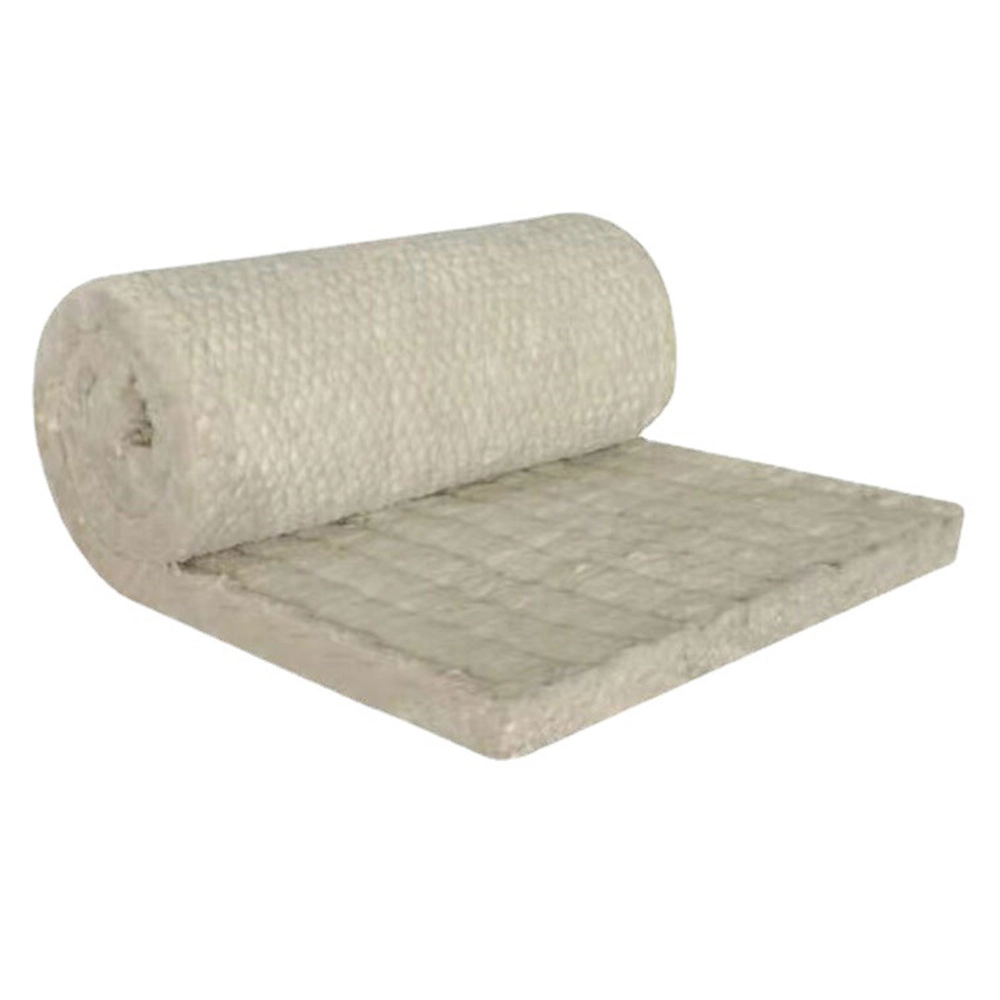
Rock wool blanket roll for thermal insulation - FUNAS

Rock Wool Blanket Roll for Thermal and Acoustic Insulation

FUNAS Rock Wool Blanket Roll is a flexible mineral wool insulation roll designed for thermal insulation, acoustic control and fire-resistant building applications. The roll form makes it suitable for roofs, walls, steel structures and large-area industrial insulation projects where easy cutting, handling and coverage are required. Density, thickness, length and width can be customized according to project requirements. It is suitable for contractors, distributors and B2B buyers looking for bulk mineral wool blanket roll supply. Specific fire rating, acoustic performance and technical data should be confirmed before quotation.

Rock Wool Blanket Roll for Thermal and Acoustic Insulation
Close-up of rock wool insulation board showing fiber texture and board thickness - FUNAS

Rock Wool Insulation Board for Thermal and Acoustic Insulation

FUNAS Rock Wool Insulation Board is a semi-rigid mineral wool slab designed for thermal insulation, acoustic control and fire-resistant building applications. The board form provides stable coverage for walls, roofs, partitions, equipment rooms, HVAC duct areas and industrial insulation projects where flat, easy-to-install panels are preferred. Available in multiple density options, the rock wool board helps support heat insulation and sound absorption for commercial and industrial buildings. Aluminum foil facing can be added upon request. It is suitable for contractors, distributors and project buyers looking for bulk mineral wool board supply. Specific fire rating and acoustic data should be confirmed before quotation.

Rock Wool Insulation Board for Thermal and Acoustic Insulation
Thursday, 12/18/2025
How long does rubber foam insulation last?
Explore the properties, applications, and benefits of rubber foam insulation to make informed procurement decisions in the thermal insulation industry. Learn about its thermal conductivity, types, and advantages over traditional materials.
How long does rubber foam insulation last?
Wednesday, 12/17/2025
What affects rubber foam's thermal conductivity?
Explore the factors influencing rubber foam's thermal conductivity, its benefits, and how to select the right material for thermal insulation applications.
What affects rubber foam's thermal conductivity?
Tuesday, 12/16/2025
Is rubber foam suitable for HVAC duct insulation?
Explore the benefits, considerations, and applications of rubber foam insulation in HVAC ductwork, providing essential knowledge for professionals in the thermal insulation materials industry.
Is rubber foam suitable for HVAC duct insulation?
Monday, 12/15/2025
What Is Rubber Foam Insulation and Where Is It Used?

Rubber foam insulation is widely used around chilled-water pipes, refrigerant lines, HVAC ducts and equipment surfaces, but the material name does not define a complete specification. This guide explains how closed-cell flexible elastomeric foam works, when tube or sheet formats are appropriate, where its limitations begin, and which product data project buyers should verify before approval or quotation.

What Is Rubber Foam Insulation and Where Is It Used?

Leave a message

Have any questions or concerns about our products? Please leave us a message here and our team will get back to you promptly.

Your queries, ideas, and collaboration opportunities are just a click away. Let’s start a conversation.

Name must not exceed 100 characters.
Your name
Invalid email format or length exceeds 100 characters. Please re-enter.
Your business email address
Please enter a valid phone number!
Your phone / WhatsApp number
Company Name must not exceed 150 characters.
Your company name
Content must not exceed 3000 characters.
Tell us the product, size, quantity, application or project details you need.
Contact customer service

How can we help?

Hi,

If you are interested in our products / thermal insulation solutions or have any doubts, please be sure to let us know so that we can help you better.

Name must not exceed 100 characters.
Your name
Invalid email format or length exceeds 100 characters. Please re-enter.
Your business email address
Please enter a valid phone number!
Your phone / WhatsApp number
Company Name must not exceed 150 characters.
Your company name
Content must not exceed 3000 characters.
Tell us the product, size, quantity, application or project details you need.
Ɨ

Get a Free Quote

Hi,

If you are interested in our products / thermal insulation solutions or have any doubts, please be sure to let us know so that we can help you better.

Name must not exceed 100 characters.
Your name
Invalid email format or length exceeds 100 characters. Please re-enter.
Your business email address
Please enter a valid phone number!
Your phone / WhatsApp number
Company Name must not exceed 150 characters.
Your company name
Content must not exceed 3000 characters.
Tell us the product, size, quantity, application or project details you need.
Ɨ

Send my request

Hi,

If you are interested in our products / thermal insulation solutions or have any doubts, please be sure to let us know so that we can help you better.

Name must not exceed 100 characters.
Your name
Invalid email format or length exceeds 100 characters. Please re-enter.
Your business email address
Please enter a valid phone number!
Your phone / WhatsApp number
Company Name must not exceed 150 characters.
Your company name
Content must not exceed 3000 characters.
Tell us the product, size, quantity, application or project details you need.
Ɨ
English
English
Spanish
Spanish
Portuguese
Portuguese
Russian
Russian
French
French
Japanese
Japanese
German
German
Italian
Italian
Dutch
Dutch
Thai
Thai
Polish
Polish
Korean
Korean
Swedish
Swedish
Hungarian
Hungarian
Malay
Malay
Bengali
Bengali
Danish
Danish
Finnish
Finnish
Filipino
Filipino
Irish
Irish
Arabic
Arabic
Norwegian
Norwegian
Urdu
Urdu
Czech
Czech
Greek
Greek
Ukrainian
Ukrainian
Persian
Persian
Nepali
Nepali
Myanmar (Burmese)
Myanmar (Burmese)
Bulgarian
Bulgarian
Lao
Lao
Latin
Latin
Kazakh
Kazakh
Basque
Basque
Azerbaijani
Azerbaijani
Slovak
Slovak
Macedonian
Macedonian
Lithuanian
Lithuanian
Estonian
Estonian
Romanian
Romanian
Slovenian
Slovenian
Marathi
Marathi
Serbian
Serbian
Belarusian
Belarusian
Vietnamese
Vietnamese
Kyrgyz
Kyrgyz
Mongolian
Mongolian
Tajik
Tajik
Uzbek
Uzbek
Hawaiian
Hawaiian
Current language: