


















































What are the top performance metrics for Foam Rubber Sheet in 2026?
Explore essential performance metrics for foam rubber sheets in 2026, including thermal conductivity, durability, fire resistance, and environmental impact. Learn how these factors influence material selection in thermal insulation applications.
Understanding Foam Rubber Sheets: Key Performance Metrics and Industry Insights for 2026
As industries continue to prioritize energy efficiency and sustainability, foam rubber sheets have become a critical component in thermal insulation applications. These materials offer a combination of lightweight properties, flexibility, and effective thermal resistance, making them ideal for various sectors, including construction, automotive, and HVAC systems.
What Are Foam Rubber Sheets?
Foam rubber sheets are flexible, lightweight materials composed of a cellular structure that provides excellent thermal and acoustic insulation. They are commonly made from elastomeric materials such as nitrile butadiene rubber (NBR), ethylene propylene diene monomer (EPDM), or chloroprene rubber. These materials are engineered to offer superior performance in insulation applications, contributing to energy conservation and comfort.
Key Performance Metrics for Foam Rubber Sheets in 2026
When selecting foam rubber sheets for thermal insulation, consider the following performance metrics:
1. Thermal Conductivity
Thermal conductivity measures a material's ability to conduct heat. Lower thermal conductivity values indicate better insulating properties. In 2026, advancements in foam technology are expected to achieve thermal conductivity values near 0.07 W/m·K, significantly enhancing energy efficiency in building applications.
2. Durability and Longevity
The lifespan of foam rubber sheets is influenced by factors such as material composition, environmental conditions, and exposure to chemicals. High-quality foams are designed to withstand aging, UV degradation, and mechanical stress, ensuring long-term performance. For instance, EPDM-based foams are known for their excellent resistance to ozone and UV radiation, making them suitable for outdoor applications.
3. Fire Resistance
Fire resistance is a critical safety consideration in insulation materials. Foam rubber sheets are often treated with flame retardants to meet building codes and safety standards. However, the use of halogenated flame retardants is under scrutiny due to environmental and health concerns. The industry is moving towards halogen-free alternatives to enhance safety and sustainability.
4. Environmental Impact and Sustainability
Sustainability is increasingly important in material selection. Manufacturers are developing foam rubber sheets with recycled content and exploring bio-based materials to reduce environmental footprints. Additionally, innovations in foam recycling processes are enabling the reuse of foam materials, contributing to a circular economy.
5. Acoustic Insulation Properties
Beyond thermal insulation, foam rubber sheets also provide acoustic insulation, reducing noise transmission. This property is particularly beneficial in applications such as HVAC systems, where noise reduction is essential for occupant comfort. The demand for acoustic insulation is expected to grow as awareness of noise pollution increases.
6. Compliance with Industry Standards
Ensuring that foam rubber sheets comply with relevant industry standards and building codes is essential for safety and performance. Standards may include specifications for thermal conductivity, fire resistance, and environmental impact. Staying informed about evolving regulations helps in selecting materials that meet current requirements.
Conclusion
In 2026, selecting foam rubber sheets for thermal insulation applications requires a comprehensive understanding of performance metrics such as thermal conductivity, durability, fire resistance, environmental impact, and acoustic properties. By considering these factors, industries can make informed decisions that enhance energy efficiency, safety, and sustainability in their projects.
About FUNAS
FUNAS is a leading manufacturer specializing in high-quality foam rubber sheets designed to meet the evolving needs of the thermal insulation industry. With a commitment to innovation and sustainability, FUNAS offers products that deliver superior performance, durability, and environmental responsibility. Our extensive product range and customer-centric approach make us a trusted partner for businesses seeking reliable insulation solutions.

Does sound insulation foam Actually Work in 2026? Ultimate guide About Blocking vs. Absorbing Noise
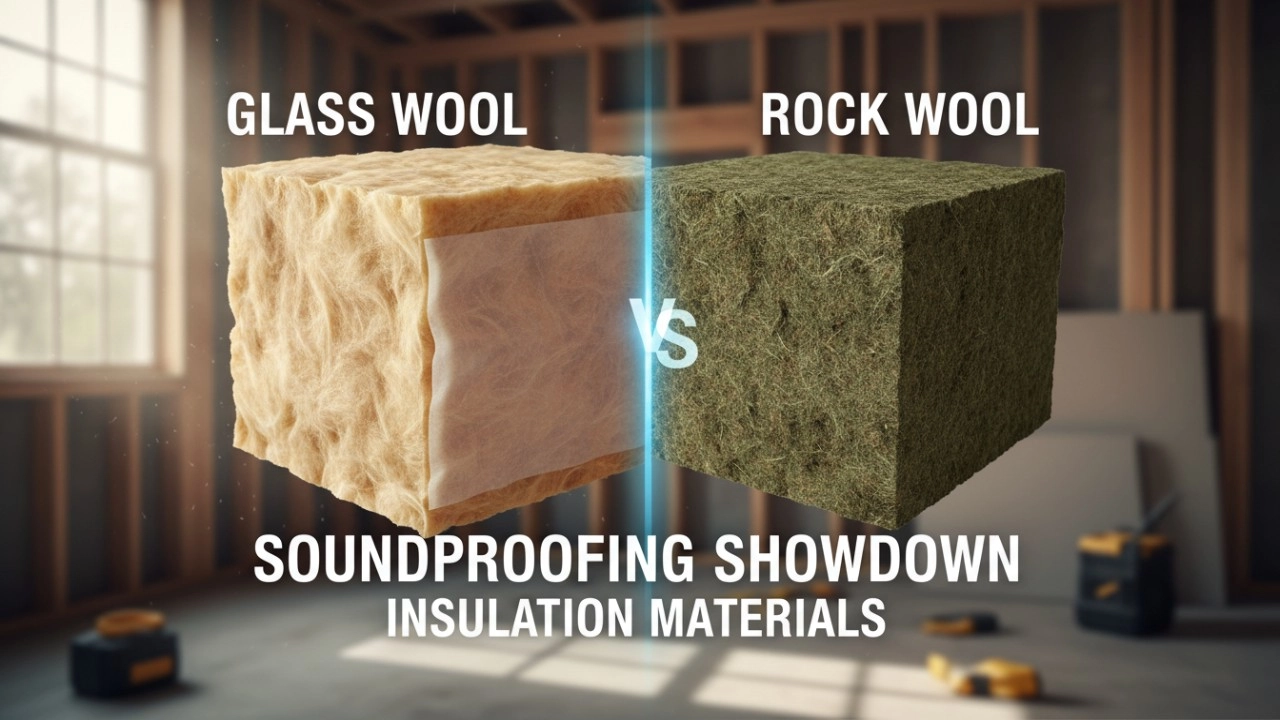
Fiberglass vs. Rockwool: Which Soundproofing Insulation Material Wins for Acoustic Control?
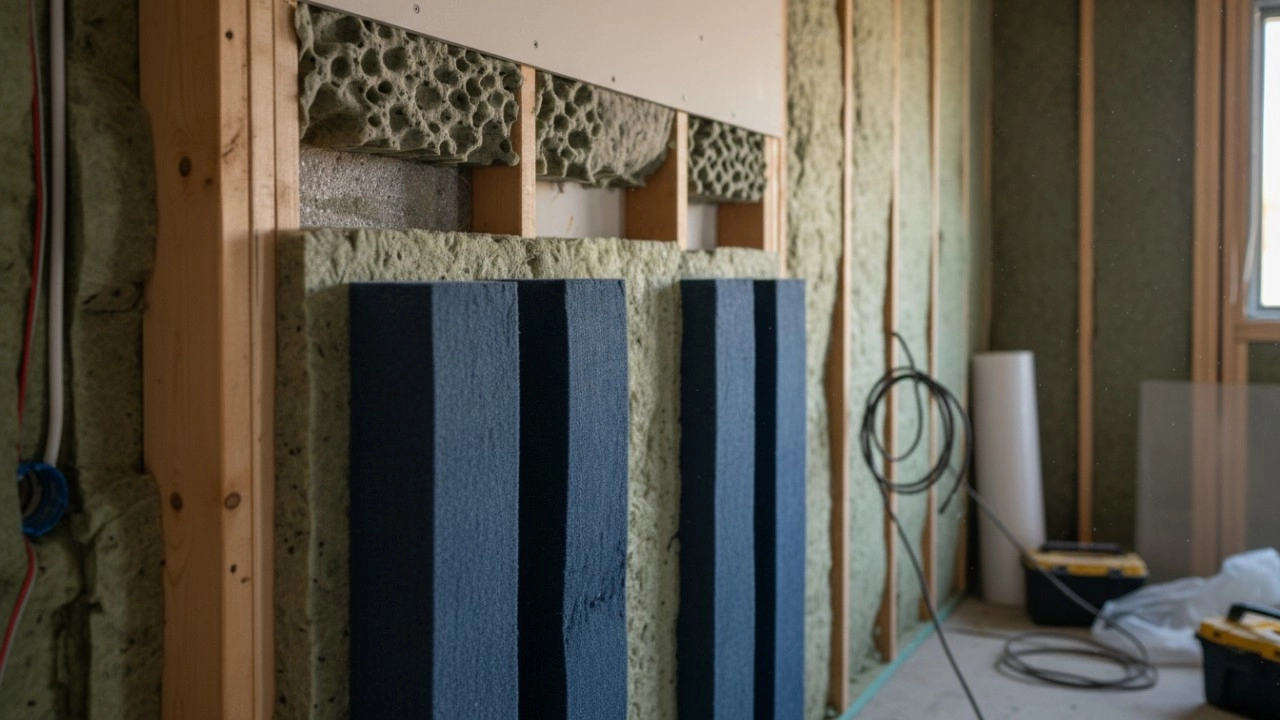
Sound Insulation Foam vs. Acoustic Panels: Which One Actually Stops Noise? (2026 Guide)
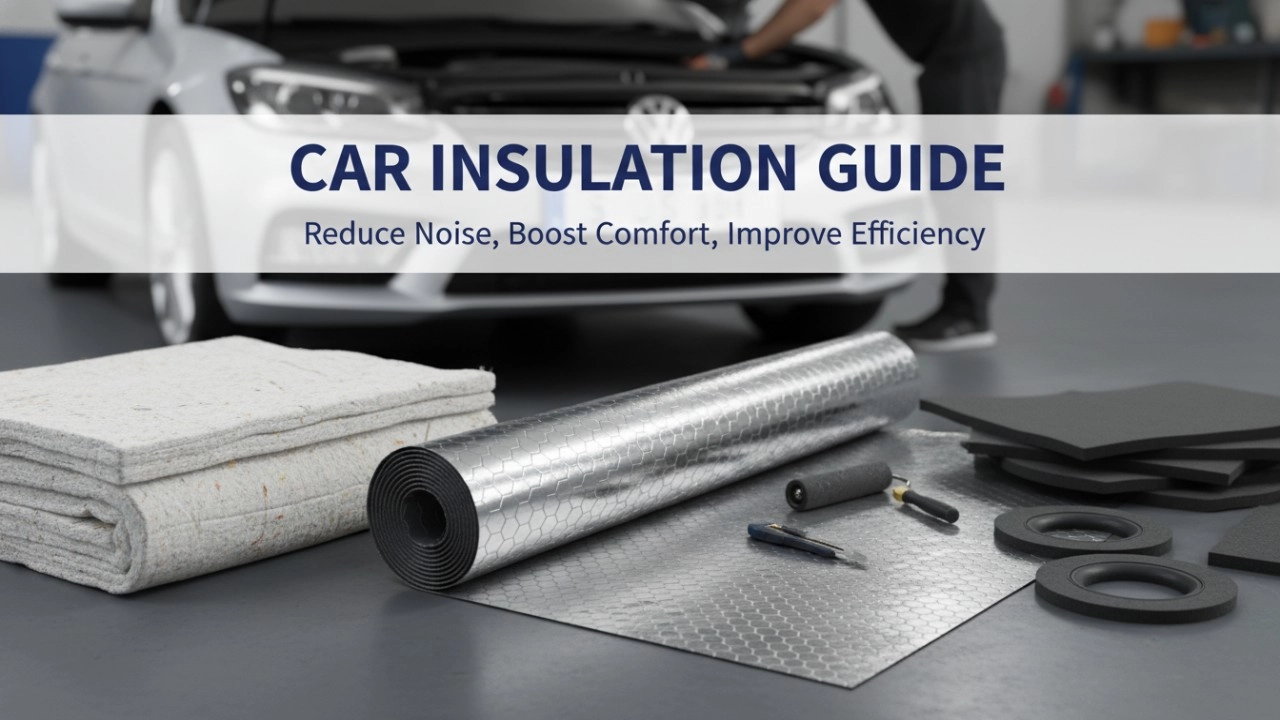
7 Dangerous Mistakes to Avoid When Selecting insulating materials for Your Car (2026 Guide)
service
Can I request custom dimensions or properties for my insulation needs?
Yes, we specialize in custom solutions. Whether you need specific dimensions, thicknesses, densities, or additional coatings, we can work with you to manufacture insulation products tailored to your exact requirements of good materials for heat insulation.
How does your technical support work?
Our technical support team is available to guide you through every stage of your project—from product selection and design to installation. We provide expert consultation to ensure that you get the best insulation solution for your needs and can assist with troubleshooting if needed.
What is your shipping and delivery process like?
We offer reliable logistics services for insulation material wholesale, both domestically and internationally. Our team ensures secure packaging, timely shipping, and real-time tracking so that your order reaches you in perfect condition and on schedule.
FAQ
What types of rubber foam insulation do you offer?
We offer a wide range of rubber foam insulation with different thicknesses and specifications. Thermal insulation material manufacturer FUNAS sleeves and sheets are suitable for different application scenarios.
You might also like
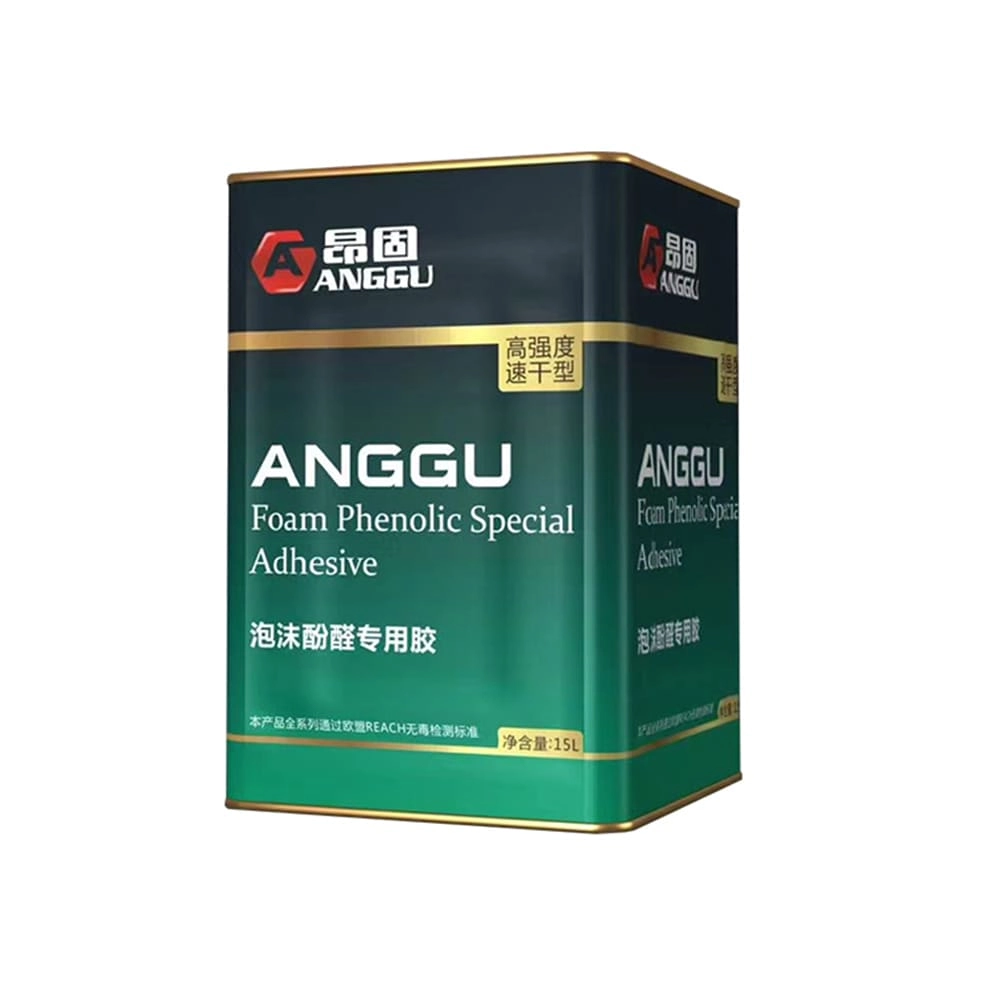
Foam Phenolic Adhesive
This product has passed the national GB33372-2020 standard and GB18583-2008 standard. (The product is a yellow liquid.)
Anggu foam phenolic glue is a kind of glue with corrosion resistance, low odor, high strength and excellent brushing property. Can be sprayed for construction with fast surface drying speed, long bonding time, no chalking and convenient operation.
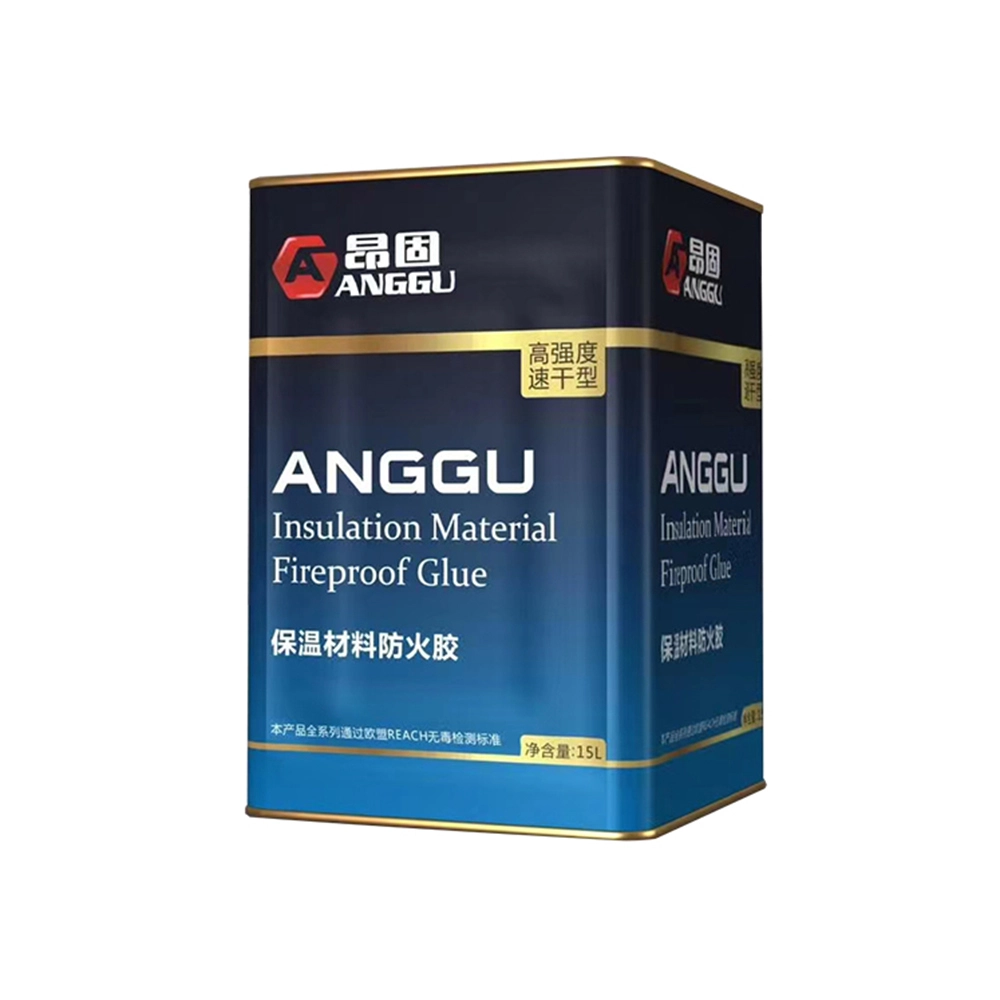
Thermal insulation material fireproof adhesive
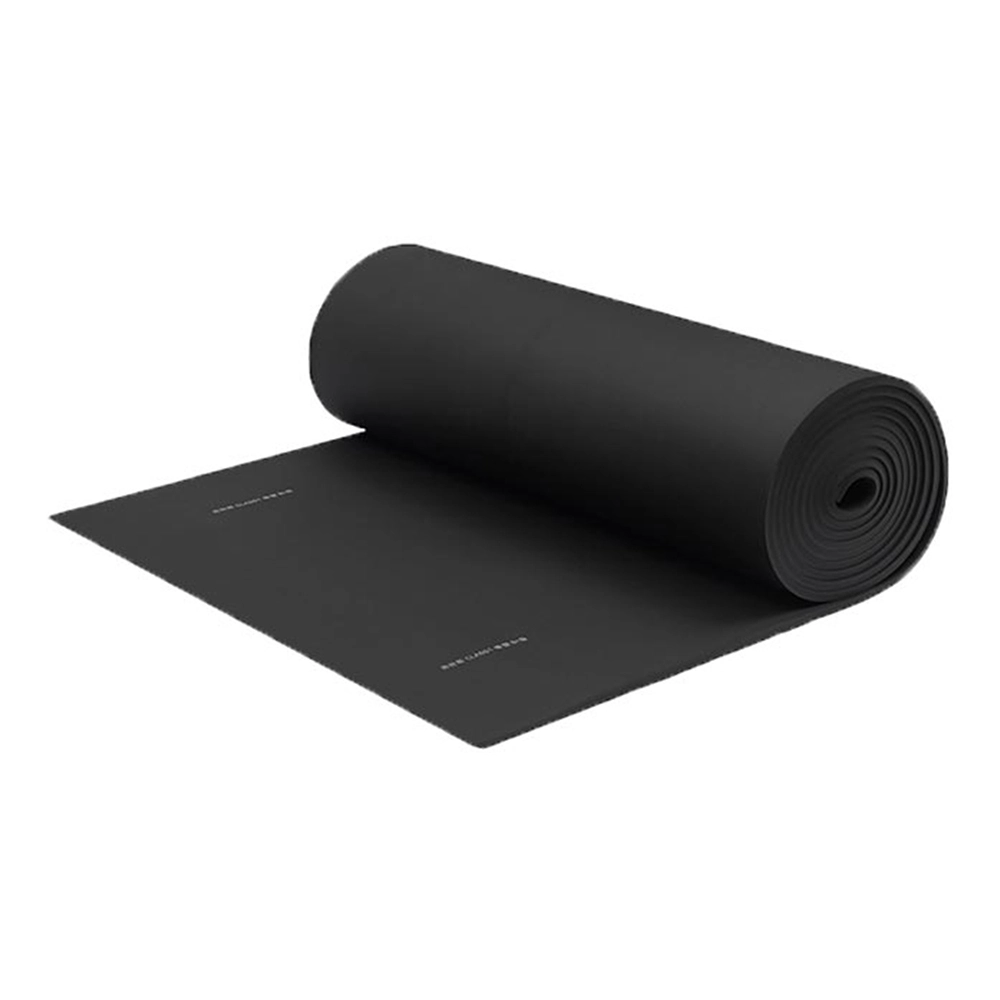
wholesale black nitrile rubber foam sheet rubber NBR foam sheet rubber foam insulation sheet for hvac system
NBR and PVC are the main raw materials, which are softthermal insulation and energy-saving materials foamedthrough special processes.
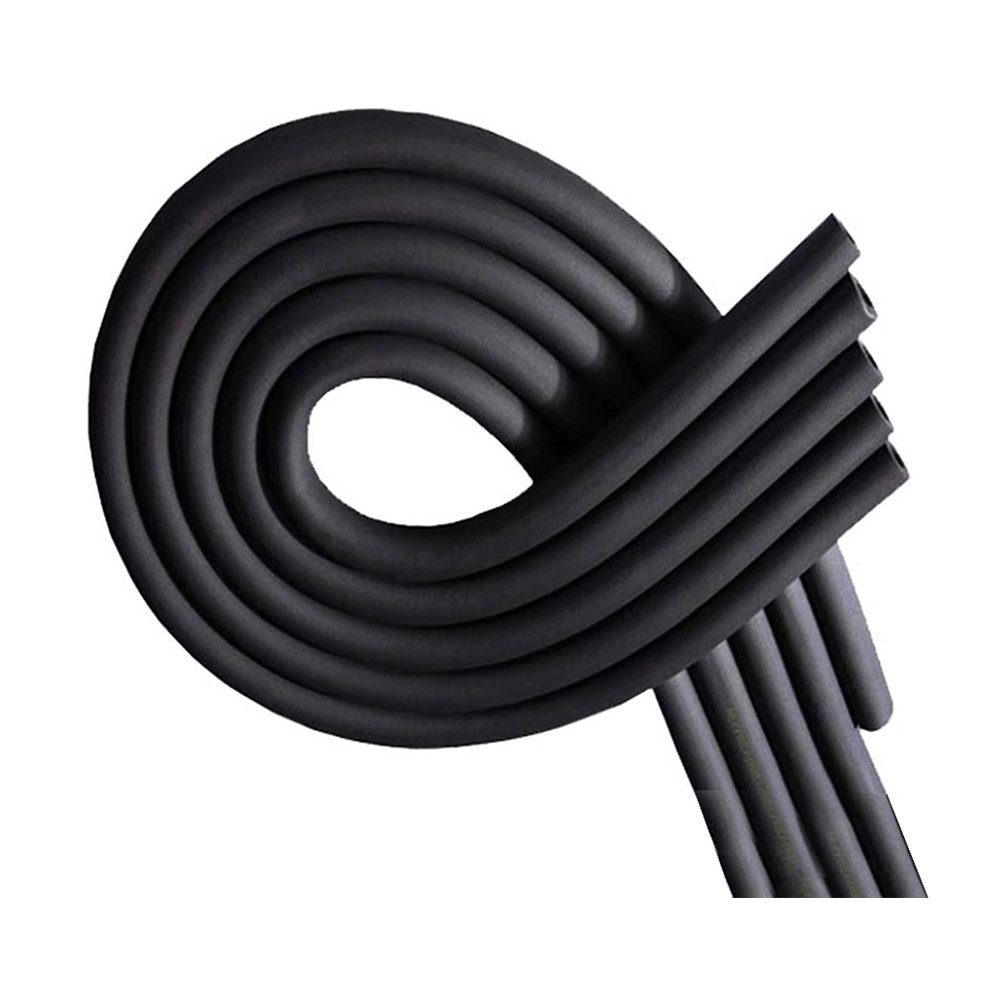
Wholesale Black nitrile rubber foam pipe rubber NBR foam tube rubber foam insulation tube for hvac system
Leave a message
Have any questions or concerns about our products? Please leave us a message here and our team will get back to you promptly.
Your queries, ideas, and collaboration opportunities are just a click away. Let’s start a conversation.
