


















































Can Foam Rubber Sheet meet new energy codes in 2026?
Explore the essential aspects of foam rubber sheets, including their thermal conductivity, fire resistance, environmental impact, and compliance with 2026 energy codes, to make informed decisions in thermal insulation material selection.
- Understanding Foam Rubber Sheets: Key Considerations for 2026
- 1. What are the thermal conductivity properties of foam rubber sheets?
- 2. How do foam rubber sheets perform in terms of fire resistance?
- 3. What environmental considerations are associated with foam rubber sheets?
- 4. How does the density of foam rubber sheets affect their performance?
- 5. Are closed-cell foam rubber sheets superior in 2026?
- 6. How do foam rubber sheets contribute to sustainability in 2026?
- 7. Can foam rubber sheets meet new energy codes in 2026?
- 8. What are the advantages of using foam rubber sheets for thermal insulation?
- Conclusion: The Advantages of Foam Rubber Sheets
Foam rubber sheets are integral to thermal insulation, offering a combination of efficiency, flexibility, and durability. As we approach 2026, understanding their properties and compliance with emerging energy codes is crucial for selecting the appropriate insulation materials.
Understanding Foam Rubber Sheets: Key Considerations for 2026
1. What are the thermal conductivity properties of foam rubber sheets?
Foam rubber sheets, particularly those with a closed-cell structure, exhibit low thermal conductivity, typically ranging from 0.025 to 0.035 W/m·K. This low value indicates their effectiveness in minimizing heat transfer, thereby enhancing energy efficiency in buildings.
2. How do foam rubber sheets perform in terms of fire resistance?
Fire resistance is a critical factor in selecting insulation materials. Rubber foam insulation materials are classified based on their fire performance. In China, the GB 8624 standard classifies building materials' burning behavior into four main categories:
A (Non-combustible)
B1 (Difficult to burn)
B2 (Combustible)
B3 (Flammable)
High-quality rubber foam insulation typically achieves a B1 classification, indicating it is difficult to burn. This classification is determined through tests such as the oxygen index and vertical burning tests. Materials with higher oxygen index values (typically ≥32 for B1 classification) offer better flame resistance. ((https://www.funasinsulations.com/guides/foam-rubber-sheets-thermal-insulation-2026.html))
3. What environmental considerations are associated with foam rubber sheets?
Environmental impact is an important consideration in material selection. The global elastomeric foam insulation market is projected to grow at a CAGR of 6.5% through 2028, driven by stringent energy efficiency regulations and sustainability trends. Manufacturers are focusing on low-GWP (Global Warming Potential) blowing agents and recyclable formulations to meet these demands. ((https://www.funasinsulations.com/guides/foam-rubber-sheets-thermal-insulation-2026.html))
4. How does the density of foam rubber sheets affect their performance?
Density is a critical factor influencing the performance of foam rubber sheets. Industrial-grade insulation materials maintain a compressive strength of ≥20 psi at 10% deflection (ASTM D1621). High-density variants (≥45 kg/m³) withstand up to 45 psi, which is crucial for applications with potential foot traffic or equipment loads. ((https://www.funasinsulations.com/guides/foam-rubber-sheets-thermal-insulation-2026.html))
5. Are closed-cell foam rubber sheets superior in 2026?
Closed-cell foam rubber sheets offer enhanced thermal insulation properties due to their structure, which reduces heat transfer. They also provide better moisture resistance, making them suitable for applications in humid environments. Additionally, their closed-cell nature contributes to improved soundproofing qualities.
6. How do foam rubber sheets contribute to sustainability in 2026?
Foam rubber sheets contribute to sustainability by improving energy efficiency in buildings, thereby reducing overall energy consumption. Manufacturers are increasingly adopting low-GWP blowing agents and recyclable formulations to minimize environmental impact. ((https://www.funasinsulations.com/guides/foam-rubber-sheets-thermal-insulation-2026.html))
7. Can foam rubber sheets meet new energy codes in 2026?
Foam rubber sheets can meet new energy codes in 2026, provided they are selected based on their thermal conductivity, fire resistance, and environmental impact. Ensuring compliance with these codes requires choosing materials that align with the latest standards and regulations. ((https://www.funasinsulations.com/guides/foam-rubber-sheets-thermal-insulation-2026.html))
8. What are the advantages of using foam rubber sheets for thermal insulation?
Foam rubber sheets offer a combination of thermal efficiency, moisture resistance, mechanical strength, fire safety, and environmental sustainability, making them a preferred choice for thermal insulation in 2026. ((https://www.funasinsulations.com/guides/foam-rubber-sheets-thermal-insulation-2026.html))
Conclusion: The Advantages of Foam Rubber Sheets
Foam rubber sheets provide a comprehensive solution for thermal insulation needs, combining low thermal conductivity, fire resistance, environmental sustainability, and compliance with evolving energy codes. When selecting foam rubber sheets, consider factors such as thermal conductivity, moisture resistance, mechanical properties, fire resistance, environmental impact, and density to ensure optimal performance for your specific application.
For high-quality foam rubber sheets that meet these criteria, consider products from reputable manufacturers like FUNAS, known for their commitment to excellence in thermal insulation solutions.
By understanding these key aspects, you can make informed decisions that enhance the efficiency and safety of your thermal insulation projects.
Data sources:
Future Foams' Rigid Polyurethane Foam 35kg thermal conductivity: ((https://www.funasinsulations.com/guides/foam-rubber-sheets-thermal-insulation-2026.html))
Rubber foam insulation fire classification: ((https://www.funasinsulations.com/guides/foam-rubber-sheets-thermal-insulation-2026.html))
Elastomeric foam insulation market growth: ((https://www.funasinsulations.com/guides/foam-rubber-sheets-thermal-insulation-2026.html))
Industrial-grade insulation compressive strength: ((https://www.funasinsulations.com/guides/foam-rubber-sheets-thermal-insulation-2026.html))
FUNAS thermal insulation solutions: ((https://www.funasinsulations.com/guides/foam-rubber-sheets-thermal-insulation-2026.html))
Published on November 26, 2025.

Does sound insulation foam Actually Work in 2026? Ultimate guide About Blocking vs. Absorbing Noise
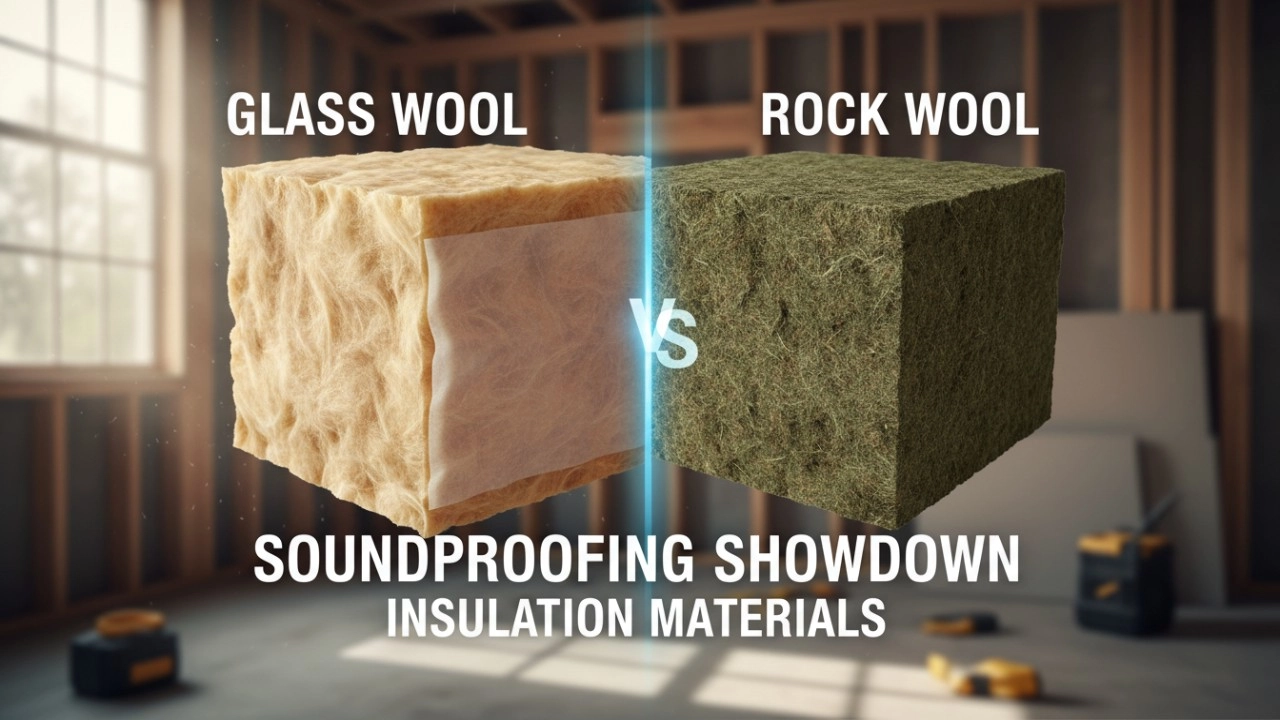
Fiberglass vs. Rockwool: Which Soundproofing Insulation Material Wins for Acoustic Control?
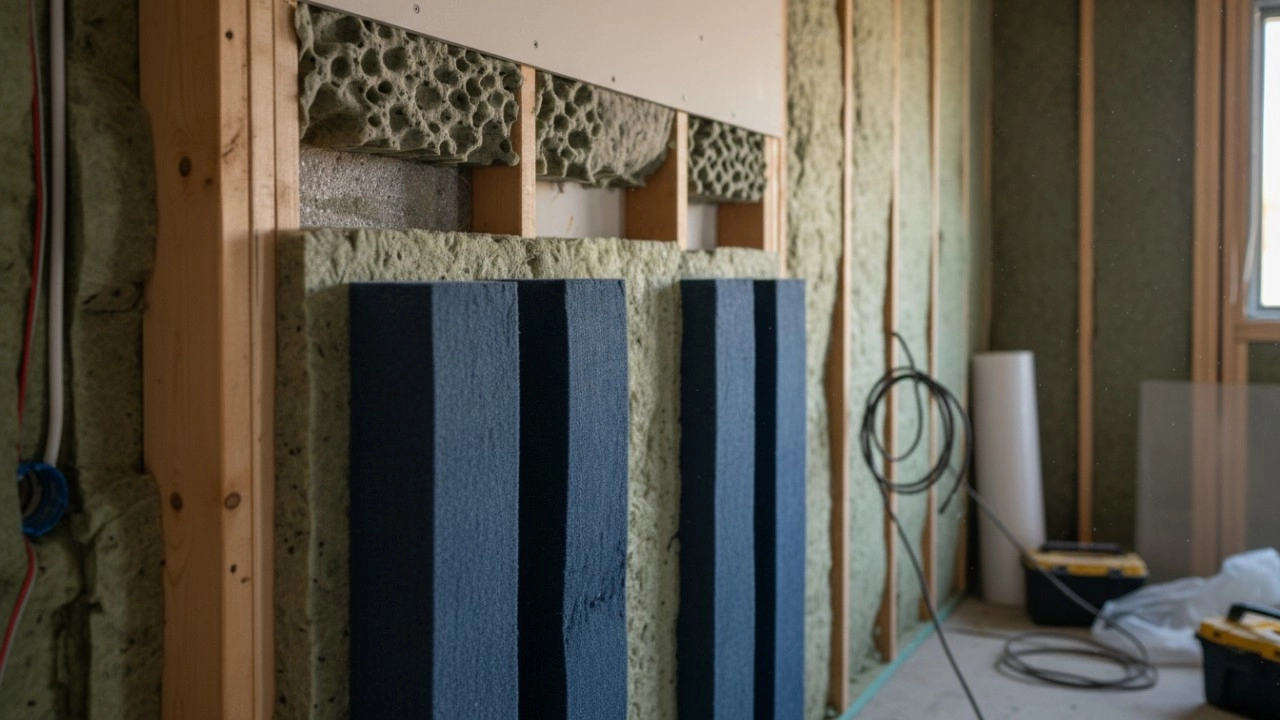
Sound Insulation Foam vs. Acoustic Panels: Which One Actually Stops Noise? (2026 Guide)
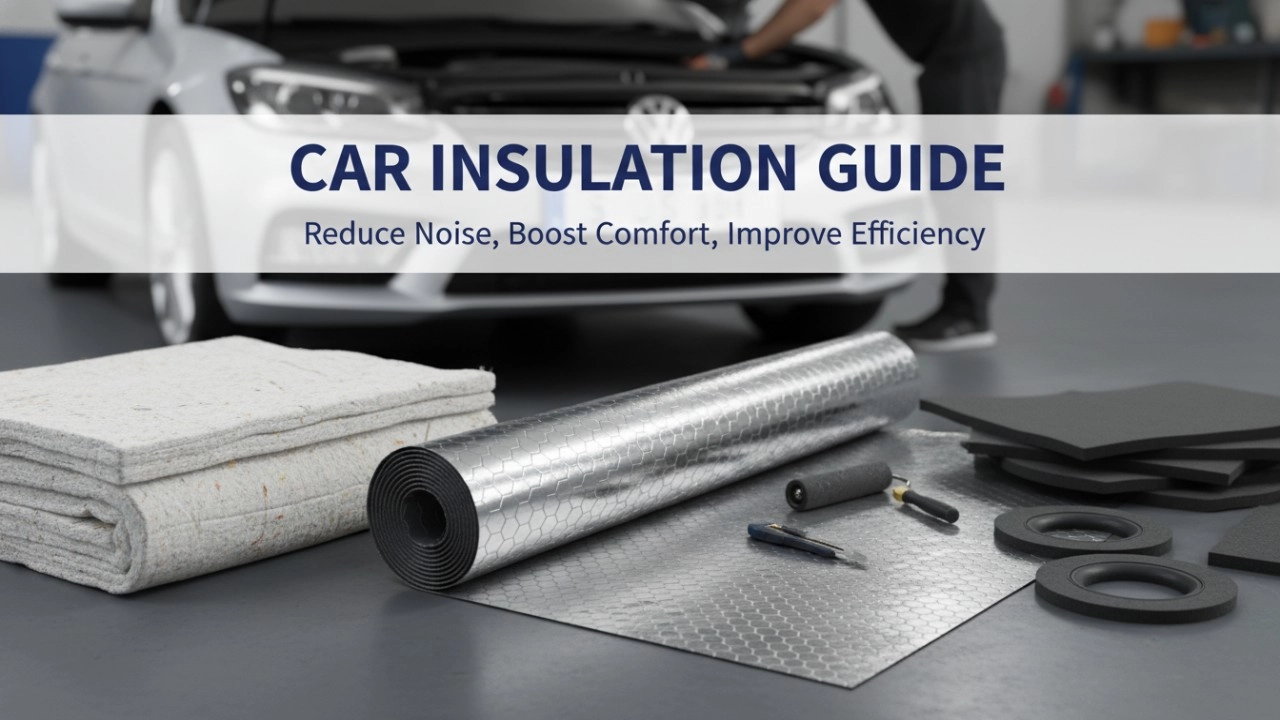
7 Dangerous Mistakes to Avoid When Selecting insulating materials for Your Car (2026 Guide)
FAQ
What is the typical delivery time for custom orders?
Our daily production capacity is 800 cubic meters. Delivery time varies depending on the complexity of the insulation material wholesale order, but we can deliver large quantities of customized products within 4-6 weeks after the approval date, and small quantities can be delivered within 15 days.
How to start a consultation?
You can contact us through our website, phone, or email. We will arrange a professional staff to discuss your needs about best thermal insulator and how we can help you.
How do I choose the right insulation for my project?
Our team can help you choose the best material for heat insulation based on your specific needs, such as thermal resistance, acoustic properties, and environmental conditions.
service
Can I request custom dimensions or properties for my insulation needs?
Yes, we specialize in custom solutions. Whether you need specific dimensions, thicknesses, densities, or additional coatings, we can work with you to manufacture insulation products tailored to your exact requirements of good materials for heat insulation.
You might also like

Wholesale Rock Wool Mineral Wool Board Panel Sheet
High-performance rock wool board for superior thermal and acoustic insulation. A reliable choice for building projects.
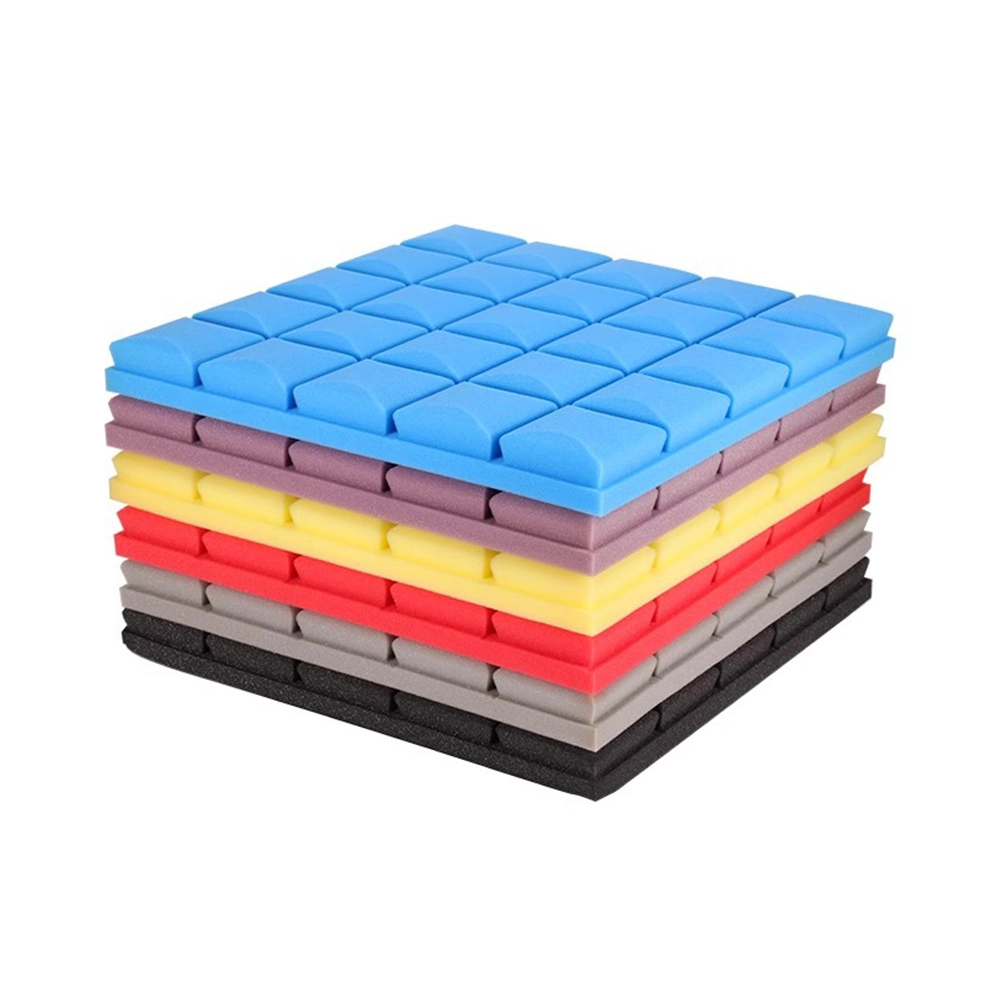
Wholesale High-Density Acoustic Foam Sound-absorbing Sponge Soundproof Cotton
Enhance sound clarity and reduce noise with FUNAS Wholesale High-Density Acoustic Foam Sound-absorbing Sponge. Polyurethane sponge is a low density PU with foam density less than 18 kg/m3. This premium soundproof cotton delivers superior sound absorption, perfect for studios, offices, and home theaters. Optimize your acoustic environment now!
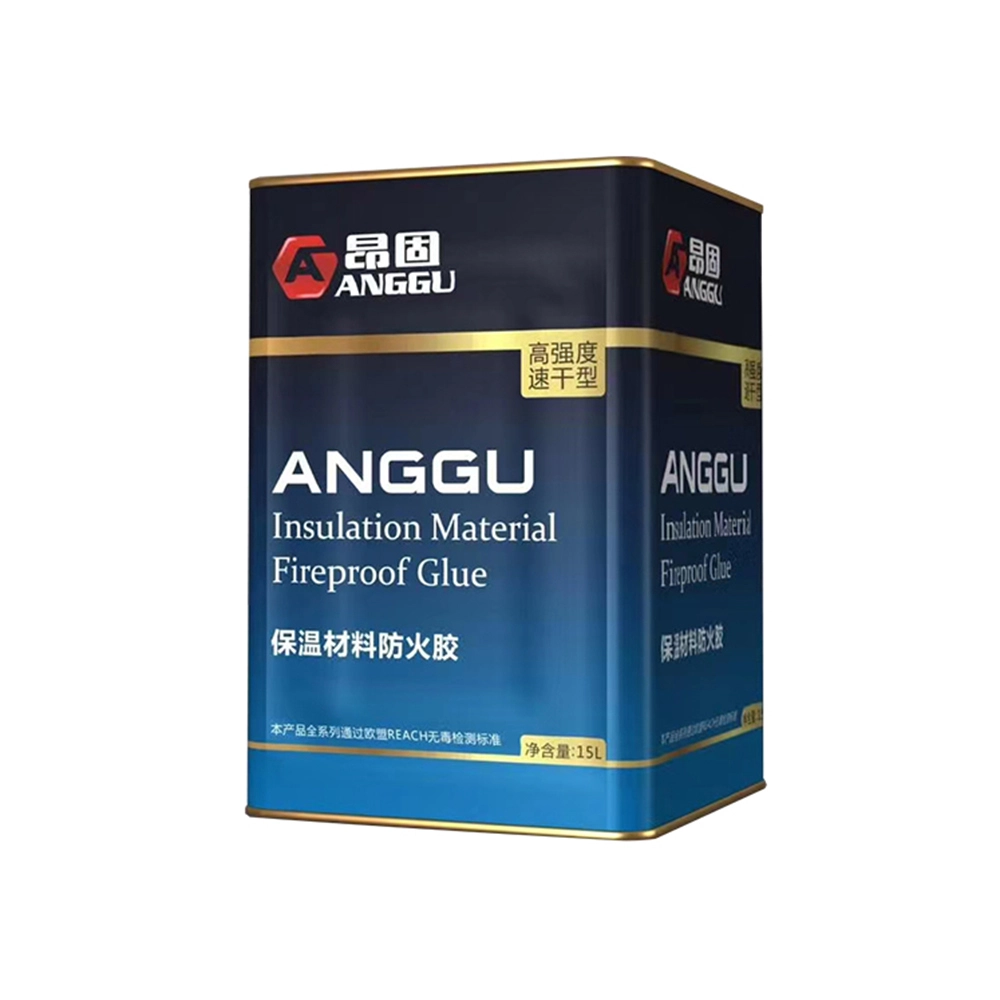
Thermal insulation material fireproof adhesive
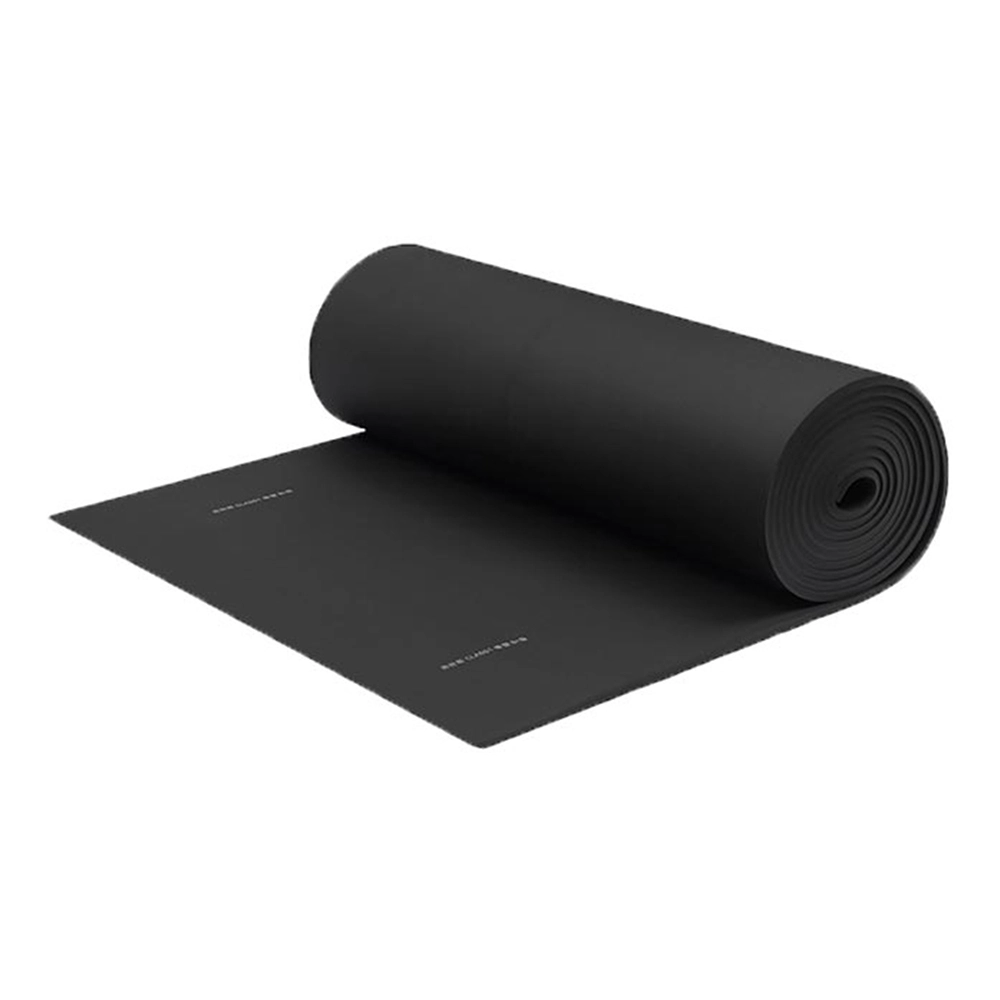
wholesale black nitrile rubber foam sheet rubber NBR foam sheet rubber foam insulation sheet for hvac system
NBR and PVC are the main raw materials, which are softthermal insulation and energy-saving materials foamedthrough special processes.
Leave a message
Have any questions or concerns about our products? Please leave us a message here and our team will get back to you promptly.
Your queries, ideas, and collaboration opportunities are just a click away. Let’s start a conversation.
