


















































How does Foam Rubber Sheet compare to other insulation in 2026?
Explore the properties, advantages, and considerations of foam rubber sheets as thermal insulation materials in 2026, including comparisons with other insulation options.
- Understanding Foam Rubber Sheets in Thermal Insulation
- 1. What are Foam Rubber Sheets?
- 2. How do Foam Rubber Sheets Perform in Terms of Thermal Insulation?
- 3. What are the Fire Resistance Properties of Foam Rubber Sheets?
- 4. How Do Foam Rubber Sheets Compare to Other Insulation Materials in 2026?
- 5. What Environmental Considerations Should Be Taken into Account When Using Foam Rubber Sheets?
- 6. What Factors Should Be Considered When Selecting Foam Rubber Sheets?
- 7. What Are the Advantages of Using Foam Rubber Sheets?
- 8. How Does Foam Rubber Sheet Density Affect Its Performance?
- Conclusion: The Advantages of Foam Rubber Sheets
Foam rubber sheets, also known as elastomeric foam, are widely used in thermal insulation applications due to their unique properties and performance characteristics. In this guide, we will address common questions and provide insights into their use in 2026.
Understanding Foam Rubber Sheets in Thermal Insulation
1. What are Foam Rubber Sheets?
Foam rubber sheets are flexible, closed-cell insulation materials made from synthetic rubbers like nitrile-butadiene rubber (NBR) or ethylene propylene diene monomer (EPDM). They are designed to provide thermal insulation, moisture resistance, and soundproofing in various applications.
2. How do Foam Rubber Sheets Perform in Terms of Thermal Insulation?
Foam rubber sheets exhibit low thermal conductivity, typically ranging from 0.033 to 0.038 W/m·K, making them effective in reducing heat transfer. This property is particularly beneficial in applications requiring temperature control, such as HVAC systems and refrigeration units.
3. What are the Fire Resistance Properties of Foam Rubber Sheets?
High-quality foam rubber sheets often achieve a B1 fire resistance classification, indicating they are difficult to burn. This classification is determined through tests such as the oxygen index and vertical burning tests. Materials with higher oxygen index values (typically ≥32 for B1 classification) offer better flame resistance. ((https://www.funasinsulations.com/guides/foam-rubber-sheets-thermal-insulation-2026.html))
4. How Do Foam Rubber Sheets Compare to Other Insulation Materials in 2026?
In 2026, foam rubber sheets remain competitive due to their combination of thermal efficiency, moisture resistance, mechanical strength, fire safety, and environmental sustainability. While materials like fiberglass and mineral wool offer similar thermal properties, foam rubber sheets provide superior moisture resistance and flexibility, making them suitable for a wider range of applications. ((https://www.funasinsulations.com/guides/foam-rubber-sheets-thermal-insulation-2026.html))
5. What Environmental Considerations Should Be Taken into Account When Using Foam Rubber Sheets?
Environmental impact is an important consideration in material selection. The global elastomeric foam insulation market is projected to grow at a CAGR of 6.5% through 2028, driven by stringent energy efficiency regulations and sustainability trends. Manufacturers are focusing on low-GWP (Global Warming Potential) blowing agents and recyclable formulations to meet these demands. ((https://www.funasinsulations.com/guides/foam-rubber-sheets-thermal-insulation-2026.html))
6. What Factors Should Be Considered When Selecting Foam Rubber Sheets?
When selecting foam rubber sheets, consider the following factors:
Thermal Conductivity: Ensure the material provides adequate thermal resistance for your application.
Moisture Resistance: Choose materials with low water absorption to prevent degradation.
Mechanical Properties: Assess the material's compressive strength and flexibility to suit the installation environment.
Fire Resistance: Verify the material's fire rating to ensure safety compliance.
Environmental Impact: Opt for materials with low environmental impact and high recyclability.
Density: Select the appropriate density to balance performance and cost.
By considering these factors, you can make informed decisions that enhance the efficiency and safety of your thermal insulation projects.
7. What Are the Advantages of Using Foam Rubber Sheets?
Foam rubber sheets offer several advantages, including:
Thermal Efficiency: Effective in reducing heat transfer, maintaining desired temperatures.
Moisture Resistance: Resistant to water absorption, preventing mold and degradation.
Flexibility: Easy to install in various applications due to their pliability.
Fire Safety: High-quality materials offer good fire resistance, enhancing safety.
Environmental Sustainability: Advancements in manufacturing have led to more eco-friendly options.
8. How Does Foam Rubber Sheet Density Affect Its Performance?
Density is a critical factor influencing the performance of foam rubber sheets. Industrial-grade insulation materials maintain a compressive strength of ≥20 psi at 10% deflection (ASTM D1621). High-density variants (≥45 kg/m³) withstand up to 45 psi, which is crucial for applications with potential foot traffic or equipment loads. ((https://www.funasinsulations.com/guides/foam-rubber-sheets-thermal-insulation-2026.html))
Conclusion: The Advantages of Foam Rubber Sheets
Foam rubber sheets offer a combination of thermal efficiency, moisture resistance, mechanical strength, fire safety, and environmental sustainability, making them a preferred choice for thermal insulation in 2026. When selecting foam rubber sheets, consider factors such as thermal conductivity, moisture resistance, mechanical properties, fire resistance, environmental impact, and density to ensure optimal performance for your specific application.
For high-quality foam rubber sheets that meet these criteria, consider products from reputable manufacturers like FUNAS, known for their commitment to excellence in thermal insulation solutions.
By understanding these key aspects, you can make informed decisions that enhance the efficiency and safety of your thermal insulation projects.
Data sources:
Future Foams' Rigid Polyurethane Foam 35kg thermal conductivity: ((https://www.funasinsulations.com/guides/foam-rubber-sheets-thermal-insulation-2026.html))
Rubber foam insulation fire classification: ((https://www.funasinsulations.com/guides/foam-rubber-sheets-thermal-insulation-2026.html))
Elastomeric foam insulation market growth: ((https://www.funasinsulations.com/guides/foam-rubber-sheets-thermal-insulation-2026.html))
Industrial-grade insulation compressive strength: ((https://www.funasinsulations.com/guides/foam-rubber-sheets-thermal-insulation-2026.html))
FUNAS thermal insulation solutions: ((https://www.funasinsulations.com/guides/foam-rubber-sheets-thermal-insulation-2026.html))
Published on November 26, 2025.

Does sound insulation foam Actually Work in 2026? Ultimate guide About Blocking vs. Absorbing Noise
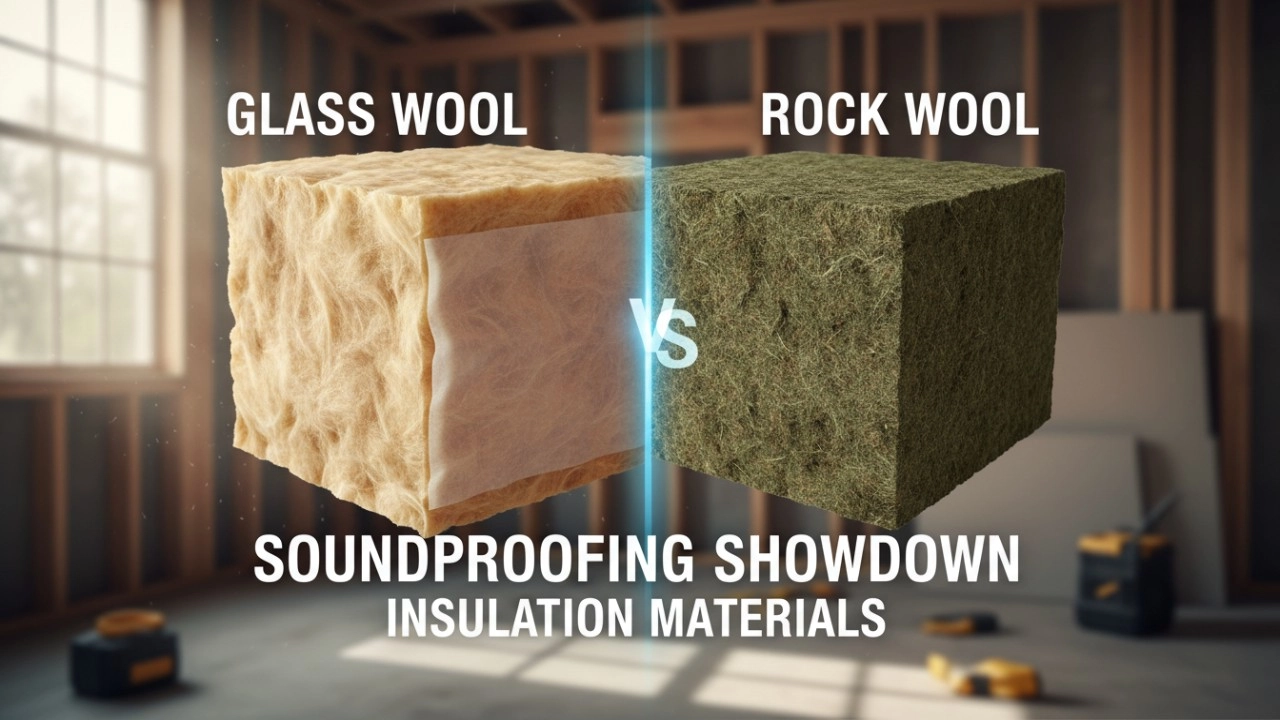
Fiberglass vs. Rockwool: Which Soundproofing Insulation Material Wins for Acoustic Control?
Sound Insulation Foam vs. Acoustic Panels: Which One Actually Stops Noise? (2026 Guide)
7 Dangerous Mistakes to Avoid When Selecting insulating materials for Your Car (2026 Guide)
service
What types of rubber foam insulation products do you offer?
We offer a wide range of rubber foam insulation products, including custom shapes and sizes, thermal and acoustic insulation solutions, and options with specialized coatings such as flame retardancy and water resistance. Our products are suitable for applications in HVAC, automotive, construction, and more.
Are your rubber foam products environmentally friendly?
Yes, our insulation products are designed with sustainability in mind. They help reduce energy consumption by minimizing heat loss and gain, and they are made from durable materials that have a long life cycle, reducing the need for frequent replacement.
How does your technical support work?
Our technical support team is available to guide you through every stage of your project—from product selection and design to installation. We provide expert consultation to ensure that you get the best insulation solution for your needs and can assist with troubleshooting if needed.
FAQ
How do I choose the right insulation for my project?
Our team can help you choose the best material for heat insulation based on your specific needs, such as thermal resistance, acoustic properties, and environmental conditions.
You might also like
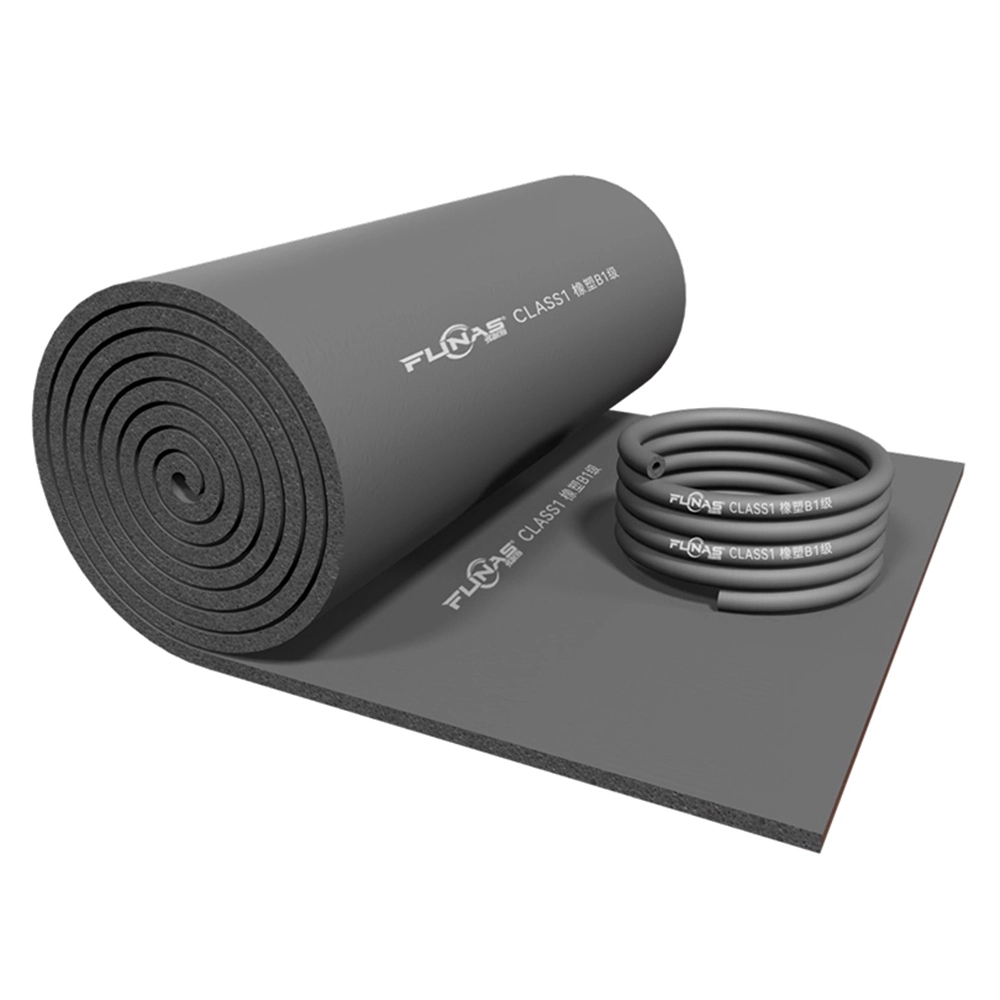
Wholesale black Rubber-plastic Board Rubber foam panel sheet
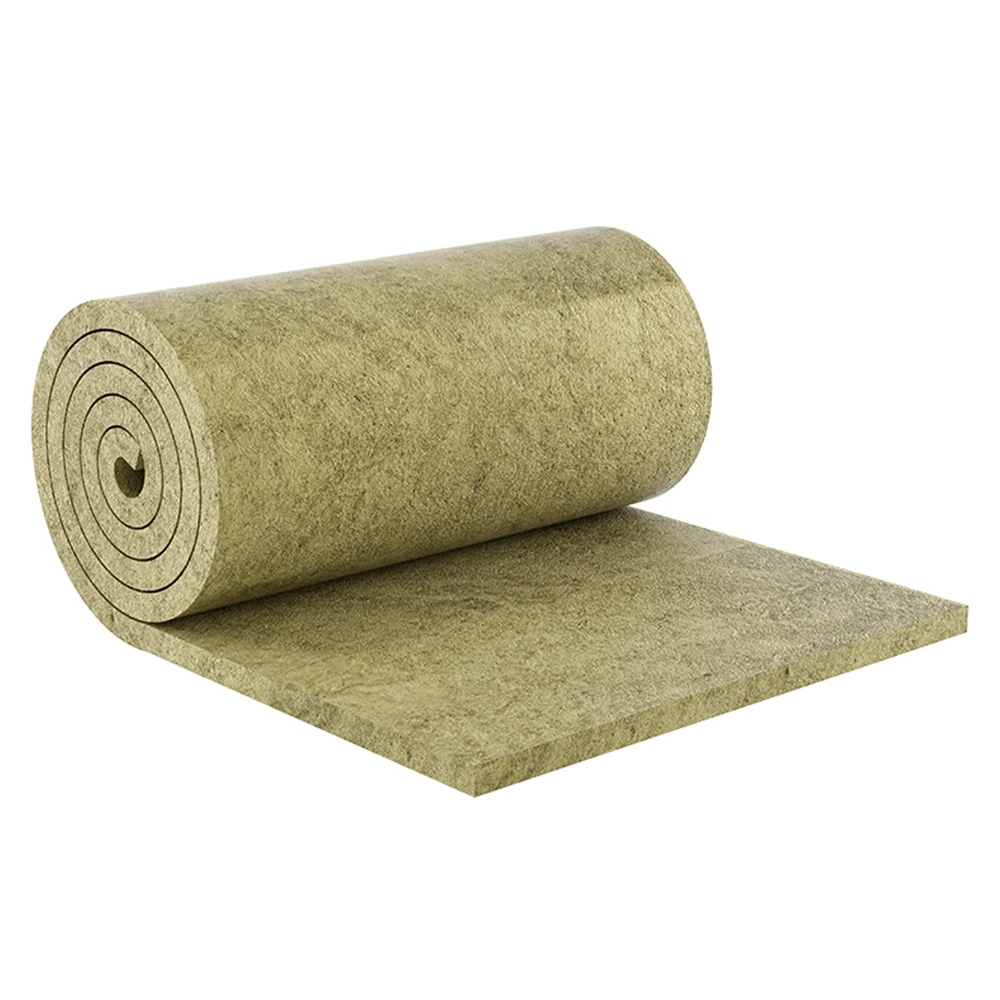
Wholesale Rock Wool Mineral Wool Roll Blanket
Durable rock wool roll with outstanding fire resistance and insulation properties. Ideal for industrial and construction applications.
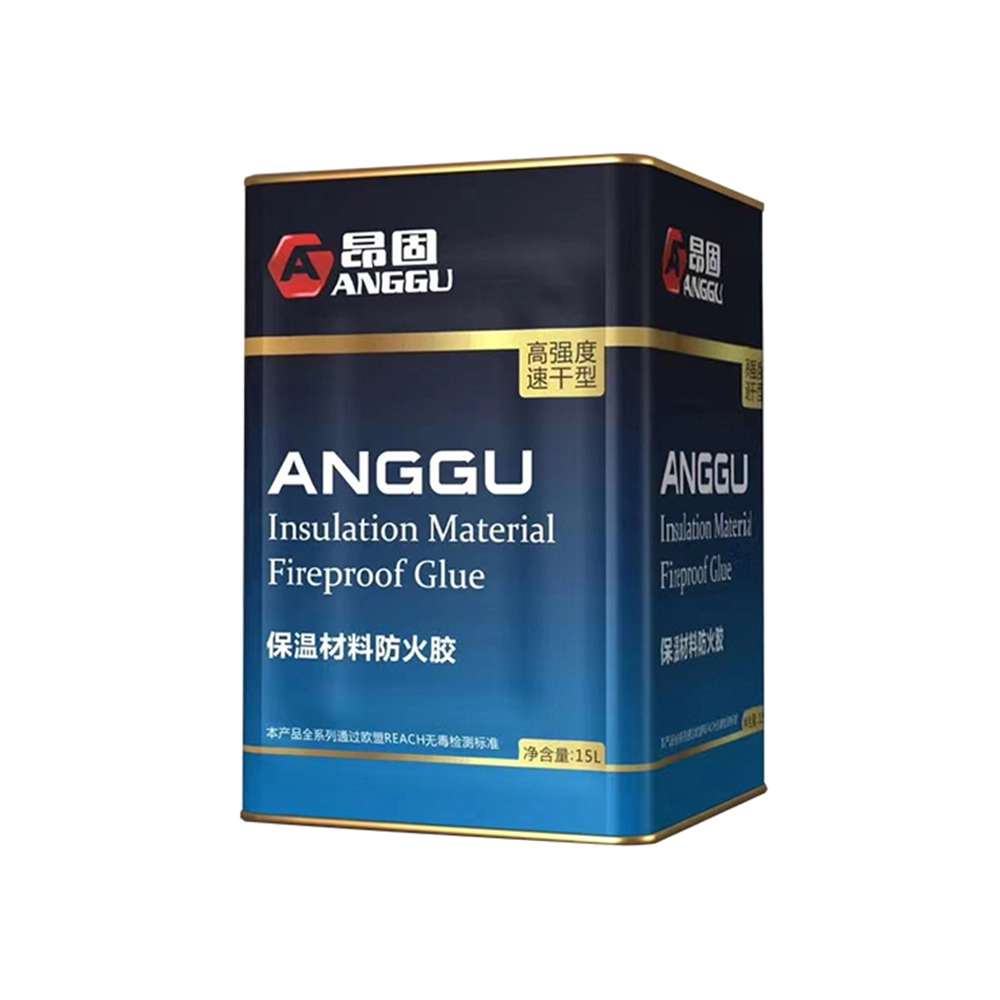
China Manufacturer ANGGU Rubber Foam Dedicated Adhesives & Sealants & Glue
Our high-performance adhesives ensure durability and excellent adhesion, guaranteeing optimal results for all your industrial needs. Specially formulated for precision and strength, Funas adhesives offer seamless application and long-lasting reliability. Trust in quality and innovation with our dedicated rubber foam adhesives. Perfect your projects with Funas, where excellence meets commitment.

Wholesale Rock Wool Mineral Wool Board Panel Sheet
High-performance rock wool board for superior thermal and acoustic insulation. A reliable choice for building projects.
Leave a message
Have any questions or concerns about our products? Please leave us a message here and our team will get back to you promptly.
Your queries, ideas, and collaboration opportunities are just a click away. Let’s start a conversation.
